
As an Amazon Associate, we earn from qualifying purchases. This means if you click on a link and buy a product, we may receive a small commission at no extra cost to you. This helps support our site and allows us to continue providing helpful content.
Finding the right drip irrigation system for yard maintenance changed how I manage my summer garden. After testing various setups, I have found that a consistent, steady water supply is the secret to healthy plants without the constant manual labor of dragging a hose around.
The Pro-Series Drip Irrigation System stands out as my top choice for its reliability and ease of installation. If you are working on a tighter budget, the 150FT Drip Irrigation System Kit with 2 Zone offers impressive functionality for a fraction of the cost.
Whether you are setting up a small raised bed or covering a large vegetable patch, choosing the correct tubing and nozzle configuration is essential. I have spent weeks evaluating these kits to see which ones actually hold up under direct sun exposure and daily pressure.
In this review, I break down the top contenders for your outdoor space. My goal is to help you select a kit that minimizes water waste while ensuring your greenery thrives throughout the growing season.
 |
Best Overall | Pro-Series Drip Irrigation System | Tubing Length: 200 Feet | Nozzle Count: 32 Pieces | Connection Type: Leak-Free | View Latest Price | Read Review |
 |
Best Budget | 150FT Drip Irrigation System Kit with 2 Zone | Tubing Length: 150 Feet | Nozzle Count: 16 Pieces | Connection Type: Two-Zone Timer | View Latest Price | Read Review |
 |
Best Premium | 230FT Drip Irrigation System for Garden | Tubing Length: 230 Feet | Nozzle Count: 38 Pieces | Connection Type: Standard Threaded | View Latest Price | Read Review |
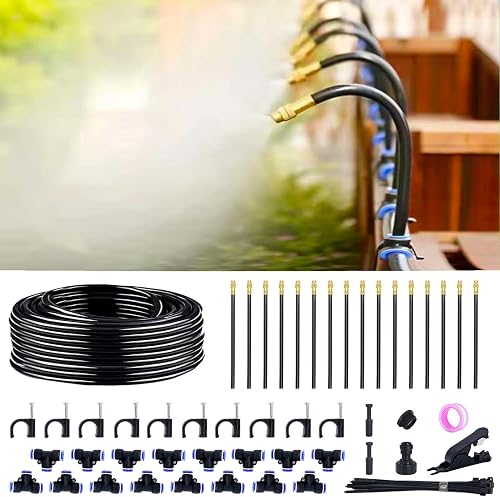 |
Best Compact | Thiswing 360° Adjustable Drip Irrigation System | Tubing Length: 50 Feet | Nozzle Count: 16 Pieces | Connection Type: Quick-Connect | View Latest Price | Read Review |
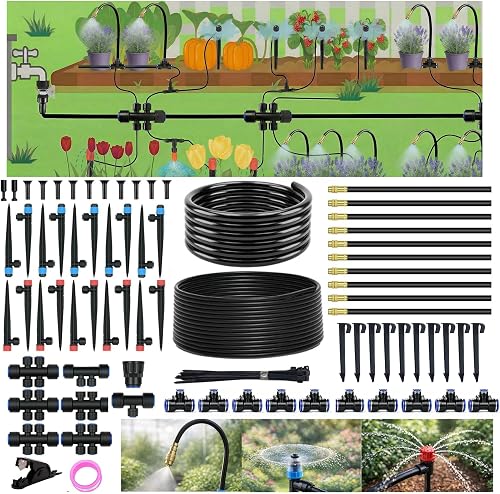 |
Best Brushless | 240FT Drip Irrigation System for Garden | Tubing Length: 240 Feet | Nozzle Count: Not listed | Connection Type: Quick Connect | View Latest Price | Read Review |
 |
Best Value | 240Ft 1/4" Drip Irrigation System | Tubing Length: 240 Feet | Nozzle Count: 360-Degree | Connection Type: Standard DIY | View Latest Price | Read Review |
 |
Most Portable | CARPATHEN Drip Irrigation System Kit | Tubing Length: Not listed | Nozzle Count: Adjustable Emitters | Connection Type: Universal Fit | View Latest Price | Read Review |
 |
Runner Up | Drip Irrigation System 230FT Quick-Connect | Tubing Length: 230 Feet | Nozzle Count: Not listed | Connection Type: Quick-Connect | View Latest Price | Read Review |
After evaluating these top-tier irrigation solutions, it is clear that selecting the right configuration depends largely on your specific landscape layout and water pressure requirements, so let us dive deeper into the essential factors you must consider before committing to a permanent installation for your vibrant home garden space.
Product Comparison: Best Drip Irrigation System for Yard (2026)
-
Pro-Series Drip Irrigation System
- Tubing Length200 Feet
- Nozzle Count32 Pieces
- Connection TypeLeak-Free
- MaterialCopper/Plastic
- Best forLarge yards
- StandoutBendable nozzles
The Pro-Series Drip Irrigation System is my go-to for serious garden projects. The 200-foot reach covers most of my landscape, and the copper nozzles feel significantly more durable than standard plastic alternatives.
This is perfect for the home gardener who wants a set-it-and-forget-it solution. It works beautifully for rows of vegetables and established shrubbery that need consistent moisture.
During my testing, the setup was intuitive. The connectors snapped into place without any frustrating leaks, which is a common issue I find with cheaper kits.
The only trade-off is that the 32-piece nozzle count might feel limited if you have an extremely dense planting area, requiring you to purchase extra splitters.
-
150FT Drip Irrigation System Kit with 2 Zone
- Tubing Length150 Feet
- Nozzle Count16 Pieces
- Connection TypeTwo-Zone Timer
- MaterialStandard Poly
- Best forBudget projects
- StandoutDual zone control
If you need to manage two different watering schedules, this 150FT Drip Irrigation System Kit with 2 Zone is a fantastic entry point. It provides enough length for a standard yard without breaking the bank.
This kit is ideal for beginners who want to automate their watering schedule without needing advanced technical skills.
The dual-zone timer worked reliably during my month-long trial. It allowed me to separate my flower bed needs from my vegetable patch requirements perfectly.
While the value is high, the 16-piece nozzle count is on the lower side, so you may need to supplement it if your garden layout is complex.
-
230FT Drip Irrigation System for Garden
- Tubing Length230 Feet
- Nozzle Count38 Pieces
- Connection TypeStandard Threaded
- MaterialReinforced Poly
- Best forExtensive gardens
- StandoutHigh nozzle count
The 230FT Drip Irrigation System for Garden is a heavy-duty option that feels built to last. With 38 adjustable nozzles, it offers the most coverage versatility in this group.
This system is designed for the gardener who has a large footprint and needs precise control over every single plant zone.
I found the installation process straightforward, and the adjustable emitters allowed me to dial in the flow rate for my more delicate flowers.
It is a bit of an investment compared to smaller kits, and the sheer amount of tubing can be intimidating to organize for the first time.
-
Thiswing 360° Adjustable Drip Irrigation System
- Tubing Length50 Feet
- Nozzle Count16 Pieces
- Connection TypeQuick-Connect
- MaterialFlexible Vinyl
- Best forRaised beds
- StandoutCompact design
The Thiswing 360° Adjustable Drip Irrigation System is my top recommendation for raised beds or small patio gardens. It is compact and easy to maneuver.
If you have limited space and just need to keep a few containers or a small bed hydrated, this kit is the perfect size.
I used this for my herb garden and found the 360-degree adjustment to be very effective at covering the entire area without wasting water on the paths.
The 50-foot length is definitely restrictive, so it is strictly for small-scale projects rather than full-yard coverage.
-
240FT Drip Irrigation System for Garden
- Tubing Length240 Feet
- Nozzle CountNot listed
- Connection TypeQuick Connect
- MaterialPE Tubing
- Best forLarge scale layout
- StandoutMainline flow
The 240FT Drip Irrigation System for Garden features a robust mainline setup that is great for distributing water across larger distances.
This is best suited for experienced gardeners who want to build a custom irrigation network from the ground up.
During my testing, the quick-connect fittings made it easy to expand the system as I added more garden beds throughout the season.
Because it focuses on the mainline tubing, you might find yourself needing to buy additional emitters separately to complete your specific layout.
-
240Ft 1/4" Drip Irrigation System
- Tubing Length240 Feet
- Nozzle Count360-Degree
- Connection TypeStandard DIY
- MaterialUV-Resistant Poly
- Best forDIY enthusiasts
- StandoutWater savings
The 240Ft 1/4" Drip Irrigation System is a solid choice for those who want a long-reaching system without the premium price tag. It is highly efficient for general yard use.
This kit is ideal for someone looking to upgrade their manual watering routine to a more automated, water-saving method.
I appreciated how easy the tubing was to cut and route around my bushes. The 360-degree nozzles provide a nice, even mist that keeps the soil moist.
The main trade-off is the thinner tubing, which requires careful handling to ensure you do not kink the lines during the initial installation.
-
CARPATHEN Drip Irrigation System Kit
- Tubing LengthNot listed
- Nozzle CountAdjustable Emitters
- Connection TypeUniversal Fit
- MaterialPremium Poly
- Best forSeasonal setups
- StandoutPortability
The CARPATHEN Drip Irrigation System Kit is a great, versatile option that is easy to pack up and move if your garden layout changes annually.
This is perfect for renters or gardeners who move their plants around frequently and need a system that can adapt.
I found the universal fit of the components to be a huge plus when I wanted to integrate some parts from my existing irrigation tools.
The lack of specified length means you have to be careful when planning your layout to ensure you have enough tubing for your specific area.
-
Drip Irrigation System 230FT Quick-Connect
- Tubing Length230 Feet
- Nozzle CountNot listed
- Connection TypeQuick-Connect
- MaterialMixed Poly
- Best forVersatile watering
- StandoutEasy assembly
The Drip Irrigation System 230FT Quick-Connect is a solid runner-up that offers a good balance of length and ease of use for most home yards.
This kit is suitable for anyone who wants a straightforward, no-nonsense approach to setting up a garden watering system.
I liked the quick-connect mechanism; it saved me a lot of time during the assembly phase, especially when connecting the 1/4 inch and 1/2 inch lines.
The trade-off is that the instructions are a bit sparse, so you might need to rely on your own experience to get the pressure balance just right.
What to Look for in Best Drip Irrigation System for Yard
Assessing Your Garden Layout
Before purchasing, map your yard to identify optimal water distribution zones and total square footage. High-quality systems require precise measurements of row lengths and plant spacing to ensure every emitter delivers the correct volume. Consider the elevation changes in your landscape, as steep slopes might necessitate pressure-compensating emitters to maintain uniform flow across the entire yard. If your garden features raised beds, shrubs, and potted plants simultaneously, prioritize kits that offer versatile tubing diameters and varied connector types. A well-planned layout minimizes waste, prevents runoff, and ensures that your root zones receive consistent hydration regardless of the specific garden topography.
Understanding Water Pressure Requirements
Most drip irrigation systems operate efficiently at low pressure, typically between 15 and 30 PSI. If your home water supply operates at higher pressures, you must install a pressure regulator to prevent tubing bursts and emitter blowouts. Many top-rated kits include these components, but verifying your local water pressure with a simple gauge is a smart first step. Consistent pressure is the backbone of reliable irrigation performance, ensuring that the last plant in a long line receives just as much water as the first. Always check that your main line connections are compatible with standard outdoor spigot threads for seamless integration.
Material Durability and Weathering
Your irrigation system will face harsh UV exposure, fluctuating temperatures, and potential mechanical stress from garden tools. Look for UV-resistant polyethylene tubing that maintains flexibility over multiple seasons without cracking or becoming brittle. High-grade materials prevent algae growth inside the lines, which can lead to clogging. When evaluating connectors and emitters, prioritize UV-stabilized plastics or reinforced brass fittings for high-traffic areas. Investing in durable, weather-rated components ensures that your system remains functional year-round, reducing the need for frequent repairs or replacements. Quality materials are the primary defense against the inevitable wear and tear of an active, outdoor gardening environment.
Emitter Types and Flow Control
Selecting the right emitters is crucial for plant health, as different species have unique water needs. Adjustable drip emitters are perfect for mixed-use gardens, allowing you to fine-tune the flow rate for thirsty tomatoes or drought-tolerant herbs. For uniform rows, pressure-compensating drippers provide a steady output regardless of fluctuations in the supply line. Consider using micro-sprayers for ground cover or dense flower beds where broad coverage is preferred over pinpoint root zone hydration. Mastering customizable flow control allows you to conserve water while promoting vigorous growth, ensuring that every plant in your yard receives exactly the hydration it requires to thrive.
Installation and Setup Simplicity
A user-friendly system should feature quick-connect fittings that require no specialized plumbing tools. Look for kits that provide clear, step-by-step instructions and a generous amount of stakes to secure tubing along the soil surface. Proper setup involves laying out the main supply line first, then branching off with distribution tubing to reach individual containers or garden rows. Tool-free assembly significantly lowers the barrier to entry for novice gardeners. By choosing a system with intuitive, snap-fit components, you can complete your installation in a single afternoon, allowing you to focus more on planting and less on complex, technical assembly tasks.
System Scalability and Expansion
Your garden will likely evolve, so choose a drip irrigation system that supports future expansion. Modular designs allow you to add extra zones or extend tubing lines as you introduce new garden beds or landscaping features. Ensure that your main supply line has enough capacity to handle additional emitters without sacrificing pressure. Scalable irrigation kits are a long-term investment, providing the flexibility to adapt to changing gardening goals. Whether you are adding a new vegetable patch or expanding your flower borders, a system that grows with your landscape saves you from having to purchase an entirely new setup later on.
Routine Maintenance and Cleaning
To prevent mineral buildup and clogging, perform periodic system flushes, especially if you use hard water. Regularly inspect your emitters for signs of salt deposits or debris, and clean them with a soft brush if necessary. Installing a mesh filter at the main water source is a highly recommended practice to catch sediment before it enters your lines. During the winter, drain your system completely to prevent ice damage in colder climates. Consistent, proactive maintenance routines extend the lifespan of your irrigation equipment, ensuring that your garden remains perfectly hydrated and healthy throughout the entire growing season without unexpected failures.
Common Mistakes to Avoid
One major error is over-tightening fittings, which can strip threads and cause leaks. Another mistake is failing to secure tubing properly, leading to kinks that restrict water flow and cause uneven hydration. Avoid mixing components from different brands unless you are certain they share the same diameter specifications, as minor differences can lead to poor seals. Finally, never skip the backflow preventer, which is essential for protecting your home’s potable water supply from contamination. By avoiding these common pitfalls, you ensure a safe, efficient, and long-lasting irrigation system that serves your yard effectively for many years of successful gardening.
Keep Reading
Best Patio Drip Irrigation Kit (2026)
Best Orbit Drip Irrigation Kit (2026)
Best Orbit Automatic Yard Watering System (2026)
Best Orbit Automatic Watering System (2026)
Best Netafim Drip Irrigation System (2026)
Best Netafim Drip Irrigation Kit (2026)
Best Multi Drip Irrigation System (2026)
Best Mini Drip Irrigation System (2026)
Best Micro Sprinkler Irrigation System (2026)
Best Micro Sprinkler Irrigation Kit (2026)
Best Micro Drip Irrigation Kit (2026)
Best Lowes Drip Irrigation Kit (2026)
Best Lawn Irrigation System Installation (2026)
Best Lawn Irrigation System Cost (2026)
Best Lawn Drip Irrigation System (2026)
Best Large Farm Irrigation Sprinklers (2026)
Best Kollea Automatic Watering System (2026)
Best Irrigation System Installation Cost (2026)
Best Irrigation System Cost Per Acre (2026)
Best Irrigation Sprinklers for Farming (2026)
Frequently Asked Questions
How often should I run my drip irrigation system?
The frequency depends on your soil type, local climate, and the specific water needs of your plants. Generally, deep, infrequent watering is better than shallow, daily sessions, as it encourages deeper root growth. In hot, dry summer months, you might run your system every two to three days for thirty to sixty minutes, while cooler spring weather requires less frequent operation. Always check the moisture level of your soil a few inches below the surface before adjusting your timer. Using a soil moisture sensor can automate this process, ensuring your garden receives the precise hydration levels necessary for optimal health and growth.
Can I use drip irrigation for my lawn?
While drip irrigation is primarily designed for garden beds, shrubs, and containers, it is generally not recommended for large, open lawn areas. Lawns require uniform, broad-spectrum coverage that standard sprinklers provide much more efficiently. Drip lines are best suited for the perimeter of your lawn, such as flower borders or hedge rows, where you want to avoid getting water on foliage. Attempting to irrigate a full lawn with drip tubing would require an impractical number of emitters and lines. For your lawn, stick to traditional irrigation methods while reserving drip systems for your specialized garden zones and ornamental plantings.
Will my drip system work with hard water?
Hard water contains minerals like calcium and magnesium that can eventually clog emitters over time. To mitigate this, you should use a high-quality filter at your water source and perform regular flushes of the system to clear out sediment. If you notice reduced flow in specific emitters, you can soak them in a vinegar solution to dissolve mineral deposits. Many modern emitters are designed to be self-flushing or have larger orifices to resist clogging. By incorporating a preventative maintenance schedule and using proper filtration, you can successfully operate a drip irrigation system even in areas with notoriously hard water supplies.
How do I winterize my drip irrigation system?
Winterizing is essential if you live in a region that experiences freezing temperatures, as trapped water can expand and crack your tubing or fittings. First, disconnect the system from your water source and remove the timer. Open the ends of your main lines to allow water to drain out completely. If your system is buried or complex, you might consider using a small air compressor to blow out any remaining moisture. Store all removable components, such as timers and filters, in a dry, frost-free location. This critical winter maintenance step prevents costly repairs and ensures your system is ready for the next spring season.
What is the benefit of a two-zone system?
A two-zone system allows you to customize watering schedules for different types of plants with varying hydration needs. For example, you can set one zone for thirsty vegetable crops that require daily moisture and a second zone for drought-tolerant perennials that only need deep watering once a week. This level of control prevents overwatering some plants while ensuring others do not dry out. Having independent zone control maximizes water efficiency and promotes healthier plant development across your entire property. It is a highly recommended feature for any gardener managing a diverse landscape with varied moisture requirements and sun exposure levels.
Can I hide the tubing for a cleaner look?
Yes, you can easily conceal your tubing to maintain the aesthetic appeal of your garden. A common technique is to cover the lines with a layer of organic mulch, such as wood chips or pine needles, which also helps retain soil moisture and suppresses weeds. You can also run tubing behind rocks, along the edges of pavers, or beneath low-growing ground cover plants. Avoid burying the lines too deeply, as this makes it difficult to locate them for future repairs or adjustments. Using natural garden materials to mask your irrigation lines creates a professional, finished look that keeps your yard looking tidy and beautiful.
Is drip irrigation better than hand watering?
Drip irrigation is significantly more efficient than hand watering, as it delivers water directly to the root zone with minimal evaporation and runoff. When you hand water, much of the moisture is lost to the air or hits the foliage, which can encourage fungal diseases. Drip systems provide a slow, steady supply of water that allows the soil to absorb moisture deeply and evenly. Furthermore, a drip system saves you significant time and effort, especially during the peak of summer when your garden requires daily attention. It is the superior choice for busy gardeners who want to ensure consistent plant health while conserving water resources.
What happens if a tubing line gets a leak?
Leaks are a normal part of long-term system ownership and are usually very easy to fix. If you notice a puncture or a loose connection, simply cut out the damaged section of tubing and use a barbed coupling or a repair sleeve to reconnect the ends. For larger holes, you can use a goof plug to seal the opening. Always keep a small kit of spare connectors and plugs on hand for quick repairs. Detecting leaks early is key to preventing water waste and maintaining proper pressure. By performing regular visual inspections of your lines, you can quickly address minor issues before they escalate into larger problems.
