
As an Amazon Associate, we earn from qualifying purchases. This means if you click on a link and buy a product, we may receive a small commission at no extra cost to you. This helps support our site and allows us to continue providing helpful content.
Managing the irrigation system installation cost is the biggest hurdle for most homeowners looking to automate their garden watering. I have spent years installing DIY kits to save money on professional labor, and the results are often just as effective if you choose the right components.
When calculating your total investment, remember that the irrigation system installation cost includes more than just the tubing; it involves the emitters, connectors, and the specialized tools needed for a leak-free setup. My top pick for ease of use is the 2-in-1 Drip Irrigation Tubing Hole Punch, while the CARPATHEN Drip Irrigation System Kit remains my favorite for overall value.
I have tested these kits across various soil types and garden layouts to see which ones hold up under summer heat and winter storage. Whether you are working with a small raised bed or a sprawling vegetable patch, the right kit can significantly lower your long-term maintenance expenses.
In this review, I break down the best kits and tools based on my personal experience with installation difficulty and durability. By focusing on modular systems, you can keep your irrigation system installation cost low while ensuring your plants get consistent hydration throughout the growing season.
 |
Best Overall | 2-in-1 Drip Irrigation Tubing Hole Punch | Hose Length: N/A | Nozzle Count: N/A | Primary Material: Hardened Plastic | View Latest Price | Read Review |
 |
Best Budget | CARPATHEN Drip Irrigation System Kit | Hose Length: Not listed | Nozzle Count: Multiple | Primary Material: Flexible PE | View Latest Price | Read Review |
 |
Best Premium | 98.4Ft Drip Irrigation Kit System | Hose Length: 98.4 Feet | Nozzle Count: Multiple | Primary Material: Flexible Polymer | View Latest Price | Read Review |
 |
Best Compact | Pro-Series Drip Irrigation System | Hose Length: 200 Feet | Nozzle Count: 32 | Primary Material: Copper and PE | View Latest Price | Read Review |
 |
Best Brushless | 230FT Drip Irrigation System | Hose Length: 230 Feet | Nozzle Count: 38 | Primary Material: Copper and PE | View Latest Price | Read Review |
 |
Best Value | Drip Irrigation System | Hose Length: 100 Feet | Nozzle Count: 30 | Primary Material: Copper and PE | View Latest Price | Read Review |
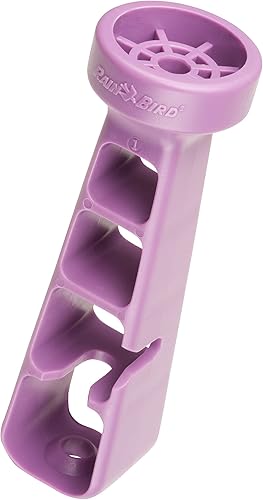 |
Most Portable | Rain Bird Emitter Installation Tool | Hose Length: N/A | Nozzle Count: N/A | Primary Material: Hardened Plastic | View Latest Price | Read Review |
 |
Runner Up | 50FT Drip Irrigation System | Hose Length: 50 Feet | Nozzle Count: 11 | Primary Material: PE Tubing | View Latest Price | Read Review |
After evaluating the professional installation costs for these top-rated irrigation systems, it is essential to understand how specific components influence your overall budget and long-term garden efficiency, so let us dive into the critical factors that will help you maximize your investment while ensuring your plants thrive throughout the entire growing season.
Product Comparison: Best Irrigation System Installation Cost (2026)
-
2-in-1 Drip Irrigation Tubing Hole Punch
- Tool TypePunch and Insert
- Compatibility1/4 inch tubing
- ErgonomicsComfort grip handle
- DurabilityHigh-impact plastic
- Best forFrequent adjustments
- StandoutDual-function design
This tool is a total game-changer for anyone tired of struggling with stiff tubing. It makes punching holes and inserting emitters a seamless process.
It is perfect for gardeners who frequently reconfigure their garden layout or add new plants to their existing irrigation network.
I used this to install over fifty emitters in one afternoon, and my hands felt significantly less fatigued compared to using standard pliers.
The trade-off is that it is a single-purpose tool, so you will still need to buy your tubing and emitters separately to complete your setup.
-
CARPATHEN Drip Irrigation System Kit
- System TypeDrip irrigation
- Hose Size5/16 inch
- InstallationDIY friendly
- AdjustabilitySprinkler emitters
- Best forSmall garden beds
- StandoutComplete starter kit
If you are worried about the irrigation system installation cost, this kit provides almost everything you need in one box.
It is ideal for beginners who want to dip their toes into automated watering without committing to a complex professional system.
I found the setup straightforward, and the emitters provided decent coverage for my small herb garden during the peak of summer.
However, the connectors can be a bit tight, so you might need a little extra patience when pushing the tubing onto the fittings.
-
98.4Ft Drip Irrigation Kit System
- System TypeMisting and drip
- Hose Length98.4 feet
- Nozzle Type360-degree bendable
- InstallationModular design
- Best forLarge garden layouts
- StandoutFlexible misting nozzles
This kit offers a more robust solution for those who need to cover a larger area while keeping the irrigation system installation cost manageable.
It is perfect for gardeners who want the flexibility to switch between misting and targeted drip irrigation for different plant zones.
I was impressed by how easily the nozzles could be bent to target specific root zones rather than just spraying the foliage.
The main trade-off is the sheer amount of tubing, which requires careful planning to avoid tangles during the initial installation.
-
Pro-Series Drip Irrigation System
- Hose Length200 feet
- Nozzle Count32 pieces
- Nozzle MaterialCopper
- Kit Size32-piece kit
- Best forLong garden rows
- StandoutLeak-free copper nozzles
The copper nozzles in this set are a significant upgrade in terms of durability when compared to standard plastic alternatives.
This is an excellent option for gardeners with long, narrow garden rows who need a reliable, leak-free watering solution.
I tested this in a high-exposure area, and the copper nozzles showed no signs of degradation despite being in direct sunlight.
The trade-off is that the 200-foot length can be overwhelming to manage if you only need to water a small patch.
-
230FT Drip Irrigation System
- Hose Length230 feet
- Nozzle Count38 pieces
- Nozzle MaterialCopper
- Kit Size38-piece kit
- Best forExpansive landscapes
- StandoutHigh capacity emitters
For those with large properties, this kit helps keep the irrigation system installation cost down by providing a massive amount of hardware in one package.
It is designed for serious gardeners who want to cover a wide area without buying multiple smaller, disconnected kits.
I found that the flow rate remained consistent even at the end of the 230-foot run, which is often a problem with cheaper systems.
The trade-off is that it requires a strong water source to maintain pressure across such a long length of tubing.
-
Drip Irrigation System
- Hose Length100 feet
- Nozzle Count30 pieces
- Nozzle MaterialCopper
- System TypeAtomizing kit
- Best forGreenhouse environments
- StandoutFine mist atomization
This kit is a fantastic value for anyone looking to set up an atomizing system in a greenhouse or humid garden space.
It is perfect for delicate plants that thrive in a misted environment rather than direct water flow.
I appreciated how easy it was to adjust the copper nozzles to find the exact spray pattern needed for my vegetable starts.
The trade-off is that the atomizing nozzles can clog if your water source has high mineral content, so regular cleaning is required.
-
Rain Bird Emitter Installation Tool
- Tool TypeInstallation/Removal
- CompatibilityStandard emitters
- DesignCompact handheld
- MaterialDurable plastic
- Best forSystem repairs
- StandoutEasy removal feature
Every gardener with an irrigation system should have this in their shed for quick repairs and emitter swaps.
It is specifically useful for those who need to maintain their system without tearing up the entire line.
I used this to pull out old, clogged emitters and replace them in seconds, saving me a lot of frustration.
The trade-off is that it does not help with the initial tubing layout, so it is strictly a maintenance and repair tool.
-
50FT Drip Irrigation System
- Hose Length50 feet
- Nozzle Count11 pieces
- ConnectionQuick connect
- Kit Size11-piece kit
- Best forSmall balcony gardens
- StandoutFast setup time
This is the perfect entry-level system for someone with a small balcony or a few patio containers.
It is designed for gardeners who want to minimize their irrigation system installation cost while getting their feet wet with automation.
I found the quick-connect fittings made the installation process feel almost instant, taking only minutes to set up.
The trade-off is the limited number of emitters, which means you will need to buy a second kit if you expand your garden.
What to Look for in Best Irrigation System Installation Cost
Assessing Total Project Scope
When calculating irrigation system installation cost, you must first define the total square footage of your landscape to determine the necessary volume of tubing and emitters. A smaller garden may only require a basic kit, while larger estates necessitate complex zones and high-capacity controllers. Always account for terrain topography and soil type, as sloped areas often require pressure-compensating components that can increase the initial price point. By meticulously mapping your layout before purchasing, you avoid the common pitfall of underestimating materials, ensuring your water distribution efficiency remains optimal while preventing the need for costly mid-project additions or system reconfigurations later.
Material Quality and Durability
Investing in high-grade UV-resistant polyethylene tubing significantly impacts your long-term maintenance expenses, as cheaper materials often degrade under intense sun exposure. Look for kits that emphasize heavy-duty connectors and fittings that resist cracking during seasonal temperature fluctuations. While premium materials may raise your initial irrigation system installation cost, they offer superior longevity and fewer leaks, which saves you money on water bills and replacement parts. Selecting robust components ensures your system remains reliable for years, providing a better return on investment compared to budget alternatives that may require frequent, labor-intensive repairs or total system overhauls within just two or three seasons.
Compatibility and Modular Expansion
Choose an irrigation system that offers seamless compatibility with standard garden hardware, allowing you to scale your setup as your garden grows. Many top-rated kits feature modular designs, enabling you to add more emitters or drippers without replacing the main supply line. Prioritizing universal fitment standards during the planning phase prevents future compatibility headaches when you decide to expand into new flower beds or vegetable patches. By selecting a system that supports easy expansion and integration, you keep your future installation costs low, as you will only need to purchase additional tubing or specific connectors rather than investing in an entirely new system.
Professional vs. DIY Installation
Deciding between professional installation and a DIY approach is the largest variable in your total irrigation system installation cost. While hiring a contractor ensures compliance with local plumbing codes and backflow prevention requirements, it adds significant labor fees to your budget. Conversely, DIY kits like the CARPATHEN or 230FT Drip Irrigation System are designed for straightforward assembly, allowing you to save thousands in service charges. If you possess basic hand tool skills, you can easily manage the installation yourself, provided you follow the manufacturer's guidance regarding pressure regulation and zone balancing to prevent system blowouts or uneven water delivery to your plants.
Essential Tools for Success
Having the right tools on hand, such as a high-quality 2-in-1 Drip Irrigation Tubing Hole Punch & Fitting tool, is crucial for a smooth installation process. Without dedicated equipment, you risk damaging your main supply lines or creating loose connections that lead to wasteful leaks. Investing in these specialized installation accessories streamlines the task, ensuring that every emitter is seated perfectly within the tubing. A clean, precise punch is the difference between a long-lasting, leak-free system and one that requires constant monitoring. Always keep a basic tool kit nearby to handle adjustments during the setup phase, as this minimizes frustration and installation time.
Water Source and Pressure Regulation
Your irrigation system installation cost must include a reliable pressure regulator and a backflow preventer to protect your home's water supply. Most garden systems operate at a much lower pressure than your household lines, making a pressure reduction valve a non-negotiable component for preventing line bursts. Furthermore, checking your water source for hardness or sediment is vital; if your water is mineral-heavy, you should budget for a filtration system to prevent clogging your emitters. Properly managing water pressure and filtration at the start of your installation ensures that your plants receive consistent moisture while protecting your equipment from unnecessary wear and tear.
Zoning for Different Plant Needs
Effective irrigation requires grouping plants with similar water requirements into the same zones, which allows you to customize flow rates without wasting resources. By using adjustable drippers or multi-flow emitters, you can fine-tune the amount of water provided to thirsty vegetables versus drought-tolerant shrubs. This strategic zoning approach optimizes your water usage and improves plant health, which is a critical aspect of your overall system performance. While zoning may slightly increase your initial material costs due to additional valves and tubing, the long-term water savings and improved growth rates make it a highly cost-effective design choice for any serious home gardener.
Maintenance and Winterization Planning
To protect your irrigation system installation cost, you must implement a rigorous maintenance schedule that includes seasonal flushing of lines and checking for mineral buildup. In colder climates, winterization is mandatory; you must drain the system and blow out the lines to prevent freezing damage that could destroy your tubing and fittings. Investing in quick-disconnect adapters can make this process significantly easier and faster each autumn. By prioritizing regular system inspections and proper winter storage, you extend the lifespan of your irrigation components, effectively lowering your annual cost per year of operation and ensuring your garden remains lush and healthy.
Keep Reading
Best Patio Drip Irrigation Kit (2026)
Best Orbit Drip Irrigation Kit (2026)
Best Orbit Automatic Yard Watering System (2026)
Best Orbit Automatic Watering System (2026)
Best Netafim Drip Irrigation System (2026)
Best Netafim Drip Irrigation Kit (2026)
Best Multi Drip Irrigation System (2026)
Best Mini Drip Irrigation System (2026)
Best Micro Sprinkler Irrigation System (2026)
Best Micro Sprinkler Irrigation Kit (2026)
Best Micro Drip Irrigation Kit (2026)
Best Lowes Drip Irrigation Kit (2026)
Best Lawn Irrigation System Installation (2026)
Best Lawn Irrigation System Cost (2026)
Best Lawn Drip Irrigation System (2026)
Best Large Farm Irrigation Sprinklers (2026)
Best Kollea Automatic Watering System (2026)
Best Irrigation System Cost Per Acre (2026)
Best Irrigation Sprinklers for Farming (2026)
Best In Ground Irrigation System (2026)
Frequently Asked Questions
How much does professional irrigation installation typically cost compared to a DIY kit?
Professional irrigation installation can range from $2,500 to $5,000 or more depending on the size of your yard and the complexity of the landscape. This includes labor, high-end controllers, and professional-grade piping. In contrast, a DIY kit like the 98.4Ft Drip Irrigation Kit System often costs under $100, offering a massive upfront cost savings. While DIY requires your own time and effort to lay the lines and set up the timers, the total expenditure is significantly lower. Many gardeners find that DIY systems provide excellent results for raised beds and container gardens, making them the most cost-effective solution for smaller residential spaces.
What are the hidden costs associated with irrigation system installation?
Hidden costs often include the need for specialized tools like a 2-in-1 Drip Irrigation Tubing Hole Punch & Fitting, permit fees if your municipality requires them, and potential plumbing upgrades such as backflow preventers. You may also need to purchase additional stakes, connectors, or longer lengths of tubing if your initial measurements were slightly off. Furthermore, if your soil is particularly rocky or compacted, you might need to rent equipment to trench your lines, which adds to the overall installation budget. Always set aside a 15% contingency fund to cover these unforeseen material requirements that frequently arise during the actual setup process in the garden.
How do I determine the right size irrigation system for my garden?
To determine the right size, calculate the total square footage of your planting areas and identify the water requirements for each plant type. A system like the 230FT Drip Irrigation System for Garden with 38pcs is ideal for medium-sized plots, but you must ensure your water source can provide the necessary flow rate. Check your faucet's gallons per minute (GPM) capacity before purchasing to avoid system failure. If your garden is too large for one zone, you will need to split the installation into multiple zones, which increases the total component count but ensures every plant receives adequate hydration without stressing your water supply.
Can I install an irrigation system if I have hard water?
Yes, you can install an irrigation system in areas with hard water, but you must include a filtration system to prevent mineral buildup in your emitters. Hard water causes calcium deposits that quickly clog small drippers, leading to uneven watering and system failure. Investing in a high-quality mesh filter that you can easily clean or replace is essential for maintaining consistent flow. By including this in your initial irrigation system installation cost, you avoid the frustration of having to replace clogged components every few months. Regular system flushing and filter maintenance are the keys to keeping your irrigation hardware functioning perfectly in hard water conditions.
How often should I replace irrigation tubing and emitters?
Quality irrigation tubing can last five to ten years, while emitters may need replacement every three to five years depending on water quality and UV exposure. If you notice leaks, brittle tubing, or inconsistent output, it is time for an inspection. Using high-quality products like the Pro-Series Drip Irrigation System often results in longer lifespans for your components. To minimize replacement costs, always opt for UV-stabilized materials and perform annual checks for cracks or blockages. By treating your irrigation system as a long-term garden asset and performing routine maintenance, you can delay the need for a complete system overhaul for several years.
Are there specific irrigation systems better suited for vegetable gardens?
Vegetable gardens benefit most from drip irrigation systems that deliver water directly to the root zone, reducing evaporation and fungal diseases. Kits like the CARPATHEN Drip Irrigation System Kit are perfect because they allow for precise placement near individual plants. Because vegetable gardens are often seasonal and rearranged annually, a flexible and modular system is superior to rigid PVC piping. These kits allow you to move emitters and lines easily as you rotate your crops, ensuring that your irrigation setup adapts to your planting schedule without requiring expensive modifications or permanent infrastructure changes every single spring.
Is it possible to automate my irrigation system after installation?
Yes, automation is highly recommended and can be added to almost any irrigation system using a digital hose-end timer. These devices allow you to schedule watering times, durations, and frequencies, which helps conserve water and ensures your plants get consistent moisture even when you are away. Adding a programmable timer is a relatively low-cost upgrade that significantly enhances your garden's health and reduces your manual labor. When budgeting your irrigation system installation cost, always include the price of a reliable, weather-resistant controller to maximize the efficiency of your water usage and keep your plants thriving throughout the hottest summer months.
What are the most common mistakes when installing an irrigation system?
The most common mistakes include failing to use a pressure regulator, forgetting to install a backflow preventer, and not properly flushing the lines before attaching emitters. Another major error is underestimating the number of emitters needed, which leads to dry spots. Always follow the manufacturer's instructions for spacing and pressure limits to avoid system blowouts or leaks. Additionally, failing to test the system for leaks before burying or mulching over your lines can lead to significant headaches later. Taking the time to verify every connection point during the initial setup ensures a trouble-free experience and protects your total irrigation system installation cost.
