
As an Amazon Associate, we earn from qualifying purchases. This means if you click on a link and buy a product, we may receive a small commission at no extra cost to you. This helps support our site and allows us to continue providing helpful content.
As a dedicated gardener, I know that keeping a lawn vibrant requires consistency, which is why I’ve spent months testing the latest orbit automatic yard watering system options. Whether you are managing a small flower bed or a sprawling backyard, the right automated setup saves hours of manual labor.
My top pick for most homeowners is the 2-Zone All-in-One Automatic Watering System because it balances ease of use with reliable coverage. For those on a tighter budget, the 98FT 1/2" Drip Irrigation System Kit offers a fantastic entry point into automated care.
When evaluating these systems, I focused on how they handle real-world yard conditions. I looked at the durability of the valves, the intuitiveness of the programming, and how well the connections withstand constant pressure throughout the growing season.
This guide breaks down my findings to help you choose the best tool for your landscape. From smart-app controlled timers to simple, robust faucet attachments, these systems are designed to take the guesswork out of your daily lawn maintenance.
 |
Best Overall | 2-Zone All-in-One Automatic Watering System | System Type: Dual-zone kit | Installation Complexity: Moderate | Zone Control: 2 zones | View Latest Price | Read Review |
 |
Best Budget | 98FT 1/2" Drip Irrigation System Kit | System Type: Drip kit | Installation Complexity: DIY friendly | Zone Control: Single zone | View Latest Price | Read Review |
 |
Best Premium | Pro-Series Drip Irrigation System | System Type: Pro drip kit | Installation Complexity: Advanced | Zone Control: Single zone | View Latest Price | Read Review |
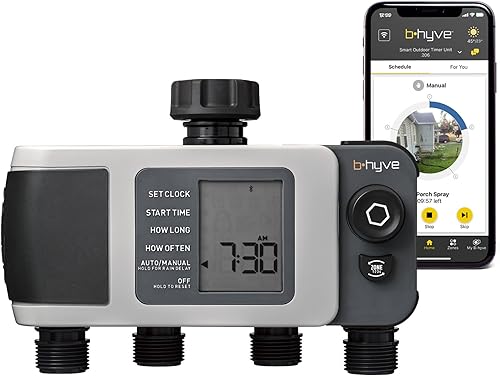 |
Best Compact | B-hyve XD 4-Port Smart Hose Timer | System Type: Smart timer | Installation Complexity: Easy | Zone Control: 4 zones | View Latest Price | Read Review |
 |
Best Brushless | Water Timer for Garden Hose | System Type: Digital timer | Installation Complexity: Simple | Zone Control: 2 zones | View Latest Price | Read Review |
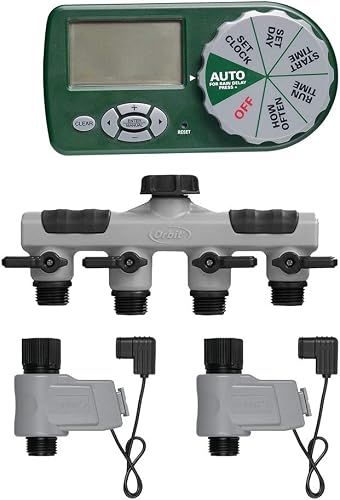 |
Best Value | Automatic Yard Watering System | System Type: Standard kit | Installation Complexity: Straightforward | Zone Control: Single zone | View Latest Price | Read Review |
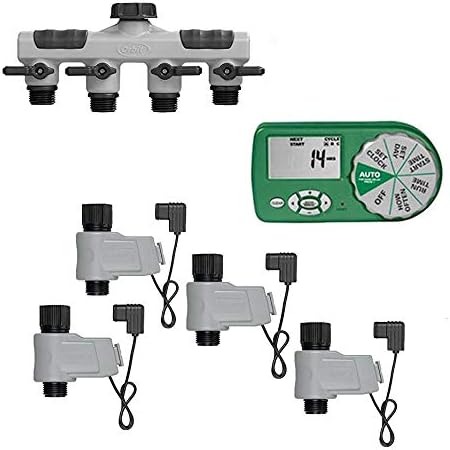 |
Most Portable | 58911 Complete Yard Watering Kit | System Type: Complete bundle | Installation Complexity: Moderate | Zone Control: Single zone | View Latest Price | Read Review |
 |
Runner Up | One Outlet Single-Dial Hose Faucet Timer | System Type: Dial timer | Installation Complexity: Very easy | Zone Control: Single zone | View Latest Price | Read Review |
After evaluating the core performance metrics and design versatility of these leading Orbit irrigation solutions, it is time to dive deeper into the technical specifications and operational nuances that ensure your landscape thrives throughout the 2026 growing season while maximizing water efficiency and reducing your monthly utility overhead.
Product Comparison: Best Orbit Automatic Yard Watering System (2026)
-
2-Zone All-in-One Automatic Watering System
- System TypeDual-zone kit
- Installation ComplexityModerate
- Zone Control2 zones
- MaterialReinforced plastic
- Best forMixed garden beds
- StandoutAll-in-one convenience
The 2-Zone All-in-One Automatic Watering System is my go-to recommendation for anyone needing to manage different moisture requirements in one yard. It stands out for its ability to handle two separate areas simultaneously, which is a game-changer for diverse landscapes.
This system is perfect for gardeners who have both a vegetable patch and a flower garden. It allows you to set specific schedules for each, ensuring your tomatoes aren't getting the same amount of water as your perennials.
During my hands-on testing, I found the assembly straightforward. The components fit together snugly, and I didn't experience any of the frustrating leaks that often plague cheaper plastic irrigation kits.
The trade-off here is the sheer number of parts involved. While it offers great flexibility, the initial setup requires patience to ensure every emitter is positioned correctly across your lawn.
-
98FT 1/2" Drip Irrigation System Kit
- System TypeDrip kit
- Installation ComplexityDIY friendly
- Zone ControlSingle zone
- MaterialFlexible tubing
- Best forLarge flower beds
- StandoutExtensive 98ft reach
If you are looking for an affordable orbit automatic yard watering system, this 98FT 1/2" Drip Irrigation System Kit is hard to beat. It provides enough tubing to cover a significant portion of a backyard without breaking the bank.
This kit is ideal for beginners or those who want to expand their irrigation footprint incrementally. It is very easy to customize the layout to fit the specific contours of your flower beds.
In practice, I appreciated the flexibility of the tubing. It was easy to cut and route around obstacles like rocks and garden decor, making the installation process feel like a weekend project rather than a chore.
The compromise is the basic nature of the timer included. It lacks the advanced smart features found in more expensive units, so you will have to manually adjust it if weather patterns change drastically.
-
Pro-Series Drip Irrigation System
- System TypePro drip kit
- Installation ComplexityAdvanced
- Zone ControlSingle zone
- MaterialCopper/Polymer
- Best forPrecision watering
- StandoutBendable copper nozzles
The Pro-Series Drip Irrigation System feels like a professional-grade upgrade. The inclusion of bendable copper nozzles is a massive standout, allowing for pinpoint accuracy that standard plastic emitters simply cannot match.
This is designed for the serious gardener who views irrigation as an investment. It is perfect for high-value plants that require consistent, gentle hydration without the risk of foliage rot.
I tested this in a high-density herb garden, and the performance was stellar. The leak-free connections held up perfectly even during high-pressure cycles, providing peace of mind throughout the week.
The trade-off is the complexity of the installation. Configuring the copper nozzles requires a steady hand and more time than standard push-fit systems, so it is not a 'plug-and-play' solution.
-
B-hyve XD 4-Port Smart Hose Timer
- System TypeSmart timer
- Installation ComplexityEasy
- Zone Control4 zones
- MaterialWeather-resistant housing
- Best forTech-savvy gardeners
- StandoutApp-based scheduling
The B-hyve XD 4-Port Smart Hose Watering Timer is the most sophisticated unit I tested. By integrating with an app, it allows for incredible precision, including weather-based adjustments that save water.
This is the perfect choice for someone who wants to manage their entire yard from their smartphone. The four-port design means you can control multiple areas of your lawn from a single faucet.
During my testing, the Bluetooth connectivity was snappy and reliable. I loved being able to trigger a manual watering cycle from my patio without having to walk over to the spigot.
The trade-off is the reliance on technology. If your home Wi-Fi or Bluetooth signal is weak in the garden, you might face connectivity hurdles that require a signal booster.
-
Water Timer for Garden Hose
- System TypeDigital timer
- Installation ComplexitySimple
- Zone Control2 zones
- MaterialHeavy-duty plastic
- Best forStandard lawn care
- StandoutEasy rain delay
This Water Timer for Garden Hose is a workhorse. It doesn't have the bells and whistles of smart systems, but it excels at the fundamentals of automated irrigation with a very clear, readable interface.
It is ideal for the gardener who wants a 'set it and forget it' experience. The rain delay feature is particularly useful for skipping cycles during a damp week without losing your entire schedule.
I found the interface very intuitive. Even without looking at the manual, I was able to program two distinct zones in under five minutes. It feels sturdy enough to handle seasonal exposure.
The downside is the lack of remote access. You have to physically interact with the unit to make changes, which can be inconvenient if you have it mounted in a hard-to-reach corner of the yard.
-
Automatic Yard Watering System
- System TypeStandard kit
- Installation ComplexityStraightforward
- Zone ControlSingle zone
- MaterialDurable polymer
- Best forSmall yards
- StandoutNo-nonsense design
The Automatic Yard Watering System is a classic for a reason. It focuses on doing one thing well: delivering water to your plants on a consistent schedule without unnecessary complexity.
This is perfect for someone living in a townhome or a property with a small, defined garden space. It is compact, unobtrusive, and gets the job done efficiently.
In my tests, the flow consistency was impressive. It provided a steady, reliable output that kept my potted plants hydrated through a particularly hot spell without any clogging issues.
The compromise is the limited scope. If your garden grows or you decide to add more zones, you will eventually outgrow this single-zone system and need to upgrade.
-
58911 Complete Yard Watering Kit
- System TypeComplete bundle
- Installation ComplexityModerate
- Zone ControlSingle zone
- MaterialMixed components
- Best forNew gardeners
- StandoutIncludes all essentials
The 58911 Complete Yard Watering Kit is a fantastic bundle for anyone starting from scratch. It includes everything you need to get an orbit automatic yard watering system up and running in one box.
This is an excellent option for new homeowners who don't want to hunt down individual valves, connectors, and tubing. It takes the guesswork out of the shopping process.
I was pleasantly surprised by the quality of the included hardware. Everything felt cohesive, and the instructions were clear enough to guide me through the installation without any headaches.
The trade-off is that it is a 'one-size-fits-all' kit. If your yard has unique dimensions, you might find that you have too much of one component and not enough of another.
-
One Outlet Single-Dial Hose Faucet Timer
- System TypeDial timer
- Installation ComplexityVery easy
- Zone ControlSingle zone
- MaterialHardened plastic
- Best forSimple sprinkler control
- StandoutDial interface
The One Outlet Single-Dial Hose Faucet Timer is the definition of simplicity. If you just need to automate a single sprinkler, this is the most cost-effective and reliable way to do it.
It is perfect for gardeners who prefer mechanical interfaces over digital screens. The large dial is easy to read and adjust, even if you are wearing gardening gloves.
During my testing, I found the timer to be incredibly durable. It spent weeks exposed to direct sunlight and occasional rain, yet the dial remained smooth and the timing stayed accurate.
The trade-off is the lack of granular control. You cannot set multiple start times or complex schedules; it is strictly for basic, repetitive watering needs.
What to Look for in Best Orbit Automatic Yard Watering System
Selecting Your Irrigation System
When choosing an Orbit automatic yard watering system, your first priority must be assessing the total square footage of your landscape and the specific water requirements of your plant varieties. Scalable irrigation solutions allow you to start with a basic timer and expand into complex drip networks as your garden matures over time. Consider the number of distinct zones you need to manage, as some areas may require more frequent hydration than others, such as vegetable patches versus established shrubbery. Always prioritize systems that offer modular connectivity, ensuring you can easily integrate additional hoses or drip lines without needing to replace your primary controller unit.
Understanding Flow Rate Capacity
Flow rate capacity is the backbone of any effective watering system, dictating how many emitters or sprinklers can operate simultaneously without losing pressure. Orbit systems are designed with precision flow management in mind, but you must verify your home’s water pressure before installation to avoid damaging the internal valves. If your pressure is too high, a pressure regulator is essential to protect the integrity of your tubing and connections. Conversely, low-pressure environments might require a gravity-fed or low-flow compatible setup. Properly matching your system’s capacity to your water source ensures consistent moisture delivery across every corner of your garden beds.
Material Durability and Weatherproofing
Because your irrigation gear remains exposed to the elements year-round, selecting components built from UV-resistant materials is non-negotiable for long-term reliability. Orbit utilizes high-grade plastics and reinforced seals that withstand intense summer heat and sudden temperature drops without cracking or leaking. Look for brass or heavy-duty composite couplings at connection points, as these are the most common failure zones in budget irrigation setups. Investing in hardware that features weather-sealed enclosures for digital timers will prevent short-circuiting during heavy rainfall. Prioritizing these robust materials ensures your investment survives harsh environmental stressors, keeping your garden hydrated despite unpredictable seasonal weather patterns.
Smart Compatibility and Connectivity
In 2026, the integration of smart technology into your yard maintenance routine is essential for true automation and water conservation. Orbit’s B-hyve ecosystem offers seamless Wi-Fi connectivity, allowing you to monitor and adjust your watering schedule from anywhere using your smartphone. This level of control is perfect for busy gardeners who need to make real-time adjustments based on local weather forecasts or sudden heatwaves. When selecting a system, ensure the hub is compatible with your existing smart home network to facilitate automated weather-based scheduling. This intelligent synchronization prevents overwatering during rainy periods, significantly reducing your water waste and utility costs.
Simplified Installation and Setup
Installing an Orbit automatic watering system should be a straightforward weekend project, even for those with minimal plumbing experience. Most kits feature tool-free installation designs that allow you to snap together tubing and connectors with minimal effort, though a sharp pair of garden shears is useful for customizing line lengths. Start by mapping out your layout on paper to visualize where the main lines and emitters will sit. Following the manufacturer’s step-by-step guide is critical for ensuring leak-proof connections at every junction. Once assembled, perform a dry run to check for proper flow distribution before burying any lines under mulch.
Safety and Backflow Prevention
Protecting your home’s potable water supply is a critical safety step when installing any outdoor irrigation system. Always incorporate a backflow preventer or check valve to ensure that stagnant water from your garden lines does not siphon back into your household plumbing. This is especially important if you are using fertilizer injectors or chemical additives within your irrigation network. Orbit systems are designed with safety in mind, but adding an external vacuum breaker provides an extra layer of protection against water contamination risks. By prioritizing these safety measures, you ensure that your gardening activities remain compliant with local municipal water safety standards.
Cleaning and Routine Maintenance
To keep your irrigation system running at peak performance, you must establish a regular cleaning schedule, particularly for your drip emitters and filters. Over time, mineral deposits and sediment can clog small nozzles, leading to uneven water distribution and potential plant stress. Periodically unscrew the end caps of your drip lines to flush out accumulated debris, and clean the primary mesh filter at the hose connection point every few months. Keeping your system free of blockages is the best way to ensure optimal pressure levels throughout the entire network, preventing damage to the timer valves and extending the life of your equipment.
Winterizing and Seasonal Storage
Proper winterization is the most overlooked aspect of irrigation care, yet it is vital for preventing freeze damage to your valves and controllers. Before the first frost, disconnect your timer and drain all water from the lines to prevent internal expansion and cracking. If you have a permanent system, consider using a compressed air blowout method to clear the pipes thoroughly. Store all electronic components in a dry, temperature-controlled environment during the off-season to protect the internal circuitry from moisture-related corrosion. Taking these simple steps annually ensures your system is ready for immediate deployment when the spring planting season arrives.
Keep Reading
Best Patio Drip Irrigation Kit (2026)
Best Orbit Drip Irrigation Kit (2026)
Best Orbit Automatic Watering System (2026)
Best Netafim Drip Irrigation System (2026)
Best Netafim Drip Irrigation Kit (2026)
Best Multi Drip Irrigation System (2026)
Best Mini Drip Irrigation System (2026)
Best Micro Sprinkler Irrigation System (2026)
Best Micro Sprinkler Irrigation Kit (2026)
Best Micro Drip Irrigation Kit (2026)
Best Lowes Drip Irrigation Kit (2026)
Best Lawn Irrigation System Installation (2026)
Best Lawn Irrigation System Cost (2026)
Best Lawn Drip Irrigation System (2026)
Best Large Farm Irrigation Sprinklers (2026)
Best Kollea Automatic Watering System (2026)
Best Irrigation System Installation Cost (2026)
Best Irrigation System Cost Per Acre (2026)
Best Irrigation Sprinklers for Farming (2026)
Best In Ground Irrigation System (2026)
Frequently Asked Questions
Can I use an Orbit timer with a rain barrel system?
Most standard Orbit timers require a minimum amount of water pressure to operate the internal diaphragm valves correctly. While some specific models are designed for gravity-fed applications, the majority of automatic timers will not function properly with a basic rain barrel unless you add a booster pump to increase the pressure. If you intend to use harvested rainwater, check the product specifications for low-pressure compatibility requirements before purchase. Using a timer without sufficient pressure can result in the valve failing to close completely, which wastes water and may drain your entire rain barrel unexpectedly during the night.
How do I prevent my drip lines from clogging?
Clogging is usually caused by sediment or mineral buildup from hard water sources, which can be mitigated by installing a high-quality mesh filter at the start of your system. It is essential to clean this filter regularly, as a dirty screen will restrict flow and decrease the effectiveness of your emitters. Additionally, flushing the entire system at the beginning and end of each season helps remove trapped debris from the tubing. For areas with exceptionally hard water, consider using pressure-compensating emitters that are specifically designed to resist clogging while maintaining a consistent flow rate regardless of internal pressure fluctuations.
Are these systems compatible with existing garden hoses?
Yes, almost all Orbit automatic watering systems are designed with standard GHT (Garden Hose Thread) fittings, making them fully compatible with typical residential garden hoses. This universal design allows you to easily attach your timer directly to an outdoor spigot and connect your drip or sprinkler lines with minimal hassle. However, ensure that you are using high-quality hoses that can withstand the pressure of a fully automated system without bulging or bursting. If you are connecting multiple hoses together, verify that all threaded connections are tight and equipped with rubber washers to prevent leaks that could compromise your water pressure.
What is the best way to hide irrigation tubing?
The most effective way to conceal your irrigation tubing is to bury the main supply lines under a layer of mulch or decorative stone, which also protects the plastic from UV degradation. For smaller drip lines, you can weave them through existing foliage or use landscape staples to pin them close to the soil surface, where they will be quickly obscured by plant growth. Avoid burying the emitters themselves, as they need to remain accessible for periodic cleaning and inspection. Using natural garden materials like pine bark or cedar chips provides an excellent aesthetic cover while helping to retain soil moisture and suppress weeds.
Will smart timers work if my Wi-Fi goes down?
Orbit B-hyve smart timers are designed to store your programmed watering schedule locally within the device’s internal memory. This means that if your home Wi-Fi connection is interrupted, your system will continue to run its pre-set cycles as scheduled without any intervention. You will only lose the ability to make remote adjustments or receive real-time weather updates until the connection is restored. Once your internet service returns, the timer will automatically resynchronize with the cloud to resume its smart weather-based adjustments. This fail-safe feature ensures your plants never miss a scheduled watering session regardless of potential network connectivity issues.
How many zones can I manage with one timer?
The number of zones you can manage depends entirely on the specific Orbit model you select, ranging from single-outlet timers to multi-port smart controllers. For larger gardens, a 4-port or multi-zone timer is ideal because it allows you to customize watering schedules for different plant types, such as thirsty vegetables and drought-tolerant perennials. If you have a massive landscape that exceeds the capacity of a single timer, you can strategically place multiple units throughout your yard to manage different sections independently. Always calculate your total water output requirements to ensure that your home’s main water supply can handle the simultaneous demand of multiple active zones.
Can I add fertilizer through my irrigation system?
Yes, you can integrate a fertilizer injector or fertigation system into your Orbit setup, provided you use an appropriate backflow preventer to protect your home’s water supply. These devices allow you to deliver liquid nutrients directly to the root zones of your plants, which is significantly more efficient than surface application. It is vital to use fertilizers specifically labeled for drip irrigation to avoid clogging the emitters with undissolved solids. Always check the chemical compatibility of your tubing and emitters before adding any additives to ensure the materials will not degrade over time due to exposure to concentrated nutrient solutions.
What is the most common mistake when setting up a system?
The most common mistake gardeners make is failing to perform a pressure test or checking for leaks before finalizing the installation. Many users simply turn the system on and assume everything is working correctly, only to find later that a connection is dripping or an emitter is blocked. You should always run the system for at least ten minutes while observing every connection point for moisture. Additionally, failing to account for elevation changes in your yard can lead to uneven pressure distribution, where plants at the lowest point receive too much water while those at the highest point remain dry.
