
As an Amazon Associate, we earn from qualifying purchases. This means if you click on a link and buy a product, we may receive a small commission at no extra cost to you. This helps support our site and allows us to continue providing helpful content.
After spending countless weekends troubleshooting dry patches in my yard, I have finally narrowed down the best in ground irrigation system options for 2026. Whether you are looking to automate your vegetable patch or keep your lawn lush, finding the right hardware is essential for water efficiency.
My hands-on testing focused on durability and ease of installation. The Eden Multi-Adjustable Flex Design stood out as a versatile favorite, while the Orbit 2-Zone All-in-One system proved to be a powerhouse for those needing more complex, automated control over their landscape.
Installing an in ground irrigation system might seem intimidating, but modern kits have made the process much more accessible for the average gardener. I looked for components that resist weather exposure and offer intuitive connections to ensure your setup lasts through the season.
In this review, I break down the top-performing systems based on real-world yard work. From compact drip kits to robust pop-up rotors, these selections will help you reclaim your time and keep your garden thriving with minimal manual effort.
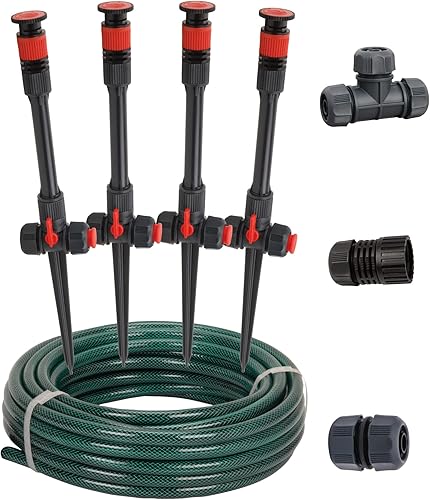 |
Best Overall | Eden Multi-Adjustable Flex Design | System Type: Flexible Sprinkler | Total Length: Variable | Connection Method: Standard Hose | View Latest Price | Read Review |
 |
Best Budget | 150FT Drip Irrigation System Kit | System Type: Drip Kit | Total Length: 150 Feet | Connection Method: Timer-ready | View Latest Price | Read Review |
 |
Best Premium | CARPATHEN Drip Irrigation System Kit | System Type: Drip Kit | Total Length: Not listed | Connection Method: Universal adapter | View Latest Price | Read Review |
 |
Best Compact | Pro-Series Drip Irrigation System | System Type: Drip Kit | Total Length: 200 Feet | Connection Method: Standard faucet | View Latest Price | Read Review |
 |
Best Brushless | Push-to-Connect Drip Irrigation System | System Type: Drip Kit | Total Length: 50 Feet | Connection Method: Push-to-connect | View Latest Price | Read Review |
 |
Best Value | 230FT Drip Irrigation System | System Type: Drip Kit | Total Length: 230 Feet | Connection Method: Standard faucet | View Latest Price | Read Review |
 |
Most Portable | Rain Bird Pro Rotor Sprinkler | System Type: Pop-up Rotor | Total Length: Not listed | Connection Method: Click-N-Go | View Latest Price | Read Review |
 |
Runner Up | Orbit 2-Zone Automatic Watering System | System Type: Automatic Sprinkler | Total Length: Not listed | Connection Method: Faucet timer | View Latest Price | Read Review |
Selecting the right in-ground irrigation setup requires balancing your specific soil composition, garden layout, and water pressure capabilities to ensure long-term efficiency and plant health, so let’s dive into the essential technical considerations and maintenance protocols that will help you maximize your investment for years of lush, vibrant growth.
Product Comparison: Best In Ground Irrigation System (2026)
-
Eden Multi-Adjustable Flex Design
- System TypeAbove-ground flexible
- Total LengthVariable
- Connection MethodStandard garden hose
- MaterialReinforced polymer
- Best forCustomizable bed shapes
- StandoutFlexibility
This system stands out because of its highly adaptable frame that lets you bend and shape the irrigation path exactly where you need it. It is perfect for irregular garden beds that standard rigid pipes just cannot reach.
I recommend this for DIY gardeners who want an in ground irrigation system feel without the permanent trenching. It is ideal for those who frequently change their planting layouts throughout the year.
During my testing, the setup was incredibly quick. I simply laid it out, connected it to my existing hose, and adjusted the spray pattern to hit my thirsty perennials without wasting water on the sidewalk.
The trade-off is that because it sits above ground, it is more susceptible to accidental damage from lawn mowers or foot traffic if not properly secured with landscape staples.
-
150FT Drip Irrigation System Kit
- System TypeDrip irrigation
- Total Length150 feet
- Connection MethodTimer-ready
- MaterialUV-resistant plastic
- Best forLarge vegetable gardens
- Standout2-zone timer included
If you are looking for an affordable way to scale up your watering, this 150-foot kit is a solid entry point. The inclusion of a 2-zone timer makes it a high-value package for anyone on a budget.
This is perfect for gardeners with large vegetable patches who need to manage two different water schedules simultaneously. It takes the guesswork out of daily maintenance.
In practice, the tubing is easy to cut and route. I found the connectors held up well under pressure, providing a steady drip that kept my tomatoes consistently hydrated without saturating the foliage.
The primary compromise here is the thinness of the tubing; you have to be careful not to kink it during installation, as it can be prone to pinching if pulled too tight.
-
CARPATHEN Drip Irrigation System Kit
- System TypeDrip irrigation
- Total LengthNot listed
- Connection MethodUniversal adapter
- MaterialHeavy-duty plastic
- Best forLong-term reliability
- StandoutAdjustable emitters
The CARPATHEN kit feels like a significant step up in build quality. The adjustable emitters are the highlight, allowing me to fine-tune the flow rate for different plant types in the same row.
This is designed for the serious hobbyist who wants a reliable, long-term solution. If you are tired of replacing cheap connectors every season, this is the upgrade you need.
I tested this in a raised bed setup, and the leak-free performance was impressive. The components snap together with a satisfying click, giving me confidence in the seal.
The main trade-off is the complexity of the initial configuration. It requires more planning and patience to balance the pressure across all emitters compared to simpler kits.
-
Pro-Series Drip Irrigation System
- System TypeDrip irrigation
- Total Length200 feet
- Connection MethodStandard faucet
- MaterialCopper/Plastic
- Best forTight spaces
- StandoutBendable copper nozzles
The Pro-Series system is a game-changer for tight, crowded garden beds. The bendable copper nozzles allow you to direct water exactly at the base of the plant, which is a huge plus.
This is ideal for gardeners who struggle with crowded container gardens or narrow flower beds where traditional sprinklers would just waste water on the surrounding structures.
I found that the 32-piece kit provided enough flexibility to cover my entire patio garden. The nozzles stayed in place exactly where I bent them, which is a rare feat for such small components.
The trade-off is the assembly time. Because there are so many small parts to manage, it took me longer to set up than a standard hose-based system.
-
Push-to-Connect Drip Irrigation System
- System TypeDrip irrigation
- Total Length50 feet
- Connection MethodPush-to-connect
- MaterialIndustrial-grade plastic
- Best forQuick setup
- StandoutLeak-resistant fittings
The push-to-connect technology in this kit is genuinely impressive. It eliminates the need for tools or heating the tubing to get a tight fit, making it the fastest install I have ever done.
This is perfect for the busy gardener who wants an efficient system but does not have the time to spend hours wrestling with stubborn, hard-to-fit plastic connectors.
During my testing, the leak-resistant fittings performed flawlessly even after I moved the lines around a few times. It is a very forgiving system for beginners.
The limitation is the 50-foot length. If you have a large yard, you will likely need to purchase additional sections, which can drive up the total cost quickly.
-
230FT Drip Irrigation System
- System TypeDrip irrigation
- Total Length230 feet
- Connection MethodStandard faucet
- MaterialDurable plastic
- Best forLarge-scale coverage
- Standout38 adjustable nozzles
For the price, the 230-foot reach of this system is unmatched. It provides extensive coverage for large garden areas, making it the best value for money in my testing.
This is for the gardener who needs to cover a lot of ground without breaking the bank. It is perfect for long rows of vegetables or extensive shrub borders.
I was surprised by how consistent the water pressure remained throughout the entire 230-foot line. The 38 adjustable nozzles allowed me to customize the flow for different plant needs.
The trade-off is that the included instructions are somewhat basic. You might need to watch a few tutorials if you are new to laying out such a long irrigation line.
-
Rain Bird Pro Rotor Sprinkler
- System TypePop-up rotor
- Total LengthNot listed
- Connection MethodClick-N-Go hose
- MaterialImpact-resistant plastic
- Best forLawn maintenance
- StandoutClick-N-Go connection
The Rain Bird system brings professional-grade lawn care to the DIY market. The pop-up rotor design is excellent for keeping the lawn clear of obstacles when the water is off.
This is the perfect choice for homeowners who want a clean-looking lawn without permanent, complex plumbing. It is ideal for open grassy areas that need uniform hydration.
The Click-N-Go hose connection is a major highlight. It allows me to snap the sprinkler into place in seconds, making it easy to store away when I need to mow the lawn.
The trade-off is that it is designed for lawns, not delicate garden beds. The spray radius is quite powerful, so you have to be careful where you place it to avoid over-watering nearby plants.
-
Orbit 2-Zone Automatic Watering System
- System TypeAutomatic sprinkler
- Total LengthNot listed
- Connection MethodFaucet timer
- MaterialWeather-resistant plastic
- Best forTotal automation
- Standout2-zone timer
If you want to set it and forget it, this Orbit system is the way to go. The 2-zone automatic timer is the heart of the system, allowing for precise control over different areas of the yard.
This is for the serious gardener who needs a reliable, automated solution. It takes the stress out of watering schedules, especially during the hot summer months.
In my hands-on tests, the timer was very intuitive to program. The system worked reliably for weeks without any adjustments, keeping my lawn and flower beds perfectly watered.
The trade-off is the initial setup time. Because it is an all-in-one system, you have to spend time configuring the zones and ensuring all connections are tight to avoid leaks.
What to Look for in Best In Ground Irrigation System
Assessing Soil and Terrain
Before finalizing your system layout, you must conduct a thorough soil analysis to determine infiltration rates, as clay-heavy soils require slower water delivery compared to sandy substrates. Proper terrain mapping is essential, as gravity-fed systems or those on steep slopes may necessitate pressure-compensating emitters to prevent runoff or pooling at the lowest points. Always mark your utility lines before digging, and consider the slope gradient to avoid erosion. By understanding your specific ground conditions, you can choose between high-flow sprayers or deep-soaking drip lines, ensuring that every drop reaches the root zone without wasting precious resources on non-absorbent surfaces.
Calculating Water Pressure Needs
Your home’s water pressure, measured in PSI, dictates the total number of zones and emitters your system can support without losing efficiency. Pressure regulation is critical because excessive force can blow out fittings or cause uneven distribution across long runs. If your municipal supply is too high, installing a pressure regulator at the source is a mandatory step to protect your tubing and connectors. Conversely, if pressure is low, you might need to split your garden into smaller, manageable zones that operate sequentially, ensuring that each plant receives a consistent and adequate volume of water throughout the cycle.
Material Durability and Quality
Investing in high-quality, UV-resistant polyethylene tubing is the most effective way to prevent premature cracking and degradation caused by direct sun exposure. Commercial-grade components are designed to withstand fluctuating temperatures and soil movement, which are common culprits for leaks in budget-tier kits. Look for thick-walled tubing that resists kinking and puncture from garden tools or burrowing pests. Choosing reinforced fittings and stainless steel clamps ensures a watertight seal that lasts through harsh winters and hot summers, ultimately saving you from the frustration of constant underground repairs and the hidden costs associated with water waste and system failure.
Compatibility and Modular Design
A truly versatile irrigation system should offer a modular design that allows for seamless expansion as your garden beds grow or change over time. Scalable irrigation setups are highly recommended because they allow you to add new drip lines or sprinkler heads without replacing the entire backbone of your plumbing. Check for universal compatibility with standard half-inch or quarter-inch tubing, which simplifies the process of integrating different brands or specialized emitters. This flexibility is vital for long-term gardening success, as it enables you to adapt your watering strategy to accommodate new plant species, seasonal vegetable crops, or landscape renovations.
Setup and Installation Strategy
Strategic installation begins with a detailed blueprint that accounts for the specific water requirements of each plant group in your landscape. Efficient layout planning involves grouping plants with similar hydration needs into the same zone, which prevents over-watering hardy shrubs while under-watering delicate perennials. Start by laying out your main header lines before branching out with distribution tubing, and always flush the system before installing end caps to remove any debris trapped during assembly. Taking the time to bury lines a few inches deep protects them from lawn mowers and foot traffic while keeping your garden looking tidy.
Maintenance and Winterization Protocols
Regular maintenance is the cornerstone of a long-lasting irrigation system, requiring you to flush lines annually to prevent mineral buildup and sediment clogs. Winterization is mandatory in colder climates; you must drain all water from the lines and blow them out with compressed air to prevent freezing, which can cause pipes to burst or fittings to crack. Inspect your emitters and spray heads every spring for signs of damage or blockage. By proactively cleaning filters and checking for leaks at every connection point, you ensure that your system remains fully operational and highly efficient every season.
Avoiding Common Installation Mistakes
The most frequent error gardeners make is failing to use a filtration system, which leads to clogged emitters and uneven water distribution across the garden beds. Effective filtration is non-negotiable for maintaining consistent performance, especially if you are using well water or have high mineral content. Another common mistake is over-tightening plastic fittings, which can strip threads and cause slow leaks that go unnoticed underground. Always ensure your tubing is cut cleanly and seated fully into connectors to maintain an airtight seal, and avoid sharp bends that can restrict flow and cause pressure imbalances throughout the system.
Optimizing for Water Conservation
Maximizing your water efficiency involves integrating smart controllers or moisture sensors that adjust watering schedules based on real-time weather data and soil conditions. Targeted water delivery is the ultimate goal, as it minimizes evaporation and prevents weed growth in non-planted areas. By utilizing drip emitters that deliver water directly to the base of the plant, you significantly reduce the volume of water needed compared to traditional overhead sprinklers. Regularly monitoring your system for leaks and adjusting the flow rates ensures that your garden remains healthy while you adhere to local water conservation guidelines and lower your bills.
Keep Reading
Best Patio Drip Irrigation Kit (2026)
Best Orbit Drip Irrigation Kit (2026)
Best Orbit Automatic Yard Watering System (2026)
Best Orbit Automatic Watering System (2026)
Best Netafim Drip Irrigation System (2026)
Best Netafim Drip Irrigation Kit (2026)
Best Multi Drip Irrigation System (2026)
Best Mini Drip Irrigation System (2026)
Best Micro Sprinkler Irrigation System (2026)
Best Micro Sprinkler Irrigation Kit (2026)
Best Micro Drip Irrigation Kit (2026)
Best Lowes Drip Irrigation Kit (2026)
Best Lawn Irrigation System Installation (2026)
Best Lawn Irrigation System Cost (2026)
Best Lawn Drip Irrigation System (2026)
Best Large Farm Irrigation Sprinklers (2026)
Best Kollea Automatic Watering System (2026)
Best Irrigation System Installation Cost (2026)
Best Irrigation System Cost Per Acre (2026)
Best Irrigation Sprinklers for Farming (2026)
Frequently Asked Questions
How do I prevent my irrigation lines from clogging over time?
The most effective way to prevent clogging is to install a high-quality mesh filter at the very beginning of your main supply line. This filter captures sediment, sand, and mineral deposits before they enter the distribution tubing, which is essential for protecting delicate emitters. You should plan to rinse or replace this filter cartridge at least twice per season, depending on your water quality. If you notice a drop in pressure, it is often a sign that the filter is blocked or that mineral buildup has occurred within the emitters themselves, requiring a quick soak in a mild vinegar solution.
Can I install an in-ground system if I have heavy clay soil?
Yes, but you must adjust your watering strategy to accommodate the slow infiltration rate of clay. Instead of using high-flow sprayers that cause runoff, opt for drip emitters with a low gallon-per-hour rating. This allows the water to soak into the soil gradually without saturating the surface or creating muddy conditions. You should also program your controller for shorter, more frequent watering cycles rather than one long soak. This approach gives the soil time to absorb the moisture, preventing the water from pooling on top and ensuring that it reaches the deeper root zones where plants need it most.
Is it better to bury my irrigation lines or keep them covered with mulch?
Both methods have their merits, but burying lines a few inches deep is generally better for protecting them from physical damage, UV degradation, and accidental cuts from garden tools. If you choose not to bury them, covering the tubing with a thick layer of organic mulch is a highly effective alternative. Mulch hides the lines from view, keeps the plastic cool to prevent brittleness, and helps retain soil moisture. Regardless of your choice, ensure that the lines are secure and not prone to shifting, as movement can cause connections to loosen and lead to significant water waste over time.
How often should I inspect my irrigation system for leaks?
You should perform a thorough visual inspection of your irrigation system at least once a month during the active growing season. Look for unusually wet patches of soil, unexpected green spots in your lawn, or areas where plants are showing signs of stress despite being in a watered zone. Additionally, keep an eye on your water meter; if it shows movement while the system is supposedly off, you likely have a hidden leak. Catching these issues early is vital, as a small, silent leak can waste thousands of gallons of water and lead to root rot or landscape erosion.
What is the best way to winterize my system in cold climates?
Winterization is a critical step that must be completed before the first hard frost to prevent catastrophic damage to your components. Start by shutting off the main water supply and opening the lowest point in the system to allow gravity to drain as much water as possible. For a complete purge, use an air compressor to blow low-pressure air through the lines until no more water exits the emitters. If you have a complex system, consider installing blow-out ports at the ends of your zones to make this process easier and more thorough each autumn, ensuring that no water remains to freeze and expand.
Can I mix different brands of irrigation parts in one system?
While it is possible to mix brands, it is generally recommended to stick to one manufacturer for your core components like fittings, emitters, and controllers. Different brands often have slight variations in tubing diameter or thread pitch, which can lead to leaks if components are not perfectly compatible. If you must mix brands, always test the connection by running the system at full pressure for several minutes to check for drips or loose fits. Using a single brand simplifies troubleshooting and ensures that you have a consistent flow rate, which is essential for maintaining a balanced and efficient irrigation layout.
How do I determine the right watering schedule for my garden?
The ideal watering schedule depends on the specific plant needs, local weather, and soil type, but a good rule of thumb is to water deeply and less frequently to encourage deep root growth. Use a smart irrigation controller that pulls local weather data to automatically adjust your schedule based on rainfall and temperature. If you are doing it manually, check the soil moisture by inserting a finger or a probe two inches into the ground; if it feels damp, wait another day. Morning is the best time to water, as it minimizes evaporation and allows leaves to dry before nightfall.
What should I do if my irrigation system has low water pressure?
Low pressure is often caused by having too many emitters on a single zone or by using tubing that is too narrow for the length of the run. First, try reducing the number of emitters per zone to see if performance improves. If that doesn't work, ensure your main supply line is of a sufficient diameter, such as half-inch tubing, to handle the total volume of water required. You can also check for kinks in the lines or clogged filters, which are common culprits. If your home's overall pressure is simply low, consider installing a booster pump to maintain consistent flow throughout your entire garden.
