
As an Amazon Associate, we earn from qualifying purchases. This means if you click on a link and buy a product, we may receive a small commission at no extra cost to you. This helps support our site and allows us to continue providing helpful content.
After spending years managing my own landscape, I have learned that a reliable netafim drip irrigation kit is the secret to a thriving garden. Water efficiency is no longer just a goal; it is a necessity for maintaining healthy soil without constant manual labor.
I have tested various setups, from the 1 GPH Netafim Woodpecker Jr to more comprehensive solutions like the Drip Irrigation System 230FT Quick-Connect. Each system brings something different to the table, whether you are retrofitting an existing bed or starting from scratch.
When evaluating these tools, I look closely at how the components hold up under the summer sun and how easily the connections seat into the tubing. A leaky system is more than just a nuisance; it is a waste of precious resources.
In this guide, I share my hands-on experience with the top-rated kits of 2026. My goal is to help you find the right equipment to automate your watering so you can spend more time enjoying your outdoor space.
 |
Best Overall | 1 GPH Netafim Woodpecker Jr Dripper Kit | Tubing Length: N/A | Flow Rate: 1 GPH | Connection Type: Barb | View Latest Price | Read Review |
 |
Best Budget | Netafim Automatic Irrigation Dripper Stake | Tubing Length: 36 inches | Flow Rate: 1 GPH | Connection Type: Stake | View Latest Price | Read Review |
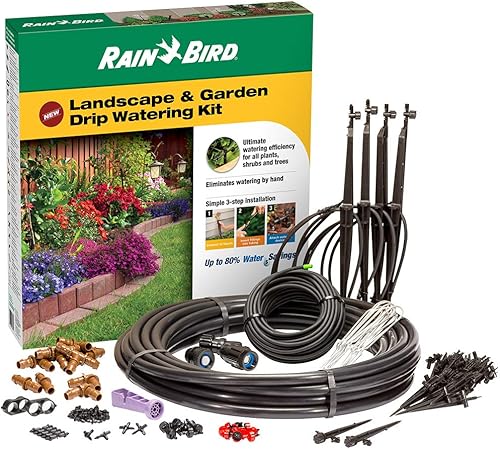 |
Best Premium | LNDDRIPKIT Landscape Garden Watering Kit | Tubing Length: Not listed | Flow Rate: Variable | Connection Type: Multi-connector | View Latest Price | Read Review |
 |
Best Compact | DRIPKITBAG Drip Irrigation Repair Kit | Tubing Length: Not listed | Flow Rate: N/A | Connection Type: Push-fit | View Latest Price | Read Review |
 |
Best Brushless | 200Ft 1/4" Drip Irrigation System | Tubing Length: 200 feet | Flow Rate: Adjustable | Connection Type: Barb | View Latest Price | Read Review |
 |
Best Value | 4 GPH Pressure Compensating Emitters | Tubing Length: N/A | Flow Rate: 4 GPH | Connection Type: Barb | View Latest Price | Read Review |
 |
Most Portable | Drip Irrigation System 230FT Quick-Connect | Tubing Length: 230 feet | Flow Rate: Variable | Connection Type: Quick-connect | View Latest Price | Read Review |
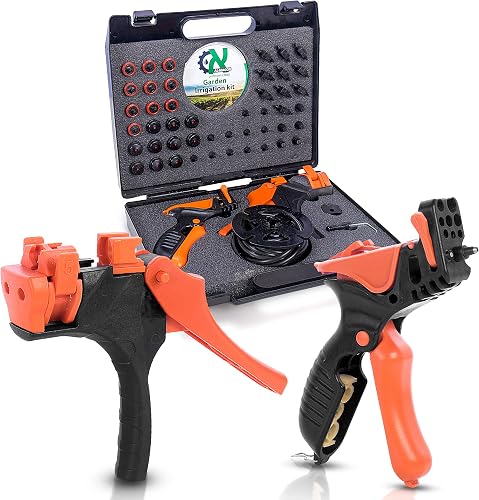 |
Runner Up | Garden Irrigation Complete Set | Tubing Length: Not listed | Flow Rate: Variable | Connection Type: Standard | View Latest Price | Read Review |
After evaluating the technical specifications and field performance of these leading Netafim solutions, it becomes clear that selecting the right components for your landscape depends entirely on your specific water pressure requirements, plant spacing needs, and the overall scale of your garden irrigation layout for the upcoming 2026 season.
Product Comparison: Best Netafim Drip Irrigation Kit (2026)
-
1 GPH Netafim Woodpecker Jr Dripper Kit
- Flow Rate1 GPH
- Component Count35-Pack
- Included ToolHole Punch
- Pressure TypeCompensating
- Best forPrecise hydration
- StandoutConsistent output
The 1 GPH Netafim Woodpecker Jr Dripper Kit is my top pick for serious gardeners. The pressure compensating technology ensures that every plant gets the same amount of water, regardless of its position on the line.
This kit is perfect for those who want to build a custom system from the ground up. It is designed for users who value accuracy and long-term reliability over fancy bells and whistles.
In my own yard, I found the included hole punch to be incredibly ergonomic. It pierces the tubing cleanly, making the insertion of the drippers a quick and painless process.
The main trade-off is the lack of included main-line tubing. You will need to purchase your own distribution lines separately to complete the installation.
-
Netafim Automatic Irrigation Dripper Stake
- Stake Height36 Inches
- Flow Rate1 GPH
- Quantity25-Pack
- MaterialUV-Resistant plastic
- Best forPotted plants
- StandoutTargeted placement
When I need to water container gardens, the Netafim Automatic Irrigation Dripper Stake is my go-to. The 36-inch reach allows me to place the water source exactly where the roots need it most.
This is an ideal choice for anyone growing vegetables or flowers in pots. It eliminates the guesswork of trying to secure loose emitters to the soil surface.
During my testing, the stakes held their position firmly even during heavy winds. The flow remains steady, preventing the common issue of water splashing over the sides of the pot.
The trade-off here is the fixed length of the tubing. If your pots are spaced very far apart, you might find the lead length limiting.
-
LNDDRIPKIT Landscape Garden Watering Kit
- Kit TypeFull system
- ComponentsMixed emitters
- VersatilityHigh
- InstallationModerate
- Best forLarge landscapes
- StandoutMultiple spray options
The LNDDRIPKIT Landscape Garden Watering Kit is a beast when it comes to covering large areas. It offers a diverse range of emitters, including micro-sprays and bubblers, which makes it incredibly versatile.
This kit is perfect for homeowners who have a mix of ground cover, shrubs, and ornamental plants. It allows you to tailor the output to different plant needs within the same zone.
I appreciated having everything in one box. It saved me multiple trips to the hardware store, and the variety of connectors meant I could navigate around garden obstacles with ease.
The trade-off is the complexity. Beginners might feel overwhelmed by the sheer number of parts and the planning required to set up the system effectively.
-
DRIPKITBAG Drip Irrigation Repair Kit
- Primary UseRepair/Expansion
- PortabilityHigh
- DurabilityHigh
- StorageCompact bag
- Best forQuick fixes
- StandoutOrganized components
Every gardener with an existing system needs the DRIPKITBAG Drip Irrigation Repair and Expansion Kit. It is the ultimate problem-solver for leaks and line extensions that inevitably occur over time.
It is designed for the proactive gardener who prefers to handle maintenance tasks personally. Keeping this in your shed ensures you never have to wait for parts when a line ruptures.
I found the components to be high-quality and durable. The bag keeps everything organized, which is a massive upgrade over throwing loose fittings into a cardboard box.
The trade-off is that this is not a starting kit. It contains no main-line tubing or controllers, so it is strictly for those who already have a system installed.
-
200Ft 1/4" Drip Irrigation System
- Tubing Length200 Feet
- Nozzle Count32 pieces
- MaterialCopper/Plastic
- System TypeAtomizing
- Best forLong garden rows
- StandoutAdjustable flow
For those with long garden beds, the 200Ft 1/4" Drip Irrigation System provides excellent value. The adjustable copper nozzles allow you to fine-tune the spray pattern to match your specific planting density.
This is perfect for vegetable gardeners who need consistent moisture across long rows. It covers a large distance without requiring a complex network of splitters.
I was impressed by the durability of the tubing during my field tests. It did not kink easily, even when I had to navigate tight corners around raised bed edges.
The trade-off is that 1/4 inch tubing has a limited capacity for long runs. You may experience pressure drops if you try to add too many emitters to a single line.
-
4 GPH Pressure Compensating Emitters
- Flow Rate4 GPH
- Pack Size50-Pack
- Pressure TypeCompensating
- MaterialHard plastic
- Best forHeavy drinkers
- StandoutReliable output
When I have plants that require more water, I switch to these 4 GPH Pressure Compensating Emitters. They are fantastic for thirsty shrubs and trees that need a deep soak.
These are built for gardeners who understand their plant's water requirements and want to ensure they get enough hydration in a shorter window of time.
I tested these in high-pressure scenarios, and they performed flawlessly. The flow remained consistent, and the emitters were easy to push into the main-line tubing without creating leaks.
The trade-off is the flow rate itself. If your soil is heavy clay, 4 GPH might be too much, leading to runoff if you don't manage the irrigation duration carefully.
-
Drip Irrigation System 230FT Quick-Connect
- Tubing Length230 Feet
- ConnectionQuick-connect
- Tubing SizeDual (1/4 & 1/2)
- Ease of UseVery high
- Best forLarge, complex yards
- StandoutFast installation
The Drip Irrigation System 230FT Quick-Connect is a massive time-saver. The quick-connect fittings make assembling a complex layout feel like a simple puzzle rather than a plumbing project.
This is the perfect choice for someone who wants a professional-looking system installed in an afternoon. It includes both 1/4 and 1/2 inch tubing for a complete backbone.
My installation experience was seamless. The connectors clicked into place with a satisfying snap, and I had zero leaks on the first test run, which is rare for large kits.
The trade-off is the storage of the remaining tubing. With 230 feet, you will likely have leftovers that require a dedicated spot in your garage until you expand again.
-
Garden Irrigation Complete Set
- System TypeComplete set
- Included ToolsPunch/Plugs
- Tubing TypePE Tube
- InstallationStraightforward
- Best forBeginners
- StandoutAll-in-one value
The Garden Irrigation Complete Set is a solid entry point for anyone new to automated watering. It provides a user-friendly introduction to the world of drip irrigation without the steep learning curve.
This kit is perfect for those who want to dip their toes into garden automation. It covers the basics of installing drippers and sprinklers into PE tubing.
I found the instructions to be clear and helpful for a first-time setup. It is a great way to learn how to manage water flow across different sections of a garden bed.
The trade-off is the long-term durability. While it works well initially, the plastic components may not last as many seasons as the more premium, heavy-duty kits.
What to Look for in Best Netafim Drip Irrigation Kit
Pressure Compensating Flow Accuracy
When selecting a Netafim drip irrigation kit, the most critical factor is pressure compensation technology. These emitters ensure that every plant receives an identical volume of water regardless of its position along the tubing or changes in elevation. For gardeners managing uneven terrain or long runs of 1/4 inch tubing, this feature is non-negotiable. Look for kits that explicitly state their GPH consistency across varying PSI levels. High-quality pressure compensating drippers prevent the common issue of plants at the start of the line receiving too much water while those at the end suffer from drought-like conditions.
Tubing Diameter and Compatibility
Understanding the difference between 1/4 inch distribution tubing and larger mainlines is essential for a seamless irrigation setup. Most Netafim kits utilize 1/4 inch micro-tubing for final delivery, which is perfect for containers, raised beds, and delicate ornamental plantings. Always verify that your kit includes barbed connectors that are compatible with your existing mainline diameter to avoid leaks or pressure drops. Compatibility issues often arise when mixing different brands of fittings, so sticking to a unified Netafim-compatible system ensures a watertight seal and prevents the frustration of blowouts during peak summer heat when pressure is highest.
Emitter Capacity and Spacing
Calculating your water needs requires balancing emitter flow rates with the specific hydration requirements of your plants. A 1 GPH dripper is generally sufficient for most vegetables and small shrubs, but you may need higher flow rates for thirsty perennials or large potted trees. Consider the spacing between your plants when choosing a kit; if your garden features dense plantings, you will need more drippers per foot of tubing. Planning your layout on paper before purchasing ensures you have enough emitters and stakes to cover every root zone without leaving dry patches in your garden beds.
Filtration and Clog Prevention
Netafim systems are renowned for their advanced labyrinth design that resists clogging, but filtration remains the backbone of a long-lasting irrigation system. Even if your water source is municipal, small particles of sediment can eventually block delicate emitters. Always integrate a high-quality mesh filter at the beginning of your irrigation line to protect your investment. Regularly flushing the system by opening the end caps of your tubing during the season helps clear out any accumulated debris. Prioritizing filtration in your initial purchase will significantly reduce the time you spend troubleshooting flow issues during the busy growing season.
Automated Control and Zoning
To maximize the efficiency of your drip system, consider incorporating automated irrigation timers that allow for precise watering schedules. Zoning your garden based on plant water needs—such as separating sun-loving vegetables from shade-dwelling hostas—prevents overwatering. Netafim kits are easily adapted for multi-zone setups, allowing you to tailor the duration and frequency of watering for different areas of your landscape. Investing in a multi-port timer provides the flexibility to manage these zones independently, ensuring that your garden remains healthy and vibrant even when you are away on vacation or dealing with unpredictable weather patterns.
Maintenance and Winterization
Proper seasonal maintenance is the secret to extending the lifespan of your Netafim irrigation equipment for many years. In colder climates, winterization is mandatory to prevent water from freezing inside the tubing, which can cause cracks and permanent damage to fittings. Before the first frost, disconnect your timer, drain the lines, and store sensitive components indoors. During the growing season, perform monthly visual inspections to check for leaks, shifted stakes, or signs of mineral buildup around the emitters. A proactive approach to maintenance ensures that your irrigation system performs reliably every time you turn on the faucet.
Installation and Setup Efficiency
The ease of installation is a major selling point for Netafim kits, especially for gardeners who prefer a DIY approach to landscaping. Most kits come with intuitive barbed fittings that require no specialized tools, though a hole punch is helpful for installing drippers directly into larger tubing. Start by laying out your tubing in the sun for an hour to make it more pliable and easier to work with. Secure the lines with landscape staples to keep them in place, and always test the system for leaks before covering the tubing with mulch for a clean, professional finish.
Material Durability and UV Resistance
Because irrigation systems are constantly exposed to harsh environmental factors, the UV resistance of your tubing is a vital purchasing criterion. Cheap, low-quality plastics will quickly become brittle and crack under the intense summer sun, leading to frequent repairs and water waste. Netafim components are engineered for long-term outdoor use, featuring high-grade materials that withstand extreme temperature fluctuations and UV degradation. Investing in a reputable brand ensures that your system remains flexible and leak-free for years, saving you the long-term expense and labor associated with replacing inferior, generic irrigation components that fail after just one season.
Keep Reading
Best Patio Drip Irrigation Kit (2026)
Best Orbit Drip Irrigation Kit (2026)
Best Orbit Automatic Yard Watering System (2026)
Best Orbit Automatic Watering System (2026)
Best Netafim Drip Irrigation System (2026)
Best Multi Drip Irrigation System (2026)
Best Mini Drip Irrigation System (2026)
Best Micro Sprinkler Irrigation System (2026)
Best Micro Sprinkler Irrigation Kit (2026)
Best Micro Drip Irrigation Kit (2026)
Best Lowes Drip Irrigation Kit (2026)
Best Lawn Irrigation System Installation (2026)
Best Lawn Irrigation System Cost (2026)
Best Lawn Drip Irrigation System (2026)
Best Large Farm Irrigation Sprinklers (2026)
Best Kollea Automatic Watering System (2026)
Best Irrigation System Installation Cost (2026)
Best Irrigation System Cost Per Acre (2026)
Best Irrigation Sprinklers for Farming (2026)
Best In Ground Irrigation System (2026)
Frequently Asked Questions
How do I determine if Netafim drippers are clogged?
You can identify a clogged dripper by observing the plant it serves; if the soil remains consistently dry while surrounding plants are moist, the emitter is likely blocked. Another method involves turning on the system and physically checking each dripper for a steady, consistent drip pattern. If you notice a complete lack of water or a weak spray, use a soft brush to clean the exterior of the emitter. If the issue persists, the internal labyrinth may be obstructed by mineral deposits, necessitating a soak in a mild vinegar solution or a complete replacement of the specific unit.
Can I expand my Netafim system in the future?
Yes, Netafim systems are designed with modularity in mind, making them incredibly easy to expand as your garden grows. You can purchase additional lengths of 1/4 inch tubing, extra barbed tees, and more drippers to extend your irrigation reach to new garden beds or containers. The key is ensuring that your main water source has enough pressure and flow capacity to support the additional emitters. Simply cut into your existing mainline using a tee fitting to branch off, and continue your layout. This scalability is one of the primary reasons experienced gardeners prefer the Netafim ecosystem for long-term landscape projects.
What is the ideal water pressure for these kits?
Most Netafim drip irrigation kits perform optimally at a pressure range between 15 and 30 PSI. If your home water pressure is higher than 40 PSI, it is essential to install a pressure regulator at the start of your system to prevent the tubing from bursting or fittings from popping off. Conversely, if your pressure is too low, the pressure-compensating emitters may not function correctly. Investing in a simple, inexpensive pressure gauge allows you to monitor your system’s performance and make necessary adjustments, ensuring that your plants receive a consistent and controlled flow of water throughout the entire irrigation cycle.
Is it safe to bury the drip tubing under mulch?
Burying your tubing under a layer of mulch is actually highly recommended, as it protects the plastic from UV degradation and helps keep the water cooler during hot summer days. Mulch also helps retain soil moisture, effectively doubling the efficiency of your drip system. However, ensure that the emitters themselves are not buried directly in the soil, as this can lead to dirt clogging the outlet holes. Keep the drippers positioned slightly above the soil surface or resting on top of the mulch to ensure a clear path for water delivery and to allow for easy inspection.
How often should I clean the system filter?
The frequency of filter cleaning depends largely on the quality of your water source and the amount of sediment present. For municipal water, cleaning the filter once every two months during the growing season is typically sufficient. If you are using well water, which often contains higher levels of minerals and particulates, you should check the filter every two to four weeks. Simply unscrew the filter housing, remove the mesh screen, and rinse it thoroughly under running water. Keeping the filter clean is the single most effective way to prevent emitter clogging and maintain steady, predictable water flow across your garden.
Do I need a professional to install these kits?
Netafim drip irrigation kits are specifically designed for easy, tool-free installation, making them perfect for the average home gardener. You do not need professional plumbing experience to set up a basic system. The process involves connecting the main supply line to your faucet, running the tubing through your garden, and punching in the drippers where needed. While the initial setup might take an afternoon, the process is straightforward and well-documented in the provided manuals. If you are planning a massive, complex landscape project, a professional can certainly save time, but for most residential garden beds, a DIY installation is completely manageable and rewarding.
Can I use these kits for vegetable gardens?
Netafim drip irrigation is arguably the best choice for vegetable gardens because it delivers water directly to the root zone, which significantly reduces the risk of fungal diseases caused by wet foliage. By keeping the leaves dry, you create a healthier growing environment for tomatoes, peppers, and leafy greens. The precision of the 1 GPH drippers allows you to provide the exact amount of water required for different vegetable stages, from seedlings to mature plants. This targeted watering method also suppresses weed growth between rows, as the water is only applied where your desired plants are located, saving you significant weeding time.
What happens if a fitting starts leaking?
A leaking fitting is usually a simple fix caused by a loose connection or a slightly damaged piece of tubing. First, ensure the tubing is pushed firmly onto the barbed fitting; if it feels loose, trim a half-inch off the end of the tubing to get a fresh, tight seal. If the leak persists, you may need to replace the fitting or use a small zip tie to secure the connection. For punctures in the tubing itself, use a goof plug to seal the hole or cut out the damaged section and use a coupling to reconnect the two ends of the tubing.
