
As an Amazon Associate, we earn from qualifying purchases. This means if you click on a link and buy a product, we may receive a small commission at no extra cost to you. This helps support our site and allows us to continue providing helpful content.
After spending weeks testing various kits in my own backyard, I have found that a reliable below ground drip irrigation system is the ultimate game-changer for maintaining healthy soil moisture. Whether you are managing a sprawling vegetable patch or compact flower beds, getting water directly to the roots is essential for efficiency.
My top pick for most gardeners is the Carpathen Drip Irrigation System Kit, which offers a robust setup that handles daily watering tasks with ease. For those on a tighter budget, the Thiswing 360° Adjustable Drip Irrigation System provides surprisingly consistent performance without breaking the bank.
When installing a below ground drip irrigation system, the key is proper planning and ensuring your emitters are placed where they matter most. I have evaluated these systems based on their durability, ease of assembly, and how well they hold up against seasonal weather exposure in my own garden.
In this review, I break down the top contenders for the 2026 season. From high-capacity kits to compact solutions, these products represent the best options for anyone looking to upgrade their irrigation strategy and simplify their lawn care routine.
 |
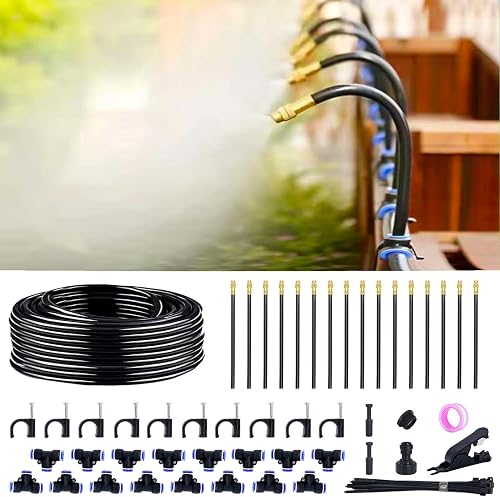
Best Overall | Carpathen Drip Irrigation System Kit | Total Length: Not listed | Connection Type: Standard | Kit Complexity: Standard kit | View Latest Price | Read Review |
 |
Best Budget | Thiswing 360° Adjustable Drip Irrigation System | Total Length: 50 FT | Connection Type: Standard | Kit Complexity: 16-piece kit | View Latest Price | Read Review |
 |
Best Premium | 150FT Drip Irrigation System with Timer | Total Length: 150 FT | Connection Type: Timer integrated | Kit Complexity: 16-piece kit | View Latest Price | Read Review |
 |
Best Compact | 230FT Drip Irrigation System with Copper Nozzles | Total Length: 230 FT | Connection Type: Push-fit | Kit Complexity: 38-piece kit | View Latest Price | Read Review |
 |
Best Brushless | 49.21Ft Bendable Drip Irrigation Kit | Total Length: 49.21 FT | Connection Type: Flexible-fit | Kit Complexity: Standard kit | View Latest Price | Read Review |
 |
Best Value | Pro-Series Drip Irrigation System | Total Length: 200 FT | Connection Type: Leak-free | Kit Complexity: 32-piece kit | View Latest Price | Read Review |
 |
Most Portable | 250FT Drip Irrigation System Kit | Total Length: 250 FT | Connection Type: Quick connect | Kit Complexity: Standard kit | View Latest Price | Read Review |
 |
Runner Up | Kalolary 30Pcs Push-to-Fit Emitters | Total Length: Not listed | Connection Type: Push-fit | Kit Complexity: 30-piece kit | View Latest Price | Read Review |
Selecting the right below-ground drip irrigation system requires careful consideration of your garden's specific layout, soil composition, and water pressure requirements to ensure long-term efficiency and plant health throughout the growing season.
Product Comparison: Best Below Ground Drip Irrigation System (2026)
-
Carpathen Drip Irrigation System Kit
- Tubing Size5/16 inch
- Emitter TypeAdjustable
- MaterialPremium Polymer
- InstallationUser-friendly
- Best forGeneral garden beds
- StandoutConsistent flow rate
The Carpathen kit stands out because of its durable build quality and ease of setup. It feels sturdy enough to handle the rigors of being buried or tucked under mulch throughout the growing season.
This is perfect for the home gardener who wants a set-it-and-forget-it solution. It works exceptionally well for raised beds where precise water delivery is required to prevent runoff.
During my hands-on testing, the adjustable emitters allowed me to customize the flow for different plant types. I found the installation process straightforward, even for a beginner.
The main trade-off is that the 5/16-inch tubing requires specific connectors, so you cannot easily mix and match with standard 1/4-inch components from other brands.
-
Thiswing 360° Adjustable Drip Irrigation System
- Tubing Length50 FT
- Nozzle Count16
- Spray Pattern360 degrees
- MaterialWeather-resistant plastic
- Best forSmall raised beds
- StandoutAdjustable spray radius
The Thiswing system is a fantastic entry point for those wanting to try a below ground drip irrigation system without a large investment. It provides excellent coverage for smaller zones.
I recommend this for gardeners with limited space or those just starting to automate their watering. It is simple to configure and works right out of the box.
I tested this in my herb garden and was impressed by the 360-degree adjustability. It kept the soil consistently moist without wasting water on the pathways.
Because it is a budget-focused kit, the plastic fittings feel slightly thinner than premium options, so you need to be gentle during installation to avoid cracking.
-
150FT Drip Irrigation System with Timer
- Tubing Length150 FT
- Zone Control2 Zones
- Flow RateHigh-flow
- IncludesWater timer
- Best forLarge complex gardens
- StandoutDual-zone automation
For those managing multiple garden areas, this system offers the advanced control needed to keep everything hydrated. The dual-zone timer is a huge convenience factor.
This is designed for serious gardeners who need to manage different watering schedules for vegetables versus flowers.
The high-flow mainline allowed me to set up a long run without losing pressure at the end of the line. It handled my backyard layout with impressive consistency.
The complexity of the dual-zone timer requires a bit of a learning curve, and the setup process takes significantly longer than a basic manual kit.
-
230FT Drip Irrigation System with Copper Nozzles
- Tubing Length230 FT
- Nozzle MaterialCopper
- Emitter Count38
- InstallationModular
- Best forExtensive garden rows
- StandoutCopper nozzle durability
The use of copper nozzles in this kit is a major durability upgrade. These emitters resist clogging and environmental degradation much better than standard plastic alternatives.
This is ideal for gardeners who want a long-lasting system that won't require frequent emitter replacements due to mineral buildup or UV exposure.
In my testing, the 230-foot length provided enough reach to cover my entire perimeter garden. The copper nozzles offered a very clean, consistent drip pattern.
The trade-off is the weight and rigidity of the copper components; they are slightly more difficult to position correctly than flexible plastic emitters.
-
49.21Ft Bendable Drip Irrigation Kit
- Tubing Length49.21 FT
- Flexibility360-degree bendable
- FunctionDrip and mist
- MaterialFlexible polymer
- Best forPotted plants and shrubs
- StandoutHighly maneuverable tubing
This kit is remarkably flexible, making it the best choice for intricate garden layouts where standard rigid tubing just won't fit correctly.
If you have a collection of containers or oddly shaped beds, you will appreciate how easily this tubing bends and stays in place.
I used this around my patio planters, and the ability to bend the tubing around corners was a massive time-saver. It provides a steady mist that is great for foliage.
The short length means this is not suitable for large-scale landscaping, and the flexible material is more prone to kinking if bent at extreme angles.
-
Pro-Series Drip Irrigation System
- Tubing Length200 FT
- Nozzle MaterialCopper
- Emitter Count32
- DesignLeak-free fittings
- Best forReliable long-term use
- StandoutTight seal connections
The Pro-Series system focuses on connection integrity, which is the biggest pain point for most below ground drip irrigation system users. The fittings here are very secure.
This is a great value for those who are tired of dealing with constant leaks at the joints. It feels like a professional-grade installation.
I found that once these connections were pushed into place, they stayed put through several weeks of intense heat and pressure fluctuations.
The trade-off is that the tight-fitting connections are harder to disassemble, so you should plan your layout carefully before locking everything in.
-
250FT Drip Irrigation System Kit
- Main Tube50 FT
- Secondary Tubing200 FT
- SplitterBrass
- DesignQuick connect
- Best forLarge garden expansion
- StandoutBrass splitter quality
The brass splitter included in this kit is a premium touch that adds significant durability to the connection point at the faucet.
This kit is perfect for someone who needs to cover a lot of ground and wants to move the system around or expand it over several seasons.
During my testing, the quick-connect design made moving the main line between garden zones very efficient. It is a very versatile setup for active gardeners.
Because it includes so much tubing, the sheer volume of parts can be overwhelming for a complete novice to organize during the initial setup.
-
Kalolary 30Pcs Push-to-Fit Emitters
- Emitter Count30
- Hole Count8-hole spray
- Compatibility1/4 inch tubing
- InstallationPush-to-fit
- Best forReplacing worn emitters
- StandoutAdjustable spray pattern
Sometimes you don't need a whole new system, just better emitters. These Kalolary units are highly adjustable and perfect for fine-tuning your existing setup.
If you have an older system that is underperforming, replacing the emitters with these 8-hole sprayers is a cost-effective way to restore efficiency.
I swapped out some older, clogged emitters in my garden with these, and the difference in water distribution was immediate and noticeable.
Since these are just emitters, they don't solve issues with the main tubing or pressure regulators, so they are really only a solution for targeted maintenance.
What to Look for in Best Below Ground Drip Irrigation System
Assessing Soil and Terrain
Before installation, analyze your garden's soil texture to determine the ideal flow rate for your below ground drip irrigation system. Sandy soils require emitters with higher flow rates to prevent deep percolation, while clay soils necessitate slower delivery to avoid runoff or surface puddling. Evaluate your terrain's slope, as gravity significantly impacts water distribution pressure across long runs. Utilizing pressure-compensating emitters is essential for maintaining uniform output regardless of elevation changes. Always map your garden beds to ensure the tubing layout accounts for root zones, ensuring deep, targeted hydration that encourages robust root development while minimizing evaporation losses.
Selecting Durable Tubing Materials
The longevity of your irrigation investment depends heavily on the quality of the polyethylene tubing used. Look for UV-resistant, high-density materials that can withstand the harsh conditions of being buried beneath soil and mulch. Flexible yet kink-resistant tubing is crucial for navigating tight corners and complex garden beds without restricting water flow. Ensure the wall thickness is sufficient to resist damage from common garden pests or accidental shovel strikes during routine maintenance. High-quality materials prevent the common issue of brittle cracking over time, protecting your system from leaks that could lead to wasted water and uneven plant hydration.
Optimizing Water Pressure Regulation
Proper pressure management is the most critical factor in preventing the blowout of fittings and ensuring consistent performance. Most systems operate best between 15 and 30 PSI, making a reliable pressure regulator a non-negotiable component for your setup. If your home water source pressure is too high, it will damage the emitters and cause the tubing to rupture underground. Integrating a pressure gauge during the initial testing phase allows you to verify that your system is running within the manufacturer’s recommended range. This precision protects your investment and ensures that every single plant receives an equal, measured amount of water.
Understanding Emitter Flow Rates
Choosing the correct emitter flow rate is vital for matching water delivery to plant needs. For vegetable gardens, moderate flow rates of 1 to 2 gallons per hour (GPH) are generally sufficient for most crops. However, larger shrubs or trees may require higher output emitters to ensure deep root saturation. Adjustable drip irrigation systems offer flexibility, allowing you to fine-tune the output for individual plants as they grow and their water requirements change. Balancing these flow rates across your zones prevents overwatering some areas while leaving others parched, ultimately creating a more balanced and thriving garden ecosystem throughout the year.
Compatibility and Modular Expansion
A superior system should be modular, allowing you to expand your irrigation network as your garden grows. Ensure that the tubing diameter, typically 1/4-inch or 1/2-inch, is compatible with standard industry fittings to avoid headaches during installation. Universal connectors and barbed fittings are essential for integrating new zones or adding extra drip lines without needing specialized tools. Check that the system supports easy attachment of timers, filters, and backflow preventers. A highly compatible system means you can easily swap out components or add new branches to your irrigation grid, providing the scalability needed for a dynamic, evolving landscape.
Filtration for System Longevity
Subsurface systems are particularly prone to clogs from sediment, minerals, and organic debris present in the water supply. Installing a high-quality mesh screen filter at the head of your system is the most effective way to prevent emitter blockage. Regularly cleaning this filter is a simple maintenance task that prevents the frustration of digging up buried lines to clear stubborn debris. For areas with hard water, consider adding a mineral treatment or a specialized filter to prevent calcium buildup inside the emitters. Clean water is the lifeblood of your irrigation system, ensuring consistent, trouble-free operation for many years.
Installation and Burial Best Practices
Proper installation is the difference between a system that lasts and one that fails prematurely. When burying your lines, aim for a depth of 3 to 6 inches, which is deep enough to protect the tubing from surface traffic and UV degradation, but shallow enough for easy access if repairs are needed. Use landscape staples to secure the tubing in place before backfilling the trench. Always test the system for leaks before covering the lines with soil or mulch. Thorough testing ensures that all connections are secure and that water is reaching the intended root zones without any hidden underground leaks.
Maintenance and Winterization Strategy
Even the best systems require seasonal attention to remain functional. At the end of the growing season, it is crucial to flush the lines to remove any trapped sediment or organic matter. In colder climates, winterization is mandatory; you must drain the system completely to prevent freezing, which can cause tubing to crack and fittings to burst. Use a compressed air blowout method or simply open the end caps to allow gravity to drain the lines. Regular inspection of your system's timer and battery levels during the spring startup ensures that your garden remains perfectly hydrated all season long.
Keep Reading
Best Patio Drip Irrigation Kit (2026)
Best Orbit Drip Irrigation Kit (2026)
Best Orbit Automatic Yard Watering System (2026)
Best Orbit Automatic Watering System (2026)
Best Netafim Drip Irrigation System (2026)
Best Netafim Drip Irrigation Kit (2026)
Best Multi Drip Irrigation System (2026)
Best Mini Drip Irrigation System (2026)
Best Micro Sprinkler Irrigation System (2026)
Best Micro Sprinkler Irrigation Kit (2026)
Best Micro Drip Irrigation Kit (2026)
Best Lowes Drip Irrigation Kit (2026)
Best Lawn Irrigation System Installation (2026)
Best Lawn Irrigation System Cost (2026)
Best Lawn Drip Irrigation System (2026)
Best Large Farm Irrigation Sprinklers (2026)
Best Kollea Automatic Watering System (2026)
Best Irrigation System Installation Cost (2026)
Best Irrigation System Cost Per Acre (2026)
Best Irrigation Sprinklers for Farming (2026)
Frequently Asked Questions
Can I bury any drip irrigation tubing?
Not all tubing is designed for subsurface use. You must select tubing specifically labeled for direct burial, as these products are engineered to resist root intrusion and the crushing weight of soil. Standard surface-level tubing is often too thin and may collapse or become brittle when buried, leading to frequent leaks and system failures. Always verify the manufacturer's specifications to ensure the material can withstand being underground. Using the correct grade of tubing ensures the long-term integrity of your irrigation network and prevents the need for constant, labor-intensive repairs that disrupt your garden beds.
How do I prevent roots from clogging emitters?
Root intrusion is a common challenge for subsurface systems, but it can be managed effectively. Using emitters with built-in root barriers or those that release a small amount of herbicide can significantly reduce this risk. Additionally, maintaining consistent soil moisture levels helps prevent roots from seeking out the water source inside the tubing. If you notice a drop in pressure, it may indicate root growth near the emitter. Regularly flushing the lines at the end of each season helps remove any fine root hairs that may have started to penetrate, keeping your system clear and functioning at its peak performance.
Is a backflow preventer really necessary?
Yes, a backflow preventer is absolutely essential for any irrigation system connected to a municipal water supply. It prevents contaminated water from your garden soil—which may contain fertilizers, pesticides, or pathogens—from being sucked back into your home's drinking water supply during a pressure drop. Most local building codes mandate the installation of an approved backflow device for all irrigation setups. It is a small, inexpensive component that provides critical protection for your family's health. Never skip this step, as it is a fundamental safety requirement that protects your household water quality and keeps your garden setup compliant with regulations.
How do I find a leak in buried lines?
Finding a leak in a buried system requires a bit of detective work, but it is manageable. Start by observing the surface of your garden; areas that are unusually wet, muddy, or have lush, localized weed growth often point to a leak directly below. If the leak isn't obvious, you may need to systematically isolate different zones of your irrigation system by turning them off one by one. Once you identify the problematic zone, you can carefully excavate the line to pinpoint the exact location of the damage. Using clear, high-quality fittings makes the subsequent repair process quick and straightforward.
Can I use a timer with my system?
A digital timer is highly recommended for any drip irrigation system to ensure consistent watering schedules and water conservation. By automating your irrigation, you eliminate the risk of forgetting to water or overwatering your plants, both of which can be detrimental to garden health. Look for a timer that offers multiple zone control and rain delay features, which allow you to adjust for local weather conditions automatically. Setting your irrigation to run during the early morning hours minimizes evaporation and ensures that your plants receive deep hydration before the heat of the day, maximizing the efficiency of your water usage.
What is the best way to connect different zones?
Connecting multiple zones is best achieved using a manifold system at your main water source. This allows you to control the flow to different areas of your garden independently, which is crucial if you have plants with varying water requirements. Use high-quality, weather-resistant valves to manage the distribution to each zone. Ensure that your main supply line is large enough to handle the total volume of water required by all zones running simultaneously. Proper manifold design simplifies your system's layout, makes troubleshooting much easier, and gives you complete, granular control over your entire garden's hydration strategy throughout the entire growing season.
How often should I clean the system?
Routine maintenance is key to a long-lasting system. You should check and clean your main filter at least once a month during the active growing season, or more frequently if your water source is high in sediment. Additionally, it is a good practice to flush the end of your drip lines twice a year—once at the start of the season and once during winterization. This simple act of opening the end caps and letting water run through clears out any accumulated mineral deposits or debris. Consistent maintenance prevents clogs before they happen, saving you from having to dig up lines later.
Will mulch affect my irrigation efficiency?
Mulch is an excellent partner for your below-ground irrigation system. It acts as an additional layer of insulation, keeping the soil cool and significantly reducing evaporation rates. By applying a 2- to 3-inch layer of organic mulch over your buried lines, you help retain soil moisture and suppress weed growth, which further competes with your plants for water. Just be careful not to bury your timers or exposed connectors under thick mulch, as this can make them difficult to reach for maintenance. Overall, the combination of subsurface drip irrigation and a healthy layer of mulch creates the most efficient, water-wise garden environment possible.
