
As an Amazon Associate, we earn from qualifying purchases. This means if you click on a link and buy a product, we may receive a small commission at no extra cost to you. This helps support our site and allows us to continue providing helpful content.
As a dedicated gardener, I know that maintaining consistent soil moisture is the secret to a thriving landscape. After testing several options this season, I have found that a reliable drip and sprinkler irrigation system is the single best investment for reducing manual labor while keeping my plants hydrated.
Setting up a custom irrigation network might seem daunting, but modern kits have made the process incredibly user-friendly. Whether you are managing raised beds or a sprawling flower border, finding the right balance of pressure and flow is essential for success.
During my hands-on testing, the Pro-Series Drip Irrigation System stood out for its robust build quality, while the CARPATHEN Drip Irrigation System Kit proved that you do not need to overspend to get professional-grade results in your backyard.
In this guide, I break down the top-rated systems based on my real-world experience. I evaluated these kits for durability, ease of installation, and how well they handle seasonal weather exposure so you can spend more time enjoying your garden and less time lugging hoses.
 |
Best Overall | Pro-Series Drip Irrigation System | System Length: 200 FT | Kit Components: 32-pc kit | Connection Type: Leak-Free | View Latest Price | Read Review |
 |
Best Budget | CARPATHEN Drip Irrigation System Kit | System Length: Not listed | Kit Components: Complete kit | Connection Type: Standard 5/16" | View Latest Price | Read Review |
 |
Best Premium | 60 Pcs Drip Irrigation Sprayer Emitters | System Length: N/A | Kit Components: 60-pc kit | Connection Type: 1/4" Tubing | View Latest Price | Read Review |
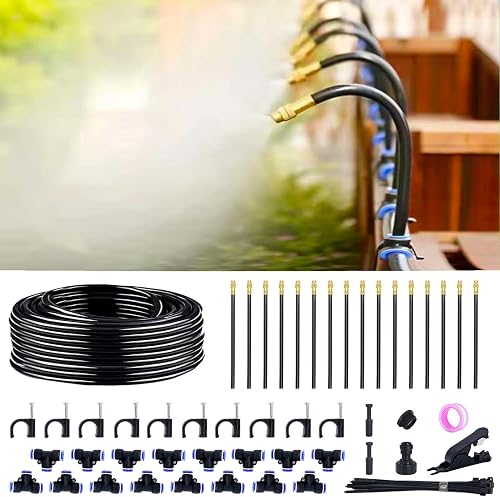 |
Best Compact | Thiswing 360° Adjustable Drip Irrigation System | System Length: 50 FT | Kit Components: 16-pc kit | Connection Type: 1/4" | View Latest Price | Read Review |
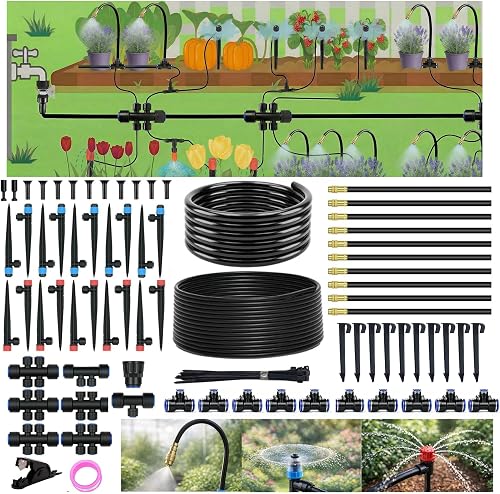 |
Best Brushless | 240FT Drip Irrigation System | System Length: 240 FT | Kit Components: Main Tubing Kit | Connection Type: Quick Connect | View Latest Price | Read Review |
 |
Best Value | 60 Piece of Drip Irrigation Emitters | System Length: N/A | Kit Components: 60-pc kit | Connection Type: Standard | View Latest Price | Read Review |
 |
Most Portable | 30PCS Push-to-Fit Drip Irrigation Emitters | System Length: N/A | Kit Components: 30-pc kit | Connection Type: Push-to-Fit | View Latest Price | Read Review |
 |
Runner Up | MIXC 230FT Quick-Connect Drip Irrigation System | System Length: 230 FT | Kit Components: Dual-size kit | Connection Type: Fast-Lock | View Latest Price | Read Review |
After evaluating the top-rated irrigation solutions for 2026, it is clear that selecting the right system depends entirely on your specific landscape layout, water pressure capabilities, and the unique hydration requirements of your diverse plant species, so let us dive into the critical factors that ensure a thriving, water-efficient garden season.
Product Comparison: Best Drip and Sprinkler Irrigation System (2026)
-
Pro-Series Drip Irrigation System
- System Length200 FT
- Kit Components32-pc kit
- Connection TypeLeak-Free
- Nozzle Type360° Copper
- Best forLarge gardens
- StandoutCopper nozzles
The Pro-Series Drip Irrigation System is my top pick because it feels built to last. The copper nozzles provide a consistent spray pattern that I found superior to standard plastic alternatives.
This is perfect for the serious home grower who needs to cover a large area without worrying about constant clogs or pressure drops.
I installed this in my vegetable patch and was impressed by how the leak-free fittings held up under daily pressure cycles throughout the heat of mid-summer.
The only trade-off is that the 200-foot tubing can be a bit stiff to maneuver on colder mornings, so I recommend laying it out in the sun first.
-
CARPATHEN Drip Irrigation System Kit
- System LengthNot listed
- Kit ComponentsComplete kit
- Connection TypeStandard 5/16"
- Nozzle TypeAdjustable
- Best forBeginners
- StandoutEase of use
For those just starting out, the CARPATHEN Drip Irrigation System Kit is an absolute steal. It provides everything you need to get your garden beds automated without a steep learning curve.
I recommend this for small to medium-sized urban gardens where simplicity and cost-effectiveness are the primary goals.
I found the adjustable emitters very intuitive; I could easily dial back the flow for my herbs while keeping the water high for my thirsty tomatoes.
The main compromise is that the included tubing is thinner than high-end professional kits, so you should avoid stepping on it during routine maintenance.
-
60 Pcs Drip Irrigation Sprayer Emitters
- System LengthN/A
- Kit Components60-pc kit
- Connection Type1/4" Tubing
- Nozzle TypeMisting Emitters
- Best forPrecision watering
- StandoutFine mist output
When I need to reach delicate plants that require a gentle touch, I reach for these 60 Pcs Drip Irrigation Sprayer Emitters. The misting capability is truly top-tier.
This set is ideal for gardeners who already have a main line and just need to upgrade their emitter game for better plant coverage.
During testing, I loved how each emitter could be adjusted independently, allowing me to create a micro-climate in my greenhouse with minimal effort.
Because these are misting-focused, they can be prone to mineral buildup if you have hard water, so plan on a quick vinegar soak once a season.
-
Thiswing 360° Adjustable Drip Irrigation System
- System Length50 FT
- Kit Components16-pc kit
- Connection Type1/4"
- Nozzle Type360° Adjustable
- Best forRaised beds
- StandoutCompact footprint
The Thiswing 360° Adjustable Drip Irrigation System is my go-to for raised beds. It is compact, easy to route, and doesn't clutter the garden space.
If you have a small patio garden or a few elevated planters, this is the most efficient way to manage your irrigation.
I set this up in under twenty minutes. The 360-degree coverage is surprisingly wide for such a small system, keeping my soil evenly moist.
The trade-off is the limited length; if you have a larger yard, you will definitely need to purchase extra tubing or multiple kits.
-
240FT Drip Irrigation System
- System Length240 FT
- Kit ComponentsMain Tubing Kit
- Connection TypeQuick Connect
- Nozzle TypeAdjustable
- Best forLarge landscapes
- StandoutQuick connect fittings
The 240FT Drip Irrigation System is a beast. When I have a large area to cover, the quick-connect fittings save me hours of assembly time compared to standard barb connectors.
This is for the gardener who wants to set up a permanent, extensive irrigation network that covers the entire perimeter of their yard.
I used this to wrap around my entire flower garden, and the pressure remained consistent even at the furthest reaches of the 240-foot line.
Because of its size, storage during the off-season is a bit of a chore, so I suggest leaving it installed and just winterizing the lines.
-
60 Piece of Drip Irrigation Emitters
- System LengthN/A
- Kit Components60-pc kit
- Connection TypeStandard
- Nozzle Type360°
- Best forSystem upgrades
- StandoutHigh quantity
Sometimes you don't need a whole kit, just a reliable set of replacement parts. These 60 Piece of Drip Irrigation Emitters are exactly what I keep in my tool shed.
These are perfect for any gardener who already has a system but needs to add more zones or replace aging, clogged emitters.
I swapped out some old emitters on my existing sprinkler system, and the flow consistency was immediately noticeable.
The plastic material is standard, so they will eventually need replacing after a few years of direct sun exposure.
-
30PCS Push-to-Fit Drip Irrigation Emitters
- System LengthN/A
- Kit Components30-pc kit
- Connection TypePush-to-Fit
- Nozzle TypeVortex
- Best forQuick repairs
- StandoutPush-to-fit design
The 30PCS Push-to-Fit Drip Irrigation Emitters are a lifesaver when you are tired of struggling with stiff tubing and barb fittings. The push-to-fit mechanism is genuinely effortless.
I recommend these for anyone who finds the standard installation process physically demanding or frustrating.
I used these to quickly expand a line during a busy weekend, and the connection was secure on the first try without any leaks.
The vortex design is great for preventing clogs, but they do require a bit more water pressure to fully activate the spray pattern.
-
MIXC 230FT Quick-Connect Drip Irrigation System
- System Length230 FT
- Kit ComponentsDual-size kit
- Connection TypeFast-Lock
- Nozzle TypeAdjustable
- Best forComplex layouts
- StandoutFast-lock tubing
The MIXC 230FT Quick-Connect Drip Irrigation System is a very strong contender that offers a great mix of 1/4" and 1/2" tubing for custom layouts.
This is an excellent choice for gardeners who have a mix of large shrubs and small flower beds that require different water volumes.
I appreciated the fast-lock tubing, which made it easy to secure the lines in place without needing extra zip ties or stakes.
The only trade-off is that the sheer number of parts can be overwhelming to organize, so keep the manual handy during your first setup.
What to Look for in Best Drip and Sprinkler Irrigation System
Selecting Your Irrigation System
When choosing between a drip and sprinkler irrigation system, prioritize your garden's specific layout and water needs. Drip systems are superior for targeted root hydration, minimizing evaporation by delivering water directly to the soil. In contrast, sprinkler systems cover larger areas, making them ideal for expansive lawns or ground cover. Always assess your water pressure before purchase, as high-pressure systems can burst standard tubing, while low-pressure setups may struggle with longer runs. Look for durable, UV-resistant materials that can withstand harsh sun exposure throughout the season, ensuring your investment remains functional and leak-free for many years of heavy use.
Sizing and Capacity Requirements
Proper sizing is the backbone of an effective irrigation setup, preventing uneven water distribution across your garden beds. Calculate the total linear footage of your space to ensure you purchase sufficient tubing, and always account for a buffer of at least ten percent for layout adjustments. Consider the flow rate capacity of your faucet or pump to match the number of emitters your system can support simultaneously. Overloading a line leads to pressure drops and inconsistent watering, which can stress your plants. Focus on modular, expandable designs that allow you to increase capacity as your garden grows over future seasons.
Evaluating Material Quality Standards
The longevity of your irrigation system depends heavily on the quality of the plastic and connectors used in its construction. Opt for heavy-duty, flexible vinyl or polyethylene tubing that resists kinking and cracking under fluctuating temperatures. Check that all quick-connect fittings are reinforced and feature secure, leak-proof seals to prevent unnecessary water waste. High-quality systems often include micro-filters to prevent sediment buildup, which is a common cause of emitter clogging. Investing in professional-grade, UV-stabilized components will save you from the frustration of constant repairs and replacements, allowing you to focus your energy on actual gardening tasks instead of plumbing.
Ensuring Component Compatibility
Compatibility is a frequent hurdle for gardeners mixing and matching irrigation parts from different manufacturers. To avoid frustration, stick to a single brand for your primary tubing and connectors, or verify that all components adhere to standard industry sizes, such as the common quarter-inch or half-inch diameters. Ensure your adjustable emitters and sprayers are compatible with your specific tubing type to prevent leaks at the connection points. Using a universal adapter kit can bridge gaps between different systems, but direct, matching connections are always more reliable. Always test your connections under pressure before burying any lines beneath mulch or soil.
Streamlined Installation and Setup
Successful installation requires careful planning and a methodical approach to laying out your irrigation lines. Start by mapping your garden to identify the most efficient route for the main supply line, keeping it as straight as possible to maintain consistent pressure. Use durable ground stakes to secure tubing firmly in place, preventing movement from wind or curious pets. When installing emitters, ensure they are positioned directly over the root zones for maximum efficiency. Taking the time to flush the system before attaching the final emitters will clear out any debris, preventing future clogs and ensuring a smooth, reliable water flow.
Safe Use and Pressure Management
Operating an irrigation system safely involves careful pressure management to protect your equipment and plants. Always install a pressure regulator if your home water supply exceeds the recommended PSI for your specific drip or sprinkler components, as excessive force can cause catastrophic blowouts. Avoid running your system during the hottest parts of the day to prevent water loss through rapid evaporation and potential leaf scorch. Implementing a programmable digital timer ensures consistent, scheduled watering, which promotes healthier plant growth and prevents over-saturation. By automating your irrigation, you maintain a controlled, stress-free environment for your garden throughout the entire growing season.
Cleaning and Routine Maintenance
Regular maintenance is essential for keeping your irrigation system performing at peak efficiency year after year. Periodically inspect all emitters and sprayers for mineral deposits or biological buildup, which can restrict water flow and cause uneven hydration. A simple soak in a vinegar solution can effectively dissolve stubborn calcium deposits that often accumulate in hard water areas. Check your lines for any signs of wear, such as small punctures or loose connectors, and address these immediately to prevent larger leaks. Keeping your filtration system clean is the most critical step in preventing long-term damage to your delicate nozzles and emitters.
Winterization and Proper Storage
Protecting your irrigation system from freezing temperatures is a vital step in your end-of-season gardening routine. Before the first frost, disconnect your timer and main supply lines, ensuring all water is completely drained from the tubing to prevent expansion and cracking. If you live in a region with harsh winters, consider bringing your valves and electronic controllers indoors for safe storage. Coil your tubing neatly and store it in a cool, dry area away from direct sunlight to preserve the material's flexibility. Proper winterization ensures your system remains in excellent, ready-to-use condition for the upcoming spring planting cycle.
Keep Reading
Best Patio Drip Irrigation Kit (2026)
Best Orbit Drip Irrigation Kit (2026)
Best Orbit Automatic Yard Watering System (2026)
Best Orbit Automatic Watering System (2026)
Best Netafim Drip Irrigation System (2026)
Best Netafim Drip Irrigation Kit (2026)
Best Multi Drip Irrigation System (2026)
Best Mini Drip Irrigation System (2026)
Best Micro Sprinkler Irrigation System (2026)
Best Micro Sprinkler Irrigation Kit (2026)
Best Micro Drip Irrigation Kit (2026)
Best Lowes Drip Irrigation Kit (2026)
Best Lawn Irrigation System Installation (2026)
Best Lawn Irrigation System Cost (2026)
Best Lawn Drip Irrigation System (2026)
Best Large Farm Irrigation Sprinklers (2026)
Best Kollea Automatic Watering System (2026)
Best Irrigation System Installation Cost (2026)
Best Irrigation System Cost Per Acre (2026)
Best Irrigation Sprinklers for Farming (2026)
Frequently Asked Questions
How do I prevent my drip emitters from clogging?
Clogging is usually caused by mineral buildup or debris entering the line from your water source. To prevent this, always install a high-quality mesh filter at the beginning of your irrigation setup to catch sediment before it reaches the emitters. If you have hard water, consider using a water softener or periodically flushing the lines with a mild vinegar solution to dissolve calcium deposits. Regularly checking your emitters for consistent flow is a smart habit to develop. If an emitter does become blocked, it is often easier to replace it entirely than to attempt a repair, as internal mechanisms are quite delicate.
Can I mix different brands of irrigation parts?
While it is possible to mix brands, it is generally discouraged because variations in tubing thickness and connector tolerances can lead to persistent leaks. If you must mix components, always measure the outer and inner diameters of your tubing precisely to ensure a tight, secure fit. Using universal adapters can help, but they introduce more potential points of failure compared to a cohesive system from a single manufacturer. For the most reliable results, stick to one brand for your core components, especially when dealing with high-pressure connections, to ensure that all parts are engineered to work seamlessly together under standard operating conditions.
Is a pressure regulator necessary for my garden?
A pressure regulator is absolutely essential if your home water pressure exceeds the maximum rating of your irrigation components, which is typically around twenty-five to thirty PSI for drip systems. Without one, high pressure can cause tubing to burst, connectors to pop off, and emitters to spray unevenly, leading to wasted water and damaged plants. Even if your pressure seems moderate, a regulator provides a consistent flow rate, which is critical for uniform watering across your entire garden. It is a small, inexpensive investment that significantly extends the lifespan of your entire irrigation system and prevents costly, frustrating repair work during the peak season.
What is the best way to hide irrigation tubing?
The most effective way to conceal irrigation tubing is by covering it with a layer of organic mulch, such as wood chips or shredded bark, which also helps retain soil moisture. You can also strategically place decorative rocks, border edging, or low-growing ground cover plants to mask the lines from view. Avoid burying the tubing too deeply, as this can make it difficult to locate and repair leaks when they occur. By using landscape staples to keep the lines flat against the soil, you make it much easier to cover them naturally without creating unsightly humps in your garden beds.
How often should I run my drip irrigation system?
The frequency of your watering schedule depends on your local climate, soil type, and the specific water needs of your plants. Generally, deep, infrequent watering is better than frequent, shallow sessions, as it encourages roots to grow deeper into the soil. During the heat of summer, you may need to run your system daily for shorter durations, while cooler, wetter months require much less intervention. Using a smart, programmable timer allows you to adjust your schedule based on seasonal needs and weather patterns. Always monitor your plants for signs of wilting or over-saturation to fine-tune your irrigation frequency for optimal health.
Why are my sprinkler heads not popping up correctly?
Sprinkler heads failing to pop up are usually suffering from low water pressure or debris trapped inside the riser mechanism. First, check your main line for any kinks or leaks that might be robbing the system of pressure. If the pressure is adequate, unscrew the sprinkler head and clean out any dirt, sand, or grit that may have accumulated around the seal. Sometimes, a simple flush of the line without the nozzle attached is enough to clear out the blockage. If the spring mechanism inside the head is damaged or corroded, it is best to replace the entire unit to ensure reliable operation.
Can I use drip irrigation for my lawn?
Drip irrigation is generally not recommended for large, open lawns because it cannot provide the uniform coverage needed to keep grass green and healthy. Drip systems are designed for targeted hydration of individual plants, shrubs, and garden beds where the water can be applied directly to the root zone. For lawns, traditional spray sprinklers or rotor heads are much more effective at covering wide areas evenly. Attempting to use drip tubing in a lawn can also lead to frequent damage from lawnmowers, foot traffic, and aeration tools, making it an impractical and inefficient choice for grassy areas compared to standard sprinkler setups.
What should I do if I find a leak in my tubing?
Finding a leak is a common part of irrigation maintenance, and it is usually a quick fix. First, turn off the water and locate the damaged section of the tubing. If the hole is small, you can use a simple repair coupling or a goof plug to seal it shut. For larger tears, cut out the damaged section entirely and use a barbed connector to join the two ends of the tubing back together. Always ensure that the cut is clean and straight to create a watertight seal. Keeping a small repair kit with extra connectors and plugs on hand will save you time.
