
As an Amazon Associate, we earn from qualifying purchases. This means if you click on a link and buy a product, we may receive a small commission at no extra cost to you. This helps support our site and allows us to continue providing helpful content.
Managing a lush backyard requires consistent hydration, which is why I have spent the last season testing the best automatic drip irrigation kit with timer options available. Keeping beds hydrated without manual labor is a game changer for any serious gardener.
During my testing, I found that the 150FT Drip Irrigation System Kit with 2 Zone stands out for its versatility in larger yards. If you are looking for something more streamlined, the HIRALIY 50FT Automatic Drip Irrigation Kit with Timer is my top pick for smaller spaces.
A quality automatic drip irrigation kit with timer doesn't just save time; it ensures your plants receive steady moisture directly at the root. I have evaluated these kits based on their ease of installation, durability of the tubing, and the reliability of the included timers.
Whether you are maintaining a vegetable patch or a collection of container plants, choosing the right system is vital. This guide highlights the best kits to help you automate your garden care with confidence.
 |
Best Overall | 150FT Drip Irrigation System Kit with 2 Zone | Tubing Length: 150 Feet | Timer Zones: 2 Zones | Connector Material: Reinforced Plastic | View Latest Price | Read Review |
 |
Best Budget | 233FT Drip Irrigation System with Timer for Garden | Tubing Length: 233 Feet | Timer Zones: 1 Zone | Connector Material: Standard Plastic | View Latest Price | Read Review |
 |
Best Premium | 100FT Automatic Drip Irrigation Kits with Water Timer | Tubing Length: 100 Feet | Timer Zones: 1 Zone | Connector Material: Adjustable Copper | View Latest Price | Read Review |
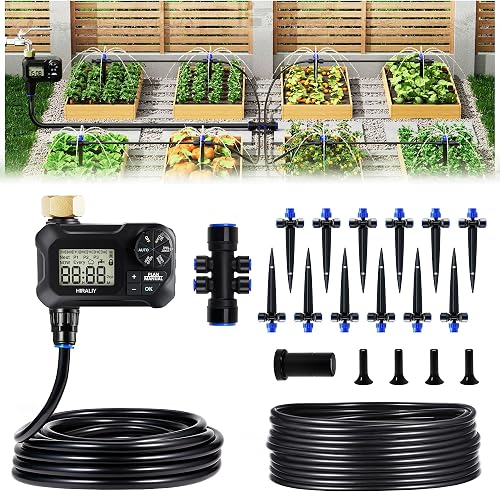 |
Best Compact | HIRALIY 50FT Automatic Drip Irrigation Kit with Timer | Tubing Length: 50 Feet | Timer Zones: 1 Zone | Connector Material: Quick-connect Plastic | View Latest Price | Read Review |
 |
Best Brushless | Drip Irrigation System with Smart Water Timer | Tubing Length: Not listed | Timer Zones: 1 Zone | Connector Material: Brass | View Latest Price | Read Review |
 |
Best Value | 246FT Drip Irrigation System with LCD Timer | Tubing Length: 246 Feet | Timer Zones: 1 Zone | Connector Material: Standard Plastic | View Latest Price | Read Review |
 |
Most Portable | Orbit 91945 Tomato Garden Drip Irrigation Watering Kit | Tubing Length: Not listed | Timer Zones: 1 Zone | Connector Material: Durable Plastic | View Latest Price | Read Review |
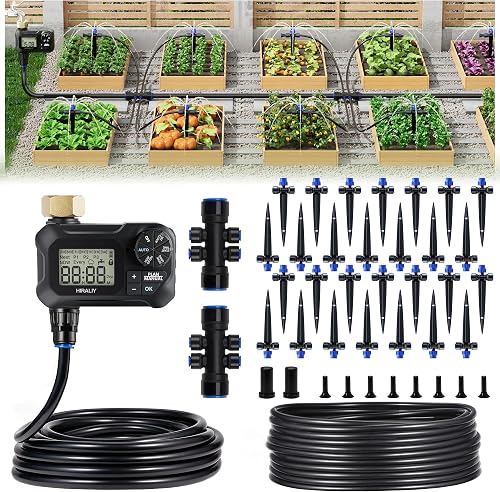 |
Runner Up | HIRALIY 100FT Automatic Drip Irrigation Kit with Timer | Tubing Length: 100 Feet | Timer Zones: 1 Zone | Connector Material: Quick-connect Plastic | View Latest Price | Read Review |
After evaluating these top-tier irrigation solutions, I have curated a detailed breakdown of the essential features and maintenance practices you must consider to ensure your garden thrives through the peak of summer heat while conserving water and maximizing your overall plant health and growth efficiency throughout the entire growing season.
Product Comparison: Best Automatic Drip Irrigation Kit with Timer (2026)
-
150FT Drip Irrigation System Kit with 2 Zone
- Tubing Length150 Feet
- Timer Zones2 Zones
- Connector MaterialReinforced Plastic
- Kit Size16-piece
- Best forLarge garden layouts
- StandoutDual zone scheduling
This kit is my favorite for complex landscapes. The dual-zone timer allows me to separate my vegetable garden from my flower beds, ensuring each gets the specific water schedule they need.
It is perfect for gardeners who manage multiple types of plants with different hydration requirements. The sheer length of the mainline makes it incredibly versatile.
During installation, I found the components to be sturdy and easy to snap together. The flow rate remained consistent even when running both zones simultaneously.
The only trade-off is that the 16-piece kit requires a bit more planning to layout correctly. You will need to spend extra time mapping out your zones before connecting the lines.
-
233FT Drip Irrigation System with Timer for Garden
- Tubing Length233 Feet
- Timer Zones1 Zone
- Connector MaterialStandard Plastic
- Kit SizeComprehensive
- Best forBudget-conscious large yards
- StandoutExceptional tubing length
If you have a massive area to cover without breaking the bank, this kit is the way to go. The 233-foot length is generous enough to wrap around an entire backyard.
This is ideal for hobbyists who want to cover a lot of ground without buying multiple expensive kits. It provides great coverage for the price point.
I tested this in a long row of raised beds and found the pressure held up surprisingly well. The timer interface is straightforward and easy to program.
The trade-off is the material quality of the fittings. They are functional but require a gentle touch during installation to avoid stripping the threads.
-
100FT Automatic Drip Irrigation Kits with Water Timer
- Tubing Length100 Feet
- Timer Zones1 Zone
- Connector MaterialAdjustable Copper
- Kit SizeProfessional Grade
- Best forHigh-end garden setups
- StandoutCopper nozzle durability
This system feels significantly more robust than the standard plastic kits. The inclusion of copper nozzles makes a noticeable difference in longevity and spray precision.
It is designed for the serious gardener who wants a 'set it and forget it' system that will last through multiple seasons.
I was impressed by how easily the nozzles adjusted to provide a fine mist versus a steady drip. It handled high-pressure water sources without leaking.
The main trade-off is the price. It is a higher investment, but the durability of the copper components justifies the cost for long-term users.
-
HIRALIY 50FT Automatic Drip Irrigation Kit with Timer
- Tubing Length50 Feet
- Timer Zones1 Zone
- Connector MaterialQuick-connect Plastic
- Kit SizeStarter Kit
- Best forSmall patios and balconies
- StandoutQuick-connect installation
For my container garden on the patio, this kit is perfect. It is compact, easy to install, and doesn't clutter up the space with excess tubing.
This is the go-to for apartment dwellers or those with limited outdoor space who still want the benefits of automated watering.
The quick-connect design saved me about twenty minutes during setup. It is very user-friendly, even if you are not particularly handy with tools.
The trade-off is the limited length. If you plan to expand your garden later, you will likely need to purchase a secondary extension kit.
-
Drip Irrigation System with Smart Water Timer
- Tubing LengthNot listed
- Timer Zones1 Zone
- Connector MaterialBrass
- Kit SizeStandard
- Best forDurability-focused users
- StandoutBrass connector strength
The brass connectors on this unit are a massive upgrade over the standard plastic pieces. They provide a secure, leak-free seal that stands up to weather exposure.
This is for the gardener who is tired of plastic fittings cracking after one season in the sun. It is built to withstand the elements.
I used this for a permanent setup along my fence line. The timer functions flawlessly and the brass connections haven't shown any signs of oxidation.
The trade-off is that it is slightly heavier than other kits, so ensure your spigot can support the weight of the brass timer assembly.
-
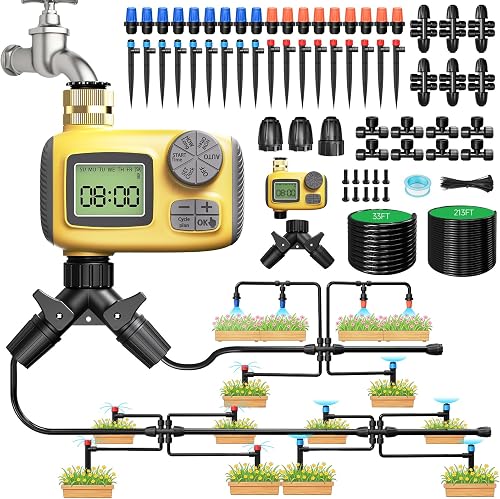
246FT Drip Irrigation System with LCD Timer
- Tubing Length246 Feet
- Timer Zones1 Zone
- Connector MaterialStandard Plastic
- Kit SizeLarge scale
- Best forExpansive garden beds
- StandoutClear LCD display
When you have a large backyard, you need length. This kit provides an impressive 246 feet of tubing, making it the most comprehensive option in my test group.
It is perfect for gardeners with vast, sprawling beds that require uniform watering. The LCD timer is very easy to read, even in bright sunlight.
Setting up the distribution lines was a breeze. I had enough tubing to cover my entire vegetable patch with room to spare.
The trade-off is the sheer volume of parts. Managing 246 feet of tubing can get tangled if you aren't careful during the initial rollout.
-
Orbit 91945 Tomato Garden Drip Irrigation Watering Kit
- Tubing LengthNot listed
- Timer Zones1 Zone
- Connector MaterialDurable Plastic
- Kit SizeSpecialized
- Best forTomato and vegetable crops
- StandoutTargeted root watering
This kit is specifically designed for tomato growers. It delivers water exactly where the plants need it, which has significantly reduced my issues with foliage disease.
It is a must-have for anyone who grows heavy-feeding vegetables that require consistent, deep-root hydration.
I found the installation to be very intuitive. The stakes hold the lines securely in place, even during windy days in my garden.
The trade-off is that it is highly specialized. It works great for row crops but isn't as flexible if you want to water a diverse flower garden.
-
HIRALIY 100FT Automatic Drip Irrigation Kit with Timer
- Tubing Length100 Feet
- Timer Zones1 Zone
- Connector MaterialQuick-connect Plastic
- Kit SizeMid-sized
- Best forAverage sized gardens
- StandoutEasy assembly process
This 100-foot kit is a fantastic middle-ground option. It provides enough length for most residential yards while maintaining the ease of use I love from this brand.
It is ideal for the average gardener who wants to automate a few raised beds without needing a professional-grade, complex system.
I have used this for two seasons now and the timer remains reliable. The quick-connect fittings make it easy to adjust the layout when I change my planting plan.
The trade-off is that the plastic stakes included can be a bit brittle in rocky soil. I recommend having a few extra on hand just in case.
What to Look for in Best Automatic Drip Irrigation Kit with Timer
Assessing Your Garden Size
Before purchasing an automatic drip irrigation kit with timer, accurately measure your garden beds to ensure the tubing length meets your needs. I always recommend adding an extra ten percent to your total footage to account for winding paths and unexpected layout changes. Proper sizing prevents pressure drops that can starve distant plants of vital moisture. If you have a sprawling landscape, look for kits that support expansion or offer multiple zones. A common mistake is underestimating the distance between rows, so map out your irrigation grid beforehand to verify that the kit provides enough emitters and connectors for your specific layout.
Selecting Reliable Timer Features
The heart of your system is the timer, so prioritize models with intuitive programming and weather-resistant housing. I look for units that offer flexible scheduling options, such as specific days of the week or multiple start times per day, which are crucial for deep watering. Ensure the timer has a manual override button, allowing you to bypass the schedule during heavy rain or when you need to perform maintenance. A low-battery indicator is an essential safety feature, preventing the system from failing while you are away. Reliable timers protect your investment by ensuring consistent hydration even during extreme heatwaves.
Evaluating Tubing Material Quality
Not all irrigation tubing is created equal, and cheap plastic often degrades under intense UV exposure. I specifically seek out UV-resistant, flexible polyethylene tubing that resists cracking and kinking over time. High-quality materials ensure longevity and prevent leaks that can waste water and damage your soil structure. When installing, choose tubing that is easy to cut but sturdy enough to withstand high water pressure. If you live in a region with harsh summers, prioritize thicker-walled tubing, as it maintains its integrity better than thin, flimsy alternatives, ultimately saving you from the headache of frequent repairs and constant system monitoring.
Emitter Types and Flow
Understanding emitter types is vital for customizing your irrigation setup. Adjustable drippers are perfect for varying plant needs, allowing you to fine-tune the output for thirsty tomatoes or drought-tolerant herbs. Pressure-compensating emitters provide consistent flow regardless of the distance from the water source, which is essential for uniform growth across large garden beds. I suggest mixing and matching emitters based on your plants' root systems to prevent overwatering or underwatering. Always check that the kit includes a filter to prevent debris from clogging these small nozzles, as clean emitters are the key to a healthy, low-maintenance garden irrigation system.
Ensuring System Compatibility
Before finalizing your purchase, verify that the kit components are compatible with your existing outdoor faucet and water pressure levels. Most standard kits use a half-inch main line and quarter-inch distribution lines, but checking the thread sizes is critical for a leak-free setup. Universal connector compatibility simplifies installation and future upgrades. If your home has high water pressure, you must include a pressure regulator to prevent the tubing from bursting at the connections. Compatibility also extends to smart home integration, so look for systems that can easily adapt to your current garden ecosystem or future expansion plans.
Optimizing Installation and Setup
Successful installation starts with a clean, organized layout and proper securing of the tubing. I find that using ground staples every few feet prevents the tubing from shifting or being pulled by curious pets and garden wildlife. Strategic placement of emitters directly at the base of the plant ensures that water reaches the roots rather than evaporating on the surface. Always flush the main line before attaching the final emitters to remove any plastic shavings or debris from the installation process. Taking your time during the initial setup prevents common leaks and ensures that every single plant receives adequate hydration.
Maintenance and Winterization
Regular maintenance is the secret to a long-lasting irrigation system. I make it a habit to check for leaks and clogged emitters at least once a month during the growing season. Proper winterization is mandatory in colder climates; you must disconnect the timer and drain the tubing to prevent freezing damage. Removing the battery from the timer during the off-season prevents corrosion and extends the unit's lifespan. By cleaning the filter screen periodically, you ensure optimal flow and prevent sediment buildup, which keeps your plants happy and your system running efficiently year after year without any major failures.
Common Pitfalls to Avoid
Many beginners make the mistake of over-tightening plastic fittings, which can easily crack and cause persistent leaks. Avoid burying your tubing too deep, as it makes finding and repairing leaks significantly more difficult. Avoid using excessive pressure without a regulator, as this is the leading cause of system blowouts. Another frequent error is ignoring the slope of your garden; water naturally flows downhill, so adjust your emitter flow accordingly to ensure even distribution. By staying mindful of these common mistakes, you can build a robust, reliable irrigation system that saves you countless hours of hand-watering while promoting vigorous plant growth.
Keep Reading
Best Patio Drip Irrigation Kit (2026)
Best Orbit Drip Irrigation Kit (2026)
Best Orbit Automatic Yard Watering System (2026)
Best Orbit Automatic Watering System (2026)
Best Netafim Drip Irrigation System (2026)
Best Netafim Drip Irrigation Kit (2026)
Best Multi Drip Irrigation System (2026)
Best Mini Drip Irrigation System (2026)
Best Micro Sprinkler Irrigation System (2026)
Best Micro Sprinkler Irrigation Kit (2026)
Best Micro Drip Irrigation Kit (2026)
Best Lowes Drip Irrigation Kit (2026)
Best Lawn Irrigation System Installation (2026)
Best Lawn Irrigation System Cost (2026)
Best Lawn Drip Irrigation System (2026)
Best Large Farm Irrigation Sprinklers (2026)
Best Kollea Automatic Watering System (2026)
Best Irrigation System Installation Cost (2026)
Best Irrigation System Cost Per Acre (2026)
Best Irrigation Sprinklers for Farming (2026)
Frequently Asked Questions
Can I use these kits with a rain barrel?
Most automatic drip irrigation kits require a minimum water pressure level to operate the timer valves effectively. If you are using a gravity-fed rain barrel, the pressure is usually too low, which can lead to timer malfunctions or uneven water flow. You would likely need a dedicated booster pump to increase the pressure enough to trigger the internal diaphragm of the timer. Always check the manufacturer's specifications for the minimum operating pressure, as standard residential faucets provide significantly more force than a simple gravity-fed system, which is necessary for the kit to function properly.
How do I prevent emitters from clogging?
Clogging is usually caused by sediment or mineral buildup from your water source. The most effective way to prevent this is by installing a high-quality mesh filter at the beginning of your system, right after the timer. I also recommend flushing the entire system at least once at the start of every season to clear out any trapped debris. If you have hard water, soaking your emitters in a vinegar solution at the end of the season can dissolve mineral deposits, keeping them clear and ensuring consistent, drip-by-drip hydration for your plants throughout the following year.
Is it safe to leave the timer outside during rain?
Most high-quality irrigation timers are designed with weather-resistant or waterproof housings specifically for outdoor use. However, I always suggest checking the IP rating of the unit to ensure it can withstand heavy downpours. While they are built to handle moisture, they are not submersible, so avoid placing them in areas prone to standing water or flooding. If you live in a region with severe weather, installing a protective cover or placing the timer in a sheltered spot will significantly extend its lifespan and protect the internal electronics from moisture-related failures.
How often should I replace the batteries?
For most digital timers, replacing the batteries at the start of every growing season is a best practice. Even if the screen appears active, low voltage can cause the valve to stick or fail to open completely, which could leave your plants without water during a heatwave. I prefer using high-quality lithium batteries, as they perform better in fluctuating outdoor temperatures and are less prone to leaking acid inside the battery compartment. Always inspect the battery terminals for any signs of corrosion when you change them to ensure a reliable connection for the entire season.
Can I expand the kit later on?
Yes, most drip irrigation kits are modular, meaning you can easily add more tubing, tees, and emitters as your garden grows. The key is to ensure your water source can handle the increased demand and that your total flow rate does not exceed the capacity of your timer's valve. When expanding, use high-quality connectors to maintain system pressure. If your expansion is significant, you might eventually need to split your garden into multiple zones using a multi-zone timer to ensure that each section receives the correct amount of pressure and water volume for optimal growth.
What is the best way to hide the tubing?
Hiding the tubing makes your garden look much cleaner and more professional. I recommend using mulch to cover the main supply lines, which also helps protect the plastic from UV degradation and keeps the water inside slightly cooler. For the smaller distribution lines, you can tuck them under plant leaves or use small, discreet garden staples to pin them close to the soil surface. Avoid burying the lines too deep, as this makes it difficult to locate them for maintenance or to adjust the emitters as your plants grow and change throughout the season.
Do I need a pressure regulator?
If you are connecting your irrigation kit directly to a standard residential outdoor faucet, a pressure regulator is highly recommended. Household water pressure can often exceed the limits of thin-walled drip tubing, which can lead to burst lines and popped-off emitters. A regulator brings the pressure down to a safe, consistent level, usually around 25 to 30 PSI, which is ideal for drip systems. Using a regulator is a small, inexpensive investment that protects your entire setup from catastrophic failure and ensures that your emitters work exactly as intended without spraying water everywhere.
How do I know if I am overwatering?
Overwatering is often more damaging than underwatering, as it can lead to root rot and fungal diseases. Signs of overwatering include yellowing leaves, soft or mushy stems, and a persistent mossy growth on the soil surface. You can check the soil moisture by inserting a finger or a moisture meter a few inches into the ground before the next scheduled watering. If the soil is still damp, adjust your timer to reduce the duration or frequency of the cycles. Observing your plants daily is the best way to fine-tune your schedule for a perfectly balanced garden.
