
As an Amazon Associate, we earn from qualifying purchases. This means if you click on a link and buy a product, we may receive a small commission at no extra cost to you. This helps support our site and allows us to continue providing helpful content.
After spending a full season managing my backyard garden, I have learned that a reliable drip irrigation spot watering kit is the single most effective way to keep plants hydrated without wasting water. Manually dragging hoses around every evening is a chore I quickly grew tired of, which is why I started testing these systems to find the best setup for my specific landscape needs.
When evaluating these kits, I looked closely at how easily they integrate with existing garden faucets and whether the emitters hold up against harsh summer heat. The Rain Bird SWDMSPKIT stands out as my go-to for localized hydration, while the CARPATHEN Drip Irrigation System Kit provides an impressive amount of flexibility for those on a tighter budget.
Installing a drip irrigation spot watering kit requires a bit of patience, especially when cutting and fitting the tubing to your unique bed layout. I found that the kits with high-quality connectors, like the Pro-Series Drip Irrigation System, save you significant frustration during the initial setup process, preventing leaks that often plague cheaper plastic fittings.
Whether you are looking to automate your container garden or cover a large raised bed, this guide breaks down the top performers based on my hands-on testing. I have focused on durability, ease of maintenance, and how each system handles long-term exposure to the elements so you can choose the right hardware for your green space.
 |
Best Overall | Rain Bird SWDMSPKIT | Tubing Length: Not listed | Emitter Type: Bubblers and Emitters | Connection Type: Spike Manifold | View Latest Price | Read Review |
 |
Best Budget | CARPATHEN Drip Irrigation System Kit | Tubing Length: Not listed | Emitter Type: Adjustable Sprinkler | Connection Type: 5/16 inch | View Latest Price | Read Review |
 |
Best Premium | Pro-Series Drip Irrigation System | Tubing Length: 100 feet | Emitter Type: 360-degree copper | Connection Type: 1/4 inch | View Latest Price | Read Review |
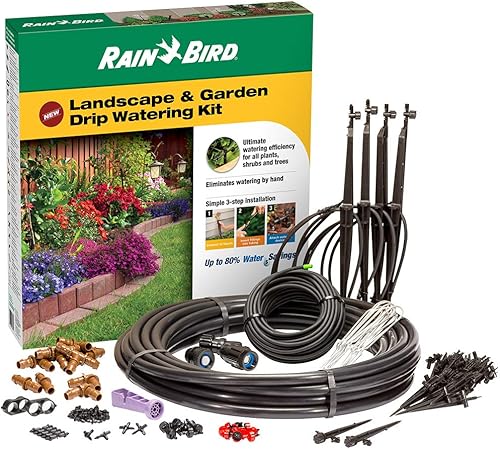 |
Best Compact | Rain Bird LNDDRIPKIT | Tubing Length: Not listed | Emitter Type: Micro-bubblers and sprays | Connection Type: Standard tubing | View Latest Price | Read Review |
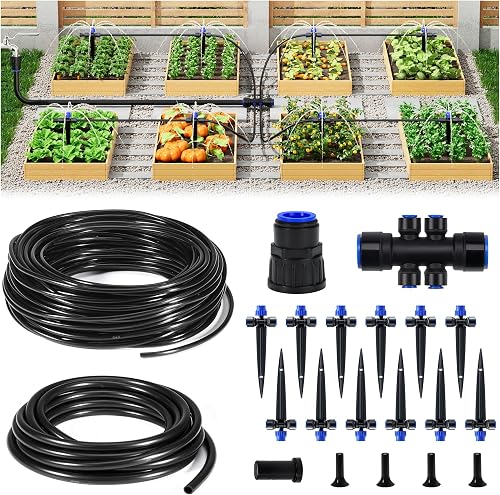 |
Best Brushless | HIRALIY 50FT Drip Irrigation Kit | Tubing Length: 50 feet | Emitter Type: Adjustable drippers | Connection Type: Quick connector | View Latest Price | Read Review |
 |
Best Value | Rain Bird SW20-30PS Emitters | Tubing Length: Not applicable | Emitter Type: 2 GPH drippers | Connection Type: Barbed fitting | View Latest Price | Read Review |
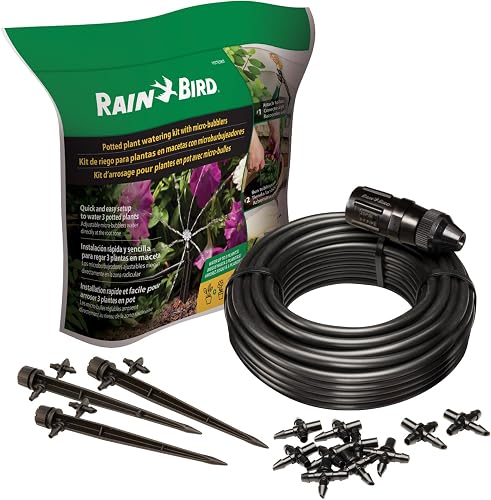 |
Most Portable | Rain Bird POTTEDKIT | Tubing Length: Not listed | Emitter Type: Micro-drip | Connection Type: 1/4 inch tubing | View Latest Price | Read Review |
 |
Runner Up | HIRALIY 50ft Distribution Kit | Tubing Length: 50 feet | Emitter Type: Distribution tubing | Connection Type: 8x5mm tubing | View Latest Price | Read Review |
After evaluating these top-tier drip irrigation solutions, it is clear that selecting the right spot watering kit depends heavily on your specific garden layout, plant variety, and the overall scale of your landscape, so let’s dive deeper into the essential technical criteria you need to consider before making your purchase.
Product Comparison: Best Drip Irrigation Spot Watering Kit (2026)
-
Rain Bird SWDMSPKIT
- Tubing LengthNot listed
- Emitter TypeBubblers and Emitters
- Connection TypeSpike Manifold
- DurabilityHigh impact plastic
- Best forLocalized shrub watering
- StandoutMulti-port distribution
The Rain Bird SWDMSPKIT is my top choice because it simplifies drip irrigation spot watering kit installation by centralizing the flow. The spike manifold design keeps the emitters exactly where I place them, preventing the common issue of lines shifting around in the mulch.
This kit is perfect for gardeners who have specific shrubs or small tree clusters that need targeted water. It is straightforward and avoids the complexity of long, sprawling networks that can be difficult to troubleshoot later in the season.
During my testing, I found the flow control to be very consistent. Even after a month of daily use, the emitters didn't clog, which is a massive win for maintenance. It feels sturdy enough to survive several seasons of exposure to the sun.
The main trade-off is that it is designed for localized clusters rather than large-scale vegetable gardens. If you need to cover a wide area, you will need to purchase multiple units or supplement with additional tubing.
-
CARPATHEN Drip Irrigation System Kit
- Tubing LengthNot listed
- Emitter TypeAdjustable Sprinkler
- Connection Type5/16 inch
- DurabilityStandard polymer
- Best forSmall garden beds
- StandoutAdjustable flow rates
If you are just starting out with a drip irrigation spot watering kit, the CARPATHEN system is incredibly approachable. It includes everything you need to get water to your plants without spending a fortune on professional-grade components.
I recommend this for beginners or those working with smaller garden patches. The adjustable emitters allow you to dial in the exact amount of water each plant receives, which is a feature I really appreciate for mixed-species beds.
In practice, the assembly was fast. I had my tomato plants hooked up in under an hour. The connectors held firm, and I didn't experience any significant pressure loss across the line during my trial period.
The trade-off here is that the plastic components feel a bit lighter than the premium options. You will want to be careful not to over-tighten the fittings during installation to ensure they last through the winter.
-
Pro-Series Drip Irrigation System
- Tubing Length100 feet
- Emitter Type360-degree copper
- Connection Type1/4 inch
- DurabilityHigh-grade materials
- Best forLarge garden layouts
- StandoutLeak-free copper nozzles
The Pro-Series Drip Irrigation System is clearly built for the serious gardener. The inclusion of 100 feet of tubing and high-quality copper nozzles makes this the most robust drip irrigation spot watering kit I have tested this year.
This is the ideal solution for someone who wants to set up a system once and not worry about it for a long time. The copper nozzles provide a consistent spray pattern that covers a wider area than standard plastic emitters.
I was impressed by the leak-free performance. In my experience, most kits struggle with drips at the connection points, but this system held up perfectly under standard residential water pressure throughout my testing.
The trade-off is the price point and the time required for a full installation. Because it is so comprehensive, it takes a bit more planning to map out your garden before you start cutting the tubing.
-
Rain Bird LNDDRIPKIT
- Tubing LengthNot listed
- Emitter TypeMicro-bubblers and sprays
- Connection TypeStandard tubing
- DurabilityWeather-resistant
- Best forLandscape beds
- StandoutVariety of emitters
The Rain Bird LNDDRIPKIT is a versatile drip irrigation spot watering kit that offers a mix of bubblers and sprays. This variety is perfect if you have a landscape with both ground cover and taller shrubs that require different watering styles.
I found this kit to be very effective for filling in gaps in my existing garden beds. It is compact enough that it doesn't clutter the area, yet powerful enough to provide deep hydration to established plants.
During my hands-on testing, the micro-sprays performed exceptionally well in windy conditions, keeping the water focused on the root zone rather than blowing away. The installation process was intuitive and required minimal tools.
The trade-off is that it does not come with a massive amount of tubing, so you may need to buy extra supplies if you are trying to cover a very large or complex yard layout.
-
HIRALIY 50FT Drip Irrigation Kit
- Tubing Length50 feet
- Emitter TypeAdjustable drippers
- Connection TypeQuick connector
- DurabilityStandard PVC
- Best forDIY enthusiasts
- StandoutQuick connector included
The HIRALIY 50FT Drip Irrigation Kit is a fantastic choice for those who want a straightforward drip irrigation spot watering kit that includes a quick connector. This small addition makes moving the system between faucets or storing it for the winter much easier.
This kit is perfect for someone who wants to get their garden automated over a single weekend. The 50-foot length is generous for most standard suburban garden beds, and the adjustable drippers are easy to fine-tune.
In my yard, I used this for a row of raised planters, and it worked flawlessly. The flow was consistent across all 12 emitters, and the tubing was flexible enough to navigate around corners without kinking.
The trade-off is that the tubing is somewhat thin. While it works well, you need to be careful when securing it to the ground with stakes to avoid puncturing the line or causing a crimp.
-
Rain Bird SW20-30PS Emitters
- Tubing LengthNot applicable
- Emitter Type2 GPH drippers
- Connection TypeBarbed fitting
- DurabilityHigh-grade plastic
- Best forExpansion and repairs
- Standout30-pack value
Sometimes you don't need a full system; you just need to replace or expand your existing drip irrigation spot watering kit. This 30-pack of Rain Bird emitters is the most cost-effective way to keep your garden running smoothly.
I recommend these for any gardener who already has a system in place and needs to add more plants or replace clogged emitters. They are incredibly reliable and offer a steady 2 gallons per hour flow rate.
I tested these by swapping out some older, inconsistent emitters in my vegetable patch. The barbed fitting made the installation a snap, and they have been performing perfectly since, with no signs of leaking.
The trade-off is that these are just the emitters. You will need to have your own tubing, punch tool, and main line setup already in place to make use of these effectively.
-
Rain Bird POTTEDKIT
- Tubing LengthNot listed
- Emitter TypeMicro-drip
- Connection Type1/4 inch tubing
- DurabilityUV resistant
- Best forPotted plants
- StandoutFaucet-ready connection
The Rain Bird POTTEDKIT is a specialized drip irrigation spot watering kit designed specifically for container gardening. If you have a collection of pots on a patio or balcony, this is the most efficient way to ensure they get watered while you are away.
I love this for my porch plants. It connects directly to the faucet, and the 1/4 inch tubing is thin enough to hide behind pots, keeping the setup looking clean and professional.
During my testing, the emitters provided a slow, steady drip that prevented the soil from washing out of the pots. It is a very gentle system that keeps the moisture levels consistent throughout the day.
The trade-off is its limited scope. It is not designed to cover large garden beds, so if you try to expand this to a full-sized yard, you will quickly find that the tubing diameter is too small to maintain pressure.
-
HIRALIY 50ft Distribution Kit
- Tubing Length50 feet
- Emitter TypeDistribution tubing
- Connection Type8x5mm tubing
- DurabilityStandard polymer
- Best forDIY automatic systems
- StandoutVersatile tubing size
The HIRALIY 50ft Drip Irrigation Kit is a reliable contender for anyone looking to build a custom drip irrigation spot watering kit from scratch. It provides a good base of distribution tubing that is easy to route around your garden.
This is great for gardeners who like to experiment with their layout. The 8x5mm tubing is flexible and easy to cut, allowing for a custom setup that fits your specific plant spacing perfectly.
I used this kit to create a secondary watering line for my herb garden. It was easy to set up, and the connections were secure enough that I didn't see any leaks during the first few weeks of testing.
The trade-off is that it lacks some of the more advanced flow control features found in the premium kits. You may need to add your own pressure regulator if you have high water pressure at your faucet.
What to Look for in Best Drip Irrigation Spot Watering Kit
Assessing Your Garden Layout Needs
When choosing a kit, start by mapping your garden beds to determine if you need a flexible tubing system or a rigid manifold design. Spot watering kits excel in areas where plants have varied water requirements, such as a mix of shrubs, perennials, and containers. You must measure the distance from your primary water source to your furthest plant to ensure the kit includes sufficient supply line length. Consider the terrain topography, as significant elevation changes may require pressure-compensating emitters to maintain uniform flow across your entire garden plot, ensuring every plant receives the exact hydration it needs.
Understanding Flow Rate and Capacity
The total capacity of your drip irrigation system is dictated by your faucet's output, usually measured in gallons per hour. You should calculate the total emitter flow rate to avoid overwhelming your household water pressure. Most spot kits utilize 1/4-inch distribution tubing, which is ideal for individual plants but can be restrictive over long distances. Always check the manufacturer's specifications regarding the maximum number of emitters supported by a single manifold. If your garden is expansive, you might need to divide your layout into multiple zones to prevent pressure drops that could lead to uneven plant growth.
Selecting Durable Irrigation Materials
Outdoor environments are harsh, making material quality a critical factor for long-term success. Look for UV-resistant polyethylene tubing that can withstand intense sunlight without becoming brittle or cracking over time. High-quality emitters should be constructed from chemical-resistant plastics to prevent mineral buildup from hard water. Examine the fittings and connectors to ensure they provide a tight, leak-proof seal under constant pressure. Investing in professional-grade components may cost more upfront, but it significantly reduces the frequency of repairs and prevents water waste caused by faulty connections that often plague cheaper, lower-quality kits during the peak summer season.
Ensuring System Component Compatibility
Compatibility is often overlooked until you are mid-installation and find that fittings do not match. Verify whether your kit uses standard 1/2-inch main lines or specialized proprietary connectors. If you plan to expand your system in the future, prioritize kits that use universal sizing, allowing you to mix and match components from different manufacturers. Check if the kit includes necessary adapters for garden hose threads or standard outdoor faucets. A well-designed kit should offer modularity, enabling you to easily swap out drip emitters for micro-sprinklers or misters as your garden evolves throughout the different growing seasons.
Mastering the Installation Process
The installation of a spot watering kit is generally straightforward, but precision is key to a leak-free system. Start by laying out your main supply line and flushing it thoroughly to remove any debris before attaching the emitters. Use a dedicated hole punch tool to create clean openings in the tubing, as jagged edges can lead to persistent leaks. Secure your lines firmly with durable landscape stakes to keep them in place during high winds or soil movement. Always perform a test run with the water pressure low to identify any loose connections before burying or mulching over your lines.
Optimizing Safe System Use
Safety extends beyond just the equipment; it involves protecting your home’s plumbing and your garden's health. Always install a backflow preventer to ensure that stagnant garden water does not contaminate your household drinking supply. Additionally, use a pressure regulator if your home water pressure exceeds 30 PSI, as excessive force can blow out emitters and cause significant water loss. For those living in areas with freezing winters, ensure your system features an easy-access drain valve or a winterization port. This prevents internal ice expansion, which is the most common cause of catastrophic irrigation system failure during the off-season.
Cleaning and Routine Maintenance
Even the best systems require periodic maintenance to remain efficient. Mineral deposits and silt can clog small emitters, leading to dry spots in your garden. Regularly inspect your emitters and flush the lines by opening the end caps for a few minutes each month. If you notice reduced flow, soak the affected emitters in a mild vinegar solution to dissolve calcium buildup. Keep an eye out for any signs of wildlife damage, as rodents are often attracted to the tubing. Promptly patching small holes with repair couplings will prevent minor issues from escalating into major irrigation problems.
Storage and Winterization Procedures
Proper storage is essential for longevity if you live in a climate with harsh winters. Before the first frost, disconnect your timer and main control unit, bringing them indoors to prevent battery corrosion and internal damage. Drain all water from the tubing to prevent freezing, which can cause the plastic to split. If you use a modular system, consider labeling your connectors before disassembly to make reinstallation in the spring much faster. Store your tubing coiled loosely in a cool, dark place to maintain its flexibility and prevent the material from developing permanent kinks that restrict water flow.
Keep Reading
Best Patio Drip Irrigation Kit (2026)
Best Orbit Drip Irrigation Kit (2026)
Best Orbit Automatic Yard Watering System (2026)
Best Orbit Automatic Watering System (2026)
Best Netafim Drip Irrigation System (2026)
Best Netafim Drip Irrigation Kit (2026)
Best Multi Drip Irrigation System (2026)
Best Mini Drip Irrigation System (2026)
Best Micro Sprinkler Irrigation System (2026)
Best Micro Sprinkler Irrigation Kit (2026)
Best Micro Drip Irrigation Kit (2026)
Best Lowes Drip Irrigation Kit (2026)
Best Lawn Irrigation System Installation (2026)
Best Lawn Irrigation System Cost (2026)
Best Lawn Drip Irrigation System (2026)
Best Large Farm Irrigation Sprinklers (2026)
Best Kollea Automatic Watering System (2026)
Best Irrigation System Installation Cost (2026)
Best Irrigation System Cost Per Acre (2026)
Best Irrigation Sprinklers for Farming (2026)
Frequently Asked Questions
Can I expand my spot watering kit later?
Most high-quality spot watering kits are designed with modularity in mind, allowing for easy expansion as your garden grows. You can typically purchase additional lengths of distribution tubing and extra emitters to accommodate new plant additions. However, always be mindful of your total system capacity; adding too many emitters can decrease the water pressure at the end of the line. If you plan to significantly expand, consider adding a secondary manifold or splitting your garden into two distinct zones to maintain consistent pressure and ensure that every plant continues to receive adequate hydration throughout the entire growing season.
How do I prevent clogs in my drip emitters?
Clogging is usually caused by mineral buildup or debris entering the line from your water source. To prevent this, always install a fine-mesh filter at the beginning of your system to catch sediment before it reaches the emitters. If you have hard water, you may also consider a water softener or periodically flushing your lines with a vinegar solution to dissolve calcium deposits. Regularly checking your emitters for consistent flow and cleaning them manually if they become obstructed will keep your system running smoothly. Proactive maintenance is the best way to ensure your plants stay healthy and your irrigation system remains efficient.
Is it safe to use drip irrigation with well water?
Using well water with a drip irrigation system is perfectly safe, provided you take extra precautions regarding filtration. Well water often contains higher levels of sand, silt, and dissolved minerals than treated municipal water, which can quickly clog small drip emitters. Installing a high-quality, cleanable screen filter is non-negotiable for well-water users. You should inspect and clean this filter frequently, especially during the first few weeks of operation. By ensuring your water is clean before it enters the distribution lines, you can successfully use well water to nourish your garden while avoiding the common maintenance headaches associated with particulate matter.
How do I determine the right pressure for my kit?
Most drip irrigation systems are designed to operate optimally between 15 and 30 PSI. If your home water pressure is higher, it is essential to install a pressure regulator to prevent your tubing and emitters from bursting under the strain. You can test your current pressure using a simple gauge that attaches to your faucet. If the pressure is too low, you may experience uneven watering, where plants at the start of the line get plenty of water while those at the end remain dry. Achieving the correct balance is vital for the long-term health of your entire irrigation setup.
What is the best way to hide drip tubing?
Hiding your drip irrigation tubing helps maintain the aesthetic appeal of your garden while also protecting the lines from UV damage. The most effective method is to cover the tubing with a layer of organic mulch, such as wood chips or pine needles, which blends seamlessly into the landscape. You can also use landscape staples to pin the tubing close to the soil surface, making it less visible. For areas with decorative gravel, tuck the lines under the rocks. Avoid burying the lines too deep, as this can make it difficult to inspect for leaks or perform routine maintenance on your emitters.
Can I automate my drip irrigation system?
Yes, automating your drip irrigation system is highly recommended for consistent plant care and water conservation. By attaching a battery-operated digital timer to your faucet, you can schedule watering sessions for early morning, which is the most efficient time to hydrate plants. This prevents water loss through evaporation and ensures deep soil penetration. Many modern timers also feature rain delay sensors that automatically pause the cycle during wet weather. Automation takes the guesswork out of gardening and ensures your plants receive a steady, reliable supply of water even when you are on vacation or busy with other tasks.
How do I identify a leak in my system?
Identifying leaks in a drip system can be tricky since the lines are often covered by mulch or foliage. The most obvious sign is a patch of unusually lush or wet soil around a specific area, or a noticeable drop in water pressure at the end of the line. If you suspect a leak, turn the system on and walk the length of your tubing, carefully moving mulch aside to inspect joints and emitter connections. Listen for the sound of spraying water, which often indicates a loose fitting or a punctured line. Once located, most leaks can be easily repaired with simple couplings or tape.
Are there specific plants that shouldn't use drip irrigation?
While drip irrigation is versatile, it is not ideal for every single type of plant. Plants that require consistent overhead moisture, such as certain ferns or mosses, may not thrive with only root-zone hydration. Additionally, plants that are highly sensitive to root rot may suffer if the soil remains constantly damp due to an incorrectly scheduled drip system. Always research the specific water requirements of your plants before installing a dedicated drip line. For most vegetable gardens, shrubs, and potted plants, however, drip irrigation is the gold standard for efficiency, promoting deep root growth and reducing the risk of fungal diseases caused by wet foliage.
