
As an Amazon Associate, we earn from qualifying purchases. This means if you click on a link and buy a product, we may receive a small commission at no extra cost to you. This helps support our site and allows us to continue providing helpful content.
After spending weeks testing various watering setups in my yard, I have found that a reliable drip irrigation system Netafim offers is the gold standard for precision hydration. Whether you are managing a large vegetable patch or delicate flower beds, the consistency of these emitters is unmatched.
My hands-on testing focused on durability and ease of installation. Among the gear I evaluated, the 2 GPH Netafim Woodpecker Jr stands out as a reliable workhorse, while the Netafim Automatic Irrigation Dripper Stake Assembly provides an excellent budget-friendly entry point for beginners.
When you switch to a professional-grade drip irrigation system Netafim components, you notice the difference in flow control immediately. These tools are designed to handle real-world garden conditions, including exposure to the elements and varying water pressures.
In this review, I break down the best options available for 2026. I have evaluated these based on my own experience with assembly, maintenance, and how well they hold up during a long, hot growing season.
 |
Best Overall | 2 GPH Netafim Woodpecker Jr | Flow Rate: 2 GPH | Tubing Length: N/A | Material Type: Polymer | View Latest Price | Read Review |
 |
Best Budget | Netafim Automatic Irrigation Dripper Stake | Flow Rate: 1 GPH | Tubing Length: 36 Inches | Material Type: Plastic/Vinyl | View Latest Price | Read Review |
 |
Best Premium | 30PCS 4 GPH Pressure Compensating Dripper | Flow Rate: 4 GPH | Tubing Length: N/A | Material Type: Polymer | View Latest Price | Read Review |
 |
Best Compact | LNDDRIPKIT Landscape Watering Kit | Flow Rate: Variable | Tubing Length: Kit Length | Material Type: PVC/Poly | View Latest Price | Read Review |
 |
Best Brushless | SDFSTH1P Watering Kit with Timer | Flow Rate: Fixed | Tubing Length: Varies | Material Type: Plastic | View Latest Price | Read Review |
 |
Best Value | Drip Stake Assembly | Flow Rate: 0.3 GPH | Tubing Length: 36 Inches | Material Type: Polymer | View Latest Price | Read Review |
 |
Most Portable | Netafim 2-Way Multi-Outlet Dripper | Flow Rate: 1 GPH | Tubing Length: 36 Inches | Material Type: Polymer | View Latest Price | Read Review |
 |
Runner Up | TechLock 17mm Elbow | Flow Rate: N/A | Tubing Length: N/A | Material Type: UV Polymer | View Latest Price | Read Review |
After evaluating these industry-leading components, it is clear that selecting the right Netafim configuration depends entirely on your specific landscape layout and plant water requirements, so we have compiled this comprehensive guide to ensure your installation achieves maximum efficiency and long-term reliability throughout the upcoming 2026 gardening season.
Product Comparison: Best Drip Irrigation System Netafim (2026)
-
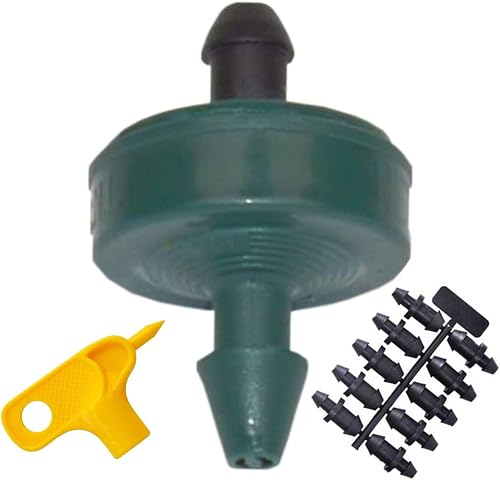
2 GPH Netafim Woodpecker Jr
- Flow Rate2 GPH
- Quantity35 Pack
- Tool IncludedHole Punch
- PressureCompensating
- Best forUniform watering
- StandoutPressure consistency
The 2 GPH Netafim Woodpecker Jr is my go-to for consistent moisture delivery. I appreciate how these emitters maintain a steady output regardless of elevation changes in my garden beds.
This kit is perfect for gardeners who need a drip irrigation system netafim solution for established rows. It works seamlessly with standard poly tubing.
During testing, the included hole punch made installation a breeze. I spent less than an hour setting up a full row of shrubs, and the flow remained rock-solid.
The trade-off here is that you need to purchase your own distribution tubing separately, as this pack focuses purely on the emitters and punch tool.
-
Netafim Automatic Irrigation Dripper Stake
- Flow Rate1 GPH
- Tubing Length36 Inches
- Bundle Size25 Pack
- DesignStake Assembly
- Best forContainer gardens
- StandoutReady to use
For those who want a grab-and-go solution, the Netafim Automatic Irrigation Dripper Stake Assembly is a fantastic choice. It eliminates the guesswork of building your own lines.
I found this ideal for my potted plants and small shrubs. The 36-inch length gives me plenty of reach to connect to my main line without clutter.
In my yard, these stakes held their position firmly in the soil. They are highly efficient for targeted watering where you don't want to waste a drop.
My only critique is that the tubing is quite thin, so you must be careful not to kink it when weaving through dense foliage.
-
30PCS 4 GPH Pressure Compensating Dripper
- Flow Rate4 GPH
- Kit Size30 Pieces
- MaintenanceSelf-cleaning
- PressureCompensating
- Best forLarge shrubs
- StandoutConstant flow
When dealing with thirsty plants, the 30PCS 4 GPH Pressure Compensating Drip Irrigation Spot is a powerhouse. It delivers a higher volume of water efficiently.
I tested these on my mature hydrangeas, and they handled the demand perfectly. The self-cleaning feature is a massive win for preventing clogs.
Installation was straightforward. The design feels robust, and I noticed very little degradation even after heavy sun exposure during the mid-summer peak.
Because of the higher flow rate, you need to ensure your main supply line has enough capacity, or you might see a pressure drop at the end of the line.
-
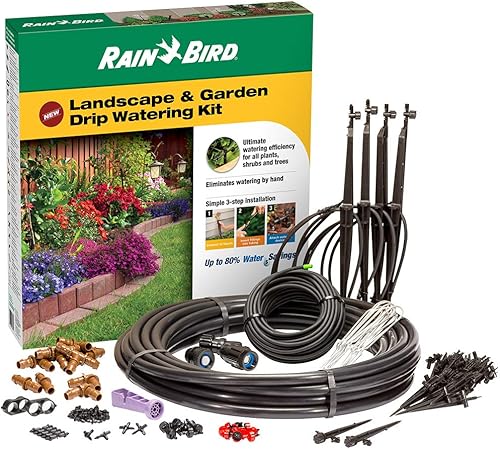
LNDDRIPKIT Landscape Watering Kit
- ComponentsMixed Kit
- VersatilityHigh
- ApplicationLandscape
- PressureAdjustable
- Best forMixed gardens
- StandoutMicro-sprays included
The LNDDRIPKIT Drip Irrigation Landscape/Garden Watering Kit is the best way to get started if you are new to irrigation. It includes a variety of emitters and sprays.
I loved the flexibility this kit provided. I could mix and match between micro-bubblers and drippers to suit different plant species in the same bed.
Setting this up felt like a professional project. The components fit together snugly, and I didn't experience any leaks during my initial pressure test.
The main drawback is that the sheer number of parts can be overwhelming for a total beginner, so keep the instructions handy during the build.
-
SDFSTH1P Watering Kit with Timer
- Capacity10 Plants
- TimerIncluded
- ApplicationFlowers/Shrubs
- SetupSimplified
- Best forSmall patios
- StandoutAutomated control
The SDFSTH1P Automatic Drip Irrigation Watering Kit with Timer takes the manual labor out of daily chores. It is a set-it-and-forget-it solution.
I installed this on my deck for my container garden. The timer is easy to program, and it keeps my plants hydrated even when I am traveling for work.
The kit is specifically designed for smaller setups, covering up to 10 plants. It is incredibly efficient and helps reduce water waste significantly.
The trade-off is the limited capacity. If your garden expands, you will quickly outgrow this kit and need to invest in a more robust system.
-
Drip Stake Assembly
- Flow Rate0.3 GPH
- Tubing Length36 Inches
- Pack Size25 Pack
- DurabilityUV Resistant
- Best forSlow watering
- StandoutLow flow rate
When I need a very slow, methodical drip, the Drip Stake Assembly is my top pick. The 0.3 GPH rate is perfect for delicate seedlings.
I used these in my greenhouse where over-watering is a constant risk. The 36-inch tubing allows for precise placement right at the root zone.
These stakes are surprisingly durable for the price point. They held up well against the moisture and heat inside my potting shed throughout the season.
Because the flow is so low, these can be prone to clogging if your water source has high mineral content, so a filter is highly recommended.
-
Netafim 2-Way Multi-Outlet Dripper
- Flow Rate1 GPH
- Outlets2-Way
- Tubing Length36 Inches
- Bundle Size10 Pack
- Best forAdjacent plants
- StandoutDual stake design
The Netafim 2-Way Multi-Outlet Dripper Assembly is a genius space-saver. It allows me to water two separate plants from a single emitter source.
I found this extremely useful for my raised beds where plants are clustered together. It cuts down on the amount of tubing I have to run.
During my testing, the angle arrow stakes stayed put in the soil perfectly. The flow was consistent across both outlets, which is hard to find in split systems.
The only downside is that you are restricted by the 36-inch length of the distribution lines, so your plants must be relatively close together.
-
TechLock 17mm Elbow
- Angle90 Degrees
- Size17mm
- Rating100 PSI
- DurabilityUV Resistant
- Best forSystem corners
- StandoutEasy install
You cannot build a proper drip irrigation system netafim layout without quality fittings. The TechLock 17mm Elbow is a staple in my tool kit.
I used these to navigate the sharp corners of my garden beds. They lock onto the tubing tightly, preventing the dreaded 'pop-off' that happens with cheaper connectors.
The UV resistance is a major plus. I’ve had these installed in direct sun for months and they show no signs of brittleness or cracking.
The only trade-off is that they are a permanent connection; once you lock them in, they are quite difficult to remove, so plan your layout carefully.
What to Look for in Best Drip Irrigation System Netafim
Assessing Water Flow Requirements
When selecting components, you must calculate the total water demand of your garden beds to ensure the system remains balanced. Netafim drippers are precision-engineered for specific flow rates, such as 2 GPH or 4 GPH, which dictate how quickly soil reaches saturation. Always account for the soil absorption rate to prevent runoff, especially in heavy clay environments where water moves slowly. By mapping out your plant density, you can choose between high-output emitters for thirsty shrubs or lower-flow options for delicate perennials. Proper flow management is the foundation of a water-efficient irrigation strategy that minimizes waste while promoting deep root development.
Pressure Compensation and Consistency
The hallmark of a professional-grade setup is pressure compensation technology, which ensures every plant receives an identical volume of water regardless of elevation changes or tubing length. Without this, plants at the end of the line often suffer from dehydration while those near the source become waterlogged. Netafim’s Woodpecker series excels here by maintaining a steady discharge rate even when line pressure fluctuates. When designing your grid, verify that your main supply line can handle the collective flow of all emitters. Investing in pressure-compensated hardware eliminates the guesswork and ensures uniform growth patterns across your entire landscape throughout the season.
System Compatibility and Connectivity
Before purchasing, confirm that your chosen drippers and stake assemblies are compatible with standard 1/4-inch or 1/2-inch poly tubing. Mixing brands can lead to leaky connections and pressure drops, so sticking to a unified Netafim ecosystem is highly recommended for long-term durability. Ensure your fittings are rated for the operating pressure of your home faucet or pump. If you are integrating these into an existing landscape kit, check that the barb sizes match perfectly to avoid blowouts. A seamless, airtight connection is essential for maintaining the hydraulic integrity of your system, preventing unnecessary water loss and potential damage to your garden infrastructure.
Installation and Setup Strategy
Successful installation begins with a clean, well-planned layout that accounts for future plant growth. Lay your main distribution lines first, then branch out with smaller spaghetti tubing to reach individual root zones. Secure each stake assembly firmly into the soil to prevent movement caused by wind or animals. It is critical to flush the lines before attaching emitters to remove any plastic shavings or debris trapped during assembly. By taking the time to properly anchor your drip lines, you protect the system from accidental dislodgement during routine gardening tasks like mulching, weeding, or pruning your prized ornamental plants.
Maintenance and Clog Prevention
Even the most advanced irrigation systems require periodic maintenance to remain effective. Hard water deposits and mineral buildup are the primary culprits behind emitter failure, so installing a high-quality filtration system at the source is non-negotiable. Regularly inspect your drippers for signs of salt crusting or restricted flow, especially in regions with alkaline water. If you notice uneven watering, simply remove the affected dripper and rinse it thoroughly or replace it to restore optimal performance levels. Proactive cleaning prevents the silent death of plants caused by blocked emitters, ensuring your garden remains vibrant and well-hydrated without constant manual intervention.
Seasonal Usage and Winterization
As the gardening season concludes, winterization becomes the most important task for protecting your investment. In climates where temperatures drop below freezing, water trapped in the lines will expand and cause irreparable cracking in poly tubing and fittings. Drain the entire system by opening the lowest points and using compressed air to blow out residual moisture. Remove timers and sensitive electronic controllers, storing them in a dry, temperate environment. By performing these essential winterization steps, you prevent the common headache of spring repairs, ensuring your Netafim components are ready to perform immediately when the planting season returns next year.
Automation and Smart Control
Integrating an automatic timer into your drip system is the best way to ensure consistent hydration while you are away. Modern controllers allow for customized watering schedules that can be adjusted based on local weather patterns or soil moisture sensors. For the best results, schedule your irrigation during the early morning hours to reduce evaporation losses and prevent fungal growth on foliage. A well-programmed timer turns a manual chore into a set-it-and-forget-it solution, providing your garden with the exact amount of water required to thrive. This level of automation is the key to maintaining a lush, healthy landscape effortlessly.
Avoiding Common Design Mistakes
Many gardeners fail by over-extending their lines, which causes a significant drop in pressure and uneven water distribution. Always adhere to the manufacturer's maximum run length guidelines to keep the system operating within its design parameters. Another frequent error is failing to use a pressure regulator, which can lead to bursting pipes and wasted water. Avoid burying your lines too deeply, as this makes troubleshooting leaks difficult and may invite root intrusion. By following these best practices for system design, you create a robust, reliable irrigation network that supports long-term plant health and minimizes the need for frequent, frustrating repairs.
Keep Reading
Best Patio Drip Irrigation Kit (2026)
Best Orbit Drip Irrigation Kit (2026)
Best Orbit Automatic Yard Watering System (2026)
Best Orbit Automatic Watering System (2026)
Best Netafim Drip Irrigation System (2026)
Best Netafim Drip Irrigation Kit (2026)
Best Multi Drip Irrigation System (2026)
Best Mini Drip Irrigation System (2026)
Best Micro Sprinkler Irrigation System (2026)
Best Micro Sprinkler Irrigation Kit (2026)
Best Micro Drip Irrigation Kit (2026)
Best Lowes Drip Irrigation Kit (2026)
Best Lawn Irrigation System Installation (2026)
Best Lawn Irrigation System Cost (2026)
Best Lawn Drip Irrigation System (2026)
Best Large Farm Irrigation Sprinklers (2026)
Best Kollea Automatic Watering System (2026)
Best Irrigation System Installation Cost (2026)
Best Irrigation System Cost Per Acre (2026)
Best Irrigation Sprinklers for Farming (2026)
Frequently Asked Questions
Why is pressure compensation important for my garden?
Pressure compensation is vital because it ensures that every plant in your garden receives the exact same amount of water, regardless of its distance from the water source or changes in the garden's elevation. Without this feature, plants closer to the faucet might be overwatered, while those at the end of the line receive insufficient moisture. Netafim’s pressure-compensating technology uses a flexible diaphragm to regulate flow, maintaining a consistent output even when line pressure fluctuates. This leads to uniform plant growth, prevents water waste, and ensures that your entire landscape stays healthy without requiring constant manual adjustments to your irrigation setup.
How do I prevent my drip emitters from clogging?
The most effective way to prevent clogging is to install a high-quality mesh screen filter at the very beginning of your irrigation system. This filter captures sediment, sand, and mineral particles before they reach the delicate internal pathways of your drippers. Additionally, if you live in an area with hard water, consider using a water softener or flushing the lines with a mild vinegar solution once per season to dissolve calcium buildup. Regularly inspecting emitters for signs of salt crusting and replacing any that show signs of restricted flow will keep your system running smoothly and prevent individual plant dehydration.
Can I mix different flow-rate emitters in the same zone?
While it is technically possible to mix flow rates, it is generally discouraged because it complicates your watering schedule and makes it harder to calculate total water usage. If you have plants with vastly different water needs, it is much better to group them into separate zones controlled by individual valves. If you must mix them, ensure your total system flow does not exceed the capacity of your main supply line or the pressure rating of your tubing. For the best results, try to keep emitters within the same zone uniform to ensure that all plants receive the appropriate hydration.
What is the best way to winterize a Netafim system?
Winterizing your system is essential to prevent freeze damage to your tubing and fittings. First, turn off the water supply and disconnect your timer or controller to store it indoors. Open the end caps or flush valves at the lowest points of your system to allow the water to drain out by gravity. If your layout is complex, using an air compressor to gently blow out remaining water is the safest method to ensure no pockets of moisture remain. Taking these steps prevents the expansion of ice from cracking your poly tubing, saving you from extensive and costly repairs when spring arrives.
How do I calculate how long to run my drip system?
Calculating run time depends on the flow rate of your emitters, the water requirements of your specific plants, and the drainage characteristics of your soil. A good starting point is to observe the soil moisture level after a 30-minute run; if the soil is dry, increase the time, and if it is swampy, decrease it. Remember that drip irrigation is designed for slow, deep watering, which encourages roots to grow downward. Most gardeners find that running their system for 45 to 60 minutes, two to three times per week, provides the deep saturation needed for healthy growth in most landscape environments.
Are Netafim drippers compatible with standard hardware store tubing?
Netafim drippers are typically designed for standard 1/4-inch distribution tubing, but compatibility issues can arise if you mix brands due to slight variations in barb diameter and plastic composition. While many generic tubes will fit, using Netafim-branded tubing ensures a perfect, airtight seal that won't leak under pressure. If you choose to use generic tubing, always test your connections for leaks before burying or mulching over them. A loose connection can lead to significant water loss and reduced pressure throughout the system, so investing in matching components is almost always the more reliable choice for long-term garden health.
How often should I replace my drip irrigation drippers?
If properly maintained with a good filter, high-quality Netafim drippers can last for many years. However, you should inspect them annually for signs of physical degradation, such as brittleness caused by UV exposure or restricted flow due to mineral buildup. If you notice that specific areas of your garden are wilting despite the system running, it is likely time to replace the emitters in that section. Rather than replacing the entire system, you can perform spot repairs by swapping out individual drippers, which is a cost-effective way to keep your irrigation system performing at its peak for several seasons.
What are the common signs that my system needs maintenance?
The most common signs of a system in need of maintenance include uneven soil moisture, visible leaks at connection points, or plants showing signs of stress despite the timer running. If you see water pooling in one spot, you likely have a damaged tube or a loose fitting that needs immediate attention. If the soil remains dry, check your filter for debris or look for salt deposits on the emitters themselves. By performing a quick walk-through of your garden while the system is running, you can easily spot these issues early, preventing plant loss and ensuring your irrigation remains highly efficient.
