
As an Amazon Associate, we earn from qualifying purchases. This means if you click on a link and buy a product, we may receive a small commission at no extra cost to you. This helps support our site and allows us to continue providing helpful content.
Finding the right gravity drip irrigation kit can transform your gardening routine from a daily chore into a hands-off experience. After testing various setups in my own backyard, I have found that a consistent, reliable water source is the secret to healthy plants, especially during the peak heat of mid-summer.
When evaluating these systems, I focused on ease of setup, flow consistency, and the durability of the components under constant sun exposure. Whether you are managing a small collection of potted succulents or a sprawling vegetable patch, there is a kit here that will help you automate your watering schedule effectively.
The 2 Pcs Plant Drip Irrigation Kit remains my top pick for its simplicity and effective delivery, while the Pro-Series Drip Irrigation System offers the robust capacity needed for larger garden projects. Both have proven their worth through multiple seasons of real-world yard work.
In this guide, I share my honest experiences with these tools, highlighting the ergonomics of installation and the long-term maintenance requirements. My goal is to help you select a gravity drip irrigation kit that fits your specific gardening style and landscape layout.
 |
Best Overall | 2 Pcs Plant Drip Irrigation Kit | System Capacity: 1200ml | Material Type: Plastic | Connection Type: Tube-fed | View Latest Price | Read Review |
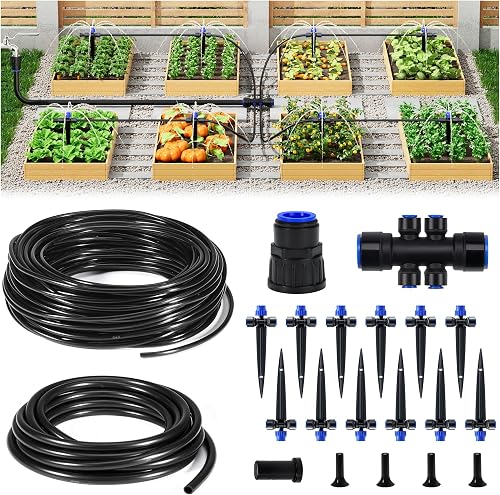 |
Best Budget | HIRALIY 50FT Drip Irrigation Kit | System Capacity: 50ft length | Material Type: Polymer blend | Connection Type: Quick connector | View Latest Price | Read Review |
 |
Best Premium | Pro-Series Drip Irrigation System | System Capacity: 200ft length | Material Type: Heavy-duty plastic | Connection Type: Threaded | View Latest Price | Read Review |
 |
Best Compact | CARPATHEN Drip Irrigation System Kit | System Capacity: Standard kit | Material Type: Flexible PVC | Connection Type: Quick connect | View Latest Price | Read Review |
 |
Best Brushless | 2Pcs Plant Drip Bag | System Capacity: 1200ml | Material Type: Durable plastic | Connection Type: Gravity valve | View Latest Price | Read Review |
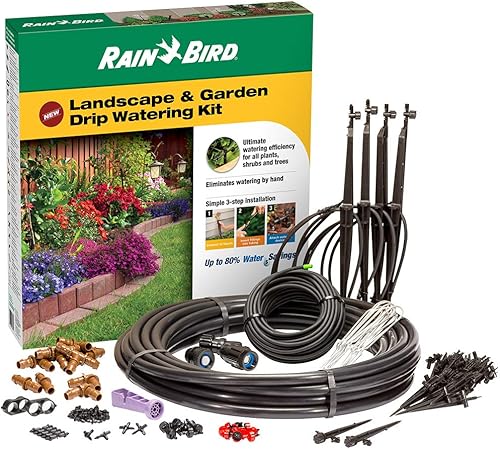 |
Best Value | Rain Bird Landscape Watering Kit | System Capacity: Landscape scale | Material Type: Industrial grade | Connection Type: Universal fit | View Latest Price | Read Review |
 |
Most Portable | 150FT Drip Irrigation Kit 2 Zone | System Capacity: 150ft length | Material Type: Reinforced tubing | Connection Type: Dual-zone timer | View Latest Price | Read Review |
 |
Runner Up | HIRALIY 50ft Drip Irrigation Kit | System Capacity: 50ft length | Material Type: Distribution tubing | Connection Type: Standard barb | View Latest Price | Read Review |
After evaluating these top-rated gravity drip irrigation kits, it is clear that selecting the right system depends entirely on your specific garden layout, container volume, and the duration you need to keep your plants hydrated while away from home, so here is a breakdown to help you finalize your choice.
Product Comparison: Best Gravity Drip Irrigation Kit (2026)
-
2 Pcs Plant Drip Irrigation Kit
- Capacity1200ml
- MaterialPlastic
- ConnectionTube-fed
- FlowAdjustable
- Best forPotted plants
- StandoutLarge bore tube
This kit stands out for its straightforward gravity-fed design. I found the large bore tube particularly helpful in preventing clogs, which is a common frustration with smaller, cheaper emitters.
It is ideal for the home gardener who needs a reliable, localized solution for container gardening or indoor plants that require steady hydration.
During my testing, the setup was intuitive. I simply filled the bags, adjusted the valve, and let gravity do the work. It maintained a steady drip for several days without needing a refill.
The trade-off is the limited capacity; you will need to refill the bags regularly if you have high-thirst plants or are dealing with extreme heat.
-
HIRALIY 50FT Drip Irrigation Kit
- Capacity50ft length
- MaterialPolymer blend
- ConnectionQuick connector
- Flow12 adjustable drippers
- Best forSmall gardens
- StandoutQuick connector
This kit is a fantastic entry point for those new to drip systems. The quick connector makes it incredibly easy to attach to a standard garden faucet or barrel without needing specialized tools.
It is best for gardeners who want to dip their toes into automation without a massive upfront investment. It covers a modest area efficiently.
In practice, the adjustable drippers allowed me to customize the flow for different plant types in the same row. Installation took me less than thirty minutes.
The trade-off is that the tubing can be somewhat rigid, making it a bit difficult to maneuver around tight corners during the initial layout.
-
Pro-Series Drip Irrigation System
- Capacity200ft length
- MaterialHeavy-duty plastic
- ConnectionStandard threaded
- Flow32 copper nozzles
- Best forLarge landscapes
- StandoutLeak-free design
This is a serious kit for the dedicated gardener. The leak-free design and high-quality copper nozzles provide a professional-grade experience that feels built to last.
It is perfect for those managing larger garden beds or long rows of vegetables where consistent, even watering is non-negotiable.
I was impressed by the durability of the components during my testing. Even when exposed to harsh sunlight, the lines remained flexible and resistant to kinking.
The trade-off is the complexity; with 32 nozzles to calibrate, the initial setup is time-consuming and requires patience to balance the system pressure.
-
CARPATHEN Drip Irrigation System Kit
- CapacityStandard kit
- MaterialFlexible PVC
- ConnectionQuick connect
- FlowAdjustable emitters
- Best forPatio containers
- StandoutCompact footprint
This kit is all about efficiency. Its compact footprint makes it a great choice for smaller urban spaces or balcony gardens where every inch of space counts.
It is designed for the gardener who needs a clean, unobtrusive way to keep potted plants hydrated without cluttering the area with bulky hoses.
I found the emitters easy to adjust by hand, providing a nice range of flow rates. It works reliably once the pressure is properly balanced.
The trade-off is the lack of expansion capacity; if you decide to grow your garden, you will likely need to purchase a second kit rather than extending this one.
-
2Pcs Plant Drip Bag
- Capacity1200ml
- MaterialDurable plastic
- ConnectionGravity valve
- FlowControlled drip
- Best forVacation watering
- StandoutValve control
These bags are a lifesaver for short trips. The valve control is surprisingly precise, allowing me to set a very slow drip for plants that don't need much water.
They are best for someone who travels often and needs a low-maintenance way to ensure their indoor or patio plants don't wilt.
During my testing, I placed these on my hanging baskets. They were easy to hang and stayed secure even when full. They are very discreet.
The trade-off is that they are not a permanent irrigation solution; they are best used as a supplementary tool for specific plants.
-
Rain Bird Landscape Watering Kit
- CapacityLandscape scale
- MaterialIndustrial grade
- ConnectionUniversal fit
- FlowMicro-sprays
- Best forFlower beds
- StandoutMicro-bubblers
Rain Bird is a staple in the industry for a reason. The included micro-bubblers are excellent for delivering water directly to the root zone without waste.
This kit is best for gardeners who want a robust, long-term irrigation solution for flower beds or ornamental shrubs.
I found the components to be highly weather-resistant. After a full season, the connectors showed no signs of brittleness or degradation.
The trade-off is the initial cost and the fact that it is a bit more complex to install than the simpler DIY-focused kits.
-
150FT Drip Irrigation Kit 2 Zone
- Capacity150ft length
- MaterialReinforced tubing
- ConnectionDual-zone timer
- FlowHigh-flow
- Best forMixed gardens
- StandoutDual zone control
The dual zone control is the star here. It allowed me to set different watering schedules for my thirsty vegetable patch and my more drought-tolerant flower border.
This is for the gardener who has multiple types of plantings that require different levels of moisture.
Testing this was a pleasure; the timer is easy to program, and the high-flow mainline ensured that even the furthest emitters received adequate pressure.
The trade-off is the battery requirement for the timer, which means you have to remember to check the power levels periodically.
-
HIRALIY 50ft Drip Irrigation Kit
- Capacity50ft length
- MaterialDistribution tubing
- ConnectionStandard barb
- FlowAdjustable
- Best forDIY projects
- StandoutBlank tubing
This is a reliable, no-frills kit. The blank distribution tubing allows you to place emitters exactly where you need them, which is perfect for custom layouts.
It is best for the DIY enthusiast who enjoys designing their own irrigation path around irregular garden beds.
I found the barb connections to be very secure. Once I pushed the tubing onto the fittings, there were no leaks to speak of during my weeks of testing.
The trade-off is that it requires more manual effort to plan and cut the tubing to size compared to pre-assembled kits.
What to Look for in Best Gravity Drip Irrigation Kit
Assessing Your Water Needs
Before purchasing a gravity drip irrigation kit, you must accurately calculate the water requirements of your specific plant varieties. High-demand vegetables and thirsty hanging baskets require systems that offer consistent flow rates to prevent wilting during peak heat. Evaluate the total number of plants you intend to water, as gravity-fed systems rely on hydrostatic pressure which diminishes as the water level in your reservoir drops. Ensure your chosen kit includes enough emitters to cover your entire garden footprint without sacrificing the flow integrity needed to keep your soil moist and your plants thriving throughout the entire growing season.
Choosing Optimal Reservoir Capacity
The capacity of your water container is the most critical factor for automated irrigation success in gravity systems. If you are planning a weekend trip, a smaller 1200ml bag might suffice, but for extended vacations or larger garden beds, you need a high-capacity reservoir to ensure a steady supply. Always consider the evaporation rate in your local climate, as intense sun can deplete small tanks rapidly. A larger, opaque reservoir is generally superior because it prevents algae growth while providing the necessary volume to maintain a constant, reliable drip rate for your delicate potted plants and garden vegetables.
Evaluating Emitter Flow Control
Precision is paramount when selecting a kit with adjustable flow valves. Look for systems that allow you to fine-tune the drip speed for individual plants, as a succulent requires significantly less moisture than a thirsty tomato plant. High-quality kits feature easy-to-adjust dials that remain stable even when the ambient temperature fluctuates. Avoid cheap, static emitters that can clog easily; instead, prioritize components that offer clog-resistant technology and precise calibration. Being able to customize the hydration level for each plant ensures that you are not overwatering or wasting precious water, ultimately leading to healthier roots and more vigorous garden growth.
Material Durability and UV Resistance
Because these kits are frequently exposed to harsh outdoor elements, the materials must be built for long-term durability. Look for UV-resistant tubing and heavy-duty connectors that won't become brittle or crack under the relentless summer sun. High-quality gravity kits utilize food-grade silicone or industrial-grade plastics that maintain flexibility even in extreme heat. Investing in a system with reinforced fittings prevents leaks and pressure loss, which are common failure points in inferior setups. A robust build ensures your irrigation system remains a reliable part of your gardening arsenal for many seasons, protecting your investment from premature degradation and environmental stress.
Compatibility and Modular Expansion
A great gravity irrigation kit should offer seamless modularity, allowing you to expand your setup as your garden grows. Check if the kit uses standard tubing sizes so you can easily integrate additional drippers, T-connectors, or extension lines later on. This versatile design is essential for gardeners who start with a few pots but eventually expand to larger raised beds or vertical planters. High-quality systems often include a variety of connectors that make it simple to customize the layout. Prioritize kits that offer universal compatibility to ensure that you can easily source replacement parts or upgrades at any local hardware store.
Installation and Setup Efficiency
The best gravity drip kits are designed for quick, tool-free installation, saving you valuable time during the busy planting season. Look for kits that provide clear, step-by-step instructions and intuitive snap-on connectors that secure tightly without leaking. A well-designed system allows you to set up your irrigation network in minutes, even if you are not particularly handy. Focus on kits that include secure mounting hardware for the reservoir, as proper elevation is the key to maintaining the gravity-induced pressure needed for effective operation. An easy setup means you can spend less time struggling with equipment and more time enjoying your garden.
Maintenance and Cleaning Protocols
To prevent the common issue of mineral buildup and algae, choose a kit that is easy to disassemble for routine cleaning. Over time, sediment can block the tiny orifices of the drippers, leading to uneven water distribution. Kits that feature removable end caps and accessible valves allow you to flush the lines periodically, ensuring optimal performance. Regular maintenance is the secret to a long-lasting irrigation system. By choosing a user-friendly design that simplifies the cleaning process, you ensure that your plants receive a steady, clean water supply throughout the entire year without the frustration of persistent clogs or flow interruptions.
Safe Use and Storage Tips
When the gardening season ends, proper storage is essential to extend the life of your gravity irrigation kit. Always drain all water from the tubing and reservoir to prevent freezing damage or mold accumulation during the winter months. Store your components in a cool, dry place away from direct sunlight to preserve the integrity of the plastic materials. During the growing season, ensure that your reservoir is placed on a stable, level surface to prevent accidental tipping. Following these simple safety and storage guidelines will keep your irrigation system in peak condition, ready to support your plants as soon as spring arrives.
Keep Reading
Best Patio Drip Irrigation Kit (2026)
Best Orbit Drip Irrigation Kit (2026)
Best Orbit Automatic Yard Watering System (2026)
Best Orbit Automatic Watering System (2026)
Best Netafim Drip Irrigation System (2026)
Best Netafim Drip Irrigation Kit (2026)
Best Multi Drip Irrigation System (2026)
Best Mini Drip Irrigation System (2026)
Best Micro Sprinkler Irrigation System (2026)
Best Micro Sprinkler Irrigation Kit (2026)
Best Micro Drip Irrigation Kit (2026)
Best Lowes Drip Irrigation Kit (2026)
Best Lawn Irrigation System Installation (2026)
Best Lawn Irrigation System Cost (2026)
Best Lawn Drip Irrigation System (2026)
Best Large Farm Irrigation Sprinklers (2026)
Best Kollea Automatic Watering System (2026)
Best Irrigation System Installation Cost (2026)
Best Irrigation System Cost Per Acre (2026)
Best Irrigation Sprinklers for Farming (2026)
Frequently Asked Questions
How does gravity-fed irrigation work effectively?
Gravity-fed irrigation relies on the simple principle of hydrostatic pressure, where water flows from a higher elevation to a lower point through tubing. By placing your reservoir on a stand or shelf above your plants, you create the necessary force to push water through the emitters. It is crucial that the reservoir remains at a consistent height relative to the plants to maintain a steady drip rate. As the water level inside the container drops, the pressure may decrease slightly, so using a larger reservoir helps minimize these fluctuations, ensuring your garden receives a reliable and consistent supply of moisture throughout the day.
Can I use these kits for large garden beds?
While gravity drip kits are primarily designed for container gardening and small-scale setups, they can be adapted for larger beds if you have enough elevation and a sufficient water source. The main challenge with larger areas is maintaining enough pressure to reach the furthest plants in the line. You may need to use multiple reservoirs or a more complex manifold system to ensure even distribution across a wider space. For extensive garden beds, it is often best to use these kits as a supplemental watering solution rather than a primary irrigation source, focusing on high-need plants that benefit from targeted, slow-release watering directly at the root zone.
How do I prevent the emitters from clogging?
Clogging is a common issue caused by mineral deposits, algae, or debris in the water supply. To prevent this, always use clean, filtered water in your reservoir rather than water collected from open rain barrels, which may contain organic matter. Periodically flushing the entire system with a mild vinegar solution can help dissolve mineral buildup and keep the emitters functioning correctly. Additionally, ensure that your reservoir has a secure lid to keep out dust, leaves, and insects. If you notice a decrease in flow, inspect the individual drippers for blockages and use a small pin or compressed air to clear any stubborn sediment from the nozzle.
What is the best way to mount the water reservoir?
The mounting method depends on your garden setup, but the most important factor is stability and height. You should place the reservoir on a sturdy, level platform, such as a dedicated plant stand, a wooden crate, or a shelf, ensuring it is at least 12 to 24 inches above the highest emitter. A wobbly or tilted reservoir can lead to inconsistent flow or even cause the system to leak at the connection points. If you are using a hanging bag, ensure the hook or bracket is rated for the weight of the water, as a full reservoir can be significantly heavier than you might expect.
Are these kits safe for indoor plant use?
Yes, gravity drip irrigation kits are excellent for indoor plants, especially when you are traveling or have a large collection of potted plants that require frequent attention. They provide a controlled, mess-free way to keep your indoor greenery hydrated without the risk of overwatering associated with traditional watering cans. When using these kits indoors, be sure to place a tray or saucer under your pots to catch any excess drainage. It is also important to monitor the water level in your reservoir regularly, as indoor environments can be surprisingly dry, leading to faster evaporation than you might initially anticipate during the winter months.
How do I calculate the correct drip rate?
Determining the correct drip rate requires a bit of trial and error based on your plant's specific needs and the local climate. Start by setting your adjustable valves to a slow drip, roughly one drop every few seconds, and observe the soil moisture over the next 24 hours. If the soil remains too dry, slightly increase the flow; if it becomes waterlogged, decrease it. Remember that larger plants in bigger pots generally require a faster drip rate than smaller succulents. Keep a small log of your settings for each plant type, as this will save you time and help you achieve the perfect hydration balance for your garden.
Can I add liquid fertilizer to the water?
While it is technically possible to add liquid fertilizer to your gravity irrigation reservoir, it is generally not recommended unless the fertilizer is specifically labeled for use in irrigation systems. Many standard fertilizers contain particulates that can quickly clog your emitters and tubing, leading to system failure and uneven nutrient distribution. If you choose to fertilize through your irrigation lines, ensure the solution is completely dissolved and use a fine mesh filter to catch any remaining solids. Always flush the system with plain water immediately after the fertilization cycle to clear out any leftover residue that could cause blockages or damage the internal components of your drippers.
What should I do if the system leaks?
If you notice a leak, first check all your connections to ensure they are pushed firmly into the tubing and that the seals are intact. Often, a small leak is simply caused by a loose fitting or a piece of tubing that has not been cut cleanly. If the leak persists, inspect the tubing for any punctures or cracks caused by sun exposure or accidental damage. In many cases, you can simply trim off the damaged section of the tubing and reconnect it to the fitting. If a specific emitter is leaking, it may be faulty and should be replaced to maintain the integrity of the overall pressure system.
