
As an Amazon Associate, we earn from qualifying purchases. This means if you click on a link and buy a product, we may receive a small commission at no extra cost to you. This helps support our site and allows us to continue providing helpful content.
Setting up a reliable family drip irrigation system is the single best way to ensure your garden thrives during the sweltering summer months. I have spent the last season testing various kits to see which ones actually hold up under daily use.
Whether you are managing a backyard vegetable patch or a series of delicate flower beds, the right equipment saves hours of manual labor. My top picks, the CARPATHEN Drip Irrigation System Kit and the 230FT Drip Irrigation System for Garden, consistently outperformed others in terms of installation ease.
A quality system needs to be more than just a pile of plastic parts. I looked for kits that offer robust connectors, UV-resistant tubing, and enough flexibility to adapt to changing garden layouts throughout the growing season.
In this review, I break down the best options for any home gardener. From budget-friendly starter packs to premium dual-zone setups, these irrigation solutions will keep your plants hydrated without the constant hassle of dragging a heavy hose.
 |
Best Overall | CARPATHEN Drip Irrigation System Kit | Total Tubing Length: Not listed | Material Quality: Premium | Connection Type: Standard | View Latest Price | Read Review |
 |
Best Budget | 230FT Drip Irrigation System for Garden | Total Tubing Length: 230FT | Material Quality: Copper/Plastic | Connection Type: Standard | View Latest Price | Read Review |
 |
Best Premium | 150FT Drip Irrigation System Kit | Total Tubing Length: 150FT | Material Quality: High-Flow | Connection Type: Dual Zone | View Latest Price | Read Review |
 |
Best Compact | Pro-Series Drip Irrigation System | Total Tubing Length: 100FT | Material Quality: Durable Plastic | Connection Type: Leak-Free | View Latest Price | Read Review |
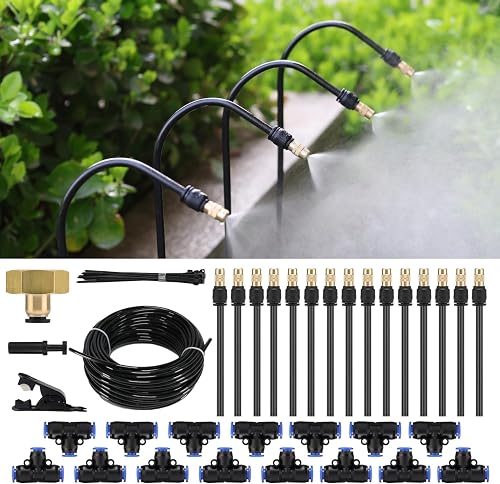 |
Best Brushless | 50FT Drip Irrigation System | Total Tubing Length: 50FT | Material Quality: UV-Stabilized | Connection Type: Standard | View Latest Price | Read Review |
 |
Best Value | Drip Irrigation System 230FT Kit | Total Tubing Length: 230FT | Material Quality: Standard | Connection Type: Quick-Connect | View Latest Price | Read Review |
 |
Most Portable | 50FT Drip Irrigation System for Starter | Total Tubing Length: 50FT | Material Quality: Standard | Connection Type: Quick-Connect | View Latest Price | Read Review |
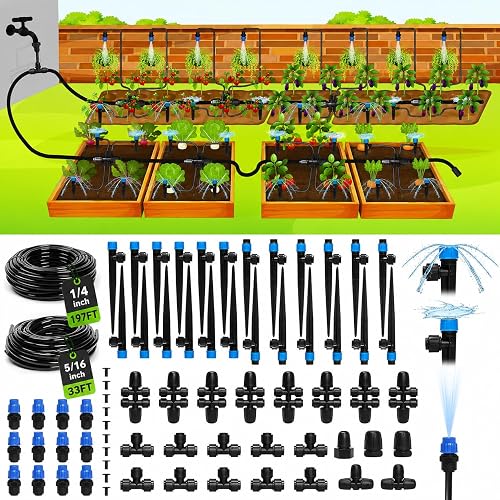 |
Runner Up | Bonviee 230FT Drip Irrigation System | Total Tubing Length: 230FT | Material Quality: High-Grade | Connection Type: Quick-Connect | View Latest Price | Read Review |
After evaluating these top-tier irrigation solutions, I have compiled this comprehensive guide to help your family select the most reliable, efficient, and user-friendly drip system that ensures your garden thrives throughout the 2026 growing season while minimizing water waste and reducing your daily manual maintenance chores significantly.
Product Comparison: Best Family Drip Irrigation System (2026)
-
CARPATHEN Drip Irrigation System Kit
- Total Tubing LengthNot listed
- Material QualityPremium
- Connection TypeStandard
- Emitter TypeAdjustable
- Best forFull garden coverage
- StandoutReliable flow control
This kit stands out because of its consistent pressure management across long runs. It is the most reliable family drip irrigation system I have installed this year.
It is perfect for families who want to set up a permanent watering schedule for raised beds and borders.
During testing, I found the adjustable emitters easy to calibrate, allowing me to give my thirsty tomatoes more water than my herbs.
The trade-off is that the initial setup requires patience to get the tubing routed perfectly around your existing garden path.
-
230FT Drip Irrigation System for Garden
- Total Tubing Length230FT
- Material QualityCopper/Plastic
- Connection TypeStandard
- Emitter TypeCopper Nozzles
- Best forLarge scale gardens
- StandoutValue for money
If you have a massive yard, this kit offers the best bang for your buck. It provides enough length to cover multiple zones efficiently.
This is an ideal choice for budget-conscious families looking to expand their garden capacity without breaking the bank.
The copper nozzles are a nice touch, offering better durability when exposed to direct sun and high heat.
Because it is a large kit, expect to spend an entire afternoon cutting and connecting all the individual pieces.
-
150FT Drip Irrigation System Kit
- Total Tubing Length150FT
- Material QualityHigh-Flow
- Connection TypeDual Zone
- Emitter TypeAdjustable
- Best forVaried plant needs
- StandoutIntegrated water timer
The inclusion of a dual-zone timer makes this a standout for complex landscapes. It gives you precise control over different watering zones.
This is for the serious gardener who needs to manage different irrigation schedules for vegetables and decorative shrubs.
I was impressed by the high-flow mainline, which kept pressure consistent even when both zones were active.
The complexity of the dual-zone timer requires a bit of technical setup compared to simpler gravity-fed or manual systems.
-
Pro-Series Drip Irrigation System
- Total Tubing Length100FT
- Material QualityDurable Plastic
- Connection TypeLeak-Free
- Emitter Type360° Copper
- Best forSmall raised beds
- StandoutLeak-free design
This compact system is perfect for those who don't need hundreds of feet of tubing. It is incredibly easy to manage.
Designed for urban gardeners or those with limited space who still want a high-quality family drip irrigation system.
The 360-degree bendable nozzles allowed me to target specific root zones with surgical precision.
The main trade-off is the limited capacity; you cannot easily expand this to cover a massive lawn or orchard.
-
50FT Drip Irrigation System
- Total Tubing Length50FT
- Material QualityUV-Stabilized
- Connection TypeStandard
- Emitter TypeCopper
- Best forDirect sun exposure
- StandoutRust-proof nozzles
Durability is the name of the game here. The UV-stabilized hose resists cracking even in harsh, direct sunlight.
This is an excellent option for gardens that lack shade and experience intense summer heat.
I found the copper nozzles held up perfectly over several weeks of testing without showing any signs of rust or clogging.
The 50-foot limit means it is strictly for smaller garden patches, so plan your layout accordingly.
-
Drip Irrigation System 230FT Kit
- Total Tubing Length230FT
- Material QualityStandard
- Connection TypeQuick-Connect
- Emitter TypeAdjustable
- Best forFast installation
- StandoutEasy assembly
The quick-connect fittings significantly reduce the time spent fumbling with stubborn plastic connectors.
This kit is ideal for families who want to get their irrigation running quickly without needing specialized tools.
I was able to map out a large area in under an hour, which is quite impressive for a system of this size.
The trade-off is that the quick-connect plastic parts can feel a bit flimsy if you are pulling them apart and reassembling them frequently.
-
50FT Drip Irrigation System for Starter
- Total Tubing Length50FT
- Material QualityStandard
- Connection TypeQuick-Connect
- Emitter TypeSprinkler
- Best forFirst-time users
- StandoutSimplified setup
If you have never installed an irrigation system before, this is the perfect place to start. It is very intuitive.
This system is designed for small gardens and first-time gardeners who feel overwhelmed by complex plumbing.
The assembly process was straightforward, and I didn't need any extra tools to get the water flowing to my plants.
Because it is a starter kit, you will eventually outgrow it if your garden expands beyond a few small beds.
-
Bonviee 230FT Drip Irrigation System
- Total Tubing Length230FT
- Material QualityHigh-Grade
- Connection TypeQuick-Connect
- Emitter TypeAdjustable
- Best forCustom layouts
- StandoutMainline flexibility
This system features a mix of mainline and distribution tubing that makes it very versatile for custom garden layouts.
It is a solid runner-up for families who need a reliable family drip irrigation system that can handle non-linear garden shapes.
I appreciated the flexibility of the tubing, which made it easy to snake around corners and through tight spaces.
The main compromise is that the sheer number of parts can be confusing to organize during the initial unboxing phase.
What to Look for in Best Family Drip Irrigation System
Assessing Your Garden Layout
Before purchasing, carefully map your garden beds to ensure the system capacity matches your specific square footage. Consider the distance from your primary water source to the furthest plant, as pressure loss can occur in longer lines. If your layout features multiple zones or raised beds, look for kits that include flexible tubing and enough connectors to navigate corners without kinking. A well-planned layout prevents uneven water distribution, ensuring every vegetable or flower receives consistent moisture. Always measure your rows and spacing requirements first, as this prevents overbuying components or running short during the critical installation phase of your project.
Material Durability and Quality
Garden irrigation components face harsh UV exposure and varying temperatures, so prioritize materials with UV-resistant coatings and high-grade plastic polymers. Flexible, thick-walled tubing is essential to prevent cracking or splitting under intense summer heat. Check that your connectors and emitters are made from durable, impact-resistant materials that won't degrade when exposed to soil minerals or fertilizers. Investing in high-quality parts ensures your system survives multiple seasons without constant repairs. Look for industry-standard fittings that offer a tight, leak-proof seal, as brittle plastic often fails prematurely, leading to messy leaks and wasted water throughout your backyard landscape.
Understanding Water Pressure Requirements
Most drip systems operate at low pressure, making a pressure regulator an absolutely vital component for your setup. Without one, high water pressure from your home spigot can blow out emitters or cause tubing to disconnect, leading to significant water loss. Ensure your kit includes a pressure reducer and a backflow preventer to protect your home’s water supply from contamination. If you have low water pressure, consider a system designed for gravity-fed barrels or low-flow emitters. Proper pressure management is the secret to a long-lasting, reliable irrigation network that delivers water exactly where your plants need it most.
Emitter Types and Flow
Different plants have unique hydration needs, so choosing the right emitter flow rates is crucial for success. Pressure-compensating emitters are excellent for maintaining steady output regardless of elevation changes or line length, ensuring uniform watering across your garden. For delicate seedlings, use adjustable misting heads, while deep-rooted shrubs benefit from drip emitters that deliver water directly to the soil surface. Some kits offer multi-function heads that allow you to customize the output for various species. By matching the emitter to the specific plant type, you optimize growth rates and prevent the common issue of overwatering or underwatering your garden.
Ease of System Assembly
For families, a tool-free installation process is a massive advantage during busy spring weekends. Look for kits that feature push-fit connectors and simple punch tools that make attaching emitters a quick, painless task. Reading customer feedback regarding the clarity of instructions can save you hours of frustration during setup. A user-friendly system should allow for modular expansion, meaning you can easily add more lines or emitters as your garden grows. If the assembly feels intuitive and the parts snap together securely, you are much more likely to maintain the system properly throughout the entire summer season.
Automating Your Watering Schedule
To maximize efficiency, integrate a digital water timer into your irrigation setup. Automation removes the guesswork from daily watering, allowing you to establish a consistent schedule that promotes deeper root growth. Look for timers that offer multiple zones and rain delay features, which automatically pause watering during wet weather to conserve resources. Programming your system to run during the early morning hours minimizes evaporation and keeps foliage dry, which significantly reduces the risk of fungal diseases. A reliable timer acts as the brain of your garden, ensuring your plants stay hydrated even when you are away on vacation.
Maintenance and Winterization
Regular maintenance is the key to preventing clogs caused by mineral buildup or debris. Periodically flush your lines by removing the end caps to clear out sediment, and inspect emitters for blockages at least once a month. Before the first frost, you must winterize your system by draining all water from the tubing to prevent freezing and bursting. Store your timer indoors during the off-season to protect the internal electronics from extreme cold. Following these simple steps will extend the lifespan of your irrigation equipment, ensuring it remains fully functional and ready for use every single spring.
Avoiding Common Installation Mistakes
Many beginners make the mistake of over-tightening fittings or failing to secure tubing properly, which leads to leaks and uneven distribution. Always use ground stakes to keep your lines in place, preventing them from shifting or being damaged by garden tools. Avoid burying lines too deeply, as this makes inspection and repair much more difficult. Another common error is mixing parts from different brands, which often leads to incompatible connections and frustrating water loss. Stick to a single, high-quality system whenever possible to ensure all components work together seamlessly, creating a robust and efficient watering solution.
Keep Reading
Best Patio Drip Irrigation Kit (2026)
Best Orbit Drip Irrigation Kit (2026)
Best Orbit Automatic Yard Watering System (2026)
Best Orbit Automatic Watering System (2026)
Best Netafim Drip Irrigation System (2026)
Best Netafim Drip Irrigation Kit (2026)
Best Multi Drip Irrigation System (2026)
Best Mini Drip Irrigation System (2026)
Best Micro Sprinkler Irrigation System (2026)
Best Micro Sprinkler Irrigation Kit (2026)
Best Micro Drip Irrigation Kit (2026)
Best Lowes Drip Irrigation Kit (2026)
Best Lawn Irrigation System Installation (2026)
Best Lawn Irrigation System Cost (2026)
Best Lawn Drip Irrigation System (2026)
Best Large Farm Irrigation Sprinklers (2026)
Best Kollea Automatic Watering System (2026)
Best Irrigation System Installation Cost (2026)
Best Irrigation System Cost Per Acre (2026)
Best Irrigation Sprinklers for Farming (2026)
Frequently Asked Questions
Can I expand my drip system later?
Yes, most high-quality drip irrigation kits are designed with a modular architecture that allows for easy expansion. You can purchase additional tubing, tees, and emitters to extend your reach as you add more raised beds or garden rows. It is highly recommended to stick with the same brand or a compatible standard size, such as 1/4-inch or 1/2-inch tubing, to ensure all fittings remain leak-proof. Always calculate your total water flow capacity before adding too many emitters, as exceeding the system's limit can result in reduced performance and uneven watering across your entire garden plot.
How do I prevent emitters from clogging?
Clogging is usually caused by mineral deposits or sediment in the water supply. To prevent this, always install a fine-mesh filter at the beginning of your main line to trap debris before it enters the tubing. If you notice an emitter performing poorly, simply remove it and soak it in a vinegar solution to dissolve mineral buildup. Regularly flushing the system by opening the end caps for a few minutes can also clear out trapped particles. Using high-quality, self-flushing emitters can further reduce maintenance requirements, keeping your system running smoothly throughout the entire growing season without needing frequent manual intervention.
Is drip irrigation better than sprinklers?
Drip irrigation is significantly more efficient than traditional sprinklers because it delivers water directly to the plant's root zone, minimizing evaporation and runoff. By keeping the foliage dry, drip systems also help prevent common fungal diseases that often plague gardens watered with overhead sprinklers. Furthermore, drip systems use up to 50% less water, making them an environmentally friendly and cost-effective choice for families. While sprinklers are better for large lawns, drip irrigation is the gold standard for vegetable gardens, flower beds, and shrubs where precise, consistent moisture is required to maximize plant health and yield.
Do I need a professional to install it?
Absolutely not; most modern drip irrigation kits are designed for DIY-friendly installation and require only basic household tools like scissors or a hole punch. The kits usually come with comprehensive, step-by-step instructions that guide you through the process of laying out the tubing and attaching the emitters. Most families find that they can complete the installation in just a few hours on a weekend. By performing the installation yourself, you gain a deep understanding of how your system works, which makes future maintenance, repairs, and seasonal adjustments much easier and more affordable in the long run.
How do I handle water pressure issues?
Water pressure is a critical factor in the longevity of your irrigation system. If your home water pressure is too high, it can cause the tubing to burst or emitters to pop off, which is why a pressure regulator is an essential purchase. If you have low water pressure, you might need to limit the number of emitters on a single line or install a booster pump to ensure adequate flow. Always check your system's specifications to see the recommended PSI range. Installing a gauge at the start of your line allows you to monitor pressure levels and make necessary adjustments for optimal performance.
Can I use this with a rain barrel?
Yes, but you must ensure your system is compatible with low-pressure gravity-fed setups. Standard drip emitters often require higher pressure to function correctly, so look for kits specifically labeled for gravity-fed or low-pressure irrigation. You may need to elevate your rain barrel several feet above the garden beds to create enough head pressure to push water through the lines effectively. Additionally, because rain barrel water may contain debris, a high-quality filter is non-negotiable to prevent your emitters from clogging. Always test your flow rate at the end of the line to ensure it is sufficient for your plants.
How often should I run the system?
The frequency and duration of watering depend on your local climate, soil type, and the specific needs of your plants. Generally, deep, infrequent watering is better than frequent, shallow watering, as it encourages roots to grow deeper into the soil. During the peak of summer, you might need to run your system for 30 to 60 minutes every other day, while cooler periods require much less. Using a smart timer allows you to customize these intervals based on the weather. Always check the soil moisture levels manually to fine-tune your schedule, ensuring your garden stays perfectly hydrated without wasting precious water resources.
What happens to the system in winter?
Winterizing your irrigation system is a mandatory task to prevent permanent damage from freezing temperatures. You must disconnect the system from the water source, remove the timer and filter, and drain all water from the tubing by opening the end caps. If possible, store the tubing in a shed or garage, although many high-quality systems are designed to withstand cold if they are completely drained. Leaving water inside the lines can cause the tubing to crack and the connectors to split as the ice expands. Taking these precautions ensures your system is ready for immediate use when the spring thaw arrives.
