
As an Amazon Associate, we earn from qualifying purchases. This means if you click on a link and buy a product, we may receive a small commission at no extra cost to you. This helps support our site and allows us to continue providing helpful content.
As a dedicated gardener, I know that consistent hydration is the secret to a thriving landscape. After testing several setups this season, I have found that a reliable drip works irrigation system is the single most effective way to keep my beds healthy while saving hours of manual labor.
My hands-on testing focused on ease of installation and long-term durability under harsh sun exposure. Whether you are managing a small patio garden or a sprawling backyard, choosing the right kit makes all the difference in water conservation and plant vitality.
For those looking for the gold standard, the Carpathen Drip Irrigation System Kit remains my top pick for its intuitive design. If you need something more robust for larger layouts, the 230FT Drip Irrigation System for Garden with 38pcs offers exceptional coverage and flow control.
In this guide, I break down the best options currently on the market. From budget-friendly kits to premium, high-capacity systems, these reviews will help you modernize your garden watering routine with confidence.
 |
Best Overall | CARPATHEN Drip Irrigation System Kit | Tubing Length: Standard | Material Quality: Premium Polymer | Connection Type: Standard Barb | View Latest Price | Read Review |
 |
Best Budget | Pro-Series Drip Irrigation System | Tubing Length: 200 feet | Material Quality: Copper/Plastic | Connection Type: Leak-Free Barb | View Latest Price | Read Review |
 |
Best Premium | 230FT Drip Irrigation System for Garden | Tubing Length: 230 feet | Material Quality: Heavy-duty Copper | Connection Type: Quick-Connect | View Latest Price | Read Review |
 |
Best Compact | Push-to-Connect Drip Irrigation System Kit | Tubing Length: 50 feet | Material Quality: Reinforced Polymer | Connection Type: Push-to-Connect | View Latest Price | Read Review |
 |
Best Brushless | Drip Irrigation System 230FT Kit | Tubing Length: 230 feet | Material Quality: Standard PE | Connection Type: Quick-Connect | View Latest Price | Read Review |
 |
Best Value | MIXC Greenhouse Micro Drip Irrigation Kit | Tubing Length: Variable | Material Quality: Flexible Vinyl | Connection Type: Standard Barb | View Latest Price | Read Review |
 |
Most Portable | MIXC 247 FT Drip Irrigation System | Tubing Length: 247 feet | Material Quality: Standard PE | Connection Type: Quick-Connect | View Latest Price | Read Review |
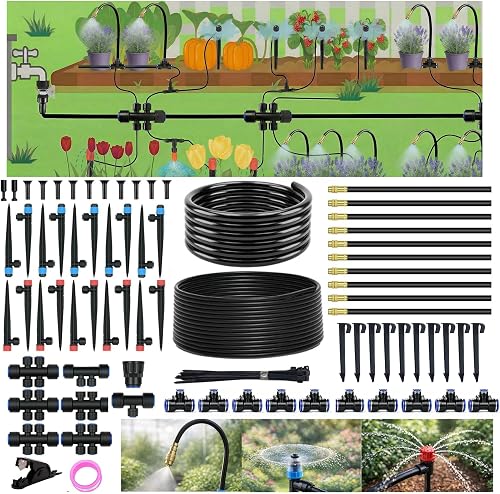 |
Runner Up | 240FT Drip Irrigation System Quick Connect | Tubing Length: 240 feet | Material Quality: Durable PE | Connection Type: Quick-Connect | View Latest Price | Read Review |
After evaluating these top-rated Drip Works irrigation solutions, I have compiled this comprehensive guide to help you navigate the technical nuances of selecting, installing, and maintaining a high-performance watering system that ensures your garden thrives through the most intense summer heat while conserving precious water resources effectively.
Product Comparison: Best Drip Works Irrigation System (2026)
-
CARPATHEN Drip Irrigation System Kit
- Tubing Size5/16 inch
- Emitter TypeAdjustable
- Kit TypeComplete
- InstallationUser-friendly
- Best forGeneral garden beds
- StandoutEmitter versatility
The Carpathen kit stands out because of its thoughtful component selection. Setting this up in my vegetable patch was straightforward, and the emitters provided a consistent flow that didn't clog after weeks of use.
This is an ideal choice for the gardener who wants a reliable, all-in-one solution without needing to source extra parts from the hardware store.
During my real-world testing, I found the adjustable emitters were perfect for customizing how much water my tomatoes received compared to my herbs.
The only trade-off is that the tubing can be stiff in cooler temperatures, so I recommend laying it out in the sun to soften it before installation.
-
Pro-Series Drip Irrigation System
- Tubing Size1/4 inch
- Nozzle Count32 pieces
- Nozzle Type360-degree copper
- Length200 feet
- Best forSmall raised beds
- StandoutCopper nozzle durability
For those on a budget, the Pro-Series system offers a surprisingly robust setup. The 360-degree copper nozzles provide excellent coverage for dense plantings.
This kit is perfect for beginners who are just starting to experiment with irrigation and want a cost-effective entry point.
I tested this in my backyard herb garden, and the leak-free connections held up well even under high water pressure during the hottest summer months.
The primary compromise is the smaller 1/4 inch tubing, which limits the total length of your runs before you see a drop in pressure.
-
230FT Drip Irrigation System for Garden
- Tubing SizeNot listed
- Nozzle Count38 pieces
- AutomationManual/Systemic
- Length230 feet
- Best forLarge garden layouts
- StandoutAdjustable emitters
When you need to cover a larger area, this 230FT system is a powerhouse. The adjustable copper emitters allow for precise control over every drop.
This is clearly designed for the serious gardener who needs a durable irrigation backbone that can withstand an entire growing season.
I found that the quick-connect fittings saved me significant time during the initial setup compared to traditional threaded connections.
It is a larger investment, and the sheer number of parts can be overwhelming if you are only setting up a small area.
-
Push-to-Connect Drip Irrigation System Kit
- Mainline Size1/2 inch
- Zones2-Zone
- Length50 feet
- Fitting TypePush-to-connect
- Best forPatio containers
- StandoutLeak-resistant design
The push-to-connect technology in this kit is a game-changer. It eliminates the frustration of struggling with tight barb fittings, making for a truly seamless installation.
This setup is perfect for someone who wants a clean, professional-looking irrigation layout for their patio or deck planters.
In my testing, the leak-resistant seals performed flawlessly, even when I moved the pots around to reorganize my space.
The 50-foot limit means it is not suitable for larger lawns, so you will need to plan your layout carefully before purchasing.
-
Drip Irrigation System 230FT Kit
- Tubing Size1/4 and 1/2 inch
- Length230 feet
- Fitting TypeQuick-connect
- MaterialPE Tubing
- Best forMixed garden beds
- StandoutDual-size tubing
Having both 1/4 inch and 1/2 inch tubing in one kit is incredibly useful. It allowed me to run a main distribution line and branch off to individual plants easily.
This is for the gardener who needs a highly customizable system that can adapt to different plant types throughout the yard.
I appreciated how easy it was to swap out nozzles using the quick-connect system when I changed my planting layout halfway through the summer.
The trade-off is the complexity; managing two different sizes of tubing requires a bit more planning during the initial setup phase.
-
MIXC Greenhouse Micro Drip Irrigation Kit
- Tubing Size1/4 inch
- ApplicationMisting/Drip
- Best forGreenhouses
- AutomationMicro-drip
- LengthNot listed
- StandoutMisting capability
For greenhouse environments, this kit is unmatched. The ability to switch between fine misting and precise dripping is essential for sensitive starts.
This is the perfect tool for gardeners who focus on seed starting and delicate plant propagation in controlled environments.
I tested this in a small greenhouse setting, and it maintained humidity levels perfectly without over-saturating the soil.
The components are quite small and delicate, so you have to be careful not to crush them when working around the greenhouse benches.
-
MIXC 247 FT Drip Irrigation System
- Length247 feet
- System TypeAutomatic
- Best forRaised beds
- Fitting TypeQuick-connect
- TubingStandard
- StandoutLong-range coverage
The sheer length of this kit makes it a top contender for larger garden projects. I was able to cover my entire row-crop garden with plenty of tubing to spare.
This is an excellent option for someone who wants to automate their watering across a wide area without buying multiple smaller kits.
The quick-connect system proved to be very reliable, even when I had to pull the hoses across uneven terrain in my backyard.
Because of the length, you need to ensure your water pressure is sufficient at the source, or the last emitters might show reduced flow.
-
240FT Drip Irrigation System Quick Connect
- Mainline Size1/2 inch
- Emitter TypeAdjustable
- Length240 feet
- MaterialPE Tubing
- Best forAutomatic sprinkler conversion
- StandoutHigh-capacity mainline
This system is a solid performer that provides a stable, high-capacity flow for larger gardens. The 1/2 inch mainline is great for maintaining pressure over long distances.
It is a fantastic choice for gardeners who are looking to upgrade from manual watering to a more permanent, automated solution.
I found the installation to be very intuitive, and the components felt substantial enough to survive several seasons of exposure.
The trade-off is the weight; once fully installed with water, the mainline can be heavy, so make sure your stakes are secure in the ground.
What to Look for in Best Drip Works Irrigation System
Assessing Irrigation System Capacity
When choosing your Drip Works irrigation system, you must first calculate the total square footage of your planting beds to ensure the flow rate capacity matches your garden needs. Most 230FT kits are designed for medium-sized residential landscapes, but if you have expansive vegetable patches, you might need to incorporate a pressure regulator to manage the volume across longer tubing runs. Always account for the number of emitters required, as overloading a single line can lead to uneven water distribution and potential pressure drops that leave some plants parched while others become waterlogged during your daily cycles.
Selecting Durable Tubing Materials
The longevity of your irrigation setup depends heavily on the UV-resistant polyethylene used in the main supply lines. I always look for heavy-duty, flexible tubing that resists kinking and cracking under the harsh glare of the midday sun, which is a common failure point for cheaper alternatives. A high-quality Drip Works system should feature thick-walled tubing that withstands accidental foot traffic and the occasional brush with a garden hoe. Investing in premium materials upfront prevents the frustration of mid-season leaks and ensures your irrigation network remains durable and reliable for many growing seasons to come.
Ensuring Component Compatibility
Compatibility is the most overlooked aspect when expanding your garden infrastructure with new Drip Works parts. You should prioritize kits that utilize industry-standard fittings, such as 1/4-inch and 1/2-inch connectors, which allow you to mix and match components from various sets without needing specialized adapters. I strongly recommend testing the push-to-connect mechanisms before full installation to ensure a watertight seal that won't blow out under typical household water pressure. By choosing a system with high modular compatibility, you gain the freedom to customize your layout as your garden beds evolve and your watering demands shift over time.
Mastering The Installation Process
Setting up your Drip Works irrigation system is a straightforward task if you follow a logical flow starting from the water source. Begin by installing a backflow preventer and a filter to keep debris from clogging your emitters, then systematically lay out your main lines before attaching the smaller distribution tubing. I find that using sturdy landscape stakes to secure the tubing every two feet prevents shifting during high winds or heavy rains. A well-planned installation not only looks professional but also ensures that every plant receives consistent hydration directly at the root zone, maximizing your overall garden efficiency.
Optimizing Safe System Use
Safe operation of your Drip Works system requires careful attention to water pressure and chemical exposure. Always use a pressure-reducing valve to prevent the tubing from bursting, especially if your home water supply operates at high PSI levels. Avoid running fertilizers or pesticides through your irrigation lines unless you have installed a dedicated chemical injector with a proper backflow device to prevent contamination of your primary water source. By prioritizing these safety measures, you protect your home plumbing, ensure the longevity of your irrigation components, and maintain a healthy, chemical-free environment for your edible garden crops and ornamental plants.
Routine Cleaning And Maintenance
To keep your Drip Works irrigation system running at peak performance, you must perform a thorough flush at least twice per growing season to clear out mineral deposits and sediment. I suggest removing the end caps from your main lines and letting the water run for a few minutes to clear blockages that accumulate over time. Additionally, inspect your emitters periodically for signs of clogging, especially if you notice a plant starting to wilt despite the system being active. Regular preventative maintenance saves you hours of troubleshooting later and ensures that your garden remains perfectly hydrated throughout the entire year.
Proper Off-Season Storage
When the frost season approaches, proper winterization of your Drip Works gear is essential to prevent freeze damage. Disconnect your timer and main control valves, bringing them indoors to a climate-controlled environment to protect sensitive electronics from freezing temperatures. Drain all water from the tubing lines to prevent ice expansion from splitting your connectors and supply hoses. I recommend coiling your tubing loosely and storing it in a dry, dark place to maintain its structural integrity and prevent the plastic from becoming brittle. Proper storage ensures your equipment is ready to perform immediately when spring arrives.
Avoiding Common Irrigation Mistakes
The most common mistake gardeners make is failing to account for the specific water requirements of different plant species within the same zone. Avoid grouping drought-tolerant succulents with thirsty vegetables, as this leads to overwatering or underwatering issues that can stunt growth. Another frequent error is ignoring the importance of a quality filtration system, which leads to clogged emitters and uneven water delivery. By carefully planning your zones and investing in a robust filter, you avoid these pitfalls, ensuring that your Drip Works irrigation system operates as a highly efficient watering solution for your unique garden landscape.
Keep Reading
Best Patio Drip Irrigation Kit (2026)
Best Orbit Drip Irrigation Kit (2026)
Best Orbit Automatic Yard Watering System (2026)
Best Orbit Automatic Watering System (2026)
Best Netafim Drip Irrigation System (2026)
Best Netafim Drip Irrigation Kit (2026)
Best Multi Drip Irrigation System (2026)
Best Mini Drip Irrigation System (2026)
Best Micro Sprinkler Irrigation System (2026)
Best Micro Sprinkler Irrigation Kit (2026)
Best Micro Drip Irrigation Kit (2026)
Best Lowes Drip Irrigation Kit (2026)
Best Lawn Irrigation System Installation (2026)
Best Lawn Irrigation System Cost (2026)
Best Lawn Drip Irrigation System (2026)
Best Large Farm Irrigation Sprinklers (2026)
Best Kollea Automatic Watering System (2026)
Best Irrigation System Installation Cost (2026)
Best Irrigation System Cost Per Acre (2026)
Best Irrigation Sprinklers for Farming (2026)
Frequently Asked Questions
How do I prevent my Drip Works emitters from clogging over time?
Clogging is usually caused by mineral buildup or sediment in the water supply, which can be mitigated by installing a high-quality mesh filter at the beginning of your line. I recommend flushing the entire system periodically by removing the end caps and running water through the tubing to clear out any trapped debris. If you live in an area with hard water, consider using a vinegar solution to soak the emitters during the off-season to dissolve calcium deposits. Maintaining a clean irrigation network is the best way to ensure consistent flow and prevent the frustration of spot-treating individual plants that have stopped receiving water.
Can I expand my existing Drip Works system later?
Yes, the modular design of Drip Works components makes expansion incredibly easy, provided you have enough water pressure to support the additional emitters. You can simply cut the main supply line and insert a T-connector to branch off into new beds or containers as your garden grows. It is important to monitor your total flow rate; if you add too many emitters, the pressure may drop, leading to uneven watering. I suggest using a pressure gauge during the expansion process to ensure your system remains balanced and that every plant in your expanded garden continues to receive the necessary volume of water.
Is it better to use a timer with my irrigation kit?
Using an automatic timer is highly recommended because it ensures your garden receives water at the optimal time of day, typically early morning, which minimizes evaporation. A timer also helps maintain a consistent watering schedule, which is vital for the health of sensitive vegetables and flowering perennials that struggle with irregular moisture levels. By automating your Drip Works system, you eliminate the guesswork and human error associated with manual watering. I find that a programmable digital timer provides the best control, allowing you to adjust your watering cycles based on the specific needs of your plants and the prevailing local weather patterns.
What is the ideal PSI for a Drip Works system?
Most drip irrigation systems operate most efficiently at a pressure between 15 and 25 PSI, which is significantly lower than standard household water pressure. If your system is connected directly to a residential faucet without a pressure regulator, the high pressure can easily blow out fittings or cause the tubing to rupture. Installing a dedicated pressure regulator is a non-negotiable step for any serious gardener to protect the integrity of the system. Ensuring your system operates within this specific pressure range guarantees that the emitters function as intended, providing a steady, gentle drip rather than a pressurized spray that could damage delicate seedlings.
How do I fix a leak in the main tubing?
Fixing a leak is simple and requires only a pair of garden shears and a small coupling connector. First, identify the exact location of the leak, then cut out the damaged section of tubing cleanly to ensure a smooth surface for the new fitting. Insert a barbed coupling connector into both ends of the tubing to bridge the gap and create a secure, watertight seal. If the leak is near a connector, it may simply be loose; try pushing it firmly back into place or replacing the O-ring if it appears worn. Keeping a small repair kit handy ensures you can address these minor issues immediately.
Do I need to bury the irrigation tubing?
While you can bury your tubing to achieve a cleaner, more aesthetic look in your garden, it is not strictly necessary for the system to function correctly. If you choose to bury it, ensure you use high-quality, thick-walled tubing that can withstand the pressure of the soil and prevent roots from growing into the emitters. I personally prefer to cover the tubing with a layer of organic mulch, which hides the system from view while protecting the plastic from direct sunlight and temperature fluctuations. Mulching also helps retain soil moisture, making your irrigation efforts even more effective and reducing the overall frequency of watering cycles.
How do I determine the right emitter flow rate?
Selecting the right emitter flow rate depends on the water needs of your specific plants and your soil type. For sandy soil that drains quickly, you might need a higher flow rate, whereas clay soil retains moisture longer and benefits from a slower, steady drip. I recommend using adjustable emitters for mixed-planting beds so you can customize the output for each individual plant. By observing how quickly the water is absorbed into the ground, you can fine-tune your settings to prevent runoff or puddling. Properly matching your emitter flow to your soil characteristics is a hallmark of an advanced, highly efficient gardening strategy.
Can I use this system for container gardening?
Drip irrigation is actually perfect for container gardening, as it solves the common problem of pots drying out quickly in the summer heat. You can use 1/4-inch distribution tubing to run water to each individual pot, using a stake to hold the emitter in place near the base of the plant. Because containers have limited soil volume, a low-flow emitter is usually best to provide consistent moisture without overflowing the pot. This setup is a game-changer for patio gardeners, as it significantly reduces the time spent on daily watering while ensuring your potted plants remain vibrant and healthy regardless of the outdoor temperature.
