
As an Amazon Associate, we earn from qualifying purchases. This means if you click on a link and buy a product, we may receive a small commission at no extra cost to you. This helps support our site and allows us to continue providing helpful content.
After spending years hauling heavy hoses around my yard, I finally switched to a dedicated drip irrigation system for trees and shrubs. It is a game-changer for keeping my landscape hydrated without the constant manual labor.
Finding the right setup can be overwhelming, but I have tested several options to see which ones actually hold up to seasonal weather. My top pick, the Raindrip Automatic Drip Irrigation Watering Kit, makes automation simple for busy gardeners.
If you are looking for something more specialized, the ZZM 360° Tree Water System is excellent for targeted root hydration. Whether you have a small garden or a sprawling backyard, there is a kit here that will save you time and water.
Below, I break down my hands-on experience with these systems, focusing on how they handle real-world yard work, durability, and ease of installation.
 |
Best Overall | Raindrip Automatic Drip Irrigation Watering Kit | System Length: Not listed | Material Type: Standard Poly | Connection Type: Timer-based | View Latest Price | Read Review |
 |
Best Budget | Mudder 60 Pcs Flag Drip Emitters | System Length: N/A | Material Type: Hard Plastic | Connection Type: Barbed | View Latest Price | Read Review |
 |
Best Premium | CARPATHEN Drip Irrigation System Kit | System Length: Not listed | Material Type: High-grade Poly | Connection Type: Quick-connect | View Latest Price | Read Review |
 |
Best Compact | ZZM 360° Tree Water System Ring | System Length: Adjustable ring | Material Type: Flexible PVC | Connection Type: Y-Splitter | View Latest Price | Read Review |
 |
Best Brushless | Pro-Series Drip Irrigation System | System Length: 200 FT | Material Type: Copper/Poly | Connection Type: Leak-free | View Latest Price | Read Review |
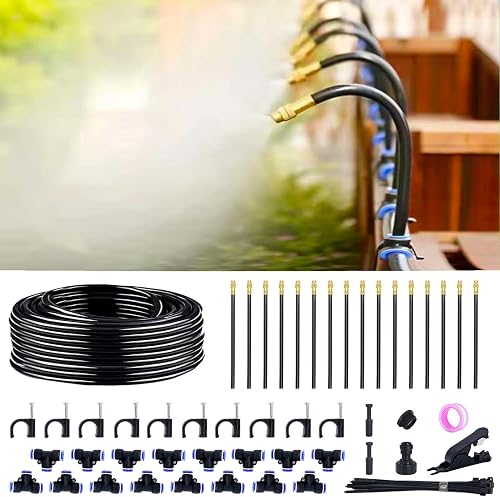 |
Best Value | Thiswing 360° Adjustable Irrigation System | System Length: 50 FT | Material Type: Standard Poly | Connection Type: Threaded | View Latest Price | Read Review |
 |
Most Portable | Push-to-Connect Drip Irrigation Kit | System Length: 50 FT | Material Type: Heavy-duty Poly | Connection Type: Push-to-Connect | View Latest Price | Read Review |
 |
Runner Up | MIXC 230FT Quick-Connect Irrigation Kit | System Length: 230 FT | Material Type: Fast-Lock Poly | Connection Type: Quick-connect | View Latest Price | Read Review |
After evaluating these top-tier irrigation solutions, I have compiled this comprehensive guide to ensure you select the perfect system for your specific landscape needs, focusing on durability, ease of installation, and long-term water efficiency for your trees and shrubs throughout the growing season.
Product Comparison: Best Drip Irrigation System for Trees and Shrubs (2026)
-
Raindrip Automatic Drip Irrigation Watering Kit
- System LengthNot listed
- Material TypeStandard Poly
- Connection TypeTimer-based
- Component CountComplete kit
- Best forAutomated scheduling
- StandoutIntegrated timer
The Raindrip kit is my go-to for setting up a hands-off watering schedule. It takes the guesswork out of daily hydration for my shrubs.
This is perfect for homeowners who want a set-it-and-forget-it solution for their garden beds.
During testing, the timer was responsive and easy to program, even with my limited technical patience.
The trade-off is that the tubing is quite standard, so you will need to be careful not to kink it during installation.
-
Mudder 60 Pcs Flag Drip Emitters
- System LengthN/A
- Material TypeHard Plastic
- Connection TypeBarbed
- Component Count60-pc kit
- Best forCustomizing flow rates
- StandoutColor-coded emitters
If you already have the tubing, these emitters are a steal. They allow for precise flow control at every single plant.
This kit is ideal for gardeners who prefer to build their own custom drip irrigation system for trees and shrubs from scratch.
I found the color coding very helpful for identifying which emitters were pushing out more water for larger trees.
The trade-off is that you have to purchase your own tubing and manifold separately to make these functional.
-
CARPATHEN Drip Irrigation System Kit
- System LengthNot listed
- Material TypeHigh-grade Poly
- Connection TypeQuick-connect
- Component CountComplete set
- Best forHeavy-duty use
- StandoutAdjustable sprinklers
The CARPATHEN kit feels significantly more robust than the standard entry-level options I have used in the past.
It is designed for serious gardeners who need a reliable, long-lasting drip irrigation system for trees and shrubs.
The adjustable emitters were smooth to operate, allowing me to fine-tune the spray radius quite easily.
Because of the higher quality materials, the initial cost is higher, but it feels like a better long-term investment.
-
ZZM 360° Tree Water System Ring
- System LengthAdjustable ring
- Material TypeFlexible PVC
- Connection TypeY-Splitter
- Component CountRing system
- Best forIndividual tree care
- Standout360-degree coverage
This ring system is genius for young trees that need deep, consistent watering around the base.
It is best for those who want a simple way to water specific trees without setting up a massive grid.
I tested this on a sapling in my front yard, and it provided an even soak that reached the root zone perfectly.
The trade-off is that it is strictly for trees and doesn't offer the versatility of a multi-plant irrigation kit.
-
Pro-Series Drip Irrigation System
- System Length200 FT
- Material TypeCopper/Poly
- Connection TypeLeak-free
- Component Count32-pc kit
- Best forLarge garden layouts
- StandoutBendable nozzles
The copper nozzles on the Pro-Series kit are impressive. They hold their shape well even after being adjusted multiple times.
This is a fantastic option for anyone needing a long-reach drip irrigation system for trees and shrubs across a big yard.
I managed to cover my entire side garden with the 200 feet of tubing provided in the box.
The trade-off is the setup time; with 32 nozzles to position, it takes a full afternoon to get everything dialed in.
-
Thiswing 360° Adjustable Irrigation System
- System Length50 FT
- Material TypeStandard Poly
- Connection TypeThreaded
- Component Count16 nozzles
- Best forRaised beds/shrubs
- StandoutAdjustable spray flow
Thiswing offers a great balance of price and functionality for smaller landscape projects.
It is perfect for gardeners who want to expand their system without spending a fortune on high-end kits.
The adjustable nozzles were easy to twist, allowing me to switch between a fine mist and a steady drip.
The trade-off is that the tubing is a bit thin, so I recommend keeping it away from high-traffic areas.
-
Push-to-Connect Drip Irrigation Kit
- System Length50 FT
- Material TypeHeavy-duty Poly
- Connection TypePush-to-Connect
- Component Count2-zone kit
- Best forQuick installation
- StandoutLeak-resistant fittings
The push-to-connect fittings are a lifesaver. No more struggling with stiff tubing or complicated clamps.
This is ideal for anyone who finds traditional irrigation kits frustrating to assemble.
I was able to get two zones running in under an hour, which is much faster than my previous setups.
The trade-off is that the push-to-connect fittings are proprietary, so you are mostly limited to their specific parts.
-
MIXC 230FT Quick-Connect Irrigation Kit
- System Length230 FT
- Material TypeFast-Lock Poly
- Connection TypeQuick-connect
- Component CountLarge kit
- Best forSprawling landscapes
- StandoutDual tubing size
The MIXC kit is massive. Having 230 feet of tubing allowed me to reach the furthest shrubs in my backyard.
This is the ultimate choice for a comprehensive drip irrigation system for trees and shrubs on a larger property.
The fast-lock mechanism held the tubing securely even when I had the water pressure turned up fairly high.
The trade-off is the sheer volume of parts; sorting through everything takes time before you even start digging.
What to Look for in Best Drip Irrigation System for Trees and Shrubs
Assessing Irrigation System Capacity
When choosing a system, you must first calculate the total water requirements of your landscape based on the number of trees and shrubs you intend to nourish. System capacity is determined by the flow rate of your emitters and the total length of tubing the system can support without losing pressure. For larger trees, prioritize kits that offer higher gallon-per-hour outputs, as these ensure deep root saturation. Always check the manufacturer's maximum run length specifications to avoid pressure drops at the end of the line, which can lead to uneven hydration across your garden beds.
Durable Materials and Components
The longevity of your irrigation setup depends heavily on the quality of materials used in the tubing and fittings. Look for UV-resistant polyethylene tubing, which prevents cracking and degradation when exposed to harsh summer sunlight. High-quality connectors and stakes should be made from heavy-duty, impact-resistant plastics to ensure they remain firmly in the soil. Investing in premium components minimizes the risk of leaks and blowouts, which are common issues with cheaper, thin-walled alternatives. By selecting robust materials, you ensure your investment survives multiple seasons, ultimately saving time and money on frequent repairs and replacements.
Ensuring System Compatibility
Before finalizing your purchase, verify that the kit components are compatible with your existing outdoor faucet or irrigation timer. Most standard systems utilize a 1/2-inch main line with 1/4-inch distribution tubing, but some specialty kits use proprietary sizing that may complicate future expansions. Universal compatibility is a major benefit, allowing you to mix and match emitters, pressure regulators, and filters from different brands if necessary. Always check if the kit includes a backflow preventer, as this is a critical safety component required by local building codes to protect your home’s potable water supply from contamination.
Streamlining Installation Processes
Setting up a drip system should be a straightforward weekend project rather than a complex plumbing ordeal. Choose kits that feature tool-free assembly or include a dedicated hole-punch tool for easy emitter insertion. Clear, step-by-step instructions are invaluable, especially if you are a first-time user. I recommend laying out your tubing in the sun for an hour before installation; this makes the material more pliable and easier to snake around tree trunks or through dense shrubbery. A well-designed kit will include ample stakes to secure the lines, preventing them from shifting during heavy wind or rain.
Optimizing Emitter Placement
Proper emitter placement is the secret to thriving trees. Instead of placing water directly against the trunk, which can cause rot, position emitters at the drip line—the outer circumference of the tree’s canopy. This is where the fine root hairs responsible for water absorption are most active. For large shrubs, use multiple emitters spaced evenly around the base to encourage symmetrical root growth. If your soil is sandy, choose emitters with higher flow rates, whereas clay soils require slower, more measured delivery to prevent runoff and ensure the water penetrates deep into the root zone.
Essential Maintenance Routines
To keep your system running efficiently, perform a seasonal check to clear any mineral buildup or debris from the emitters. Routine maintenance is essential in areas with hard water, where calcium deposits can clog small openings and restrict flow. Periodically flush the lines by removing the end caps and letting water run through for a few minutes to clear out sediment. Inspect the tubing for any signs of gnawing by local wildlife or accidental damage from lawn mowers. Catching these issues early prevents minor leaks from escalating into significant water waste and plant stress.
Winterizing and Seasonal Storage
Preparing your irrigation system for winter is a critical step for those living in frost-prone climates. Before the first hard freeze, you must drain the lines completely to prevent ice expansion from bursting the tubing and fittings. If your system is modular, consider disconnecting the main manifold and storing it in a garage or shed. For permanent installations, blow out the lines with compressed air if possible. Proper winterization protects your investment and ensures that the system is ready to operate smoothly as soon as the spring thaw arrives, preventing frustrating leaks in early season.
Avoiding Common Irrigation Mistakes
One of the most frequent errors gardeners make is overwatering, which can be just as detrimental as underwatering. Always monitor your soil moisture levels and adjust your timer accordingly, especially during cooler or rainy weeks. Another common mistake is failing to use a pressure regulator, which is vital for preventing the system from bursting under high city water pressure. Additionally, avoid burying your drip lines too deeply, as this makes them difficult to inspect and repair. By staying observant and following these best practices, you will foster a healthy, vibrant landscape that thrives with minimal intervention.
Keep Reading
Best Patio Drip Irrigation Kit (2026)
Best Orbit Drip Irrigation Kit (2026)
Best Orbit Automatic Yard Watering System (2026)
Best Orbit Automatic Watering System (2026)
Best Netafim Drip Irrigation System (2026)
Best Netafim Drip Irrigation Kit (2026)
Best Multi Drip Irrigation System (2026)
Best Mini Drip Irrigation System (2026)
Best Micro Sprinkler Irrigation System (2026)
Best Micro Sprinkler Irrigation Kit (2026)
Best Micro Drip Irrigation Kit (2026)
Best Lowes Drip Irrigation Kit (2026)
Best Lawn Irrigation System Installation (2026)
Best Lawn Irrigation System Cost (2026)
Best Lawn Drip Irrigation System (2026)
Best Large Farm Irrigation Sprinklers (2026)
Best Kollea Automatic Watering System (2026)
Best Irrigation System Installation Cost (2026)
Best Irrigation System Cost Per Acre (2026)
Best Irrigation Sprinklers for Farming (2026)
Frequently Asked Questions
How do I know if my trees are getting enough water?
Monitoring soil moisture is the most effective way to gauge tree hydration. Use a moisture meter or simply dig a small hole about six inches deep near the drip line to check the soil texture. If the soil is crumbly and dry, your emitters may need to run longer or more frequently. Conversely, if the soil is muddy or smells swampy, you are likely overwatering, which can lead to root rot. Aim for consistently moist but well-drained soil, adjusting your timer based on local weather conditions and the specific water needs of your tree species.
Can I expand my drip system later?
Yes, one of the greatest advantages of modular drip irrigation is its scalability. You can easily add more tubing, tees, and emitters as your garden grows or as you add new shrubs to your landscape. Most systems use standard sizing, making it simple to purchase additional components from hardware stores. When expanding, just ensure your main water source can handle the increased flow rate. If you plan on significant expansion, consider installing a larger manifold or a multi-zone timer to maintain consistent pressure across all sections of your expanded irrigation network.
Will drip irrigation work on sloped landscapes?
Drip irrigation is actually an excellent choice for sloped terrain because it delivers water slowly, allowing the ground to absorb it before it can run off. However, you should use pressure-compensating emitters to ensure that plants at the bottom of the slope receive the same amount of water as those at the top. Without these, gravity would cause the system to drain unevenly. Additionally, securing the tubing firmly with ground stakes is essential on slopes to prevent the lines from sliding downhill or becoming exposed due to soil erosion over time.
How often should I clean my irrigation emitters?
You should aim to inspect and clean your emitters at least twice a year, ideally at the start of the spring and fall seasons. If you notice a specific emitter is not dripping or is spraying erratically, it is likely clogged with mineral deposits or soil debris. Many modern emitters can be disassembled and rinsed under a faucet, while others may need to be replaced entirely if they are permanently sealed. Using a high-quality filter at the start of your system significantly reduces the frequency of these cleanings by trapping sediment before it reaches the emitters.
Is it safe to use drip irrigation with well water?
Using well water with a drip system is perfectly safe, but it requires extra attention to filtration. Well water often contains higher levels of sand, iron, and other minerals that can quickly clog small drip emitters. I strongly recommend installing a fine-mesh screen or disc filter at the beginning of your system to capture these particles. Regularly cleaning this filter is non-negotiable to maintain consistent water pressure. If your well water is particularly hard, you might also consider an inline water softener or a chemical treatment to prevent mineral buildup inside the tubing and emitters over time.
What is the benefit of a pressure regulator?
A pressure regulator is the most important safety component in any drip irrigation setup. Most drip components are designed to operate at low pressure, typically between 15 and 30 PSI. If your home’s water pressure is higher, the tubing can bulge, fittings can pop off, and emitters can blow out, leading to wasted water and potential property damage. A regulator ensures that the water entering your system remains at a safe, consistent level, protecting your infrastructure and ensuring that every emitter functions exactly as intended without risking a catastrophic failure during operation.
Can I hide the tubing for aesthetic reasons?
Yes, you can easily camouflage your drip irrigation tubing to keep your garden looking natural and tidy. Many gardeners cover the tubing with a layer of organic mulch, such as wood chips or pine needles, which serves the dual purpose of hiding the lines and retaining soil moisture. Ensure the mulch is not so thick that it prevents you from easily accessing the lines for maintenance. Avoid burying the tubing deep underground, as this can make it difficult to locate in the future and may lead to root intrusion or accidental damage during routine gardening tasks.
How does weather affect my irrigation schedule?
Your irrigation schedule should be dynamic rather than static. During hot, dry summer months, you will need to increase the duration or frequency of your watering cycles to account for high evaporation rates. Conversely, during cool, rainy periods, you should reduce or even pause the system to prevent overwatering. Many modern irrigation timers feature smart technology that connects to local weather stations to automatically adjust your watering schedule based on real-time data. If you have a manual timer, make it a habit to check the forecast weekly and adjust your settings accordingly for optimal plant health.
