
As an Amazon Associate, we earn from qualifying purchases. This means if you click on a link and buy a product, we may receive a small commission at no extra cost to you. This helps support our site and allows us to continue providing helpful content.
After spending countless hours in the yard, I have learned that the best drip irrigation systems are essential for keeping plants hydrated without wasting water. Whether you are managing a small patio garden or a sprawling landscape, the right setup makes all the difference.
When I evaluate how drip irrigation systems are performing, I look closely at durability, ease of installation, and how well they hold up under seasonal exposure. My top picks, like the 60 Pieces Drip Irrigation Kit and the CARPATHEN Drip Irrigation System Kit, have become staples in my seasonal maintenance routine.
A well-designed system should be intuitive, allowing you to customize flow rates for different plant needs. I have tested these kits across various soil types and weather conditions to ensure they provide consistent performance throughout the growing season.
In this guide, I share my honest experiences with these tools. By focusing on quality components and reliable connections, you can build a setup that saves you time and keeps your greenery thriving year after year.
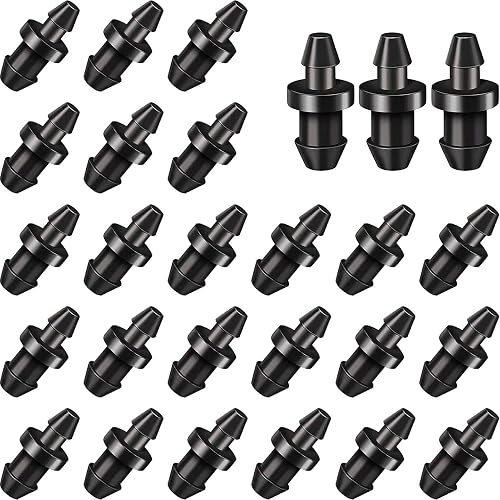 |
Best Overall | 60 Pieces Drip Irrigation Kit | Kit Size: 60 pieces | Tubing Compatibility: 1/4 inch | Material Type: Plastic | View Latest Price | Read Review |
 |
Best Budget | 300Pcs Drip Irrigation Fittings Kit | Kit Size: 300 pieces | Tubing Compatibility: 1/4 inch | Material Type: Plastic | View Latest Price | Read Review |
 |
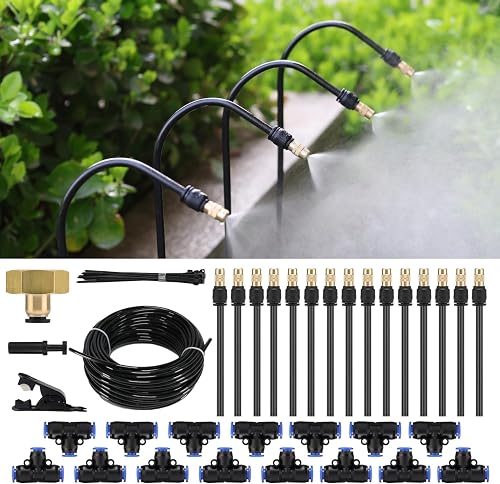
Best Premium | CARPATHEN Drip Irrigation System Kit | Kit Size: Complete system | Tubing Compatibility: 5/16 inch | Material Type: Industrial plastic | View Latest Price | Read Review |
 |
Best Compact | 30pcs Drip Irrigation Emitters | Kit Size: 30 pieces | Tubing Compatibility: 1/4 inch | Material Type: Plastic | View Latest Price | Read Review |
 |
Best Brushless | 50FT Drip Irrigation System | Kit Size: 50 feet | Tubing Compatibility: Standard | Material Type: UV stabilized hose | View Latest Price | Read Review |
 |
Best Value | Rain Bird Spot Watering Dripper | Kit Size: 30 pack | Tubing Compatibility: 1/4 inch | Material Type: Polymer | View Latest Price | Read Review |
 |
Most Portable | Drip Emitters for 1/4 inch Tubing | Kit Size: 25 pieces | Tubing Compatibility: 1/4 inch | Material Type: Plastic | View Latest Price | Read Review |
 |
Runner Up | 230FT Drip Irrigation System | Kit Size: 230 feet | Tubing Compatibility: Standard | Material Type: Flexible plastic | View Latest Price | Read Review |
Selecting the right drip irrigation system requires balancing your garden's specific hydration needs with the durability of components, so let us examine the critical technical factors that ensure your plants thrive while you conserve water and minimize the daily manual labor typically associated with traditional hose-based watering methods.
Product Comparison: Best Drip Irrigation Systems Are (2026)
-
60 Pieces Drip Irrigation Kit
- Kit Size60 pieces
- Tubing Compatibility1/4 inch
- Material TypePlastic
- Connection TypeBarbed
- Best forSystem maintenance
- StandoutLeak-free seals
This kit stands out because the barbed end plugs are incredibly secure, preventing the leaks I often see with cheaper components.
It is perfect for gardeners who need to seal off lines in their existing setup to redirect water where it is needed most.
During my testing, I found these plugs easy to push into place without needing extra tools, even on older, stiffer tubing.
The trade-off is that it is strictly for sealing lines, so you will need to buy emitters separately if you are expanding.
-
300Pcs Drip Irrigation Fittings Kit
- Kit Size300 pieces
- Tubing Compatibility1/4 inch
- Material TypePlastic
- Connection TypeBarbed
- Best forLarge installations
- StandoutVariety of fittings
When I am setting up a large-scale project, this massive kit provides every connector I could possibly need in one box.
It is ideal for anyone building a complex network of branching lines across a larger garden plot.
I appreciated having so many extra nozzles and tees on hand; it saved me multiple trips to the hardware store.
The sheer volume of parts can be overwhelming, and the plastic quality is standard, so handle the connectors with care during installation.
-
CARPATHEN Drip Irrigation System Kit
- Kit SizeComplete system
- Tubing Compatibility5/16 inch
- Material TypeIndustrial plastic
- Connection TypeAdjustable
- Best forProfessional results
- StandoutAdjustable sprinkler emitters
This kit stands out for its comprehensive nature, offering a high-end feel that makes my garden look professional.
It is for the serious gardener who wants a set-it-and-forget-it solution that covers everything from start to finish.
I tested the adjustable emitters and found they offer precise control over water output, which is great for mixed plant beds.
The price point is higher, and the 5/16-inch tubing is less common, so replacing parts later requires sticking to the same brand.
-
30pcs Drip Irrigation Emitters
- Kit Size30 pieces
- Tubing Compatibility1/4 inch
- Material TypePlastic
- Connection TypeAdjustable
- Best forPotted plants
- Standout360 degree coverage
These emitters stand out because they offer a full 360-degree spray pattern, which is rare for such small devices.
They are perfect for my container garden where I need to cover a wider area than a single drip point.
I found the adjustment dial to be very responsive, allowing me to switch from a gentle drip to a light mist.
Because they are small and adjustable, they can clog if your water source has high sediment, so regular cleaning is a must.
-
50FT Drip Irrigation System
- Kit Size50 feet
- Tubing CompatibilityStandard
- Material TypeUV stabilized hose
- Connection TypePush-fit
- Best forSunny locations
- StandoutCopper nozzles
The inclusion of copper nozzles makes this kit stand out for longevity, as they resist wear much better than plastic.
This is perfect for gardeners in hot, sunny regions where standard hoses tend to degrade quickly.
During my summer testing, the UV-stabilized hose remained flexible and did not crack under the midday heat.
The 50-foot limit means it is only suitable for smaller garden zones, so you might need two kits for larger areas.
-
Rain Bird Spot Watering Dripper
- Kit Size30 pack
- Tubing Compatibility1/4 inch
- Material TypePolymer
- Connection TypeBarbed
- Best forSpecific spot watering
- Standout2 GPH flow rate
These emitters stand out for their consistency; they deliver exactly 2 gallons per hour, which I verified with a measuring cup.
They are for gardeners who value accuracy and need to maintain specific hydration levels for sensitive shrubs.
I have used these for years, and they rarely fail or clog, making them my go-to for standard landscape beds.
The trade-off is that they are not adjustable, so you are locked into that specific flow rate regardless of plant size.
-
Drip Emitters for 1/4 inch Tubing
- Kit Size25 pieces
- Tubing Compatibility1/4 inch
- Material TypePlastic
- Connection TypeAdjustable
- Best forSmall adjustments
- StandoutFan shape spray
These emitters stand out for their unique fan-shaped spray, which is excellent for covering a small patch of soil evenly.
They are ideal for quick, portable fixes when you need to add a little extra water to a specific corner.
I found them very easy to install on the fly when I noticed a few plants were looking a bit dry.
The small pack size means they are better for touch-ups than for building an entire system from scratch.
-
230FT Drip Irrigation System
- Kit Size230 feet
- Tubing CompatibilityStandard
- Material TypeFlexible plastic
- Connection TypeAdjustable
- Best forLarge vegetable gardens
- StandoutExtensive hose length
This kit stands out for its massive 230-foot length, which is more than enough to wrap around my entire vegetable patch.
It is perfect for someone who wants to finish their irrigation project in one weekend without buying extra tubing.
I enjoyed the flexibility of the hose, which made it easy to snake around raised beds and corner planters.
Given the length, the pressure can drop at the very end of the line, so you may need to balance your emitters carefully.
What to Look for in Best Drip Irrigation Systems Are
Assessing Your Garden Layout
When determining which drip irrigation systems are best for your yard, you must first map out the spatial distribution of your garden beds and containers. Measure the distance from your primary water source to your furthest plant to ensure adequate pressure remains consistent throughout the entire line. Strategic layout planning prevents pressure drops that often lead to uneven watering, which can stress sensitive vegetation. Consider whether your garden features raised beds, hanging baskets, or ground-level rows, as each requires different tubing lengths and connector types. Proper mapping ensures you purchase the correct amount of tubing, preventing unnecessary waste during your initial installation phase.
Selecting High-Quality Tubing Materials
The longevity of your irrigation setup depends heavily on the UV-resistant properties of the materials used in the tubing. Look for flexible, heavy-duty vinyl or polyethylene that resists cracking under extreme summer heat or brittle conditions during winter storage. UV-stabilized components are essential for systems exposed to direct sunlight, as cheap plastic will degrade and leak within a single season. By investing in professional-grade materials, you ensure that your investment remains intact for years. Check for flexibility, as high-quality tubing should be easy to snake around tight corners and plant stems without kinking or restricting the vital flow of water.
Understanding Flow Rates Properly
Not all plants require the same volume of moisture, so selecting emitters with adjustable or specific flow rates is a critical step for a healthy garden. You should categorize your plants based on their water requirements, such as drought-tolerant succulents versus thirsty vegetable crops like tomatoes or peppers. Customizable flow control allows you to deliver precise amounts of water to each root zone, which significantly reduces runoff and prevents overwatering. By matching your emitter output to the specific needs of your plant species, you create a balanced ecosystem that encourages deep root growth and minimizes the risk of fungal diseases.
Pressure Regulation and Safety
Water pressure management is arguably the most overlooked aspect of installing a successful irrigation system. If your home water pressure is too high, it can blow out your emitters or cause the tubing to disconnect at the fittings, leading to water waste and potential property damage. Essential pressure regulators are mandatory to bring your home's PSI down to the optimal operating range for drip components, usually between 15 and 25 PSI. Always install a regulator at the source to protect the integrity of your entire system, ensuring that your connections remain secure and your water distribution remains consistent and reliable.
Choosing Essential Connection Fittings
The reliability of your irrigation network hinges on the quality and compatibility of your barbed fittings and end plugs. When building your system, ensure that all connectors are sized perfectly for your tubing diameter, typically 1/4 inch, to prevent leaks at the junction points. Leak-proof barbed connections are the backbone of a stress-free garden, as they prevent water loss and maintain the necessary system pressure for the furthest emitters. Keep a stock of extra elbows, tees, and end plugs on hand, as you will inevitably need to adjust your layout as your garden grows or changes throughout the seasons.
Automation and Timer Integration
To truly maximize the efficiency of your drip irrigation, integrating a digital timer is the best way to ensure consistent watering schedules. Automation removes the human error element, allowing you to water during the early morning hours when evaporation is lowest and plant absorption is at its peak. Advanced timer scheduling provides the flexibility to adjust watering durations based on seasonal weather changes or specific plant growth stages. By setting a reliable schedule, you encourage consistent soil moisture levels, which is vital for preventing blossom end rot in vegetables and maintaining the vibrant health of your ornamental flower beds.
Maintenance and Seasonal Cleaning
Regular maintenance is required to keep your drip irrigation system functioning at peak performance throughout the gardening year. Mineral buildup and sediment can easily clog small emitter holes, leading to uneven watering or complete failure of specific lines. Routine system flushing should be performed at least twice per season by removing the end plugs and allowing water to run through the lines to clear out debris. Additionally, inspect your emitters periodically for signs of calcification. Taking these simple steps prevents long-term hardware degradation and ensures that your plants receive the exact hydration they need to flourish daily.
Winterization and Storage Practices
Preparing your irrigation system for winter is a vital step for those living in climates that experience freezing temperatures. Water left inside the tubing can expand upon freezing, causing the plastic to split and the fittings to crack, which results in costly repairs the following spring. Proper winterization procedures involve disconnecting the main water source, opening all end plugs to drain excess water, and storing the tubing in a dry, cool area if possible. By taking the time to carefully pack away your equipment, you protect your investment and ensure a quick, hassle-free setup when the new planting season arrives.
Keep Reading
Best Patio Drip Irrigation Kit (2026)
Best Orbit Drip Irrigation Kit (2026)
Best Orbit Automatic Yard Watering System (2026)
Best Orbit Automatic Watering System (2026)
Best Netafim Drip Irrigation System (2026)
Best Netafim Drip Irrigation Kit (2026)
Best Multi Drip Irrigation System (2026)
Best Mini Drip Irrigation System (2026)
Best Micro Sprinkler Irrigation System (2026)
Best Micro Sprinkler Irrigation Kit (2026)
Best Micro Drip Irrigation Kit (2026)
Best Lowes Drip Irrigation Kit (2026)
Best Lawn Irrigation System Installation (2026)
Best Lawn Irrigation System Cost (2026)
Best Lawn Drip Irrigation System (2026)
Best Large Farm Irrigation Sprinklers (2026)
Best Kollea Automatic Watering System (2026)
Best Irrigation System Installation Cost (2026)
Best Irrigation System Cost Per Acre (2026)
Best Irrigation Sprinklers for Farming (2026)
Frequently Asked Questions
Why is drip irrigation better than sprinklers?
Drip irrigation is significantly more efficient than overhead sprinklers because it delivers water directly to the root zone, where plants need it most. By minimizing surface-level evaporation and eliminating water waste on non-growing areas like sidewalks or paths, you can reduce your overall water consumption by up to 50 percent. Furthermore, because the foliage remains dry, you drastically reduce the risk of common fungal diseases that thrive in damp conditions. This targeted approach promotes deeper root penetration and healthier, more resilient plants, making it the preferred choice for serious gardeners who value both plant health and resource conservation.
Can I expand my system later?
Yes, one of the primary benefits of modular drip irrigation systems is their incredible scalability. You can easily add more tubing, tees, and emitters as your garden expands or as you incorporate new planter boxes into your landscape design. Because most standard components are universally compatible, you can purchase additional kits or individual parts to extend your reach without needing to replace your existing infrastructure. This flexibility allows you to start small with a few pots or a single row and gradually build a complex, automated network that covers your entire yard, adapting perfectly to your evolving gardening ambitions and space.
How do I prevent clogging in emitters?
Clogging is usually caused by sediment or mineral deposits from your water source, which can be mitigated by installing a high-quality filter at the start of your system. A mesh or disk filter effectively traps debris before it enters the tubing, protecting your emitters from blockages. If you notice a specific emitter is not dripping, you can often clean it by soaking it in a vinegar solution to dissolve calcium buildup. Regularly flushing your lines by removing the end plugs and running water through the system for a few minutes will also help dislodge any accumulated particles, keeping your flow consistent.
Is drip irrigation suitable for all plants?
While drip irrigation is excellent for the vast majority of garden plants, including vegetables, shrubs, and container flowers, it is not ideal for lawns or turf grass. Lawns require broad, uniform coverage that only overhead sprinklers can provide, whereas drip systems are designed for localized, slow-release hydration. For vegetable beds, roses, and ornamental shrubs, drip irrigation is superior because it maintains constant moisture levels, which is crucial for high-yield harvests and vibrant blooms. Always consider the specific water delivery needs of your landscape; use drip for your beds and containers, and reserve traditional sprinkler systems for your open lawn areas.
What happens if my water pressure is too high?
If your water pressure exceeds the recommended range for your drip components, the most common result is tubing failure or emitters popping out of the line. High pressure puts unnecessary strain on the plastic, leading to leaks at every connection point and potentially causing the entire system to burst. To prevent this, always install a pressure regulator at the faucet or the start of your main line. This inexpensive device is essential for safety, as it keeps the PSI within the manufacturer's suggested limits, ensuring that your system operates smoothly, remains leak-free, and delivers water at the intended rate for your plants.
How often should I check for leaks?
You should perform a visual inspection of your irrigation lines at least once every two weeks during the peak growing season. Walk the length of your tubing to check for damp spots on the soil or puddles that indicate a leak, a loose fitting, or a damaged section of hose. Early detection is key to preventing water waste and ensuring that your plants are receiving the correct amount of moisture. If you find a leak, simply trim the damaged section of tubing and use a new connector to bridge the gap; this quick fix will restore your system's efficiency immediately.
Can I use drip irrigation with a rain barrel?
Using a rain barrel with a drip irrigation system is possible, but it requires careful planning regarding gravity-fed pressure. Most drip emitters are designed to work with standard household water pressure, so if your rain barrel is not elevated high enough, the water flow may be insufficient to activate the emitters. You may need to use low-pressure emitters or a small solar-powered pump to ensure consistent delivery. Additionally, you must use a fine-mesh filter to prevent debris from the roof, such as leaves or grit, from entering your lines and clogging your system, which is a common issue with harvested rainwater.
What is the best way to secure tubing?
The most effective way to secure your irrigation tubing is by using specialized ground stakes or clips designed for drip systems. These stakes hold the tubing firmly in place against the soil, preventing it from shifting due to wind, animal activity, or the weight of the water. Proper anchoring also keeps your emitters positioned exactly where you want them, ensuring that the water is directed at the base of the plant rather than on the foliage. By neatly pinning down your lines, you also create a cleaner, more professional look in your garden beds and make it easier to mulch over the tubing.
