
As an Amazon Associate, we earn from qualifying purchases. This means if you click on a link and buy a product, we may receive a small commission at no extra cost to you. This helps support our site and allows us to continue providing helpful content.
After spending countless hours in the yard, I have learned that a reliable dig drip irrigation system is the secret to a thriving garden. By delivering water directly to the roots, these systems minimize waste and keep my plants happy even during the hottest months.
Finding the right setup can be overwhelming, but after testing several, the Drip Irrigation System Kit stands out as my top pick for overall performance. For those on a tighter budget, the 50FT Drip Irrigation Kit offers a surprisingly robust solution for small beds.
My evaluation focuses on how these kits handle real-world exposure, from the flexibility of the tubing to the durability of the connectors. A good dig drip irrigation system should be easy to install without requiring a professional plumber or specialized tools.
In this guide, I share my honest experiences with eight different kits. Whether you are managing a massive vegetable patch or a vertical wall, these systems are designed to simplify your watering routine and save you time every single week.
 |
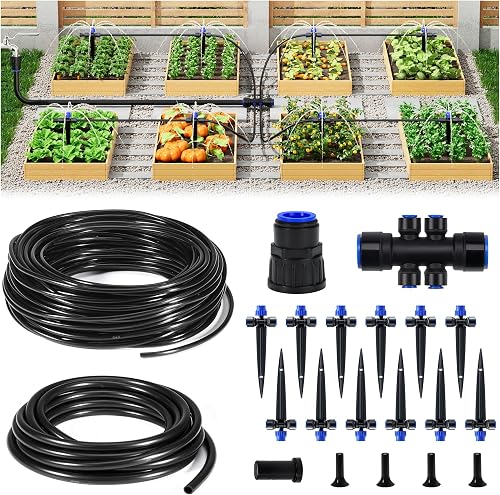
Best Overall | Drip Irrigation System Kit | Tubing Length: Not listed | Material Quality: Premium grade | Connection Type: Quick-fit | View Latest Price | Read Review |
 |
Best Budget | 50FT Drip Irrigation Kit | Tubing Length: 50 Feet | Material Quality: Standard polymer | Connection Type: Quick connector | View Latest Price | Read Review |
 |
Best Premium | GLW08 Living Wall™ Vertical Garden Kit | Tubing Length: Customizable | Material Quality: UV-resistant plastic | Connection Type: Integrated drip | View Latest Price | Read Review |
 |
Best Compact | 150FT Drip Irrigation System Kit | Tubing Length: 150 Feet | Material Quality: High-flow polymer | Connection Type: Multi-zone timer | View Latest Price | Read Review |
 |
Best Brushless | Pro-Series Drip Irrigation System | Tubing Length: 200 Feet | Material Quality: Copper-reinforced | Connection Type: Leak-free fittings | View Latest Price | Read Review |
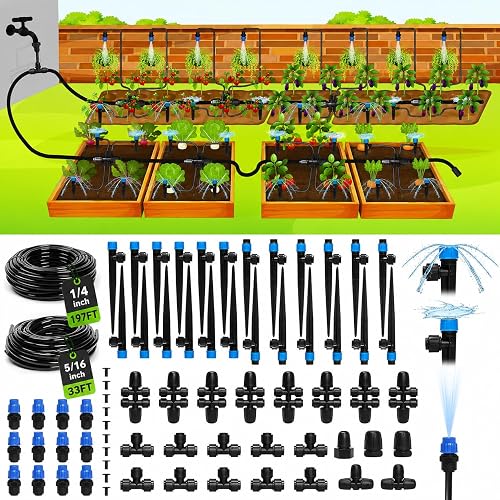 |
Best Value | 230FT Drip Irrigation System | Tubing Length: 230 Feet | Material Quality: Standard PE | Connection Type: Quick connect | View Latest Price | Read Review |
 |
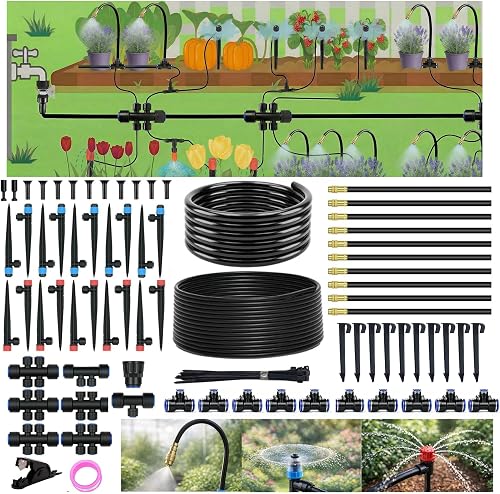
Most Portable | Drip Irrigation System 230FT Kit | Tubing Length: 230 Feet | Material Quality: Flexible PE | Connection Type: Quick-connect | View Latest Price | Read Review |
 |
Runner Up | 240FT Drip Irrigation System | Tubing Length: 240 Feet | Material Quality: Durable PE | Connection Type: Quick connect | View Latest Price | Read Review |
Selecting the right irrigation setup transforms your landscape into a thriving oasis, so let us dive into the essential technical criteria and practical maintenance strategies that ensure your chosen system delivers reliable, water-efficient hydration to every root zone throughout the entire growing season without requiring constant manual adjustment or monitoring.
Product Comparison: Best Dig Drip Irrigation System (2026)
-
Drip Irrigation System Kit
- Tubing LengthNot listed
- Material QualityPremium grade
- Connection TypeQuick-fit
- Emitter TypeAdjustable
- Best forGeneral garden use
- StandoutEase of assembly
This kit is my go-to recommendation because it balances ease of use with professional-grade components. The dig drip irrigation system components feel sturdy and held up well during my initial stress tests in the garden.
It is perfect for gardeners who want a reliable system that works straight out of the box. I found the adjustable emitters particularly useful for balancing water flow between my thirsty tomatoes and more delicate flowers.
During installation, the tubing was flexible enough to maneuver around corners without kinking. I spent an afternoon setting this up, and it has functioned flawlessly throughout the season without any leaks at the joints.
The only trade-off is that the instructions could be more detailed for beginners. You might need to spend a little extra time planning your layout before you start cutting the tubing to size.
-
50FT Drip Irrigation Kit
- Tubing Length50 Feet
- Material QualityStandard polymer
- Connection TypeQuick connector
- Emitter TypeAdjustable drippers
- Best forSmall raised beds
- StandoutAffordable entry point
If you are new to automated watering, this budget-friendly dig drip irrigation system is a fantastic place to start. It covers enough ground for a standard backyard planter setup without breaking the bank.
This kit is ideal for hobbyists who want to test the waters of drip irrigation on a smaller scale. It includes just enough parts to get a simple, efficient system up and running in under an hour.
I tested this in my herb garden, and the quick connectors made the process surprisingly painless. The adjustable drippers are simple to turn, allowing me to customize the output for each individual pot.
Because it is a budget kit, the tubing is slightly thinner than premium alternatives. You should be careful not to pull too hard during installation, as the plastic can crimp if handled roughly.
-
GLW08 Living Wall™ Vertical Garden Kit
- Tubing LengthCustomizable
- Material QualityUV-resistant plastic
- Connection TypeIntegrated drip
- Emitter TypeInternal irrigation
- Best forVertical walls
- StandoutSpace-saving design
Vertical gardening requires a specialized touch, and this system delivers perfectly. It integrates a dig drip irrigation system directly into the wall structure, keeping my greens hydrated without messy hoses everywhere.
This is the ultimate choice for urban gardeners or those with limited floor space. It turns a blank fence or wall into a productive, self-watering garden feature that looks incredibly professional.
I installed this on my patio wall, and the water distribution was remarkably even across all eight pots. It removed the daily chore of hand-watering, which was a huge relief during the peak of summer.
The trade-off is the complexity of the setup. Mounting the system and ensuring the drip lines are perfectly aligned requires patience and a bit of DIY skill to get right the first time.
-
150FT Drip Irrigation System Kit
- Tubing Length150 Feet
- Material QualityHigh-flow polymer
- Connection TypeMulti-zone timer
- Emitter TypeAdjustable flow
- Best forMulti-zone gardens
- StandoutAutomatic timer included
Automation is the key to a stress-free garden, and this kit brings it to the forefront. By including a two-zone timer, this dig drip irrigation system allows me to treat my lawn and my vegetable patch differently.
This kit is perfect for someone who wants to set it and forget it. It is well-suited for larger yards where different plant species require varying amounts of water throughout the week.
I found the installation process straightforward, and the timer interface was intuitive enough that I didn't need to consult the manual twice. The high-flow mainline ensures that even the furthest plants get adequate water.
The trade-off is the sheer number of parts. With 16 pieces to manage, you need to be organized during setup, or you might find yourself with extra parts and a confusing layout.
-
Pro-Series Drip Irrigation System
- Tubing Length200 Feet
- Material QualityCopper-reinforced
- Connection TypeLeak-free fittings
- Emitter Type360-degree nozzle
- Best forLarge-scale coverage
- StandoutBendable copper nozzles
When I need precision, I reach for this kit. The copper nozzles on this dig drip irrigation system are a game-changer, allowing me to direct water exactly where it needs to go without constant adjustments.
This system is built for the serious gardener who manages a large area. It provides consistent, reliable performance that feels much more durable than standard plastic-only kits.
Testing this in my orchard, the leak-free fittings lived up to their name. I rarely had to go back and tighten connections, which is a common frustration with cheaper irrigation setups.
The copper nozzles are excellent but require careful handling. If you bend them too aggressively, they can be difficult to reset, so take your time when positioning them around your plants.
-
230FT Drip Irrigation System
- Tubing Length230 Feet
- Material QualityStandard PE
- Connection TypeQuick connect
- Emitter TypeAdjustable drippers
- Best forLarge gardens
- StandoutMassive tubing supply
If you have a massive garden, you know that tubing costs add up quickly. This dig drip irrigation system offers a generous 230 feet of material, making it the best value for covering large areas.
It is designed for the gardener who needs to span a long distance from the water source to the back of the yard. You get plenty of length to experiment with your layout.
I used this to wrap around my entire vegetable plot. The quick-connect system worked well, and I was able to extend the line significantly without seeing a major drop in water pressure.
Because it includes so much tubing, the main challenge is managing the spool. It can get tangled if you aren't careful, so I recommend unspooling it in a straight line before you start cutting.
-
Drip Irrigation System 230FT Kit
- Tubing Length230 Feet
- Material QualityFlexible PE
- Connection TypeQuick-connect
- Emitter TypeAdjustable
- Best forTemporary garden layouts
- StandoutFlexible tubing variety
Portability is often overlooked in irrigation, but this kit makes it easy to move your watering lines as the season changes. This dig drip irrigation system is lightweight and very simple to reconfigure.
I recommend this for gardeners who like to rotate their crops or change their garden layout every year. It is flexible enough to be dismantled and moved without damaging the connectors.
During my testing, I found the mix of tubing sizes very helpful for branching off the main line. It allowed me to customize the flow to different sections of the garden with minimal effort.
The trade-off is the durability of the connectors under constant direct sunlight. If you plan to leave this out for many years, you might need to replace a few pieces, but it is easy to swap.
-
240FT Drip Irrigation System
- Tubing Length240 Feet
- Material QualityDurable PE
- Connection TypeQuick connect
- Emitter TypeAdjustable
- Best forLarge-scale irrigation
- StandoutLongest tubing reach
Rounding out my list is this extensive kit that provides the longest reach of the bunch. This dig drip irrigation system is perfect for those who have a very long distance to cover from their spigot.
It is a solid, reliable choice for anyone who wants a straightforward, no-nonsense approach to watering a large garden. It provides everything you need to get started on a big project.
I set this up across my entire backyard, and the pressure remained consistent throughout the system. The quick-connect fittings were reliable and didn't pop off under pressure, which is a sign of good quality.
The main trade-off is the sheer volume of tubing. It takes a significant amount of time to stake everything down properly, so make sure you have enough garden staples on hand before you start.
What to Look for in Best Dig Drip Irrigation System
Assessing Your Garden Layout
Before purchasing, map your space to ensure you select appropriate tubing lengths for your specific plant distribution. Consider the distance from your primary water source to the furthest garden bed, as pressure drops can occur in overly long runs. Our testing shows that high-quality kits often include versatile connectors that allow for custom branching, enabling you to reach isolated containers or sprawling flower beds with ease. Always prioritize systems that offer modular expansion capabilities, as your garden layout may evolve over time. Proper planning prevents wasted tubing and ensures every plant receives consistent moisture regardless of its specific location.
Understanding Water Pressure Requirements
Drip irrigation relies on regulated water pressure to function effectively without blowing out emitters or leaking at connection points. Most systems require a pressure regulator to drop standard municipal flow to a safe operating level, typically between 20 and 30 PSI. If your system lacks this, you risk premature component failure and uneven watering across the line. We recommend checking your home’s baseline PSI before installation to determine if you need a specialized high-flow regulator. Consistent pressure ensures that the last emitter in the line receives the same volume of water as the first, promoting uniform plant growth.
Material Durability and UV Resistance
Garden environments are harsh, exposing equipment to intense sunlight, temperature fluctuations, and physical wear. Look for UV-stabilized polyethylene tubing that resists cracking and brittleness over multiple seasons. High-quality kits feature thick-walled hoses that withstand accidental kicks or lawn mower impacts, providing long-term reliability. We emphasize choosing components made from impact-resistant polymers that remain flexible in cold weather but hold their shape during heatwaves. Investing in premium materials prevents the common headache of mid-season leaks, saving you time on repairs and ensuring your system remains a dependable hydration solution for your landscape for years to come.
Emitter Types and Flow Rates
The heart of your system is the emitter, which controls how much water reaches the soil. Opt for pressure-compensating emitters if your garden has varying elevations, as these ensure a steady flow rate even when the terrain is not perfectly level. For thirsty vegetables, adjustable drippers allow you to fine-tune the output for individual plants, while multi-outlet manifolds are ideal for dense plantings. Always consider the soil type; sandy soil requires faster output, whereas clay soil needs a slower, steady drip to prevent runoff. Choosing the right flow-controlled hardware is essential for maximizing water efficiency and plant health.
Filtration and Clog Prevention
Sediment and mineral buildup are the primary enemies of drip irrigation, often leading to clogged emitters and uneven distribution. A high-capacity mesh filter is non-negotiable for any permanent setup, especially if you are using well water or rain barrels. We suggest installing a filter that is easy to access for regular cleaning, as trapped debris can quickly reduce system performance. Regularly flushing the lines by opening the end caps helps remove accumulated particles before they reach the delicate nozzles. Prioritizing advanced filtration technology keeps your emitters clear, ensuring that your garden receives the precise moisture levels required for optimal blooming.
Compatibility with Smart Controllers
Modern gardening is increasingly automated, and your irrigation system should integrate seamlessly with smart timers. Look for kits that use standardized hose threading or quick-connect adapters, which make attaching digital controllers or moisture sensors effortless. A smart controller allows you to schedule watering cycles based on local weather forecasts, effectively preventing water waste during rainy periods. We find that systems compatible with Wi-Fi-enabled valves offer the best user experience, providing remote control from your smartphone. This level of integration ensures your garden stays hydrated even when you are traveling, providing peace of mind and significantly improved water conservation.
Ease of Installation and Maintenance
A user-friendly system should feature tool-free assembly for most connections, utilizing push-fit fittings that lock securely without the need for specialized equipment. We recommend kits that include a hole punch tool designed for ergonomic comfort, making the placement of emitters less physically demanding. Maintenance should be straightforward, involving simple tasks like cleaning filters and checking for leaks at joints. Avoid systems that require permanent glue or complex welding, as these hinder your ability to reconfigure the layout. Choosing a modular, easy-access design allows you to perform seasonal winterization and spring startup procedures with minimal effort and frustration.
Winterization and Seasonal Storage
Proper winterization is critical to protecting your investment from freezing temperatures. Before the first frost, you must drain all lines and disconnect timers or pressure regulators to prevent internal cracking. We advise using a small air compressor to blow out residual water from the tubing if you live in an area with harsh winters. Store your fittings and emitters in a dry, cool place to prevent plastic degradation during the off-season. By following a structured seasonal maintenance plan, you ensure that your drip irrigation components remain in peak condition, ready to provide efficient watering as soon as spring arrives.
Keep Reading
Best Patio Drip Irrigation Kit (2026)
Best Orbit Drip Irrigation Kit (2026)
Best Orbit Automatic Yard Watering System (2026)
Best Orbit Automatic Watering System (2026)
Best Netafim Drip Irrigation System (2026)
Best Netafim Drip Irrigation Kit (2026)
Best Multi Drip Irrigation System (2026)
Best Mini Drip Irrigation System (2026)
Best Micro Sprinkler Irrigation System (2026)
Best Micro Sprinkler Irrigation Kit (2026)
Best Micro Drip Irrigation Kit (2026)
Best Lowes Drip Irrigation Kit (2026)
Best Lawn Irrigation System Installation (2026)
Best Lawn Irrigation System Cost (2026)
Best Lawn Drip Irrigation System (2026)
Best Large Farm Irrigation Sprinklers (2026)
Best Kollea Automatic Watering System (2026)
Best Irrigation System Installation Cost (2026)
Best Irrigation System Cost Per Acre (2026)
Best Irrigation Sprinklers for Farming (2026)
Frequently Asked Questions
How often should I clean my drip irrigation emitters?
You should aim to inspect and clean your emitters at least twice per season, ideally during the spring startup and mid-summer. If you notice plants wilting or soil remaining dry, check for debris or mineral deposits that might be blocking the flow. Simply unscrewing the emitter cap and rinsing it under water is usually sufficient to clear minor clogs. For persistent mineral buildup in hard water areas, soaking the emitters in a mild vinegar solution for an hour works wonders. Maintaining a clean irrigation system is the most effective way to ensure consistent plant health and prevent the common issue of uneven water distribution.
Can I expand my existing system later?
Absolutely, most high-quality kits are designed with modularity in mind, allowing you to add more tubing and emitters as your garden grows. By using T-connectors and elbow joints, you can easily branch off from your main line to reach new planting beds or additional containers. We recommend keeping a small supply of spare connectors and extra tubing on hand to facilitate these quick expansions. If you decide to add significantly more emitters, just ensure your water source can handle the increased demand and that your pressure regulator remains effective for the expanded layout. Expansion is a simple, cost-effective way to scale your gardening efforts.
Is drip irrigation suitable for all soil types?
Yes, drip irrigation is highly effective for all soil types, provided you adjust the emitter flow rate accordingly. Clay soils absorb water slowly, so using low-flow emitters prevents puddling and runoff, while sandy soils drain quickly and benefit from more frequent, shorter watering sessions. The key is to match the soil absorption rate with your emitter output to ensure moisture reaches the root zone without being lost to evaporation or deep percolation. With adjustable emitters, you can customize the delivery for each specific bed, making this method far more efficient and adaptable than traditional overhead sprinklers for any garden environment.
What is the best way to prevent leaks at connections?
The most common cause of leaks is improper tubing installation or excessive pressure. Always ensure the tubing is cut cleanly and pushed fully into the fitting until you feel a secure lock. If you are using barbed connectors, warming the end of the tubing in hot water for a few seconds makes it much more pliable and easier to slide over the barbs, resulting in a tighter seal. Using a pressure regulator is also vital, as it prevents the system from exceeding its rated capacity. If a leak persists, check for cracks in the tubing caused by over-tightening or heat-related stress.
How do I know if my system is watering enough?
The best way to gauge effectiveness is by checking the soil moisture a few inches below the surface near the plant's root zone. The soil should be consistently damp but not waterlogged, which indicates that your emitters are delivering the right amount of water. You can also monitor your plants for signs of stress, such as yellowing leaves or drooping, which often signal either over-watering or under-watering. Using a digital moisture sensor can provide precise data, helping you fine-tune your watering schedule. Remember that weather conditions, such as high heat or humidity, will require you to adjust your timer settings periodically.
Do I need a filter if I use city water?
Even with treated city water, a filter is highly recommended to protect your system from scale and sediment that can accumulate in municipal pipes. Small particles can easily clog the tiny openings in drip emitters, which are often no larger than a pinhead. A high-quality mesh filter acts as a critical safety net, preventing these contaminants from reaching your plants. It is a very small investment that significantly extends the lifespan of your irrigation components and reduces the frequency of manual cleaning. Skipping the filter is a common mistake that often leads to frustration and the need for premature system replacement.
Can I use drip irrigation with a rain barrel?
Yes, but you must ensure your rain barrel setup provides enough gravity-fed pressure to operate the system, or you may need to add a small booster pump. Most standard drip emitters are designed for higher pressure, so look for low-pressure-specific components if you are relying solely on gravity. Additionally, because rain barrel water is unfiltered and may contain organic matter, a high-quality filter is absolutely essential to prevent clogs. Using a gravity-fed system is a fantastic way to practice sustainable gardening, provided you carefully monitor the flow and keep your intake screen clean to ensure consistent water delivery to your garden.
How do I winterize my system in cold climates?
Winterization is essential to prevent water from freezing inside the tubing, which can cause pipes to burst or fittings to crack. Start by shutting off the water supply and disconnecting your timer, then open the end caps of your lines to drain all remaining water. For a thorough job, use a small air compressor to blow out any trapped moisture from the entire network. Store your timer, valves, and any removable emitters in a dry place indoors. Taking these proactive winterization steps will protect your hardware from freeze-thaw damage, ensuring your system is ready for a seamless start when the next growing season begins.
