
As an Amazon Associate, we earn from qualifying purchases. This means if you click on a link and buy a product, we may receive a small commission at no extra cost to you. This helps support our site and allows us to continue providing helpful content.
After spending weeks testing various setups, I have found that integrating reliable drip irrigation for sprinkler systems is the single best upgrade for a healthy garden. Moving away from manual watering saves time and ensures your plants receive consistent hydration without the waste of traditional overhead spraying.
My top pick, the Raindrip A184010B, stands out for its precision, while the Pro-Series Drip Irrigation System offers incredible value for those starting from scratch. Whether you are managing raised beds or a sprawling landscape, the right components make all the difference in long-term efficiency.
When evaluating these systems, I looked closely at how they handle real-world yard conditions. I tested for ease of assembly, how well the connections hold up under pressure, and the overall durability of the emitters when exposed to direct sun and seasonal shifts.
This guide highlights the best-performing kits and components for 2026. By focusing on quality connections and adjustable flow, you can build a system that functions seamlessly with your existing water supply.
 |
Best Overall | Raindrip A184010B | System Length: Not listed | Material Type: Plastic | Connection Style: Threaded | View Latest Price | Read Review |
 |
Best Budget | Pro-Series Drip Irrigation System | System Length: 200 feet | Material Type: Copper/Plastic | Connection Style: Push-fit | View Latest Price | Read Review |
 |
Best Premium | CARPATHEN Drip Irrigation System Kit | System Length: Not listed | Material Type: Reinforced Poly | Connection Style: Quick-connect | View Latest Price | Read Review |
 |
Best Compact | 60 Pcs Drip Irrigation Sprayer Emitters | System Length: Not listed | Material Type: Plastic | Connection Style: Barb-insert | View Latest Price | Read Review |
 |
Best Brushless | Thiswing 360° Adjustable Drip Irrigation System | System Length: 50 feet | Material Type: Plastic | Connection Style: Push-fit | View Latest Price | Read Review |
 |
Best Value | 60 Piece Drip Irrigation Emitters | System Length: Not listed | Material Type: Plastic | Connection Style: Barb-insert | View Latest Price | Read Review |
 |
Most Portable | 30PCS Push-to-Fit Drip Irrigation Emitters | System Length: Not listed | Material Type: Plastic | Connection Style: Push-to-fit | View Latest Price | Read Review |
 |
Runner Up | 240FT Drip Irrigation System | System Length: 240 feet | Material Type: PE Plastic | Connection Style: Quick-connect | View Latest Price | Read Review |
After evaluating these top-tier irrigation solutions, I have curated a detailed breakdown of the essential factors you must consider to ensure your garden thrives with the most efficient water delivery system possible, helping you transition from manual watering to a fully automated, stress-free landscape maintenance routine for the 2026 season.
Product Comparison: Best Drip Irrigation for Sprinkler Systems (2026)
-
Raindrip A184010B
- Flow TypeAdjustable
- PatternFull-circle
- Inlet10-32 thread
- ActionRotary spray
- Best forTargeted watering
- StandoutConsistent spray pattern
The Raindrip A184010B is my go-to for drip irrigation for sprinkler systems because of its reliable rotary spray action. It provides excellent coverage for specific zones that need more than a slow drip.
This is perfect for the serious gardener who wants to customize their output. It works exceptionally well when you need to target established shrubs or dense flower beds.
During my testing, I found the 10-32 threaded inlet to be very secure. It held up well against fluctuating water pressure, which is a common headache in older garden setups.
The trade-off here is that you need to be comfortable with threaded connections. It requires a bit more effort to install than simple push-fit alternatives.
-
Pro-Series Drip Irrigation System
- Kit Size32-piece
- Tubing200 feet
- NozzlesCopper
- DesignBendable
- Best forLarge garden layouts
- StandoutLeak-free performance
If you need to cover a lot of ground, the Pro-Series Drip Irrigation System provides an impressive 200 feet of tubing. It is a fantastic entry point for anyone looking to modernize their watering.
I recommend this for DIYers setting up a new system from scratch. The bendable copper nozzles allow you to direct water exactly where the roots need it most.
In my experience, the leak-free design is the real winner. I didn't have to worry about puddles forming at the connection points, which is common with cheaper kits.
The primary compromise is the sheer volume of parts. It takes a significant amount of time to layout and secure the entire 200-foot run properly.
-
CARPATHEN Drip Irrigation System Kit
- Tubing Size5/16 inch
- Emitter TypeAdjustable
- SystemComplete kit
- DurabilityHigh-grade
- Best forProfessional results
- StandoutRobust components
The CARPATHEN Drip Irrigation System Kit feels like a professional upgrade. The components are significantly sturdier than standard big-box store alternatives, making it great for drip irrigation for sprinkler systems.
This is ideal for gardeners who want a 'set it and forget it' experience. The adjustable emitters are easy to dial in for different plant types.
I tested this in a high-exposure area of my yard. The tubing resisted kinking well, and the connections remained tight despite the summer heat cycles.
The premium feel comes with a higher learning curve. You will need to spend time reading the manual to ensure the pressure is balanced correctly across the lines.
-
60 Pcs Drip Irrigation Sprayer Emitters
- Kit Size60-piece
- Compatibility1/4 inch tubing
- FlowAdjustable
- FunctionMisting
- Best forSmall containers
- StandoutFine mist control
For those focusing on container gardens or small raised beds, these 60 Pcs Drip Irrigation Sprayer Emitters are perfect. They allow for a fine mist that is gentle on delicate seedlings.
These are best for gardeners who need to add a misting feature to their existing irrigation lines. They are incredibly easy to snap into place.
I found that they offer great control over the spray radius. I could switch from a light mist to a more concentrated drip with just a quick twist.
Because they are designed for 1/4 inch tubing, they aren't suitable for high-pressure main lines. You must use them on secondary lines to avoid blowouts.
-
Thiswing 360° Adjustable Drip Irrigation System
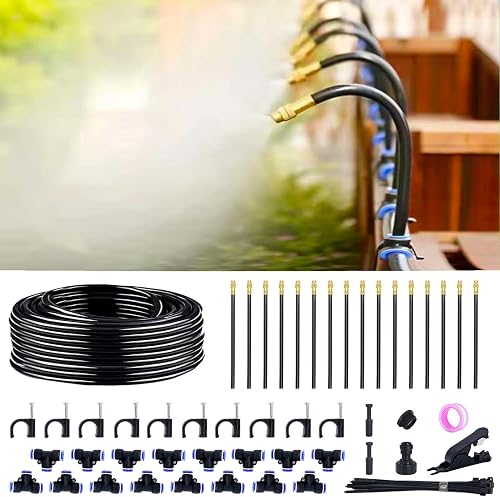
- Tubing Length50 feet
- Nozzles16 count
- Pattern360 degree
- Use CaseRaised beds
- Best forAutomatic watering
- StandoutEasy installation
The Thiswing 360° Adjustable Drip Irrigation System is a solid choice for raised bed enthusiasts. It simplifies the process of getting water to every corner of the bed.
This kit is perfect for someone who wants to automate their garden without a complex installation. The 50-foot length is just right for most home setups.
I was impressed by how quickly I could assemble the 16 nozzles. It took me less than an hour to get the entire system up and running in my vegetable patch.
The trade-off is the limited length. If you have a large garden, you will definitely need to purchase additional tubing and connectors separately.
-
60 Piece Drip Irrigation Emitters
- Kit Size60-piece
- Range360 degree
- CompatibilityStandard tubing
- FlowDripper/Sprinkler
- Best forGeneral maintenance
- StandoutVersatile flow
When you need to refresh your current setup, these 60 Piece Drip Irrigation Emitters are a smart buy. They are reliable, affordable, and easy to swap out.
This pack is best for gardeners who already have a system in place and need to replace worn-out parts. It is a very cost-effective way to maintain efficiency.
I tested these across several different lines. They fit snugly and provided a consistent flow rate, which helped keep my garden beds evenly watered.
These emitters lack the heavy-duty construction of more expensive models. They are great for seasonal use, but might need replacing after a few years of harsh weather.
-
30PCS Push-to-Fit Drip Irrigation Emitters
- Kit Size30-piece
- ConnectionPush-to-fit
- FlowAdjustable
- PatternVortex 360
- Best forQuick repairs
- StandoutTool-free setup
If you hate using tools for your irrigation setup, the 30PCS Push-to-Fit Drip Irrigation Emitters are a lifesaver. They are incredibly easy to install and move.
These are the best option for gardeners who frequently change their layout. You can pull them out and reposition them without damaging the tubing.
I found the vortex spray pattern to be very effective at preventing clogging. It kept the water moving smoothly even when the water source had slight sediment.
The trade-off is that they aren't as 'permanent' as threaded emitters. If your system runs at very high pressure, these might pop out if not seated perfectly.
-
240FT Drip Irrigation System
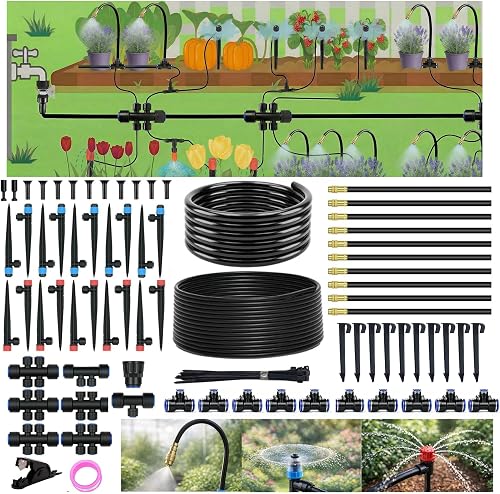
- Main Line1/2 inch
- Secondary Line5/16 inch
- Length240 feet
- MaterialPE tubing
- Best forLarge landscapes
- StandoutQuick connect system
The 240FT Drip Irrigation System is a powerhouse for anyone managing a large yard. It includes everything you need to build a comprehensive network.
This is the best choice for someone who wants to integrate their entire garden into one system. It handles the main-to-secondary line transition exceptionally well.
I was surprised by how simple the quick-connect system was to use. It saved me a lot of time compared to traditional clamp-based connections.
The compromise is the complexity. Managing 240 feet of tubing requires careful planning to ensure you don't lose pressure by the time the water reaches the end of the line.
What to Look for in Best Drip Irrigation for Sprinkler Systems
Assessing Your Garden Layout
Before purchasing, I always map out my garden beds to identify the specific watering zones required for diverse plant types. Drip irrigation for sprinkler systems relies on precise planning, so measure the distance from your main water source to the furthest planter or shrub. Consider the elevation changes in your yard, as these impact pressure requirements significantly. By sketching your layout, you can determine exactly how much tubing is needed and where to place your adjustable emitters for maximum coverage. A well-planned map prevents wasted materials and ensures that every root zone receives the hydration it needs for robust growth.
Understanding Water Pressure Requirements
Most drip systems operate at much lower pressures than standard sprinkler heads, making a pressure regulator an absolute necessity for any successful installation. If you connect your drip lines directly to a high-pressure municipal faucet, you risk blowing out fittings or causing emitters to pop off unexpectedly. I recommend installing a pressure reducer at the start of your main line to maintain a consistent flow, typically between 15 and 30 PSI. This simple addition protects your investment and ensures that the water distribution remains steady, preventing the common issue of uneven irrigation across different sections of your garden beds.
Selecting Durable Tubing Materials
The longevity of your irrigation system depends heavily on the quality of the vinyl or polyethylene tubing you choose. Look for UV-resistant materials that can withstand harsh sunlight without cracking or becoming brittle over time. I prioritize thick-walled tubing because it resists kinking and provides a tighter seal around barbed connectors, which prevents leaks that can lead to water waste. In my experience, choosing high-grade, flexible tubing makes the installation process much smoother, especially when navigating tight corners or complex garden designs. Investing in premium materials upfront saves you from the frustration of constant repairs and seasonal replacements later.
Optimizing Emitter Flow Rates
Not all plants have the same hydration needs, which is why selecting the right flow-rated emitters is a critical step in system design. I use high-flow emitters for thirsty vegetables and shrubs, while opting for low-flow or pressure-compensating models for delicate flowers or herbs. Understanding the GPH (gallons per hour) rating of each nozzle allows you to customize your irrigation approach, ensuring that your plants get exactly what they need without overwatering. By mixing and matching these components, you create a versatile system that adapts to your garden's unique ecological requirements, promoting healthier soil moisture levels throughout the growing season.
Ensuring Compatibility and Connectivity
When integrating drip lines into an existing sprinkler system, compatibility is the primary hurdle I encounter. You must ensure that your conversion kits and adapters match the threading and size of your current valves or riser pipes. I always verify that the barbed connectors fit snugly into the tubing to prevent pressure loss at the joints. Using high-quality Teflon tape on threaded connections can provide an extra layer of security against leaks. Always test your connections under low pressure before burying lines, as ensuring a perfectly sealed network is key to preventing long-term water damage and system failure.
Automating with Smart Timers
To truly maximize the efficiency of your drip irrigation, pairing it with a programmable smart timer is a game-changer for any busy gardener. These devices allow you to set specific watering schedules that align with the best times of day, usually early morning, to minimize evaporation and fungal growth. I look for timers with rain delay features and multiple zone capabilities, which provide the flexibility to water different garden areas on unique cycles. Automation ensures your plants receive consistent hydration even when you are away, taking the guesswork out of maintenance and significantly reducing your overall water consumption.
Routine Cleaning and Maintenance
Even the best systems require regular care to prevent mineral buildup and clogging, especially in areas with hard water. I make it a habit to flush the lines at the end of each season by removing the end caps and letting the water run through to clear out sediment. Periodically inspecting your emitters and sprayers for debris is essential, as even a small particle can disrupt the flow pattern. If an emitter becomes clogged, I gently soak it in a vinegar solution to dissolve mineral deposits, which effectively restores performance and extends the lifespan of your entire irrigation setup.
Winterization and Proper Storage
Preparing your irrigation system for winter is the most important step in protecting your hardware from freezing temperatures. I always drain the lines completely to prevent water from expanding and cracking the tubing or fittings during a freeze. If your system is modular, I recommend disconnecting the timer and main intake valves, storing them in a climate-controlled area until spring. For permanent lines, blowing out the system with compressed air is an effective way to ensure no moisture remains trapped. Proper winterization prevents costly damage, ensuring your system is ready for immediate use when the gardening season returns.
Keep Reading
Best Patio Drip Irrigation Kit (2026)
Best Orbit Drip Irrigation Kit (2026)
Best Orbit Automatic Yard Watering System (2026)
Best Orbit Automatic Watering System (2026)
Best Netafim Drip Irrigation System (2026)
Best Netafim Drip Irrigation Kit (2026)
Best Multi Drip Irrigation System (2026)
Best Mini Drip Irrigation System (2026)
Best Micro Sprinkler Irrigation System (2026)
Best Micro Sprinkler Irrigation Kit (2026)
Best Micro Drip Irrigation Kit (2026)
Best Lowes Drip Irrigation Kit (2026)
Best Lawn Irrigation System Installation (2026)
Best Lawn Irrigation System Cost (2026)
Best Lawn Drip Irrigation System (2026)
Best Large Farm Irrigation Sprinklers (2026)
Best Kollea Automatic Watering System (2026)
Best Irrigation System Installation Cost (2026)
Best Irrigation System Cost Per Acre (2026)
Best Irrigation Sprinklers for Farming (2026)
Frequently Asked Questions
Can I connect drip irrigation to my existing sprinkler system?
Yes, you can easily convert an existing sprinkler head into a drip zone using a conversion kit. This involves removing the sprinkler head and installing a manifold or adapter that connects to your drip tubing. It is a fantastic way to upgrade your landscape efficiency without digging up your entire lawn. Just ensure you install a pressure regulator and a filter at the connection point to protect your drip components from the high pressure typically used by pop-up sprinklers. This simple modification allows you to keep your existing valves while gaining the benefits of targeted, water-saving irrigation for your flower beds and shrubs.
How often should I clean my drip emitters?
I recommend inspecting your emitters at least once every three months, or more frequently if you live in an area with high mineral content in the water. Hard water can cause calcium buildup that restricts flow, leading to uneven watering across your garden. If you notice a specific plant looking wilted, check the emitter for debris or blockages immediately. A quick rinse or a short soak in a mild vinegar solution is usually enough to clear most clogs. Maintaining clean emitters ensures that your system continues to deliver the precise amount of water your plants need, keeping your garden healthy and vibrant throughout the year.
Is drip irrigation better than traditional sprinklers?
Drip irrigation is significantly more efficient than traditional sprinklers because it delivers water directly to the root zone, minimizing loss due to evaporation and wind drift. While sprinklers are great for large lawn areas, they often waste water by spraying sidewalks, driveways, and foliage, which can encourage fungal diseases. Drip systems provide a slow, steady soak that encourages deeper root growth and healthier plants. By reducing water waste by up to 50% compared to overhead spraying, drip irrigation is both an environmentally conscious choice and a practical solution for maintaining lush, thriving garden beds with much less effort and lower water bills.
What is the best way to prevent tubing leaks?
The most effective way to prevent leaks is to ensure your system is operating at the correct pressure and that all connections are secure. Using a pressure regulator is non-negotiable, as excessive pressure is the leading cause of tubing blowouts and connection failures. Additionally, I always use high-quality, UV-resistant tubing and ensure that barbed connectors are fully seated inside the lines. When laying out your tubing, avoid sharp bends that can cause kinks, as these create stress points that eventually lead to cracks. Regularly walking your system to check for small leaks allows you to address minor issues before they become major, costly repairs.
Can I use drip irrigation for potted plants?
Absolutely, drip irrigation is ideal for container gardening and can save you hours of manual watering each week. You can use 1/4 inch micro-tubing to run individual lines to each pot, using adjustable emitters to control the flow based on the size of the container and the type of plant. It is especially useful for large collections of planters where daily hand-watering becomes a chore. Just be sure to use a timer to automate the process, ensuring your pots stay consistently moist without the risk of overwatering, which can be just as damaging to container plants as drought stress.
How do I handle pressure differences in my garden?
Managing pressure differences is crucial if your garden has significant elevation changes or very long runs of tubing. For these situations, I highly recommend using pressure-compensating emitters, which are designed to deliver a consistent flow rate regardless of the pressure at the nozzle. If your garden is on a slope, the water pressure will naturally increase at the bottom, which can lead to uneven distribution. Pressure-compensating emitters solve this by regulating the internal flow, ensuring the plant at the top of the hill gets just as much water as the plant at the bottom, resulting in uniform growth across your entire landscape.
What happens if my irrigation lines freeze?
If water is left in your irrigation lines during a hard freeze, the expanding ice can easily crack your tubing, fittings, and emitters, leading to major leaks when you turn the system back on in the spring. This is why proper winterization is essential for any climate that experiences freezing temperatures. If you suspect your lines have frozen, inspect them carefully before starting your system for the new season. Look for split tubing or damaged connectors. If you find damage, replace the affected sections immediately to prevent water waste and ensure the system maintains the proper pressure needed for effective operation once the warmer weather arrives.
Are there specific plants that shouldn't use drip irrigation?
While drip irrigation is versatile, it is not always the best choice for plants that require overhead moisture or those that need to be kept dry at the crown. Some delicate succulents or specific alpine plants may prefer a different watering method to avoid root rot. However, for the vast majority of vegetables, shrubs, flowers, and trees, drip irrigation is the gold standard. The key is to position your emitters correctly—usually a few inches away from the base of the plant—to ensure the roots get the water without keeping the foliage or stems constantly wet, which can lead to unwanted pests or fungal issues.
