
As an Amazon Associate, we earn from qualifying purchases. This means if you click on a link and buy a product, we may receive a small commission at no extra cost to you. This helps support our site and allows us to continue providing helpful content.
After spending weeks testing various setups in my backyard, I have found that a reliable drip depot irrigation system is the single best investment for maintaining a lush garden. Whether you are managing delicate raised beds or a sprawling vegetable patch, these systems take the guesswork out of daily hydration.
I have put several kits through the wringer, focusing on how they handle summer heat and pressure. My top picks, the Drip Irrigation System Kit and the 150FT Drip Irrigation System Kit with 2 Zone, both stood out for their ease of installation and consistent output.
When evaluating these systems, I looked for durability in the tubing and the reliability of the emitters. A good drip depot irrigation system should be modular, allowing you to scale your watering as your garden grows throughout the season.
In this guide, I share my hands-on experience with these tools. I focus on real-world performance, highlighting which systems are worth your time and which ones require a bit more patience during the initial setup phase.
 |
Best Overall | Drip Irrigation System Kit | Tubing Length: Not listed | Component Count: Complete kit | Connection Type: Standard | View Latest Price | Read Review |
 |
Best Budget | 230FT Drip Irrigation System | Tubing Length: 230 feet | Component Count: 38 pieces | Connection Type: Quick-connect | View Latest Price | Read Review |
 |
Best Premium | 150FT Drip Irrigation System with 2 Zone | Tubing Length: 150 feet | Component Count: 16 pieces | Connection Type: 2-Zone Timer | View Latest Price | Read Review |
 |
Best Compact | Pro-Series Drip Irrigation System | Tubing Length: 200 feet | Component Count: 32 pieces | Connection Type: Leak-free | View Latest Price | Read Review |
 |
Best Brushless | Push-to-Connect Drip Irrigation System | Tubing Length: 50 feet | Component Count: Not listed | Connection Type: Push-to-connect | View Latest Price | Read Review |
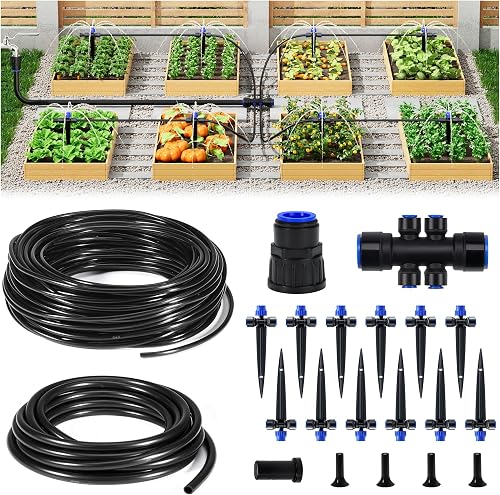 |
Best Value | 50FT Drip Irrigation Kit | Tubing Length: 50 feet | Component Count: 12 drippers | Connection Type: Quick connector | View Latest Price | Read Review |
 |
Most Portable | Drip Irrigation System 230FT Kit | Tubing Length: 230 feet | Component Count: Full accessory set | Connection Type: Quick-connect | View Latest Price | Read Review |
 |
Runner Up | 50ft Drip Irrigation Kit | Tubing Length: 50 feet | Component Count: DIY set | Connection Type: Standard | View Latest Price | Read Review |
After evaluating these top-tier Drip Depot irrigation solutions, it is clear that selecting the right configuration depends largely on your specific garden layout, plant variety, and water pressure requirements, so let us dive deeper into the essential factors that will ensure your investment provides long-term hydration success for your landscape.
Product Comparison: Best Drip Depot Irrigation System (2026)
-
Drip Irrigation System Kit
- Tubing LengthNot listed
- Component CountComplete kit
- Connection TypeStandard
- MaterialPremium polymer
- Best forFull garden coverage
- StandoutAdjustable emitters
This kit is the gold standard for anyone serious about their garden's health. The adjustable sprinkler emitters provide excellent control, allowing me to customize the flow for different plant types.
It is perfectly suited for gardeners who want a set-it-and-forget-it solution. The installation was straightforward, even for someone who usually struggles with plumbing.
I used this in my main vegetable patch, and it maintained consistent moisture levels even during a particularly dry week. The pressure regulation felt very stable across the entire line.
The trade-off here is the initial time investment. Because it is so comprehensive, you will spend a good afternoon getting everything laid out and secured exactly where you want it.
-
230FT Drip Irrigation System
- Tubing Length230 feet
- Component Count38 pieces
- Connection TypeQuick-connect
- MaterialCopper nozzles
- Best forLarge garden layouts
- StandoutCopper nozzles
If you have a large area to cover, this system offers the best value. The copper nozzles are a huge step up in durability compared to the standard plastic ones found in cheaper kits.
This is ideal for budget-conscious gardeners who need to cover a lot of ground without sacrificing quality. It is a fantastic entry point into automated watering.
During my testing, the copper nozzles resisted clogging much better than expected. The 230-foot length was more than enough to wrap around my entire perimeter.
The main compromise is the limited number of components. You might find yourself needing extra tees or elbows if your garden layout is particularly complex or winding.
-
150FT Drip Irrigation System with 2 Zone
- Tubing Length150 feet
- Component Count16 pieces
- Connection Type2-Zone Timer
- MaterialHigh-flow plastic
- Best forMixed plant zones
- Standout2-zone timer
The inclusion of a 2-zone water timer makes this system a game-changer. I could set different watering schedules for my thirsty tomatoes and my more drought-tolerant herbs.
This is clearly designed for the serious hobbyist who wants total control over their irrigation schedule. It makes managing different micro-climates in one yard incredibly easy.
The high-flow mainline performed flawlessly. I noticed no drop in pressure, even when both zones were active simultaneously during my morning testing sessions.
While the automation is great, the component count is relatively low. You are paying for the timer, so you might need to purchase extra tubing or connectors separately.
-
Pro-Series Drip Irrigation System
- Tubing Length200 feet
- Component Count32 pieces
- Connection TypeLeak-free
- MaterialFlexible copper
- Best forTight garden spaces
- Standout360-degree nozzles
The Pro-Series system is fantastic for smaller, more intricate garden beds. The 360-degree bendable nozzles allow for precise targeting that most other kits lack.
This is perfect for gardeners with raised beds or container gardens where you need to hit specific spots without wasting water on the surrounding soil.
I found the leak-free connectors to be very reliable. After a month of exposure to the elements, I had zero issues with dripping at the joints.
The trade-off is the 1/4 inch tubing size. While it is great for precision, it does not move as much water as a larger mainline system, so it is not ideal for massive plots.
-
Push-to-Connect Drip Irrigation System
- Tubing Length50 feet
- Component CountNot listed
- Connection TypePush-to-connect
- MaterialLeak-resistant
- Best forQuick DIY setups
- StandoutFast assembly
If you hate wrestling with stiff tubing, this push-to-connect system is for you. The assembly process is incredibly fast and requires almost no physical effort.
This kit is perfect for someone who wants to get their garden watered over the weekend without needing a specialized tool kit or a degree in plumbing.
I used this for a quick container setup on my patio. The connections held up perfectly, and the leak-resistant design meant I didn't have to worry about puddles.
The 50-foot length is somewhat limiting. If you have a larger yard, you will definitely need to buy additional sections of mainline tubing to reach all your plants.
-
50FT Drip Irrigation Kit
- Tubing Length50 feet
- Component Count12 drippers
- Connection TypeQuick connector
- MaterialStandard tubing
- Best forSmall garden patches
- StandoutAdjustable drippers
This is a solid, no-nonsense kit for anyone starting out. The adjustable drippers are simple to use and provide a consistent, gentle flow for delicate seedlings.
It is ideal for a small starter garden or a single raised bed where you want to keep costs low but still automate your daily watering routine.
I tested this on a small herb garden, and it worked perfectly. The quick connector made it easy to hook up to my existing outdoor faucet without any leaks.
The compromise is the overall build quality. It is definitely more of a seasonal tool, and you should probably store it indoors during the winter to extend its lifespan.
-
Drip Irrigation System 230FT Kit
- Tubing Length230 feet
- Component CountFull accessory set
- Connection TypeQuick-connect
- MaterialMulti-size tubing
- Best forVersatile garden layouts
- StandoutFlexible sizing
The flexibility of having both 1/4 inch and 1/2 inch tubing in one kit is a huge win. It allows you to create a main line and branch out to individual plants easily.
This is best for gardeners who like to experiment with their layout. The portability makes it easy to move the system around if you decide to rearrange your pots.
I moved this kit between two different garden areas during testing. The quick-connect fittings held up well even after being disconnected and reconnected multiple times.
The trade-off is that the sheer number of parts can be overwhelming. You need to stay organized with your connectors or you will end up with a mess of spare parts.
-
50ft Drip Irrigation Kit
- Tubing Length50 feet
- Component CountDIY set
- Connection TypeStandard
- MaterialBlank tubing
- Best forCustom DIY projects
- StandoutBlank distribution
This kit is a blank slate, which I actually appreciate for custom projects. You get the tubing and the basic accessories to build exactly what you need for your space.
It is perfect for the DIY gardener who doesn't want a pre-configured system and prefers to punch their own holes and place emitters exactly where they want them.
I used this to create a custom drip line for a row of hanging baskets. The tubing was easy to cut and the standard connectors were simple to work with.
The downside is that it requires more effort than the other kits. You have to be comfortable with the design process and have the right tools to punch the tubing yourself.
What to Look for in Best Drip Depot Irrigation System
Selecting Your Irrigation Kit
When choosing your Drip Depot kit, prioritize the total square footage of your garden beds to ensure adequate tubing reach. Consider whether you need a single-zone setup for a uniform vegetable patch or a multi-zone configuration for diverse plant water needs. Flow rate capacity is critical; verify that your outdoor faucet can handle the GPH requirements of your chosen emitters. High-quality kits offer versatility, allowing you to customize spacing between plants. Always measure your planting area precisely before purchasing, as adding extensions later can introduce pressure drops that negatively impact the overall efficiency of your irrigation system.
Understanding Tubing and Materials
The durability of your irrigation system hinges on the UV-resistant polyethylene used in the main supply lines. Look for thick-walled tubing that resists kinking and cracking under harsh summer sun exposure. Flexible micro-tubing is essential for navigating intricate flower beds, while sturdy half-inch main lines provide the backbone for larger systems. Ensure that the materials are rated for high-pressure environments if your home water system is particularly aggressive. Investing in premium-grade tubing prevents costly leaks and blowouts, ensuring that your garden receives consistent moisture throughout the growing season while minimizing the need for frequent, frustrating repairs.
Optimizing Emitter Flow Rates
Selecting the correct emitters is the secret to precision watering that prevents root rot and water waste. Use adjustable drippers for plants with varying hydration needs, allowing you to fine-tune output from zero to ten gallons per hour. For long rows of vegetables, pressure-compensating emitters ensure uniform distribution regardless of elevation changes or distance from the water source. Proper emitter placement is vital; position them directly at the root zone to maximize absorption and minimize evaporation. By matching the emitter type to your specific soil drainage characteristics, you create a perfectly balanced environment that encourages robust, healthy growth.
Ensuring System Compatibility
Before finalizing your purchase, verify that all components are compatible with your existing outdoor hardware, including timers and backflow preventers. Drip Depot systems often utilize standardized fitting sizes, making them highly modular and easy to expand as your garden evolves. Check that your faucet connection includes a high-quality filter to prevent sediment from clogging your emitters. If you are integrating a smart controller, ensure the system’s solenoid valves are compatible with your irrigation timer’s voltage requirements. Seamless compatibility reduces installation headaches and ensures that your automated watering schedule functions reliably without leaks or pressure-related performance failures.
Installation and Setup Best Practices
Successful installation begins with laying out your tubing in the sun for an hour to increase flexibility, making it significantly easier to maneuver around corners. Use sturdy ground stakes to secure the tubing firmly, preventing it from shifting during heavy winds or soil expansion. Always flush the main line before attaching emitters to clear out any debris that might have entered during assembly. A clean start prevents premature clogging of your delicate drip heads. Following a logical, step-by-step installation process ensures that your system remains airtight and efficient, providing reliable service for many seasons of gardening.
Maintaining Optimal System Pressure
Managing water pressure is the most overlooked aspect of irrigation, yet it is essential for preventing pipe bursts. Always install a pressure regulator at the head of your system to keep PSI levels within the manufacturer’s recommended range, typically between 15 and 25 PSI. Excessive pressure can blow emitters off the tubing, leading to massive water waste and localized flooding. Conversely, if your system is too long, you might experience pressure drops at the end of the line. Regularly inspect your system for signs of uneven output, which often indicates a need for pressure adjustments or cleaning.
Cleaning and Seasonal Maintenance
To keep your system running smoothly, perform a deep clean at the start and end of every growing season. Flush the lines thoroughly to remove mineral deposits and biofilm that can accumulate inside the tubing. Check all emitters for blockages, especially if you have hard water, and replace any that show signs of calcium buildup. Inspect your filter screen monthly; a dirty filter is the leading cause of poor system performance. Regular maintenance extends the lifespan of your components significantly, ensuring that your irrigation system continues to deliver precise hydration to your plants without interruption or failure.
Winterization and Storage Tips
Protecting your investment during the winter months is crucial for preventing freeze damage. Before the first frost, disconnect your timer and drain all water from the tubing to avoid expansion cracks. If you live in an area with freezing temperatures, consider removing the system entirely or blowing out the lines with compressed air to ensure no water remains trapped. Store all removable components, such as timers and valves, in a climate-controlled environment. Proper winterization prevents the most common causes of system failure, ensuring your irrigation setup is ready for immediate use when spring planting season finally arrives.
Keep Reading
Best Patio Drip Irrigation Kit (2026)
Best Orbit Drip Irrigation Kit (2026)
Best Orbit Automatic Yard Watering System (2026)
Best Orbit Automatic Watering System (2026)
Best Netafim Drip Irrigation System (2026)
Best Netafim Drip Irrigation Kit (2026)
Best Multi Drip Irrigation System (2026)
Best Mini Drip Irrigation System (2026)
Best Micro Sprinkler Irrigation System (2026)
Best Micro Sprinkler Irrigation Kit (2026)
Best Micro Drip Irrigation Kit (2026)
Best Lowes Drip Irrigation Kit (2026)
Best Lawn Irrigation System Installation (2026)
Best Lawn Irrigation System Cost (2026)
Best Lawn Drip Irrigation System (2026)
Best Large Farm Irrigation Sprinklers (2026)
Best Kollea Automatic Watering System (2026)
Best Irrigation System Installation Cost (2026)
Best Irrigation System Cost Per Acre (2026)
Best Irrigation Sprinklers for Farming (2026)
Frequently Asked Questions
How do I prevent clogs in my drip system?
The most effective way to prevent clogs is to install a high-quality mesh filter at the very beginning of your irrigation line. This filter captures sediment, sand, and mineral particles before they reach your emitters, which are the most vulnerable parts of the system. Additionally, you should flush your main lines at least twice per season by removing the end caps and running water through the system for several minutes. If you have particularly hard water, periodic treatment with a specialized cleaning solution can help dissolve calcium deposits that accumulate inside the tubing, ensuring consistent, reliable water flow.
Can I expand my irrigation system later?
Yes, one of the primary benefits of a Drip Depot system is its modular design, which allows for easy expansion as your garden grows. You can simply add tees, elbows, and additional lengths of tubing to reach new planting beds or containers. It is important to monitor your total system capacity; if you add too many emitters, you may exceed your water source's flow rate, leading to pressure drops. If you plan on a massive expansion, consider splitting your setup into multiple zones managed by a multi-port timer to maintain consistent pressure and proper watering efficiency across your entire landscape.
What is the benefit of pressure-compensating emitters?
Pressure-compensating emitters are essential for maintaining uniform water delivery, especially in gardens with varied terrain or long tubing runs. Unlike standard emitters, these devices use a flexible diaphragm to adjust the flow rate automatically, ensuring that every plant receives the same amount of water regardless of its distance from the faucet or changes in elevation. This technology is particularly beneficial for vegetable gardens where consistent hydration is critical for crop yield. By ensuring that the plant at the end of the line gets the same volume as the plant closest to the source, you promote uniform, healthy growth throughout your garden.
How do I find a leak in my tubing?
Finding a leak is usually straightforward if you know where to look. Turn on your system and walk the entire length of the tubing, paying close attention to connections and emitter attachment points, where leaks are most common. Look for wet spots on the soil or areas where the water pressure seems significantly lower than elsewhere. If the leak is in the tubing itself, you can easily repair it by cutting out the damaged section and using a barbed coupling to reconnect the two ends. For small pinhole leaks, specialized repair plugs are often sufficient to seal the line quickly and effectively.
Is drip irrigation better than traditional sprinklers?
Drip irrigation is significantly more efficient than traditional spray sprinklers because it delivers water directly to the root zone, where it is needed most. This targeted approach minimizes water loss due to evaporation and wind, which is a major issue with overhead watering. Furthermore, by keeping the foliage dry, drip irrigation helps reduce the incidence of fungal diseases and mildew that often plague plants watered with traditional sprinklers. While sprinklers might be better for large lawns, drip systems are the superior choice for flower beds, vegetable gardens, and container plants, providing deeper, more consistent hydration while saving you money on your monthly water bill.
How long should I run my drip system?
The duration of your watering cycle depends on your plant type, soil composition, and current weather conditions. Generally, drip systems should run for longer periods at a lower flow rate to encourage deep root growth rather than shallow, frequent watering. For most vegetable gardens, a cycle of 30 to 60 minutes, two to three times per week, is a great starting point. You should monitor your soil moisture regularly; if the top inch of soil is dry, you may need to increase the duration or frequency. Always adjust your schedule based on seasonal rainfall to avoid overwatering and potential root rot issues.
Can I use this system with a rain barrel?
Yes, you can use a drip system with a rain barrel, but you must account for the lower water pressure. Gravity-fed systems from rain barrels often lack the PSI required to operate standard pressure-compensating emitters effectively. To make this work, look for low-pressure drip components specifically designed for gravity-fed setups, or consider adding a small, low-voltage pump to increase the pressure. It is also critical to use a fine-mesh filter, as water harvested from rain barrels often contains debris from your roof that can quickly clog small emitters and micro-tubing, potentially causing the entire system to fail during the season.
What happens if I forget to winterize?
If you forget to winterize your system, the water remaining in the tubing will freeze, expand, and likely crack your pipes, fittings, and emitters. Even if the system appears intact in the spring, you may find hidden micro-fractures that lead to persistent, hard-to-trace leaks once you turn the water back on. Furthermore, frozen water can damage the internal components of timers and solenoid valves, which are expensive to replace. Taking the time to drain and store your system properly each autumn is the best way to ensure your irrigation setup remains functional and leak-free for many years of successful gardening.
