
As an Amazon Associate, we earn from qualifying purchases. This means if you click on a link and buy a product, we may receive a small commission at no extra cost to you. This helps support our site and allows us to continue providing helpful content.
Keeping my container garden hydrated during the peak of summer is a full-time job. I have spent the last few months testing the best deck drip irrigation system options to see which kits actually stand up to the heat and daily wear of a busy patio.
My top pick, the Blumat Drip Irrigation System, consistently impressed me with its reliable, gravity-fed performance. For those on a tighter budget, the CARPATHEN Drip Irrigation System Kit provides a surprisingly robust setup that handles basic watering tasks with ease.
When selecting these systems, I focused on ease of installation and how well the tubing held up under direct sunlight. A high-quality deck drip irrigation system should save you time without requiring constant repairs or fiddling with clogged emitters.
Whether you are managing a few potted herbs or a large deck full of hanging baskets, the right kit makes all the difference. Below, I break down my top-rated findings based on real-world testing in my own backyard.
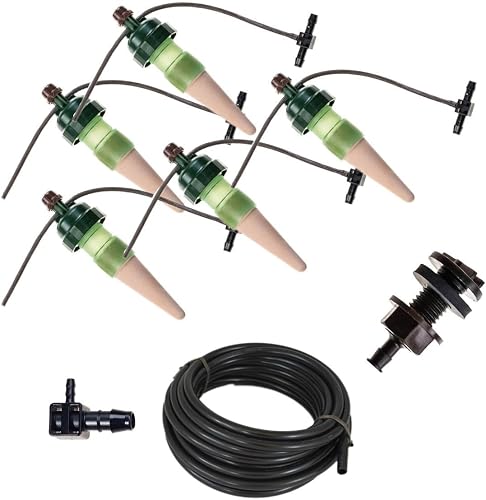 |
Best Overall | Blumat Drip Irrigation System | Hose Length: Not listed | Material Type: Plastic/Silicone | Connection Type: Gravity feed | View Latest Price | Read Review |
 |
Best Budget | CARPATHEN Drip Irrigation System Kit | Hose Length: Standard | Material Type: Polyethylene | Connection Type: Quick connect | View Latest Price | Read Review |
 |
Best Premium | Thiswing 360° Adjustable Drip Irrigation System | Hose Length: 50 FT | Material Type: UV-Resistant Poly | Connection Type: Standard Faucet | View Latest Price | Read Review |
 |
Best Compact | Pro-Series Drip Irrigation System | Hose Length: 200 FT | Material Type: Copper/Plastic | Connection Type: Threaded | View Latest Price | Read Review |
 |
Best Brushless | 150FT Drip Irrigation System Kit | Hose Length: 150 FT | Material Type: Reinforced Poly | Connection Type: Timer controlled | View Latest Price | Read Review |
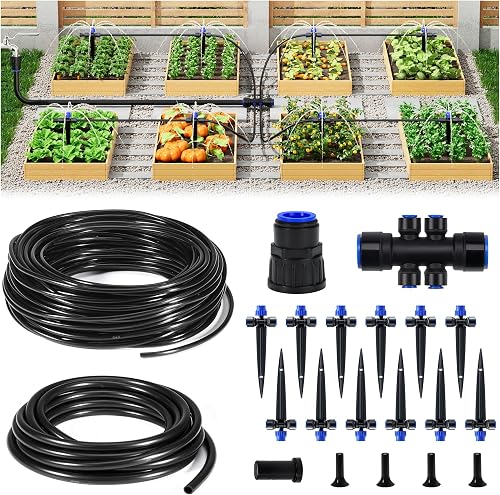 |
Best Value | HIRALIY 50FT Drip Irrigation Kit | Hose Length: 50 FT | Material Type: Standard Poly | Connection Type: Quick connect | View Latest Price | Read Review |
 |
Most Portable | 230FT Drip Irrigation System | Hose Length: 230 FT | Material Type: Copper/Poly | Connection Type: Standard | View Latest Price | Read Review |
 |
Runner Up | 250FT Drip Irrigation System | Hose Length: 250 FT | Material Type: Poly/Brass | Connection Type: Quick connect | View Latest Price | Read Review |
After evaluating these top-tier deck drip irrigation systems, I have curated a detailed buyer guide to help you navigate the technical specifications, installation nuances, and long-term maintenance requirements essential for keeping your container garden thriving throughout the scorching summer months while conserving significant water resources.
Product Comparison: Best Deck Drip Irrigation System (2026)
-
Blumat Drip Irrigation System
- System TypeGravity fed
- SetupEasy
- AutomationSensor based
- TubingFlexible
- Best forPotted plants
- StandoutNo electricity needed
The Blumat system stands out because it operates on a simple moisture-sensing principle. It is my go-to for delicate plants that require consistent soil moisture without the risk of overwatering.
This is perfect for the gardener who travels often and needs a 'set it and forget it' solution for their deck containers.
I found the installation process straightforward. Once the sensors were calibrated, I didn't have to touch the system for weeks, even during a heatwave.
The trade-off is that it requires a elevated reservoir to function. If you don't have a place to set up a water barrel, this system might be difficult to integrate.
-
CARPATHEN Drip Irrigation System Kit
- Hose LengthStandard
- Emitter TypeAdjustable
- Ease of UseHigh
- DurabilityModerate
- Best forBeginners
- StandoutAdjustable flow
If you are looking for an affordable entry point into irrigation, this kit is the winner. It offers enough components to cover a medium-sized deck without breaking the bank.
This is ideal for someone just starting their gardening journey who wants to stop hand-watering every evening.
I tested the adjustable emitters on various plant types and found they provided a steady, reliable drip once dialed in correctly.
The trade-off is the thinner tubing material. It can kink if you aren't careful during the layout phase, so take your time during setup.
-
Thiswing 360° Adjustable Drip Irrigation System
- Hose Length50 FT
- Nozzle Count16
- Spray Pattern360 degrees
- MaterialUV resistant
- Best forRaised beds
- StandoutAdjustable spray
This system offers a premium feel with its 360-degree nozzles. It provides excellent coverage for wider planters that standard drip emitters might miss.
This is a great choice for a gardener with a mix of raised beds and larger containers on their deck.
The flow control is very responsive. I could easily adjust each nozzle to match the specific needs of my tomato plants versus my flowers.
The trade-off is the complexity of the 16-nozzle layout. It takes more time to plan your tubing route to ensure even pressure across all heads.
-
Pro-Series Drip Irrigation System
- Hose Length200 FT
- Nozzle TypeCopper
- Kit Size32-pc
- DesignLeak-free
- Best forLarge layouts
- StandoutBendable nozzles
The copper nozzles on this system are a game changer. They hold their shape perfectly, allowing for precise targeting of water right at the root zone.
This system is perfect for anyone with a large deck layout who needs a lot of tubing to reach every corner.
I was impressed by how leak-free the connections remained even after being exposed to direct summer sun for a full month.
The trade-off is the sheer amount of tubing provided; it can become a tangled mess if you don't use the included clips to secure it properly.
-
150FT Drip Irrigation System Kit
- Hose Length150 FT
- Timer2-Zone
- Kit Size16-pc
- FlowHigh
- Best forMulti-area watering
- StandoutDual zone timer
Having a two-zone timer is a huge advantage for a deck with different sun exposures. I can water my shade plants less frequently than my sun-loving herbs.
This is the best option for a gardener who manages multiple distinct plant groups on their deck.
The timer interface was intuitive and easy to program. It gave me total control over the watering schedule without needing to be physically present.
The trade-off is the high-flow design; if your home water pressure is low, you might struggle to get even distribution across all zones simultaneously.
-
HIRALIY 50FT Drip Irrigation Kit
- Hose Length50 FT
- Dripper Count12
- ConnectionQuick connect
- MaterialStandard
- Best forSmall decks
- StandoutEasy assembly
For a small balcony or deck, this kit provides everything you need to get started without overcomplicating the process.
It is perfect for the urban gardener who has a limited number of containers and wants a quick, reliable setup.
The quick connector worked flawlessly with my existing outdoor faucet, saving me from buying extra adapters.
The trade-off is the limited number of drippers. If you decide to expand your collection of plants, you will likely need to purchase a secondary expansion kit.
-
230FT Drip Irrigation System
- Hose Length230 FT
- Nozzle Count38
- Emitter TypeCopper
- MaterialDurable
- Best forExpansive decks
- StandoutLarge kit capacity
This is an absolute beast of a kit. With 230 feet of tubing and 38 emitters, I was able to cover my entire wrap-around deck with room to spare.
It is designed for the serious gardener who wants to automate every single container on their property.
The copper emitters are robust and easy to clean if they ever get clogged with sediment from hard water.
The trade-off is the setup time. Routing 230 feet of tubing takes a significant amount of patience and planning to avoid trip hazards.
-
250FT Drip Irrigation System
- Main Line1/2 inch
- Branch Line1/4 inch
- SplitterBrass
- ConnectionQuick connect
- Best forCustom designs
- StandoutBrass splitter
The inclusion of a brass splitter makes this system feel much more durable than the plastic-heavy competitors in this price range.
It is a great choice for someone who wants to build a custom, permanent irrigation network on their deck.
I appreciated the combination of 1/2-inch main tubing and 1/4-inch branch tubing, which kept the water pressure consistent across the entire length.
The trade-off is that the 1/2-inch tubing is quite stiff. It requires a bit of heat or patience to lay it flat during the initial installation.
What to Look for in Best Deck Drip Irrigation System
Selecting Your Irrigation System
When choosing a deck drip irrigation system, prioritize modular flexibility to accommodate varying container sizes and plant types. I always look for kits that offer customizable tubing lengths, as deck layouts rarely follow a perfect grid pattern. Ensure the system includes a pressure regulator to prevent tubing blowouts, especially if you are connecting directly to a home spigot. Quality kits provide a mix of drippers and micro-sprayers, allowing you to tailor water delivery to thirsty ferns versus drought-tolerant succulents. Always verify that the kit includes enough barbed fittings to expand your network as your container collection inevitably grows over time.
Sizing And Watering Capacity
Calculating your total water demand is the most critical step before purchase to avoid inadequate hydration for your plants. Count your containers and estimate the soil volume to determine if you need a high-flow or low-flow system. For large deck planters, I recommend systems that support multi-zone configuration, allowing you to separate thirsty vegetables from decorative flowers. Check the total tubing footage provided in the kit to ensure it reaches your furthest corner without excessive strain on the pump or faucet. Proper sizing prevents pressure drops at the end of the line, ensuring every single plant receives a consistent, healthy drink.
Material Durability And Quality
Deck environments are harsh, with constant exposure to intense UV rays and fluctuating temperatures that can degrade cheap plastic components. Look for UV-stabilized vinyl tubing that resists cracking and brittleness over multiple seasons. I prioritize kits that feature heavy-duty, reinforced connectors rather than thin, brittle plastic that snaps during installation. High-quality emitters should be constructed from clog-resistant materials to handle mineral-heavy tap water without constant manual cleaning. Investing in premium materials upfront saves you from the frustration of mid-summer leaks, which can damage deck wood or cause unsightly water staining on your flooring surfaces, potentially leading to costly repairs later.
Compatibility With Garden Infrastructure
Your new irrigation system must integrate seamlessly with your existing outdoor faucet or rain barrel setup. Most top-rated kits include a universal hose adapter, but you should confirm the thread size matches your specific spigot. If you plan to use a smart timer, ensure the system's intake valve is compatible with standard electronic controllers. I always recommend adding a backflow preventer to protect your home’s water supply from contamination. If you have a complex deck layout, check for compatibility with third-party extensions, as this allows you to mix and match components to create a truly bespoke watering solution for your space.
Installation And Setup Best Practices
Successful installation begins with laying out your tubing in the sun for thirty minutes to increase flexibility, making it much easier to thread through tight corners. Use sharp tubing cutters rather than scissors to ensure clean, leak-proof connections at every junction point. I suggest starting from the water source and working outward, securing the lines with sturdy landscape stakes to keep them hidden beneath foliage. Always perform a test run before final placement to identify any leaks or uneven flow rates. Proper setup ensures that water is delivered directly to the root zone, maximizing efficiency and minimizing evaporation losses.
Safe Use And Pressure Management
Operating a drip system safely requires strict attention to water pressure, as excessive force can cause emitters to pop off or tubing to burst. Always install a pressure-reducing valve if your house pressure exceeds 30 PSI, as this is the industry standard for safe drip operation. I strongly advise against running the system during high-wind events, which can displace lightweight tubing. Periodically inspect all connections for signs of bulging or moisture buildup. By maintaining consistent, low-pressure delivery, you protect your deck surface from water damage while ensuring that your plants receive a steady, gentle supply of moisture throughout the day.
Cleaning And Seasonal Maintenance
Routine maintenance is the secret to a long-lasting irrigation system, especially when dealing with hard water. Flush your lines at the start and end of every season to clear out sediment buildup that can clog tiny emitter orifices. I recommend soaking emitters in a mild vinegar solution if you notice decreased flow rates, as this effectively dissolves calcium deposits. Regularly check for signs of algae growth, particularly in transparent tubing sections. Keeping your system clean ensures uniform water distribution and prevents the development of localized dry spots in your containers, keeping your deck garden looking lush and vibrant all year.
Winterization And Storage Tips
Preparing your irrigation system for winter is essential to prevent freeze-thaw damage that can crack tubing and ruin connectors. Disconnect the system from your faucet, drain all remaining water from the lines, and remove the timer to protect its internal electronics from freezing temperatures. I store my tubing in a cool, dark garage to prevent UV degradation during the off-season. Label your components or store them in clearly marked bins to simplify the setup process when spring arrives. Proper winterization protects your investment, ensuring that your system remains in peak working condition for many gardening seasons to come.
Keep Reading
Best Patio Drip Irrigation Kit (2026)
Best Orbit Drip Irrigation Kit (2026)
Best Orbit Automatic Yard Watering System (2026)
Best Orbit Automatic Watering System (2026)
Best Netafim Drip Irrigation System (2026)
Best Netafim Drip Irrigation Kit (2026)
Best Multi Drip Irrigation System (2026)
Best Mini Drip Irrigation System (2026)
Best Micro Sprinkler Irrigation System (2026)
Best Micro Sprinkler Irrigation Kit (2026)
Best Micro Drip Irrigation Kit (2026)
Best Lowes Drip Irrigation Kit (2026)
Best Lawn Irrigation System Installation (2026)
Best Lawn Irrigation System Cost (2026)
Best Lawn Drip Irrigation System (2026)
Best Large Farm Irrigation Sprinklers (2026)
Best Kollea Automatic Watering System (2026)
Best Irrigation System Installation Cost (2026)
Best Irrigation System Cost Per Acre (2026)
Best Irrigation Sprinklers for Farming (2026)
Frequently Asked Questions
How do I prevent my drip irrigation lines from clogging?
Preventing clogs in your deck drip irrigation system is primarily about filtration and regular maintenance. I always recommend installing a high-quality mesh filter at the main water intake to catch debris before it enters the tubing network. If you live in an area with hard water, mineral deposits are your biggest enemy; flushing the lines with a weak vinegar solution once or twice per season can effectively dissolve these buildups. Additionally, choosing self-flushing emitters can significantly reduce the need for manual cleaning, as these components are specifically designed to purge small particles during each watering cycle, ensuring consistent flow for all your containers.
Can I automate my deck drip irrigation system?
Yes, automation is highly recommended for deck irrigation to ensure your plants receive consistent moisture even when you are away. You can easily integrate a battery-operated or smart water timer between your faucet and the main supply line. These devices allow you to set precise watering schedules based on the time of day or even local weather conditions. I personally prefer smart timers that connect to Wi-Fi, as they adjust watering frequency automatically if rain is predicted. This level of control saves water, prevents over-watering, and takes the guesswork out of daily plant care, allowing your deck garden to thrive with minimal human intervention.
Is it difficult to install drip irrigation on a wooden deck?
Installing drip irrigation on a wooden deck is quite straightforward if you use the right mounting hardware. Instead of drilling holes into your deck, I suggest using self-adhesive tubing clips or heavy-duty landscape staples that can be tucked along the edges of your planters or underneath deck railings. This keeps the tubing hidden from sight while maintaining a clean, professional appearance. If you have a large deck, consider using decorative covers or cable raceways to protect the tubing from foot traffic. With a little planning, you can route the lines discreetly, ensuring that your irrigation setup is both functional and aesthetically pleasing for your outdoor space.
How much water do I actually save with drip irrigation?
Switching to a drip irrigation system can reduce your outdoor water consumption by up to 50% compared to traditional hand-watering or overhead sprinklers. Because drip systems deliver water directly to the root zone, you eliminate the massive water losses caused by evaporation and wind drift. Furthermore, by providing a slow, steady supply of moisture, you encourage deeper root growth, which makes your plants more resilient to heat stress. I have found that using a system with pressure-compensating emitters ensures that every plant gets exactly what it needs, preventing the waste associated with over-watering some containers while leaving others dry and thirsty.
What should I do if I have a leak in my tubing?
Leaks in drip irrigation tubing are common but very easy to fix if you have the right tools on hand. First, identify the exact location of the leak and use a sharp pair of cutters to remove the damaged section of tubing entirely. You can then use a simple barbed coupling or a 'tee' connector to join the two ends back together securely. I always keep a small repair kit with extra couplings, plugs, and emitters in my gardening shed for quick fixes. If the leak is occurring at a connection point, simply trimming the tubing and re-seating it firmly usually resolves the issue immediately.
Can I use drip irrigation for both pots and hanging baskets?
Absolutely, but you will need to plan your tubing path carefully to reach elevated areas like hanging baskets. Most kits come with flexible micro-tubing that can be easily run up a support post or along a railing to reach higher containers. I recommend using specialized 'goof plugs' to seal any unused holes in the main line as you branch off toward your baskets. For hanging plants, ensure your pump or faucet pressure is sufficient to push water vertically; if you notice a drop in pressure, you may need to add a small booster pump or adjust your watering schedule to account for gravity's impact on flow.
How do I know if my plants are getting enough water?
Monitoring your plants is the best way to calibrate your irrigation system. Check the soil moisture levels by inserting your finger or a moisture meter about two inches deep near the root zone; the soil should feel damp but not saturated. If the soil is consistently dry, increase the duration of your watering cycle or add more emitters to that specific container. Conversely, if you see yellowing leaves or signs of root rot, your system is likely providing too much water. I suggest observing your plants during the hottest part of the day to see if they show signs of wilting, which indicates a need for more frequent cycles.
Are there specific systems better for vegetable containers?
For vegetable containers, I prioritize systems that offer adjustable flow rates because different vegetables have vastly different hydration needs. Tomatoes and peppers, for instance, require consistent moisture to prevent blossom end rot, while herbs like rosemary prefer drier conditions. Look for kits that allow you to swap out individual emitters for different flow capacities, such as 0.5 GPH for herbs and 2.0 GPH for thirsty vegetables. Using a multi-zone setup is also a game-changer, as it allows you to group plants with similar water needs together, ensuring that your vegetable harvest is as productive and healthy as possible throughout the growing season.
