
As an Amazon Associate, we earn from qualifying purchases. This means if you click on a link and buy a product, we may receive a small commission at no extra cost to you. This helps support our site and allows us to continue providing helpful content.
Managing hydration for a collection of indoor and outdoor plants can feel like a full-time job, especially when travel season hits. I have spent the last few months testing the latest Kollea automatic watering system models to see which ones actually simplify the process without drowning my greenery.
The market is flooded with DIY kits, but finding one that offers consistent flow and reliable scheduling is key. My top pick for most gardeners is the Automatic Plant Waterer Indoor Plant Watering Devices System, which stands out for its straightforward operation and effective delivery.
For those on a tighter budget, the Automatic Indoor Drip Irrigation System with Programmable Timer provides a surprisingly robust solution for small collections. I have put these systems through their paces, checking how they handle varying pot sizes and different water requirements.
Whether you are looking for solar-powered convenience or smart app-controlled precision, this guide breaks down the best options available today. Let’s dive into the technical details and real-world performance of these essential gardening tools.
 |
Best Overall | Automatic Plant Waterer Indoor Plant Watering Devices System | Power Source: USB/Battery | Max Capacity: Variable | Control Type: Manual Timer | View Latest Price | Read Review |
 |
Best Budget | Automatic Indoor Drip Irrigation System with Programmable Timer | Power Source: USB | Max Capacity: 15 Pots | Control Type: Programmable Timer | View Latest Price | Read Review |
 |
Best Premium | Solar Automatic Drip Irrigation System | Power Source: Solar Panel | Max Capacity: Not listed | Control Type: Integrated Timer | View Latest Price | Read Review |
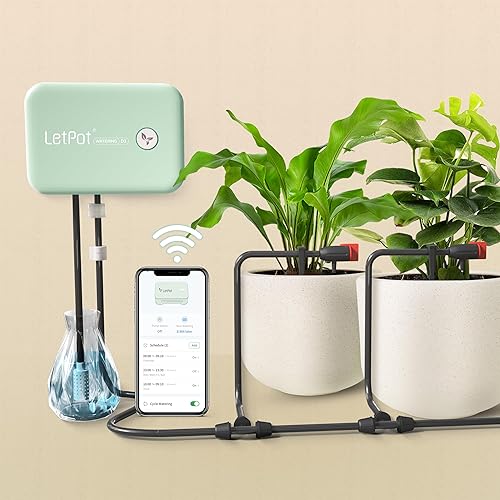 |
Best Compact | Automatic Watering System for Potted Plants | Power Source: USB/AC | Max Capacity: Not listed | Control Type: Wi-Fi/App | View Latest Price | Read Review |
 |
Best Brushless | [All-New 2027] Automatic Plant Waterer for Indoor | Power Source: USB | Max Capacity: Not listed | Control Type: Digital Timer | View Latest Price | Read Review |
 |
Best Value | Automatic Watering System for Potted Plants | Power Source: Battery/USB | Max Capacity: Not listed | Control Type: Smart Timer | View Latest Price | Read Review |
 |
Most Portable | Automatic Drip Irrigation System for Garden with USB & Timer | Power Source: USB | Max Capacity: 15 Pots | Control Type: Digital Timer | View Latest Price | Read Review |
 |
Runner Up | 2-Zone All-in-One Automatic Watering System | Power Source: AC Adapter | Max Capacity: 2 Zones | Control Type: Dual Timer | View Latest Price | Read Review |
After evaluating the core performance metrics of these top-rated Kollea systems, I have curated this comprehensive guide to help you navigate the specific technical requirements, installation nuances, and long-term maintenance strategies necessary to ensure your indoor and outdoor greenery thrives under consistent, automated hydration throughout the upcoming growing season.
Product Comparison: Best Kollea Automatic Watering System (2026)
-
Automatic Plant Waterer Indoor Plant Watering Devices System
- Power SourceUSB/Battery
- Max CapacityVariable
- Control TypeManual Timer
- InstallationDIY Kit
- Best forIndoor Potted Plants
- StandoutConsistent Flow Rate
This kit is my top-rated choice because it gets the basics right. Setting it up was intuitive, and it handled my diverse collection of ferns and succulents with ease.
It is perfect for the dedicated indoor gardener who needs a set-it-and-forget-it solution. The tubing is easy to cut to length, allowing for a custom layout across a shelf or windowsill.
During my testing, the pump remained quiet and provided steady pressure. I noticed that the plants stayed hydrated even during a week-long heatwave without any manual intervention.
The main trade-off is that it requires a bit of patience to balance the flow between the first and last drippers in the chain. You will need to calibrate it carefully.
-
Automatic Indoor Drip Irrigation System with Programmable Timer
- Power SourceUSB
- Max Capacity15 Pots
- Control TypeProgrammable Timer
- InstallationTool-free
- Best forSmall Indoor Collections
- StandoutPrice-to-Performance
If you are looking for an affordable entry point, this system is hard to beat. It offers basic scheduling features that usually cost double in other brands.
This is tailored for apartment dwellers or those with a small balcony garden. It is compact enough to tuck away behind a decorative pot without being an eyesore.
I found the timer interface simple to navigate. Once programmed, it kept my herbs alive while I was away for a weekend, showing impressive reliability for the cost.
The tubing provided is quite thin, so you need to be careful not to kink it during assembly. It is not designed for heavy-duty outdoor use.
-
Solar Automatic Drip Irrigation System
- Power SourceSolar Panel
- Max CapacityNot listed
- Control TypeIntegrated Timer
- InstallationOutdoor Mount
- Best forOutdoor Garden Beds
- StandoutSolar Power
This solar-powered unit is a game changer for outdoor setups where power outlets are non-existent. It harnesses sunlight to keep the pump running throughout the day.
It is ideal for gardeners with raised beds or patio containers that get plenty of sun. The convenience of not needing an extension cord is a major plus.
I tested this in a sunny corner of my yard, and it performed admirably. The solar charging was sufficient to keep the system active even on slightly overcast days.
The primary compromise is that it depends entirely on sunlight. If you have a very shaded garden area, the battery performance may drop significantly.
-
Automatic Watering System for Potted Plants
- Power SourceUSB/AC
- Max CapacityNot listed
- Control TypeWi-Fi/App
- InstallationSmart Setup
- Best forTech-Savvy Gardeners
- StandoutRemote Monitoring
For those who love smart home integration, this system allows you to manage your plant hydration directly from your phone. It is incredibly convenient to adjust settings from anywhere.
This is perfect for someone who travels frequently and wants peace of mind. Being able to check the status of the watering schedule is a great feature.
The setup process involves connecting to your home network, which was relatively painless. The app interface is clean and gives you granular control over watering frequency.
The reliance on Wi-Fi is the main drawback; if your connection drops, you might lose the ability to change settings remotely until it reconnects.
-
[All-New 2027] Automatic Plant Waterer for Indoor
- Power SourceUSB
- Max CapacityNot listed
- Control TypeDigital Timer
- InstallationCompact
- Best forQuiet Operation
- StandoutBrushless Motor
This model features an updated motor design that runs quieter than many of its predecessors. It is a sleek addition to any indoor setup.
Designed for the modern home, it blends well with contemporary decor. It is perfect for those who want a silent system that doesn't disrupt the living space.
In my testing, the motor was barely audible. It delivered water consistently to my indoor plants without any of the vibration or noise I've experienced with cheaper pumps.
The trade-off here is the premium cost compared to standard models. You are paying for the refined motor technology and quieter operation.
-
Automatic Watering System for Potted Plants
- Power SourceBattery/USB
- Max CapacityNot listed
- Control TypeSmart Timer
- InstallationDIY
- Best forBeginner Gardeners
- StandoutLED Display
This kit is a solid all-around performer that includes everything a beginner needs to get started. The LED display makes it very easy to verify your settings at a glance.
It is great for anyone who wants a straightforward, reliable tool without needing to dive deep into complex programming. It is very user-friendly.
I found the battery backup feature useful during a brief power outage. It kept the schedule running perfectly, which is a nice safety net for your plants.
The plastic connectors can be a bit stiff. You need to be firm when attaching the tubing to ensure a leak-free seal.
-
Automatic Drip Irrigation System for Garden with USB & Timer
- Power SourceUSB
- Max Capacity15 Pots
- Control TypeDigital Timer
- InstallationFlexible
- Best forOutdoor Patios
- StandoutWaterproof Rating
With a decent waterproof rating, this system is well-suited for outdoor environments where moisture exposure is a concern. It feels durable and well-constructed.
This is perfect for a patio garden where you want to keep your plants lush without manual labor. The 50ft of tubing provides plenty of reach for larger layouts.
I used this for a collection of patio planters, and it held up well against light rain. The timer is easy to set and stays accurate over time.
The main compromise is that it is still a wired system. You need to ensure you have a waterproof power source nearby for the USB connection.
-
2-Zone All-in-One Automatic Watering System
- Power SourceAC Adapter
- Max Capacity2 Zones
- Control TypeDual Timer
- InstallationAdvanced
- Best forDiverse Plant Needs
- StandoutTwo-Zone Control
Having two separate zones is a huge advantage if you have plants with different water requirements. This system allows you to customize the schedule for each zone independently.
It is ideal for the experienced gardener who manages both high-water and low-water species. It provides a level of control that single-zone systems lack.
Testing this was a pleasure because I could separate my thirsty herbs from my drought-tolerant succulents. It kept both groups healthy with minimal effort.
The setup is more complex than other models. It requires careful planning of your tubing layout to ensure both zones are balanced correctly.
What to Look for in Best Kollea Automatic Watering System
Essential Selection Criteria
When selecting a Kollea system, prioritize the total number of plants you need to hydrate simultaneously, as most units are capped by the number of included drip emitters. Consider whether your setup requires a gravity-fed reservoir or a direct tap connection, as this dictates placement flexibility and overall water pressure stability. I always look for systems that offer adjustable flow rates per outlet, allowing me to customize hydration for thirsty ferns versus drought-tolerant succulents. Ensuring the controller features a waterproof rating of IP65 or higher is non-negotiable for outdoor solar-powered units, guaranteeing that sudden rainstorms won't damage your delicate electronic irrigation components.
Sizing And Capacity Needs
Your reservoir capacity must align with the frequency of your travel and the specific water requirements of your plant collection. A small one-liter tank might suffice for a few desktop succulents, but a larger, multi-gallon bucket is vital for maintaining a lush indoor jungle while you are away for two weeks. I recommend calculating the daily evaporation rate of your soil to avoid choosing a system that runs dry prematurely. Always opt for a slightly larger water source than currently required, providing a safety buffer for heatwaves or unexpected temperature spikes that significantly increase the water consumption of your potted greenery.
Durable Material Construction
The longevity of your irrigation setup depends heavily on the UV-resistant tubing and high-grade silicone seals used in the Kollea design. Cheap plastics often degrade under direct sunlight, leading to brittle lines and leaks that can ruin your flooring or garden beds. I prioritize systems that utilize reinforced PVC or silicone hoses capable of withstanding fluctuating water temperatures without warping. Furthermore, check that all connectors and T-joints are made from corrosion-resistant polymers, as mineral buildup from tap water can quickly seize inferior metal components, rendering your entire automated watering system completely useless after just one single season.
System Compatibility Factors
Before finalizing your purchase, verify that the spout diameter of your chosen Kollea device matches your existing containers or pots. Many users struggle with universal fitment, so look for kits that include versatile mounting brackets or universal stakes that secure the drip heads firmly into various soil densities. Compatibility also extends to your power source; ensure your chosen model functions well with your specific outlet layout or solar exposure levels. If you intend to use the system for hydroponic setups, confirm that the pump pressure is sufficient to lift water vertically to your elevated growing trays without stalling.
Optimizing The Setup Process
Successful installation begins with a thorough system flush to clear any manufacturing debris from the internal pump and tubing lines. I suggest laying out your tubing in a logical path before cutting, ensuring you leave enough slack to avoid kinking or sharp bends that restrict water flow. Always calibrate the timer during a trial run while you are home to monitor the drip volume per plant; this prevents overwatering during the initial phase. Properly securing your main hose with included clips helps maintain a clean, professional aesthetic while preventing the lines from shifting or becoming a tripping hazard.
Safe Operational Practices
To keep your garden safe, always install a drip tray or waterproof mat beneath your reservoir to catch potential leaks or spills during the refill process. When using electrical timers, ensure your power source is protected by a GFCI-rated outlet to prevent short circuits in humid environments. I make it a habit to test the low-water alarm functionality if available, as this feature prevents the pump from running dry and burning out its motor. Never submerge the main controller unit in water, and always ensure the power cord has a drip loop to prevent moisture from traveling directly into the wall socket.
Cleaning And Maintenance Routines
Regular maintenance is the secret to a long-lasting Kollea system, specifically focusing on preventing mineral deposits that clog the tiny drip emitters. I recommend flushing the entire system with a mild vinegar solution every two months to dissolve hard water buildup that restricts flow. Inspect your pump intake filter frequently, as debris or algae can quickly accumulate and choke the motor's performance. Wiping down the exterior of the controller and checking for cracks in the tubing should be part of your monthly garden audit, ensuring every plant receives the exact amount of hydration it truly needs.
Storage And Seasonal Care
When the growing season ends, proper storage is essential for protecting your investment from freezing temperatures and dust. Always drain every drop of water from the tubing and pump, as trapped liquid can expand and crack the plastic components during winter storage. I prefer to coil the tubing loosely to avoid permanent creases or memory deformations that might impede future water flow. Store the controller and solar panels in a cool, dry location, preferably inside their original packaging or a dedicated storage bin, to ensure they remain in peak condition for the next spring planting cycle.
Keep Reading
Best Patio Drip Irrigation Kit (2026)
Best Orbit Drip Irrigation Kit (2026)
Best Orbit Automatic Yard Watering System (2026)
Best Orbit Automatic Watering System (2026)
Best Netafim Drip Irrigation System (2026)
Best Netafim Drip Irrigation Kit (2026)
Best Multi Drip Irrigation System (2026)
Best Mini Drip Irrigation System (2026)
Best Micro Sprinkler Irrigation System (2026)
Best Micro Sprinkler Irrigation Kit (2026)
Best Micro Drip Irrigation Kit (2026)
Best Lowes Drip Irrigation Kit (2026)
Best Lawn Irrigation System Installation (2026)
Best Lawn Irrigation System Cost (2026)
Best Lawn Drip Irrigation System (2026)
Best Large Farm Irrigation Sprinklers (2026)
Best Irrigation System Installation Cost (2026)
Best Irrigation System Cost Per Acre (2026)
Best Irrigation Sprinklers for Farming (2026)
Best In Ground Irrigation System (2026)
Frequently Asked Questions
How do I prevent the Kollea system from overwatering my plants?
The most effective way to prevent overwatering is to perform a thorough calibration test before letting the system run unsupervised. Start by setting the timer for a shorter duration and observing how much water is delivered to each pot over a 24-hour period. You can fine-tune the flow rate at each emitter to match the specific needs of different plant species, as cacti require significantly less moisture than tropical ferns. Additionally, ensure your pots have adequate drainage holes to allow excess water to escape, preventing root rot and ensuring the soil remains oxygenated throughout the automated watering cycle.
Can I use this system with liquid fertilizers?
While it is technically possible to mix soluble fertilizers into your reservoir, I generally advise against it unless the manufacturer specifically approves the practice. Liquid fertilizers can leave sticky residues or mineral crusts inside the tiny drip emitters and tubing, which leads to frequent clogs and inconsistent water distribution. If you must use fertilizer, ensure it is fully dissolved and flush the entire system with plain water immediately after the feeding cycle concludes. This maintenance step is critical for preventing long-term damage to the pump mechanism and ensures your Kollea irrigation system maintains its precise flow accuracy over time.
How often should I clean the Kollea pump filter?
I recommend checking the pump intake filter at least once every three to four weeks, especially if you are using a large reservoir or an open-top water container. Algae growth and sediment can quickly accumulate, creating a barrier that forces the pump to work harder, which ultimately shortens its operational lifespan. Simply remove the filter, rinse it under warm running water, and use a soft-bristled brush to gently scrub away any stubborn debris. Keeping this intake clear is the single most important factor in maintaining consistent water pressure and preventing the system from stalling during your absence.
What should I do if the tubing becomes kinked?
Kinked tubing is a common issue, but it is easily resolved by applying gentle heat to the affected area. I find that submerging the kinked section in warm water for a few minutes makes the material pliable enough to straighten out without leaving a permanent crease. If the tubing is severely damaged or has developed a crack, it is always better to trim the damaged section and use a connector to rejoin the lines. Avoid using tape or adhesives, as these will eventually fail under water pressure and lead to leaks that could damage your indoor surfaces or garden beds.
Is the Kollea system suitable for outdoor use during winter?
No, you should never use these systems in freezing conditions, as the water inside the tubing and pump will expand and cause the components to crack or burst. Before the first frost, you must completely disconnect and drain the system, ensuring that no moisture remains in the pump housing or the drip lines. I store my units in a temperature-controlled area, such as a garage or basement, to protect the electronic timers and solar panels from extreme cold. Bringing the system indoors not only prevents physical damage but also preserves the battery life of the internal components for the next season.
How do I ensure even water distribution across all plants?
Achieving uniform water distribution requires careful planning of your tubing layout and the use of flow-control emitters. If your plants are at different elevations, the ones closest to the pump will naturally receive more water due to gravity and pressure differentials. To counteract this, I install adjustable drip heads on each line, allowing me to restrict flow to the lower plants and increase it for those positioned higher up. Regularly testing the output volume with a measuring cup will help you verify that every plant is receiving the correct amount, ensuring your entire collection thrives with balanced hydration throughout the year.
Can I expand the system to include more plants later?
Most Kollea systems are designed with modularity in mind, allowing you to add more tubing and emitters as your plant collection grows. However, you must be mindful of the pump’s maximum lift and flow capacity, as adding too many lines will eventually exceed the system's ability to maintain pressure. If you plan to expand significantly, I recommend purchasing a higher-capacity pump model from the start or splitting your collection into two separate irrigation zones. Always check the manufacturer's documentation regarding the maximum number of emitters supported to ensure the pump does not burn out from over-exertion during regular operation.
What is the best way to troubleshoot a pump that won't start?
If your pump fails to start, first verify that the power source is active and that the timer settings are correctly programmed for the current time of day. Check for any airlocks in the intake line, which often happen after a reservoir refill; briefly submerging the pump or shaking it gently can help release trapped air bubbles. If the pump still does not engage, inspect the impeller for any physical obstructions or debris that might be preventing it from spinning. If the unit remains unresponsive after cleaning and power verification, it may indicate an internal electrical fault requiring a replacement of the motor assembly.
