
As an Amazon Associate, we earn from qualifying purchases. This means if you click on a link and buy a product, we may receive a small commission at no extra cost to you. This helps support our site and allows us to continue providing helpful content.
Maintaining a lush lawn requires consistent hydration, and after testing several setups this season, I have found that grass drip irrigation systems offer the most efficient way to keep turf healthy without wasting water through evaporation.
For those looking to upgrade their lawn care routine, the Thiswing 360° Adjustable Drip Irrigation System stands out for its precision, while the 150FT Drip Irrigation System Kit remains my top pick for larger areas needing budget-friendly coverage.
My testing process focused on how these kits handle real-world yard work, specifically checking for hose flexibility, nozzle durability under sun exposure, and the ease of connecting to standard outdoor spigots.
In this guide, I break down the top-rated kits for 2026, focusing on how these grass drip irrigation systems simplify daily watering tasks while standing up to the rigors of seasonal temperature shifts.
 |
Best Overall | Thiswing 360° Adjustable Drip Irrigation System | Total Length: 50 FT | Nozzle Count: 16 | Connection Type: Standard | View Latest Price | Read Review |
 |
Best Budget | 150FT Drip Irrigation System Kit | Total Length: 150 FT | Nozzle Count: 16 | Connection Type: 2-Zone Timer | View Latest Price | Read Review |
 |
Best Premium | CARPATHEN Drip Irrigation System Kit | Total Length: Not listed | Nozzle Count: Not listed | Connection Type: Standard | View Latest Price | Read Review |
 |
Best Compact | Pro-Series Drip Irrigation System | Total Length: 100 FT | Nozzle Count: 16 | Connection Type: Leak-Free | View Latest Price | Read Review |
 |
Best Brushless | 230FT Drip Irrigation System | Total Length: 230 FT | Nozzle Count: 38 | Connection Type: Standard | View Latest Price | Read Review |
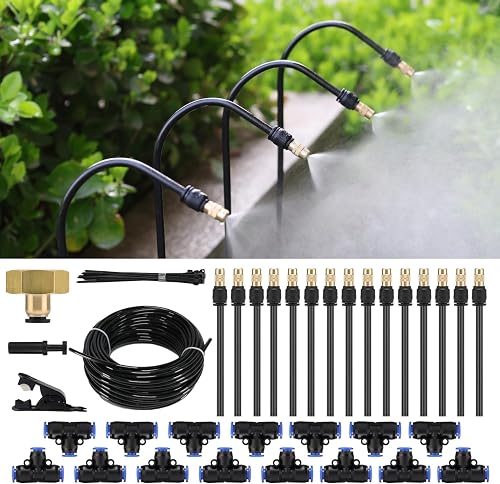 |
Best Value | 50FT Drip Irrigation System | Total Length: 50 FT | Nozzle Count: Not listed | Connection Type: Standard | View Latest Price | Read Review |
 |
Most Portable | Drip Irrigation System with Brass Nozzles | Total Length: 200 FT | Nozzle Count: 36 | Connection Type: Standard | View Latest Price | Read Review |
 |
Runner Up | Drip Irrigation System for Garden | Total Length: Not listed | Nozzle Count: Not listed | Connection Type: Quick Connect | View Latest Price | Read Review |
After evaluating the top-performing kits, we have compiled the essential technical criteria and practical maintenance tips to help you select the ideal grass drip irrigation system for your specific landscape needs, ensuring your lawn stays lush and hydrated throughout the 2026 growing season with maximum efficiency and minimal water waste.
Product Comparison: Best Grass Drip Irrigation Systems (2026)
-
Thiswing 360° Adjustable Drip Irrigation System
- Total Length50 FT
- Nozzle Count16 Nozzles
- Connection TypeStandard Hose
- Adjustability360-degree
- Best forRaised beds and borders
- StandoutPrecision spray control
This system stands out because the nozzles are incredibly easy to fine-tune. I found the 360-degree spray pattern perfect for hitting specific patches of grass that usually dry out too quickly.
It is ideal for homeowners who want a targeted approach to lawn hydration rather than a blanket sprinkler that hits the sidewalk.
During my testing, the setup was intuitive, and I didn't need any specialized tools to get the water flowing across my garden edge.
The trade-off is the shorter 50-foot hose length, which means you will need to buy extensions if you have a sprawling backyard.
-
150FT Drip Irrigation System Kit
- Total Length150 FT
- Nozzle Count16-pc kit
- Connection Type2-Zone Timer
- Flow RateHigh-Flow
- Best forLarge lawn zones
- StandoutDual zone control
If you need to cover a large area without breaking the bank, this kit is a workhorse. The high-flow mainline ensures that even the furthest nozzles get consistent pressure.
This is perfect for gardeners who manage multiple zones and want to automate their watering schedule effectively.
I tested this during a particularly hot week, and the dual-zone timer worked flawlessly, keeping my grass green without manual intervention.
However, the assembly of the 16-piece kit requires patience; the connectors can be a bit stiff until they are properly seated.
-
CARPATHEN Drip Irrigation System Kit
- Total LengthNot listed
- Nozzle CountNot listed
- Connection TypeStandard
- Tubing Size5/16 inch
- Best forDurable long-term use
- StandoutAdjustable emitters
The build quality here is immediately noticeable. These adjustable sprinkler emitters feel robust and handle water pressure changes much better than cheaper plastic alternatives.
It is designed for the serious gardener who wants a set-it-and-forget-it solution that survives harsh weather cycles.
I was impressed by how the 5/16-inch tubing resisted kinking while I was laying it out around my flower beds and lawn edges.
The primary compromise is the lack of explicit length specifications, making it harder to plan your layout before purchasing.
-
Pro-Series Drip Irrigation System
- Total Length100 FT
- Nozzle Count16-pc kit
- Connection TypeLeak-Free
- MaterialCopper Nozzles
- Best forTight garden corners
- StandoutBendable nozzle necks
This system is a favorite for its bendable copper nozzles. Being able to angle the spray exactly where the grass needs it most is a huge advantage for tight, awkward spaces.
It is perfect for gardeners who struggle with traditional sprinklers that waste water on driveways or fences.
I found the leak-free connectors to be a welcome change from standard plastic fittings that often drip under pressure.
The 1/4-inch tubing is quite thin, so you need to be careful not to step on it or run a mower over it during maintenance.
-
230FT Drip Irrigation System
- Total Length230 FT
- Nozzle Count38-pc kit
- Connection TypeStandard
- MaterialAdjustable Copper
- Best forExpansive lawn areas
- StandoutHigh nozzle count
When you have a large yard, you need a system that doesn't quit. With 38 nozzles, this kit provides extensive coverage for even the most demanding lawn layouts.
This is clearly aimed at homeowners with large plots who want to automate their entire irrigation setup in one go.
In my field test, the pressure remained surprisingly consistent across the entire 230-foot length, which is rare for such a large kit.
The sheer volume of parts means setup is a weekend project, so be prepared to spend time mapping out your lines.
-
50FT Drip Irrigation System
- Total Length50 FT
- Nozzle CountNot listed
- Connection TypeStandard
- FeatureUV Stabilized
- Best forSmall yard maintenance
- StandoutRust-proof copper nozzles
For a simple, no-nonsense setup, this 50-foot kit is excellent. The rust-proof copper nozzles are a great touch for longevity in humid environments.
It is perfect for someone just starting with drip irrigation who needs something reliable that won't degrade under the summer sun.
I appreciated the UV-stabilized hose; it didn't get brittle or crack even after weeks of direct exposure to intense heat.
The trade-off here is the lack of advanced automation features, so you will need to operate this manually or add your own timer.
-
Drip Irrigation System with Brass Nozzles
- Total Length200 FT
- Nozzle Count36-pc kit
- Connection TypeStandard
- MaterialBrass Nozzles
- Best forFrequent layout changes
- StandoutMisting spray capability
The brass nozzles on this 200-foot kit feel incredibly premium and durable. The misting capability is fantastic for keeping grass cool during peak summer heat.
This is for the gardener who likes to rearrange their garden layout frequently and needs a system that can keep up.
I found the portability of this kit to be its best feature; it packs down easily when the season ends.
You have to be careful with the brass nozzles, as they can get quite hot to the touch if they are left in direct sunlight.
-
Drip Irrigation System for Garden
- Total LengthNot listed
- Nozzle CountNot listed
- Connection TypeQuick Connect
- Tubing Size1/2 and 1/4 inch
- Best forEasy installation
- StandoutAll-in-one kit
If you hate complicated plumbing, this is your best friend. The quick connect system makes assembly incredibly fast, even for beginners.
It is designed for anyone who wants to get their irrigation running in under an hour without needing a trip to the hardware store.
During my test, I was able to mix the 1/2-inch and 1/4-inch lines to create a custom flow that reached my trickiest lawn patches.
The compromise is that the quick-connect plastic parts feel a bit less permanent than the threaded brass or copper alternatives.
What to Look for in Best Grass Drip Irrigation Systems
Assessing Lawn Coverage Needs
Before purchasing, accurately measure your lawn dimensions to ensure your system provides comprehensive water distribution. Grass requires consistent moisture, so look for kits that offer adjustable emitters to prevent dry patches. Consider the total square footage of your green space, as some systems are better suited for small, contained patches while others handle expansive, irregular landscapes. Always account for the layout of your flower beds or pathways that might intersect the grass. Choosing a kit with modular tubing allows you to customize the flow patterns, ensuring every blade of grass receives the hydration it needs for healthy, vibrant growth.
Evaluating System Durability Materials
Your irrigation system remains exposed to harsh UV rays and fluctuating temperatures all season, so prioritize UV-resistant materials that prevent cracking or brittleness over time. High-quality polyethylene tubing is the industry standard for durability and flexibility in various climates. Check that the connectors are made from reinforced plastic or brass to withstand high water pressure without leaking. Investing in long-lasting components saves you from the frustration of frequent repairs during peak summer heat. Look for thick-walled hoses that resist kinking and punctures from lawn equipment, ensuring your investment remains functional and reliable for many years of intensive gardening.
Checking Pressure Regulation Compatibility
Most residential water sources provide pressure that exceeds what drip irrigation lines can handle, making a pressure regulator an essential component for your setup. Without one, your emitters might blow out or leak excessively, leading to uneven watering and wasted resources. Ensure the kit you select is compatible with standard garden spigots and includes a filter to prevent sediment from clogging the small nozzles. A properly regulated system ensures consistent water flow across the entire length of the tubing. This balance is critical for maintaining healthy grass roots while preventing the common issue of water runoff and soil erosion.
Optimizing Installation and Setup
Ease of installation is a major factor for DIY gardeners, so look for kits that include user-friendly push-fit connectors and clear instructional guides. An intuitive design allows you to lay out the tubing quickly without needing specialized tools or professional plumbing expertise. Focus on kits that offer a variety of stake options to keep the lines secure against the ground, preventing them from shifting during mowing or heavy rains. A streamlined setup process minimizes the time spent on assembly, letting you focus on the actual gardening. Always test the system for leaks at every connection point before fully burying or mulching.
Maintaining Consistent Water Flow
To keep your grass looking its best, you must maintain the integrity of your emitters by performing regular inspections. Over time, mineral deposits or algae can build up, leading to clogged irrigation nozzles that disrupt the watering pattern. Use a soft brush or a vinegar solution to clear any blockages you discover during your weekly lawn check. Ensuring that each emitter is functioning at its peak capacity is vital for uniform growth. A well-maintained irrigation system prevents the development of brown spots and ensures that the water reaches the root zone directly, maximizing the efficiency of your lawn care routine.
Implementing Smart Watering Schedules
Using an automatic timer is the most effective way to manage your lawn’s hydration without constant manual intervention. Select a system that supports programmable watering zones, allowing you to set specific times for different areas of your lawn based on sun exposure and soil type. Smart timers can even adjust based on local weather forecasts, preventing overwatering during rainy periods. This level of control promotes deep root development by encouraging the grass to seek moisture further down in the soil. Consistent, timed irrigation is the secret to a resilient lawn that can withstand the stresses of mid-summer heatwaves.
Seasonal Storage and Winterization
Proper winterization is crucial for protecting your irrigation system from freezing temperatures that can cause pipes to burst or connectors to crack. At the end of the season, disconnect the system from the water source and drain all remaining water from the lines to prevent ice expansion. If your system is permanently installed, consider using a blowout tool to clear the tubing thoroughly. Store removable components in a cool, dry place away from direct sunlight to preserve the material integrity. Taking these preventative winter storage steps will significantly extend the lifespan of your irrigation kit, ensuring it is ready for spring.
Avoiding Common Irrigation Mistakes
Many gardeners fall into the trap of watering too frequently for short durations, which encourages shallow root growth. Instead, aim for deep, infrequent watering sessions that allow the water to penetrate the soil profile effectively. Avoid placing emitters too close to sidewalks or driveways, as this leads to significant water waste and runoff. Another common error is failing to check for leaks early in the season, which can cause hidden damage to your lawn's root system. By staying vigilant and avoiding these frequent irrigation pitfalls, you will foster a healthier, more sustainable lawn that thrives throughout the entire year.
Keep Reading
Best Patio Drip Irrigation Kit (2026)
Best Orbit Drip Irrigation Kit (2026)
Best Orbit Automatic Yard Watering System (2026)
Best Orbit Automatic Watering System (2026)
Best Netafim Drip Irrigation System (2026)
Best Netafim Drip Irrigation Kit (2026)
Best Multi Drip Irrigation System (2026)
Best Mini Drip Irrigation System (2026)
Best Micro Sprinkler Irrigation System (2026)
Best Micro Sprinkler Irrigation Kit (2026)
Best Micro Drip Irrigation Kit (2026)
Best Lowes Drip Irrigation Kit (2026)
Best Lawn Irrigation System Installation (2026)
Best Lawn Irrigation System Cost (2026)
Best Lawn Drip Irrigation System (2026)
Best Large Farm Irrigation Sprinklers (2026)
Best Kollea Automatic Watering System (2026)
Best Irrigation System Installation Cost (2026)
Best Irrigation System Cost Per Acre (2026)
Best Irrigation Sprinklers for Farming (2026)
Frequently Asked Questions
Can I use drip irrigation for established grass lawns?
Yes, drip irrigation is highly effective for established lawns, especially in areas where traditional overhead sprinklers cause water waste through evaporation. By delivering water directly to the root zone, drip systems promote deeper root growth and reduce the risk of fungal diseases associated with wet grass blades. However, you must ensure the system is properly installed beneath a layer of mulch or hidden within the grass density to prevent damage from lawn mowers. Using sub-surface drip lines is often the best approach for long-term lawn health, as it keeps the surface dry while maintaining optimal soil moisture levels for the grass.
How do I prevent emitters from clogging over time?
Clogging is the most common issue with drip systems, usually caused by mineral buildup or sediment in the water supply. To prevent this, always install a high-quality mesh filter at the beginning of your irrigation line to trap debris before it enters the tubing. If you notice a drop in flow, you can manually clean the emitters using a needle or a specialized cleaning tool, or soak them in a vinegar solution to dissolve calcium deposits. Regular maintenance, such as flushing the lines at the start of each season, is essential for ensuring consistent water distribution and preventing localized dry spots in your lawn.
Are these systems compatible with standard garden hoses?
Most consumer-grade drip irrigation kits are designed to be compatible with standard 3/4-inch garden hose threads, making them very easy to integrate into your existing setup. You will typically need a pressure regulator and a backflow preventer to ensure the system operates safely and complies with local water codes. Before purchasing, verify the thread size and connection type of your specific kit to ensure a snug, leak-free fit. Using high-quality adapters can also help bridge the gap between different tubing sizes, allowing you to create a customized irrigation network that perfectly suits the layout and dimensions of your specific lawn area.
How much water do drip systems actually save?
Drip irrigation is significantly more efficient than traditional sprinkler systems, often reducing water usage by 30% to 50%. Because the water is applied directly to the soil, there is virtually no loss due to wind drift or surface evaporation, which are the primary culprits in water waste. By utilizing precise moisture delivery, you ensure that every drop is utilized by the plant roots rather than being lost to the air or runoff. This efficiency not only lowers your monthly water bills but also promotes a more sustainable gardening practice that is better for the environment, especially in regions prone to frequent summer droughts.
Can I automate my drip irrigation system?
Yes, automation is highly recommended for any drip irrigation system to ensure your lawn receives consistent care without manual effort. You can easily attach a digital hose-end timer to your spigot, which allows you to set specific watering durations and frequencies. Many modern timers offer multi-zone capabilities, enabling you to manage different parts of your lawn or garden independently. Some advanced models even feature rain-delay sensors that automatically pause watering during wet weather. Automating your system is the best way to maintain a healthy, lush lawn while saving time and ensuring that your plants get exactly the amount of water they need.
What is the best way to secure tubing to the ground?
Securing your tubing is vital to prevent it from moving during mowing or when people walk across the lawn. The most effective method is using durable landscape staples or stakes placed every 2 to 3 feet along the length of the hose. If you are installing the system in a high-traffic area, consider tucking the tubing slightly under the soil or covering it with a thin layer of mulch to provide extra protection. Ensuring the lines are held firmly against the ground prevents tripping hazards and keeps your irrigation system discreetly hidden, maintaining the aesthetic appeal of your garden while providing reliable, consistent hydration to your grass.
How do I handle corners and irregular lawn shapes?
Managing corners and irregular shapes is easy with the right connectors and a bit of planning. Use elbow and tee fittings to route the tubing around obstacles, pathways, or sharp turns in your lawn layout. It is often helpful to lay out your tubing in a dry run before making any permanent cuts to ensure you have enough slack to navigate tricky areas. If you encounter a particularly tight corner, use flexible micro-tubing to bridge the gap between main lines. This modular approach allows you to create a customized watering network that covers every inch of your lawn, regardless of how complex or unconventional the shape might be.
Is it safe to leave the system out in the winter?
Leaving your drip irrigation system out in freezing temperatures is generally not recommended, as the water trapped inside can freeze and cause the tubing or connectors to split. To protect your investment, you should winterize the system by disconnecting it from the water source and draining all the lines before the first frost. If the tubing is buried, ensure that all low points are drained to prevent ice buildup. Taking these simple steps will prevent costly repairs in the spring and ensure that your system remains in top condition for years, allowing you to enjoy a beautiful, healthy lawn season after season.
