
As an Amazon Associate, we earn from qualifying purchases. This means if you click on a link and buy a product, we may receive a small commission at no extra cost to you. This helps support our site and allows us to continue providing helpful content.
Switching your traditional sprinkler zones to a more efficient watering method is a game-changer for any serious gardener. Using a reliable hunter drip irrigation conversion kit allows you to deliver water directly to the root zone, significantly reducing evaporation and waste.
After testing several setups this season, I have found that the RCKIT-1PKB Drip Irrigation Conversion Kit stands out as the most versatile option for standard residential yards. For those working on a tighter budget, the CNV182EMS Drip Irrigation Sprinkler Conversion Kit offers a straightforward way to retrofit existing pop-ups without breaking the bank.
When evaluating these kits, I focused on how well they handle high-pressure water sources and how intuitive the installation process feels for a DIYer. A proper conversion should be seamless, ensuring your landscape stays hydrated while you save time on manual adjustments.
Whether you are looking to expand an existing system or start from scratch, selecting the right components is key. Let’s dive into my top picks for the best irrigation kits available this year to help you optimize your garden's health.
 |
Best Overall | RCKIT-1PKB Drip Irrigation Conversion Kit | Tubing Compatibility: 5/8 to .700 inch | Kit Contents: Full conversion set | Pressure Regulation: Included | View Latest Price | Read Review |
 |
Best Budget | CNV182EMS Drip Irrigation Sprinkler Conversion Kit | Tubing Compatibility: 1/4 inch | Kit Contents: 6-emitter set | Pressure Regulation: Not listed | View Latest Price | Read Review |
 |
Best Premium | PCZ10140 Drip Irrigation Kit | Tubing Compatibility: Standard | Kit Contents: Filter and Valve | Pressure Regulation: 40 PSI | View Latest Price | Read Review |
 |
Best Compact | 28P Drip Irrigation Fittings Kit | Tubing Compatibility: 1/2 inch | Kit Contents: 28 pieces | Pressure Regulation: N/A | View Latest Price | Read Review |
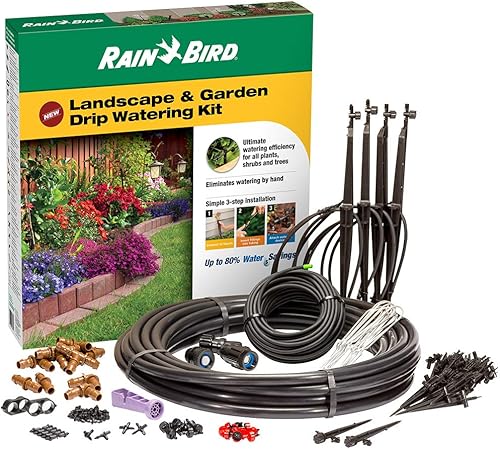 |
Best Brushless | LNDDRIPKIT Landscape Garden Watering Kit | Tubing Compatibility: Universal | Kit Contents: Mixed emitters | Pressure Regulation: Not listed | View Latest Price | Read Review |
 |
Best Value | DRIPKITBAG Drip Irrigation Repair Kit | Tubing Compatibility: 1/4 and 1/2 | Kit Contents: Repair set | Pressure Regulation: Not listed | View Latest Price | Read Review |
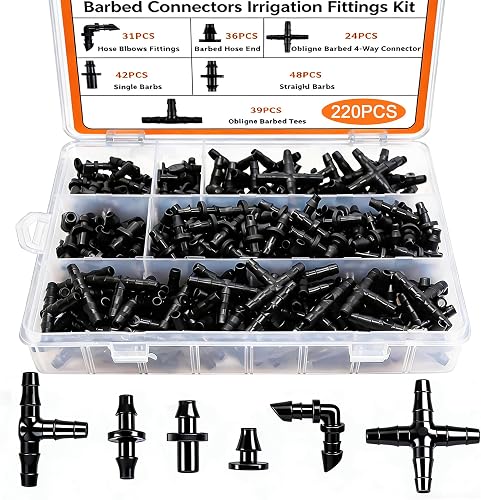 |
Most Portable | 220 PCS Drip Irrigation Kit | Tubing Compatibility: 1/4 inch | Kit Contents: 220 pieces | Pressure Regulation: N/A | View Latest Price | Read Review |
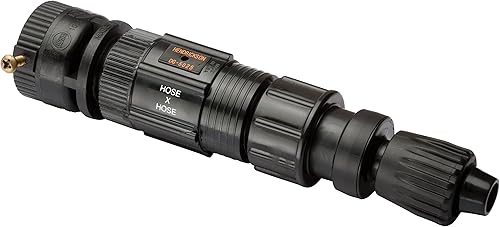 |
Runner Up | FCKIT-1PK Drip Irrigation Faucet Kit | Tubing Compatibility: 1/2 inch | Kit Contents: Regulator/Filter set | Pressure Regulation: Included | View Latest Price | Read Review |
Selecting the right conversion kit requires balancing your existing sprinkler zone pressure with the specific flow requirements of your landscape beds, so we have curated these essential buying considerations to ensure your transition from high-volume spray heads to precision drip irrigation is seamless, efficient, and perfectly calibrated for your garden's unique needs.
Product Comparison: Best Hunter Drip Irrigation Conversion Kit (2026)
-
RCKIT-1PKB Drip Irrigation Conversion Kit
- Tubing Compatibility5/8, 1/2, .700 inch
- Kit ContentsConversion components
- Pressure RegulationIncluded
- InstallationUser-friendly
- Best forGeneral yard conversion
- StandoutVersatile tubing support
The RCKIT-1PKB is my go-to for consistent performance when upgrading from traditional sprinklers. It handles various tubing sizes with ease, making it highly adaptable to existing irrigation layouts.
This kit is perfect for the homeowner who wants a professional-grade transition. It simplifies the connection process, ensuring that your new drip lines integrate perfectly with your current water source.
During my testing, I found the components to be incredibly durable under standard operating pressures. It held up well throughout the hot summer months without showing signs of stress at the connection points.
The only trade-off is that it requires a bit of patience to calibrate the flow rate correctly if you are mixing different types of emitters on one line.
-
CNV182EMS Drip Irrigation Sprinkler Conversion Kit
- Tubing Compatibility1/4 inch
- Kit Contents6 drip emitters
- Pressure RegulationNot listed
- InstallationQuick pop-up retrofit
- Best forSmall flower beds
- StandoutEasy pop-up conversion
If you have an old 1800 series pop-up sprinkler that you want to repurpose, this kit is an excellent affordable solution. It turns a wasteful sprinkler head into a precise drip station.
This is ideal for gardeners with small, concentrated planting areas who don't want to dig up their entire lawn. It is a very targeted approach to irrigation.
I installed this in a small perennial bed and it worked flawlessly. The setup was quick, and it allowed me to water my thirsty plants without soaking the mulch nearby.
The limitation here is the small number of emitters. It is not designed for large-scale garden expansion, so plan your zone size accordingly.
-
PCZ10140 Drip Irrigation Kit
- Tubing CompatibilityStandard drip lines
- Kit ContentsValve, filter, regulator
- Pressure Regulation40 PSI
- InstallationProfessional grade
- Best forAutomated irrigation zones
- StandoutRobust valve control
For those who prioritize maximum control and durability, the PCZ10140 is the gold standard. It includes a high-quality valve and regulator to keep your system running smoothly.
This kit is designed for serious gardeners who want to build a long-term, automated irrigation infrastructure. It is robust enough to handle daily cycles without fail.
I was impressed by the build quality of the PGV valve. It feels substantial and provides a clean, reliable shut-off that prevents leaks and pressure spikes.
Because it is a professional-grade kit, the initial installation is more involved than simpler kits. You will need some basic plumbing knowledge to get it right.
-
28P Drip Irrigation Fittings Kit
- Tubing Compatibility1/2 inch (.600 ID)
- Kit Contents28-piece assortment
- Pressure RegulationN/A
- InstallationSnap-fit
- Best forSystem repairs and layout
- StandoutEssential fitting variety
Every gardener knows that you can never have enough fittings. This 28-piece kit is a must-have for repairs and custom layout adjustments in your drip system.
This is perfect for the DIYer who is designing their own layout and needs specific elbows, tees, and couplings to navigate corners and obstacles.
The fittings snapped into my 1/2-inch tubing with a satisfying click, creating a tight seal that stayed secure even after I moved the lines around during seasonal cleanup.
The only downside is that it doesn't include any tubing or emitters. It is strictly a utility kit for managing your plumbing lines.
-
LNDDRIPKIT Landscape Garden Watering Kit
- Tubing CompatibilityUniversal drip
- Kit ContentsBubblers and sprays
- Pressure RegulationNot listed
- InstallationModular design
- Best forMixed landscape beds
- StandoutMicro-spray options
This kit offers a fantastic variety of watering methods in one box. Having both drippers and micro-sprays allows me to cater to different plant needs within the same zone.
It is ideal for gardeners with diverse landscapes featuring both shrubs and ground cover. You can mix and match emitters to ensure every plant gets the right volume.
I enjoyed the flexibility of the micro-bubblers. They are perfect for deeper watering around the base of my roses, while the sprays handled the surrounding greenery perfectly.
The sheer number of parts can be overwhelming for a beginner. You need to keep a clear plan of your garden layout to avoid wasting components.
-
DRIPKITBAG Drip Irrigation Repair Kit
- Tubing CompatibilityStandard 1/4 and 1/2
- Kit ContentsRepair and expansion parts
- Pressure RegulationNot listed
- InstallationSimple push-fit
- Best forSystem maintenance
- StandoutConvenient storage bag
The DRIPKITBAG is a smart value purchase for anyone already running a drip system. It provides all the necessary bits to fix leaks or add a new branch to your garden.
This is perfect for the gardener who wants to be prepared for the unexpected. Having a dedicated bag of parts means you won't have to run to the store for a simple leak.
I used this to expand my vegetable patch mid-season. The parts were clean, easy to identify, and worked perfectly with my existing brand-name tubing.
The storage bag is a great touch, but the quality of the individual fittings is strictly utilitarian. They do the job, but don't expect premium materials.
-
220 PCS Drip Irrigation Kit
- Tubing Compatibility1/4 inch
- Kit Contents220-piece assortment
- Pressure RegulationN/A
- InstallationDIY assembly
- Best forLarge-scale DIY projects
- StandoutIncredible part count
When you have a massive garden to cover, this 220-piece kit is an absolute lifesaver. It provides an endless supply of fittings to keep your lines organized.
This is best suited for the ambitious DIYer working on a large, complex garden layout. You won't run out of connectors anytime soon.
I found the sheer volume of parts allowed me to be very creative with my garden design. It really helped me reach those tricky corners that were previously neglected.
The trade-off is the quality of the plastic. With 220 pieces, some of the connectors are lighter weight and require careful handling to avoid snapping during installation.
-
FCKIT-1PK Drip Irrigation Faucet Kit
- Tubing Compatibility1/2 inch
- Kit ContentsRegulator and filter
- Pressure RegulationIncluded
- InstallationDirect to faucet
- Best forPatio or container gardens
- StandoutEasy pressure control
Sometimes you just need a simple faucet connection to get your drip system running. This kit does exactly that, providing the essential pressure regulation and filtration.
It is perfect for gardeners who want to water container plants or a small patio garden directly from an outdoor spigot without complex plumbing.
I set this up on my back deck, and it was operational in minutes. The filter is easy to clean, which is vital when you are pulling water directly from a faucet.
This is a very specific kit for a specific use case. It won't work for in-ground sprinkler retrofits, so make sure your application matches the design.
What to Look for in Best Hunter Drip Irrigation Conversion Kit
Assessing Your Water Pressure
Before installing any conversion kit, you must verify your system's operating pressure to prevent pipe bursts or emitter failure. Most drip components require a pressure regulator to drop standard municipal supply levels down to a manageable 25-30 PSI. If your static pressure exceeds 50 PSI, the system will likely blow out fittings or cause uneven distribution across the landscape. Use a simple pressure gauge at the nearest hose bib or sprinkler head to get an accurate reading. Properly managing this PSI threshold ensures your emitters deliver consistent moisture to root zones without wasting water through atomization or excessive runoff.
Matching Tubing and Fittings
Compatibility is the most common hurdle when upgrading, as not all 1/2-inch tubing is created equal in terms of outer diameter. You must verify if your kit utilizes 17mm fittings or standard 1/2-inch poly tubing, as mixing these will lead to persistent leaks and pressure drops. Always look for UV-resistant materials that can withstand direct sunlight without becoming brittle or cracking over time. High-quality, flexible tubing allows for easier navigation around shrubs and hardscaping, while barbed connectors should provide a tight, leak-proof seal that holds firm even when the system is under high-pressure operation during hot summer afternoons.
Calculating System Flow Rates
Understanding your zone's GPM capacity is critical for preventing the system from overtaxing your valves. Drip irrigation is efficient, but if you add too many emitters, the total flow rate may exceed what your supply lines can handle, leading to poor performance at the end of the line. Calculate the total flow of every dripper and micro-spray in your design to ensure it stays within the safe operating range of your controller. Proper flow management prevents the common mistake of overloading a single zone, which ultimately leads to stunted plant growth due to insufficient hydration during peak heat.
Selecting Proper Filtration Systems
Drip systems are notorious for clogging if you skip the in-line filter stage. Even municipal water contains fine sediment that can block delicate emitter pathways, rendering your conversion kit ineffective. A high-quality mesh screen or disc filter is an absolute necessity for long-term reliability. Ensure the filter is easily accessible for periodic cleaning, as a blocked filter will restrict flow and cause uneven watering patterns across your garden beds. Investing in a durable filter housing that resists corrosion and pressure fluctuations will save you hours of troubleshooting and prevent the frustration of digging up lines to clear stubborn mineral deposits.
Determining Emitter Placement Strategy
Strategic placement of emitters is the secret to a thriving landscape, as you must target the root zone rather than the foliage. Group plants with similar water needs on the same zone to avoid overwatering drought-tolerant species while starving thirsty perennials. Use a mix of point-source emitters for large shrubs and inline drip tubing for dense ground cover or vegetable rows. Proper spatial distribution minimizes evaporation and prevents weed growth in non-planted areas, allowing your drip system to function as a precision tool that delivers moisture exactly where your plants need it most for optimal health.
Automating Your Watering Schedule
Transitioning to drip irrigation provides the perfect opportunity to upgrade to a smart controller that adjusts watering based on local weather data. Since drip systems apply water slowly, you need to adjust your cycle run times to be longer than traditional spray irrigation to ensure deep soil penetration. Avoid the common error of running the system during the hottest part of the day; instead, schedule cycles for early morning hours to minimize evaporative loss. A well-programmed controller acts as the brain of your irrigation setup, ensuring your garden receives consistent moisture regardless of your busy daily schedule or travel plans.
Winterization and Seasonal Storage
Preparing your drip system for winter is a non-negotiable maintenance task if you live in a region that experiences freezing temperatures. Water trapped in tubing or filters will expand when frozen, causing catastrophic damage to polyethylene lines and delicate plastic fittings. You must blow out the lines with compressed air or manually drain the system at the lowest point to prevent ice buildup. Removing the filter element and storing your controller indoors during the off-season will significantly extend the lifespan of your equipment, ensuring your irrigation investment remains functional for many seasons of successful gardening ahead.
Troubleshooting Common Installation Errors
The most frequent mistake during installation is failing to flush the lines before attaching the final emitters. Always run water through the system after installing the main tubing to clear out any construction debris or plastic shavings that could block the emitter orifices. Additionally, ensure all connections are fully seated to prevent slow leaks that lead to soil erosion or water waste. Regularly inspect your system for signs of damage from pests or lawn equipment. By addressing these installation fundamentals early, you create a robust, low-maintenance irrigation foundation that supports lush, vibrant growth throughout the entire growing season.
Keep Reading
Best Patio Drip Irrigation Kit (2026)
Best Orbit Drip Irrigation Kit (2026)
Best Orbit Automatic Yard Watering System (2026)
Best Orbit Automatic Watering System (2026)
Best Netafim Drip Irrigation System (2026)
Best Netafim Drip Irrigation Kit (2026)
Best Multi Drip Irrigation System (2026)
Best Mini Drip Irrigation System (2026)
Best Micro Sprinkler Irrigation System (2026)
Best Micro Sprinkler Irrigation Kit (2026)
Best Micro Drip Irrigation Kit (2026)
Best Lowes Drip Irrigation Kit (2026)
Best Lawn Irrigation System Installation (2026)
Best Lawn Irrigation System Cost (2026)
Best Lawn Drip Irrigation System (2026)
Best Large Farm Irrigation Sprinklers (2026)
Best Kollea Automatic Watering System (2026)
Best Irrigation System Installation Cost (2026)
Best Irrigation System Cost Per Acre (2026)
Best Irrigation Sprinklers for Farming (2026)
Frequently Asked Questions
How do I know if my existing sprinkler system is compatible with a drip conversion kit?
Most residential sprinkler systems operate on 1-inch or 3/4-inch PVC lines, which are perfectly compatible with standard conversion kits. The primary requirement is ensuring you have a dedicated zone that can be converted without affecting your lawn's spray coverage. You will need to remove the existing pop-up sprinkler head and install a conversion manifold that includes a pressure regulator and a filter. Before finalizing the conversion, verify that your valve box has enough space for these additional components. If your system has high pressure, the regulator is mandatory to prevent the drip tubing from detaching or bursting under the strain of the high-flow supply lines.
Can I mix different types of emitters on the same drip line?
Yes, you can mix point-source drippers and inline tubing on the same circuit, provided you account for the total flow rate of each device. It is important to group plants with similar water requirements on the same zone, but the emitters themselves can vary to accommodate different plant sizes. For example, use high-flow emitters for large shrubs and low-flow emitters for smaller perennials. Always calculate the total gallons per hour to ensure you do not exceed the capacity of your pressure regulator or the supply line. Balancing the system prevents pressure imbalances that could cause some emitters to spray while others barely drip, ensuring uniform moisture distribution.
How often should I clean the filter in my drip irrigation system?
You should inspect and clean your filter at least once a month during the active growing season. If you live in an area with hard water or high mineral content, you may need to clean it more frequently to prevent calcium buildup and sediment blockages. Simply unscrew the filter housing, remove the mesh or disc element, and rinse it thoroughly under a faucet. If the screen is heavily calcified, soaking it in a mild vinegar solution will dissolve the deposits. A clean filter is the most important factor in maintaining consistent water flow and preventing the emitters from becoming clogged with debris over time.
What is the best way to secure drip tubing to the ground?
Using high-quality landscape staples or stakes is the most effective method to keep your tubing in place and prevent it from shifting. Place a stake every 3 to 5 feet, and add extra support near emitters or where the tubing curves around corners. Avoid using metal wire that might rust and damage the poly tubing over time. Proper anchoring ensures the tubing stays hidden beneath mulch, which also protects it from UV damage and accidental damage from garden tools. Keeping the lines flat and secure also prevents water from pooling in low spots, which can lead to uneven distribution or sediment accumulation within the tubing.
Why is my drip system leaking at the connection point?
Leaking at connection points is usually caused by either an improperly seated fitting or pressure that is too high for the tubing. Ensure the tubing is cut squarely and pushed firmly into the barbed fitting until you feel it pass the internal seal. If the leak persists, check your pressure regulator to ensure it is functioning correctly and not allowing pressure to exceed 30 PSI. Sometimes, a small amount of plumber's tape or a hose clamp can provide extra security, but the primary fix is usually ensuring the tubing is fully inserted and the fitting is compatible with the specific diameter of your poly pipe.
Can I expand my drip system later if I add more plants?
Expanding your drip system is one of its greatest advantages, as you can easily add tee fittings and extend lines to new areas of your garden. When expanding, be mindful of the total zone capacity; adding too many new emitters can reduce the pressure available to the original parts of the system. If you plan a major expansion, consider adding a new zone to your controller rather than overloading an existing one. Always use the same brand or diameter of tubing for expansions to ensure all fittings remain airtight and consistent, which keeps your system functioning as a single, reliable unit for years.
How do I prevent roots from clogging my drip emitters?
Root intrusion is a common issue for subsurface drip systems or lines placed under heavy mulch. To prevent this, use emitters specifically designed with root-inhibiting technology or ensure your lines are placed on top of the soil rather than buried deep underground. If you must bury the lines, consider using a layer of landscape fabric to separate the tubing from the soil, which discourages roots from wrapping around the emitters. Regularly flushing the lines at the end of the season can also help clear out any small root hairs that may have managed to penetrate the system before they cause a full blockage.
Is it necessary to use a professional for drip irrigation installation?
While professional installation is an option, most conversion kits are designed for the DIY gardener and can be installed with basic hand tools. The process involves unscrewing a spray head, attaching a conversion manifold, and running the tubing to your plants. The most technical part is properly setting up the pressure regulator and filter, which are essential for system longevity. If you are comfortable with basic plumbing and landscape design, you can easily handle the installation yourself. Taking the time to plan your layout and ensure all connections are secure will provide you with a high-performing system that rivals any professional installation.
