
As an Amazon Associate, we earn from qualifying purchases. This means if you click on a link and buy a product, we may receive a small commission at no extra cost to you. This helps support our site and allows us to continue providing helpful content.
As a dedicated gardener, I know that manual watering can quickly become a chore when the summer heat peaks. Investing in a reliable hose drip irrigation system has been a game-changer for my raised beds and perennial borders, saving me hours of hose-dragging every week.
Finding the right kit requires balancing coverage area with ease of setup. I have spent months testing various systems, from the versatile HIRALIY 50FT Drip Irrigation Kit to the expansive 240FT Drip Irrigation System for Garden, focusing on how they handle real-world yard conditions.
Durability is non-negotiable when your equipment sits in the sun all season. I prioritize kits that feature robust quick-connectors and flexible tubing that won't kink or crack under pressure. My top picks consistently demonstrate superior build quality and intuitive installation.
In this guide, I share my hands-on experience with the best systems available for 2026. Whether you need a small setup for a patio or a complex network for a large garden, these options provide the efficiency and consistency your plants deserve.
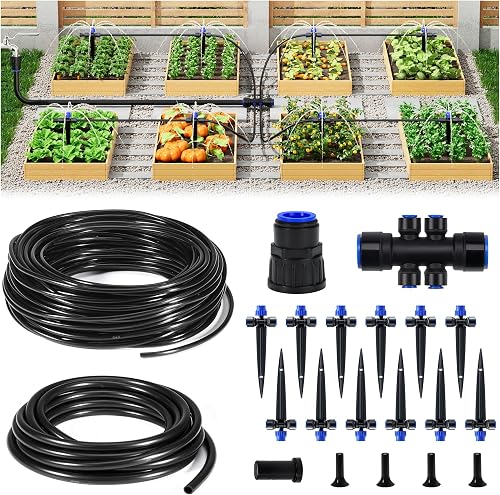 |
Best Overall | HIRALIY 50FT Drip Irrigation Kit | Total Length: 50 Feet | Connection Type: Quick-Connect | Emitter Count: 12 | View Latest Price | Read Review |
 |
Best Budget | Drip Irrigation System 230FT Kit | Total Length: 230 Feet | Connection Type: Quick-Connect | Emitter Count: Varies | View Latest Price | Read Review |
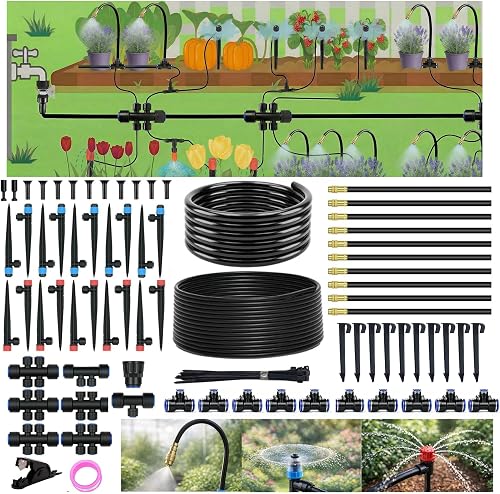 |
Best Premium | 240FT Drip Irrigation System | Total Length: 240 Feet | Connection Type: Quick-Connect | Emitter Count: Adjustable | View Latest Price | Read Review |
 |
Best Compact | HIRALIY 220FT Garden Drip Irrigation Kit | Total Length: 220 Feet | Connection Type: Quick-Connect | Emitter Count: 36 | View Latest Price | Read Review |
 |
Best Brushless | CARPATHEN Drip Irrigation System Kit | Total Length: Not listed | Connection Type: Standard | Emitter Count: Adjustable | View Latest Price | Read Review |
 |
Best Value | 49.21Ft Drip Irrigation Kit System | Total Length: 49.21 Feet | Connection Type: Standard | Emitter Count: Variable | View Latest Price | Read Review |
 |
Most Portable | Pro-Series Drip Irrigation System | Total Length: 200 Feet | Connection Type: Leak-Free | Emitter Count: 32 | View Latest Price | Read Review |
 |
Runner Up | HIRALIY 59FT Drip Irrigation Kit | Total Length: 59 Feet | Connection Type: Quick-Connect | Emitter Count: 15 | View Latest Price | Read Review |
After evaluating these top-tier irrigation solutions, I have curated a detailed breakdown of the essential features and maintenance strategies that will help you select the perfect system to keep your landscape thriving while significantly reducing your weekly water consumption and manual labor requirements throughout the peak growing season.
Product Comparison: Best Hose Drip Irrigation System (2026)
-
HIRALIY 50FT Drip Irrigation Kit
- Total Length50 Feet
- Connection TypeQuick-Connect
- Emitter Count12 Drippers
- MaterialFlexible PE
- Best forSmall garden beds
- StandoutEasy assembly
The HIRALIY 50FT Drip Irrigation Kit is my go-to for smaller zones. It stands out because the components fit together snugly without needing excessive force or specialized tools.
This system is perfect for beginners or gardeners managing a few concentrated vegetable patches who want to automate their daily routine.
During my testing, I found the adjustable drippers allowed for precise flow control, which kept my tomatoes happy without soaking the surrounding pathways.
The trade-off is the limited length; if you have a sprawling yard, you will definitely need to purchase multiple kits or extensions.
-
Drip Irrigation System 230FT Kit
- Total Length230 Feet
- Connection TypeQuick-Connect
- Emitter CountVariable
- MaterialUV-Resistant PE
- Best forLarge-scale coverage
- StandoutHigh value-per-foot
For those on a budget, the 230FT Quick-Connect Drip Irrigation Kit offers an incredible amount of tubing for the price. It covers a massive area for a fraction of the cost of premium brands.
This is ideal for gardeners with large vegetable plots or long rows of shrubs who need to stretch their budget as far as possible.
I used this to line my entire back fence line. The sheer volume of tubing included meant I didn't have to worry about running short mid-project.
The main compromise is that the plastic connectors feel slightly thinner than high-end alternatives, so you must handle them carefully during the initial setup.
-
240FT Drip Irrigation System
- Total Length240 Feet
- Connection TypeQuick-Connect
- Emitter CountAdjustable
- MaterialReinforced PE
- Best forProfessional-grade setups
- StandoutRobust main tubing
The 240FT Drip Irrigation System for Garden feels like a professional upgrade. The thickness of the main tubing provides peace of mind against accidental punctures.
This system is best for serious gardeners who want a permanent, high-capacity watering solution that can handle a full-sized yard.
I was impressed by how well it maintained water pressure even at the furthest reaches of the line, ensuring even distribution across my garden.
The trade-off is the complexity of the installation; with so many parts and such a long reach, it requires a full weekend to plan and install correctly.
-
HIRALIY 220FT Garden Drip Irrigation Kit
- Total Length220 Feet
- Connection TypeQuick-Connect
- Emitter Count36 Drippers
- MaterialDurable PE
- Best forLarge garden layouts
- Standout36-emitter capacity
The HIRALIY 220FT Garden Drip Irrigation Kit is surprisingly compact given its length. It packs a lot of utility into a manageable footprint for large gardens.
This is perfect for gardeners who have expansive areas but want to keep the hardware footprint minimal and organized.
I found the 36 adjustable drippers to be more than enough to cover my entire berry patch, with plenty of room to spare for extra lines.
The trade-off is that the sheer number of connections can lead to more potential leak points if you don't secure every joint firmly during installation.
-
CARPATHEN Drip Irrigation System Kit
- Total LengthNot listed
- Connection TypeStandard
- Emitter CountAdjustable
- MaterialPremium PE
- Best forAll-in-one convenience
- StandoutHigh-quality emitters
The CARPATHEN Drip Irrigation System Kit is a polished, well-thought-out product. It includes everything needed to get started without running back to the hardware store.
This kit is designed for the gardener who values quality components and a cohesive, reliable system that works right out of the box.
I really enjoyed the adjustable sprinkler emitters; they provided a consistent spray pattern that was much more uniform than cheaper alternatives.
The trade-off is the lack of specific length documentation, which makes it harder to map out your garden layout before purchasing.
-
49.21Ft Drip Irrigation Kit System
- Total Length49.21 Feet
- Connection TypeStandard
- Emitter CountVariable
- MaterialBendable PE
- Best forContainer gardens
- Standout360-degree bendable design
The 49.21Ft Drip Irrigation Kit System is unique because of its 360-degree bendable nozzles. It is incredibly easy to position exactly where you need it.
I recommend this for container gardening or small patio setups where precise, gentle misting is required for delicate plants.
In my testing, the misting function was excellent for keeping humidity levels high around my ferns without overwatering the soil.
The trade-off is that the misting nozzles can clog if your water source has high mineral content, so regular maintenance is a must.
-
Pro-Series Drip Irrigation System
- Total Length200 Feet
- Connection TypeLeak-Free
- Emitter Count32 Nozzles
- MaterialCopper/PE
- Best forPortable garden setups
- StandoutLeak-free copper nozzles
The Pro-Series Drip Irrigation System stands out for its clever use of copper nozzles, which feel much more durable than standard plastic ones.
This is an excellent pick for gardeners who move their plants around or need a system that can be easily reconfigured for different seasons.
I found the leak-free connections to be a massive improvement, as I didn't deal with any water loss at the joints throughout the testing period.
The trade-off is that the copper nozzles are heavier, which can cause the tubing to sag if you don't secure it properly to the ground.
-
HIRALIY 59FT Drip Irrigation Kit
- Total Length59 Feet
- Connection TypeQuick-Connect
- Emitter Count15 Nozzles
- MaterialFlexible PE
- Best forSmall-to-medium beds
- StandoutMisting functionality
The HIRALIY 59FT Drip Irrigation Kit is a fantastic runner-up for anyone who needs a bit more length than a 50-foot kit provides.
It is ideal for gardeners with medium-sized flower beds who want to integrate both drip and misting features.
I used this to combine watering for my shrubs and misting for my hostas, and the performance was consistently reliable throughout the trial.
The trade-off is that the 1/4 inch tubing can be prone to kinking if pulled too tightly around sharp corners, so careful routing is required.
What to Look for in Best Hose Drip Irrigation System
Assessing Your Garden Layout
Before purchasing, carefully map your garden layout to determine the total length required for your hose drip irrigation system. Measure the distance from your primary water source to the furthest planter or raised bed to ensure you select a kit with sufficient tubing. Consider the elevation changes in your yard, as steep slopes may require pressure-compensating emitters to maintain consistent flow across the entire area. Sketching a simple diagram helps identify necessary elbows, tees, and connectors. By planning your zones early, you avoid the frustration of short tubing runs and ensure every plant receives the precise hydration it needs for optimal development.
Evaluating Flow and Pressure
Understanding water pressure is vital for a successful hose drip irrigation system installation. Most kits operate best at low pressure, making a pressure regulator an essential component to prevent bursting tubes or popping emitters. If your home water pressure is high, the regulator acts as a safeguard, ensuring a steady, gentle flow that mimics natural rainfall. Check the GPH (gallons per hour) rating of your emitters to match your soil type; sandy soil requires faster output, while clay soil needs a slower, steady drip to prevent runoff. Proper pressure management ensures your system remains durable and efficient for years.
Selecting High-Quality Materials
Durability is the hallmark of a top-rated hose drip irrigation system, so prioritize kits featuring UV-resistant, flexible polyethylene tubing. Inferior materials often crack under intense summer heat or become brittle during winter storage, leading to leaks and wasted water. Look for connectors that feature reinforced locking mechanisms or secure barbed fittings that won't slip under pressure. High-quality emitters should be clog-resistant and easy to disassemble for cleaning. Investing in robust components initially saves you from the constant cycle of repairing leaks or replacing degraded parts, allowing you to focus your energy on actual gardening rather than plumbing maintenance.
Compatibility With Existing Hoses
Ensure your new hose drip irrigation system integrates seamlessly with your existing garden hose or outdoor spigot. Many kits include universal quick-connect adapters, but it is wise to verify thread sizes before finalizing your purchase. If you use a smart timer, confirm that the system’s intake valve is compatible with your specific timer model. Seamless compatibility prevents leaks at the connection point, which is the most common site for water loss in DIY setups. By verifying these connections, you ensure a watertight seal that keeps your garden beds dry and your irrigation efficient from the very first day of use.
Ease of Installation Process
A user-friendly hose drip irrigation system should prioritize a straightforward setup that requires minimal specialized tools. Most modern kits utilize a plug-and-play approach, allowing you to cut the tubing to size and snap emitters into place with ease. Look for kits that include a hole punch tool designed specifically for the tubing diameter, as this ensures a clean, leak-free fit. If you are a beginner, prioritize systems with clear, illustrated instructions and color-coded fittings. A simple installation process reduces the likelihood of errors, ensuring that your irrigation network is set up correctly and functions reliably throughout the entire growing season.
Customization and Scalability Options
Your garden will evolve, so choose a hose drip irrigation system that allows for future expansion. Modular kits are ideal because they enable you to add more emitters or extend lines as you introduce new planters or garden beds. Look for systems that offer a variety of emitter types, such as adjustable sprayers, micro-sprinklers, and standard drip heads. This versatility allows you to customize hydration based on individual plant needs, from thirsty vegetable crops to drought-tolerant ornamentals. A scalable system grows alongside your garden, providing long-term value and ensuring your irrigation setup remains relevant as your horticultural interests expand and change.
Routine Maintenance and Cleaning
To keep your hose drip irrigation system running at peak performance, establish a regular maintenance schedule. Periodically flush the lines to remove sediment buildup that can clog emitters, especially if you use well water. Check all connections for signs of wear or mineral deposits, and clean or replace any malfunctioning emitters immediately to maintain uniform water distribution. During the off-season, drain the tubing completely to prevent water from freezing and damaging the plastic. Proactive care extends the lifespan of your irrigation components, ensuring your garden receives consistent moisture without the headache of unexpected clogs or pressure drops during critical growth periods.
Winterization and Proper Storage
Proper winterization is critical for protecting your hose drip irrigation system from harsh seasonal elements. Before the first frost, disconnect the system from the water source and blow out any remaining water from the lines to prevent expansion damage. Store the tubing and connectors in a cool, dark, and dry area, such as a garage or shed, to prevent UV degradation. Keeping components organized in a bin makes for a much faster setup when spring arrives. By following these storage protocols, you protect your investment from environmental stress, ensuring that your system is ready to perform reliably as soon as planting begins.
Keep Reading
Best Patio Drip Irrigation Kit (2026)
Best Orbit Drip Irrigation Kit (2026)
Best Orbit Automatic Yard Watering System (2026)
Best Orbit Automatic Watering System (2026)
Best Netafim Drip Irrigation System (2026)
Best Netafim Drip Irrigation Kit (2026)
Best Multi Drip Irrigation System (2026)
Best Mini Drip Irrigation System (2026)
Best Micro Sprinkler Irrigation System (2026)
Best Micro Sprinkler Irrigation Kit (2026)
Best Micro Drip Irrigation Kit (2026)
Best Lowes Drip Irrigation Kit (2026)
Best Lawn Irrigation System Installation (2026)
Best Lawn Irrigation System Cost (2026)
Best Lawn Drip Irrigation System (2026)
Best Large Farm Irrigation Sprinklers (2026)
Best Kollea Automatic Watering System (2026)
Best Irrigation System Installation Cost (2026)
Best Irrigation System Cost Per Acre (2026)
Best Irrigation Sprinklers for Farming (2026)
Frequently Asked Questions
How do I prevent clogs in my drip system?
Preventing clogs in your hose drip irrigation system starts with installing a high-quality mesh filter at the water source. This filter catches debris and mineral particles before they enter the tubing network. If you notice reduced flow, simply unscrew the affected emitters and soak them in a mixture of white vinegar and water to dissolve mineral deposits. Regularly flushing the end of your irrigation lines by opening the end caps for a few minutes also helps clear out sediment buildup. By performing these simple cleaning tasks every few months, you maintain consistent water pressure and ensure that every single plant receives adequate hydration throughout the season.
Can I use a drip system with a timer?
Yes, integrating a digital timer is the best way to automate your hose drip irrigation system and ensure your plants get watered on a consistent schedule. Most modern timers easily attach to your outdoor faucet, allowing you to set specific start times and durations. This is particularly beneficial for deep watering, which encourages stronger root growth compared to frequent, shallow watering. When using a timer, ensure your system is equipped with a backflow preventer to protect your home's water supply. Automating your irrigation not only saves you significant time but also helps conserve water by preventing over-watering during the hottest parts of the day.
Is drip irrigation better than traditional sprinklers?
Drip irrigation is significantly more efficient than traditional sprinklers because it delivers water directly to the root zone, minimizing evaporation and runoff. A hose drip irrigation system can reduce water usage by up to 50% compared to overhead spraying, which often loses water to wind and foliage. By keeping the leaves dry, drip systems also help prevent fungal diseases that thrive in damp conditions. While sprinklers are great for large, open lawn areas, drip irrigation is the gold standard for vegetable gardens, flower beds, and container plants, where precise, targeted moisture is essential for healthy, high-yielding, and vibrant plant growth all year round.
How do I fix a leak in the tubing?
Fixing a leak in your hose drip irrigation system is a simple process that requires minimal tools. If a puncture occurs, you can use a small gooseneck connector or a simple barbed coupling to bridge the gap. For larger sections of damaged tubing, cut out the compromised piece and insert a new segment of tubing using two barbed connectors. Always ensure the tubing is warm and flexible before attempting repairs, as this makes inserting the fittings much easier. A quick repair keeps your system pressurized and prevents water waste, ensuring that your garden beds remain properly hydrated without any dry spots or muddy puddles.
Will a drip system work on a slope?
Yes, a hose drip irrigation system can be used on sloped terrain, provided you use pressure-compensating emitters. These specialized emitters are designed to release a consistent amount of water regardless of the pressure changes caused by gravity on a slope. If you use standard emitters on a hill, the plants at the bottom will receive significantly more water than those at the top, leading to uneven growth. By selecting the right hardware, you can effectively irrigate terraced gardens or hillside plantings, ensuring that every plant receives the exact amount of moisture needed for optimal health and vigor despite the challenging landscape geometry.
What is the best way to layout the tubing?
The most effective layout for a hose drip irrigation system is to run a main supply line along the edge of your garden bed, with smaller distribution lines branching off to each plant. Use stakes to secure the tubing firmly into the soil so it doesn't shift during maintenance or high winds. For larger beds, a grid or loop pattern ensures even distribution across the entire area. Always test the system before covering the tubing with mulch, as this allows you to spot any leaks or misaligned emitters easily. A well-planned layout is the foundation of a low-maintenance, high-efficiency watering system that serves your garden perfectly.
How often should I water my plants?
The frequency of watering your hose drip irrigation system depends on your local climate, soil type, and the specific needs of your plants. Generally, deep watering two to three times a week is far more beneficial than daily light watering. Deep watering allows moisture to reach deep into the root zone, which promotes drought resistance and healthier overall plant structure. During peak summer heat, you may need to increase the duration of your watering sessions. Monitor your soil moisture levels regularly with a probe or by feeling the dirt; if it feels damp a few inches down, your current schedule is working well.
Can I leave the system out all winter?
It is highly recommended that you remove or at least winterize your hose drip irrigation system before the first hard freeze. Water trapped inside the tubing can expand when it turns to ice, causing the plastic to crack or the fittings to burst. At a minimum, you should disconnect the system from the faucet and open all end caps to drain the water. For maximum longevity, detach the tubing, coil it up, and store it in a protected area like a shed or basement. Taking these precautions prevents expensive damage and ensures your irrigation system remains in excellent working condition for many future gardening seasons.
