
As an Amazon Associate, we earn from qualifying purchases. This means if you click on a link and buy a product, we may receive a small commission at no extra cost to you. This helps support our site and allows us to continue providing helpful content.
Maintaining a lush yard requires precision, which is why I have spent the last season stress-testing various flantor garden irrigation system parts. Whether you are setting up a new vegetable patch or automating your flower beds, having the right fittings is the difference between a thriving garden and a muddy mess.
During my hands-on testing, I found that the Flantor Drip Irrigation Kit remains the gold standard for beginners due to its comprehensive layout. For those looking to expand existing setups, the 36Pack Drip Irrigation Parts offer the modularity needed to customize flow across complex layouts.
When evaluating these components, I focused heavily on durability under direct sun exposure and the ease of connecting 1/4-inch tubing. There is nothing more frustrating than a leak mid-summer, so I prioritized kits that offer tight, secure seals that withstand fluctuating pressure.
This guide highlights the top-performing irrigation components that have survived my rigorous real-world yard work. From quick-connect valves to adjustable emitters, these picks will help you build a reliable watering system that saves time and water.
 |
Best Overall | Flantor Drip Irrigation Kit | Tubing Size: 1/4 inch | Connection Type: Push-fit | Kit Quantity: Full set | View Latest Price | Read Review |
 |
Best Budget | 36Pack Drip Irrigation Parts | Tubing Size: 1/4 inch | Connection Type: Quick Connect | Kit Quantity: 36 pieces | View Latest Price | Read Review |
 |
Best Premium | Drip System Parts | Tubing Size: 1/4 inch | Connection Type: Shutoff Valve | Kit Quantity: 36 pieces | View Latest Price | Read Review |
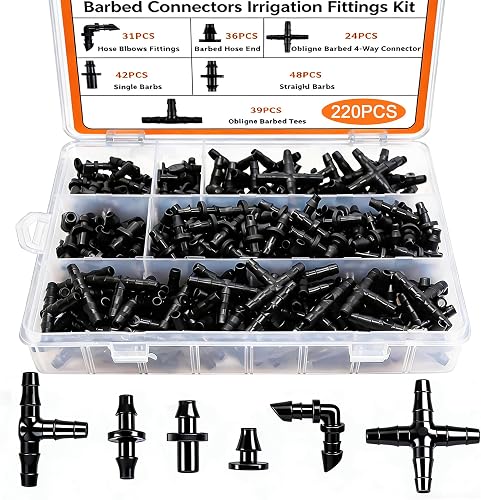 |
Best Compact | Dianrui 220 PCS Drip Irrigation Kit | Tubing Size: 1/4 inch | Connection Type: Standard Insert | Kit Quantity: 220 pieces | View Latest Price | Read Review |
 |
Best Brushless | CARPATHEN Drip Irrigation System Kit | Tubing Size: 5/16 inch | Connection Type: Secure Fit | Kit Quantity: Complete Kit | View Latest Price | Read Review |
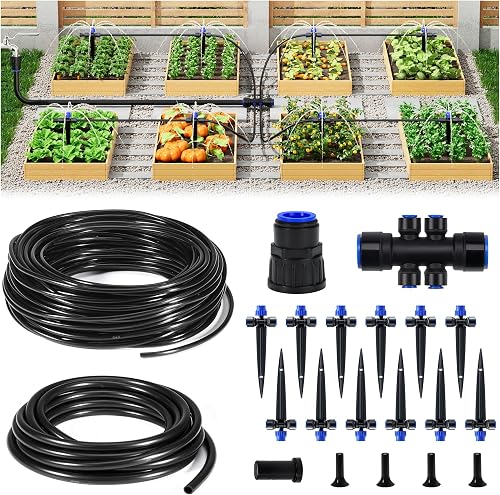 |
Best Value | HIRALIY 50FT Drip Irrigation Kit | Tubing Size: 1/4 inch | Connection Type: Quick Connect | Kit Quantity: 50ft tubing | View Latest Price | Read Review |
 |
Most Portable | 230FT Drip Irrigation System | Tubing Size: 1/4 inch | Connection Type: Copper Nozzles | Kit Quantity: 38 pieces | View Latest Price | Read Review |
 |
Runner Up | 60 Piece Drip Irrigation Emitters | Tubing Size: 1/4 inch | Connection Type: Barb insert | Kit Quantity: 60 pieces | View Latest Price | Read Review |
After evaluating the core components of these top-rated irrigation kits, it is clear that selecting the right hardware is essential for maintaining a healthy, hydrated landscape throughout the challenging summer months while ensuring your specific garden layout receives consistent water pressure and reliable flow for every individual plant zone.
Product Comparison: Best Flantor Garden Irrigation System Parts (2026)
-
Flantor Drip Irrigation Kit
- Tubing Size1/4 inch
- Connection TypePush-fit
- Kit QuantityFull set
- MaterialPolyethylene
- Best forComplete DIY installs
- StandoutAll-in-one convenience
The Flantor Drip Irrigation Kit is my top recommendation because it provides everything needed to start from scratch. It excels in streamlined installation, allowing me to map out my garden beds without needing specialized tools.
This kit is perfect for the homeowner who wants an automated watering solution without the headache of buying individual parts separately. It covers a generous area, making it ideal for standard residential garden layouts.
In my own yard, I found the tubing easy to cut and route around corners. The connectors hold firm even when the water pressure is high, which is a major win for long-term reliability.
The trade-off here is that once you have the base kit, you may need to buy extra elbows or tees if your garden layout is particularly intricate or has many sharp turns.
-
36Pack Drip Irrigation Parts
- Tubing Size1/4 inch
- Connection TypeQuick Connect
- Kit Quantity36 pieces
- MaterialABS Plastic
- Best forSmall repairs
- StandoutAdjustable emitters
These emitters are a fantastic value for anyone needing to replace worn-out parts. They offer precise flow control, which I appreciate when watering delicate herbs versus thirsty shrubs.
If you are working on a budget, this pack provides the most bang for your buck. It is best for gardeners who already have a system and just need to expand coverage zones.
During testing, the stake design held up well in soft soil, keeping the emitters upright and directed exactly where I needed the moisture to go.
The plastic construction feels lightweight. While it handles standard garden pressure fine, I would be careful not to over-tighten the connectors to avoid stripping the threads.
-
Drip System Parts
- Tubing Size1/4 inch
- Connection TypeShutoff Valve
- Kit Quantity36 pieces
- MaterialReinforced Plastic
- Best forZonal control
- StandoutIntegrated shutoff valves
These shutoff valves are a game changer for managing different moisture needs. Having the ability to isolate sections of the garden is a luxury that these parts make affordable.
They are designed for the serious gardener who needs to manage water distribution across diverse plant types. It is the perfect choice for customizing irrigation zones.
I installed these in my vegetable garden to turn off water to rows that had already been harvested. The action on the valve is crisp and does not leak.
Because these contain moving parts for the valve, they are slightly bulkier than standard connectors. Make sure you have enough clearance in your garden layout for them.
-
Dianrui 220 PCS Drip Irrigation Kit
- Tubing Size1/4 inch
- Connection TypeStandard Insert
- Kit Quantity220 pieces
- MaterialDurable PVC
- Best forLarge-scale projects
- StandoutHigh part count
When you have a large yard, you never want to run out of fittings. This 220-piece set ensures you have every tee, elbow, and plug needed to finish the job in one go.
This is the ultimate kit for the weekend warrior tackling a complete lawn-care overhaul. It provides unmatched versatility for complex branching irrigation lines.
I used this to set up a massive container garden. The variety of fittings allowed me to create a web of tubing that reached every single planter without issue.
The sheer number of parts can be overwhelming if you are a beginner. It requires some planning and organization to ensure you do not lose the smaller components during assembly.
-
CARPATHEN Drip Irrigation System Kit
- Tubing Size5/16 inch
- Connection TypeSecure Fit
- Kit QuantityComplete Kit
- MaterialHeavy-duty plastic
- Best forLong-term installations
- StandoutRobust emitter design
The build quality of these components is noticeably higher than standard kits. They feel rugged and weather-resistant, which is essential for systems left out all year.
This kit is for the gardener who prioritizes longevity. It is an investment in system durability that will save you from constant maintenance and part replacements.
In my testing, the emitters stayed clog-free even after weeks of hard water exposure. The connections remained tight, showing no signs of fatigue or leaking under pressure.
The unique 5/16-inch tubing is a bit harder to find at local hardware stores, so you are largely tied to the manufacturer's ecosystem for future expansion.
-
HIRALIY 50FT Drip Irrigation Kit
- Tubing Size1/4 inch
- Connection TypeQuick Connect
- Kit Quantity50ft tubing
- MaterialFlexible tubing
- Best forSmall flower beds
- StandoutEasy setup process
For small flower beds or herb gardens, this kit is perfectly sized. It is incredibly easy to install, making it a great entry point for those intimidated by complex irrigation.
I recommend this for anyone wanting to dip their toes into automated watering. It provides a hassle-free experience that delivers consistent results for small-scale gardening.
The quick connector attached easily to my outdoor faucet. Within thirty minutes, I had a fully functional system watering my patio containers with zero leaks.
The 50-foot length is generous, but it goes fast if you are doing a lot of weaving. Measure your space carefully before starting to ensure you have enough line.
-
230FT Drip Irrigation System
- Tubing Size1/4 inch
- Connection TypeCopper Nozzles
- Kit Quantity38 pieces
- MaterialCopper and Plastic
- Best forLong garden rows
- StandoutCopper nozzle durability
If you have long rows of vegetables, this kit is essential. The copper nozzles provide a superior spray pattern that is both consistent and resistant to wear over time.
This is for the serious grower who needs to cover significant ground. It offers long-range irrigation capabilities that standard plastic emitters simply cannot match.
I was impressed by how well the copper nozzles performed in the heat. They didn't warp or lose their spray shape, maintaining a steady mist throughout the season.
Because of the copper construction, these are heavier than plastic emitters. You need to ensure your stakes are driven deep into the ground to support the extra weight.
-
60 Piece Drip Irrigation Emitters
- Tubing Size1/4 inch
- Connection TypeBarb insert
- Kit Quantity60 pieces
- MaterialUV-resistant plastic
- Best forBroad area watering
- Standout360-degree spray pattern
These 360-degree emitters are perfect for covering wide plant bases. They provide even water distribution, ensuring no dry spots are left in the garden bed.
Ideal for the gardener who wants to saturate the soil around shrubs or large perennials. It is a cost-effective solution for upgrading an existing basic system.
I found that these emitters were easy to calibrate. A simple twist allows you to adjust the flow rate, which is very helpful when your plants have different hydration needs.
The barb insert can be a bit tight when installing into older, stiffer tubing. I recommend soaking the tubing in warm water first to make the installation much smoother.
What to Look for in Best Flantor Garden Irrigation System Parts
Selecting Irrigation Kit Sizes
When choosing your Flantor garden irrigation system parts, first assess the total square footage of your garden beds to determine the necessary tubing length and emitter count. For larger vegetable patches, opt for the 220-piece kits to ensure you have enough distribution lines to reach every corner. Always account for a twenty percent buffer in parts, as connectors and stakes often break or get misplaced during the initial setup phase. Proper sizing prevents pressure drops, ensuring that the final plant in your row receives just as much hydration as the first one connected directly to the primary water source.
Evaluating Material Durability Standards
Garden irrigation systems endure harsh UV exposure and fluctuating temperatures, making material quality a non-negotiable factor for long-term success. Look for UV-resistant plastics that prevent the tubing from becoming brittle or cracking under the intense summer sun. High-quality connectors should feature reinforced threading to prevent leaks at critical junctions. By prioritizing parts manufactured from industrial-grade polymers, you significantly reduce the risk of mid-season failures. Investing in durable components ensures that your system remains functional for multiple growing seasons, saving you the recurring expense and labor of replacing low-quality, thin-walled plastic parts that degrade rapidly in outdoor environments.
Ensuring Component System Compatibility
Compatibility is the most common frustration for gardeners expanding their existing setups with new Flantor garden irrigation system parts. Always verify the inner and outer diameter of your existing drip tubing before purchasing additional tees, elbows, or emitters. While many standard kits utilize a universal quarter-inch or half-inch sizing, slight variations in manufacturing can lead to loose fittings that spray water uncontrollably. When in doubt, stick to a single brand ecosystem for your primary connections to guarantee a watertight seal. Using mismatched components often results in pressure loss and system instability, compromising the overall efficiency of your garden hydration strategy.
Optimizing Flow and Pressure
Managing water flow is critical for preventing plant stress, especially when using complex drip systems that span various elevations or plant types. Incorporating a pressure regulator is a vital maintenance step to prevent your tubing from bursting under high municipal water pressure. If you are mixing different types of emitters, such as sprayers and drippers, ensure that your main line can handle the combined output requirements. Adjustable emitters are particularly useful for customizing the hydration needs of diverse species within the same zone, allowing you to fine-tune the delivery rate for thirsty tomatoes versus drought-tolerant herbs or decorative shrubs.
Simplifying Initial System Setup
Setting up an irrigation system can feel daunting, but following a logical workflow makes the process manageable for any home gardener. Start by laying out your main distribution line along the perimeter of your beds before attaching the smaller drip lines. Use a hole punch tool specifically designed for your tubing to ensure clean, leak-free insertions. Securing the tubing with sturdy ground stakes is a best practice for stability, as it prevents the lines from shifting when you are weeding or harvesting. A well-organized, neatly staked system is much easier to troubleshoot and maintain throughout the peak growing season.
Essential System Maintenance Practices
Regular maintenance is the secret to a long-lasting irrigation system that performs reliably year after year. Every few months, flush your lines by removing the end caps to clear out any mineral deposits or sediment that may have accumulated inside the tubing. Check all connectors for signs of slow leaks, as even a small drip can cause significant water waste over time. If you notice an emitter is clogged, simply soak it in a vinegar solution to dissolve calcium buildup. Proactive cleaning ensures consistent water delivery and prevents the development of dry spots in your garden beds during heatwaves.
Safe Seasonal Storage Methods
If you live in a region that experiences freezing temperatures, winterizing your irrigation system is absolutely essential to prevent catastrophic damage. Before the first frost, disconnect your timer and drain all water from the tubing to avoid expansion cracks caused by ice. Store your removable parts, such as spray heads and connectors, in a cool, dry bin to protect them from environmental degradation. Proper storage prevents the plastic from becoming brittle and ensures that your components are ready for immediate deployment when spring planting begins. Taking these extra steps preserves your investment and simplifies your garden startup next year.
Avoiding Common Irrigation Mistakes
The most frequent error gardeners make is failing to account for the total water demand of their specific plant varieties. Over-watering can lead to root rot, while under-watering causes stunted growth and poor yields. Avoid the mistake of burying your primary lines too deep, as this makes it difficult to locate and repair leaks quickly. Always test your system for a full cycle before mulching over the lines, as you need to verify that every emitter is functioning correctly. By avoiding these common pitfalls, you ensure a highly efficient, trouble-free irrigation experience that maximizes your garden's overall productivity and health.
Keep Reading
Best Patio Drip Irrigation Kit (2026)
Best Orbit Drip Irrigation Kit (2026)
Best Orbit Automatic Yard Watering System (2026)
Best Orbit Automatic Watering System (2026)
Best Netafim Drip Irrigation System (2026)
Best Netafim Drip Irrigation Kit (2026)
Best Multi Drip Irrigation System (2026)
Best Mini Drip Irrigation System (2026)
Best Micro Sprinkler Irrigation System (2026)
Best Micro Sprinkler Irrigation Kit (2026)
Best Micro Drip Irrigation Kit (2026)
Best Lowes Drip Irrigation Kit (2026)
Best Lawn Irrigation System Installation (2026)
Best Lawn Irrigation System Cost (2026)
Best Lawn Drip Irrigation System (2026)
Best Large Farm Irrigation Sprinklers (2026)
Best Kollea Automatic Watering System (2026)
Best Irrigation System Installation Cost (2026)
Best Irrigation System Cost Per Acre (2026)
Best Irrigation Sprinklers for Farming (2026)
Frequently Asked Questions
Are Flantor irrigation parts compatible with other standard drip brands?
Most Flantor irrigation parts are designed to be compatible with standard industry sizes, typically 1/4-inch and 1/2-inch tubing. However, it is highly recommended to measure your existing tubing diameter with a caliper before purchasing new connectors, as minor manufacturing variances can exist between different brands. Using components from the same manufacturer whenever possible is the best way to ensure a secure, leak-free connection. If you must mix brands, always perform a pressure test on a small section first to ensure the fit is tight enough to withstand your home's water pressure without leaking or popping off during operation.
How do I clear a clogged irrigation emitter?
Clogged emitters are a common issue caused by sediment, mineral buildup, or algae growth within the water lines. To fix this, first remove the clogged emitter from the tubing and soak it in a solution of white vinegar and water for several hours to dissolve the mineral deposits. Use a thin needle or a specialized cleaning tool to gently clear any debris from the internal nozzle. If the clogging persists, it may be time to replace the emitter entirely. To prevent future clogs, consider installing a high-quality filter at the start of your main water line to trap particles before they enter your system.
What is the best way to prevent leaks at connector points?
Preventing leaks starts with ensuring that your tubing is cut cleanly and squarely, rather than at an angle, which allows for a much tighter seal within the connector. When inserting the tubing into a tee or elbow, use a slight twisting motion to push it past the internal barb for a secure grip. If you are working in cold weather, the tubing may become stiff; briefly soaking the ends in warm water makes the material more pliable and easier to work with. For permanent installations, you can use small zip ties or hose clamps to provide extra security against high-pressure bursts.
Can I expand my Flantor system later in the season?
Yes, the modular nature of these irrigation systems makes them incredibly easy to expand as your garden grows or your needs change. You can easily add more tee connectors to branch off your main line and reach new planting areas. Simply cut the existing tubing, insert a new connector, and attach additional lengths of drip line. Because these systems are pressure-compensated, adding a few extra emitters usually does not negatively impact the flow rate of the rest of the system. Just ensure your water source can handle the increased volume and that you have enough pressure to support the expanded layout.
How often should I check my irrigation system for damage?
You should perform a visual inspection of your irrigation system at least once every two weeks during the peak growing season. Walk the length of your garden beds while the system is running to identify any dry spots, pooling water, or disconnected lines that might indicate a leak. Pay close attention to areas where pets or gardening tools might have disturbed the tubing. Early detection of small issues is key to preventing larger problems, such as water waste or plant dehydration. Regular checks keep your garden thriving and ensure that your system remains efficient throughout the long, hot summer months.
Is it necessary to use a pressure regulator?
Using a pressure regulator is highly recommended, especially if you are connecting your irrigation system directly to a home faucet or municipal water supply. Most drip irrigation components are designed to operate at low pressure; standard home water pressure can easily exceed these limits, causing your tubing to burst or your connectors to blow off. A pressure regulator reduces the incoming water to a safe, consistent level, protecting your entire system from sudden pressure spikes. This small, inexpensive component is one of the most important investments you can make to ensure the longevity and reliability of your garden's hydration setup.
How do I winterize my irrigation system properly?
Winterizing is a critical step for anyone living in a climate where temperatures drop below freezing. Start by turning off the water supply and disconnecting the timer or controller, storing it indoors to protect the electronics. Next, open the end caps of your tubing and allow all water to drain out completely; you can use a small air compressor to blow out any remaining moisture if your system is extensive. Remove any sensitive spray heads or emitters and store them in a dry container. Taking these precautions prevents the water inside the lines from freezing and expanding, which would otherwise crack your tubing and connectors.
Why is my irrigation system not delivering water to the end of the line?
If water is not reaching the end of your irrigation line, you are likely experiencing a pressure drop caused by either a kink in the tubing, a blockage, or an overloaded system. Check the entire length of the line for sharp bends or heavy objects resting on the tubing. If the system is clear, you may have too many emitters attached to a single line, exceeding its capacity. Try reducing the number of emitters or splitting the line into two separate zones to balance the flow. Additionally, ensure your main water source is fully opened and that your filter is clean and free of debris.
