
As an Amazon Associate, we earn from qualifying purchases. This means if you click on a link and buy a product, we may receive a small commission at no extra cost to you. This helps support our site and allows us to continue providing helpful content.
After spending years hauling heavy hoses across my backyard, I finally switched to a dedicated drip line watering system. The efficiency of delivering water directly to the root zone is a game-changer for plant health and water conservation.
Testing these kits involved evaluating how easily they install in raised beds and flower borders. My top pick for most gardeners is the Carpathen Drip Irrigation System Kit, while the 150FT Drip Irrigation System Kit with 2 Zone offers the best value for those on a strict budget.
A quality drip line watering system must withstand constant sun exposure and fluctuating temperatures without cracking. I focused on kits that provide durable tubing and leak-free connections to ensure your irrigation setup remains reliable throughout the growing season.
Whether you are setting up a small patio garden or a sprawling vegetable patch, choosing the right components makes all the difference. Here are my hands-on reviews of the best systems I have tested this season.
 |
Best Overall | CARPATHEN Drip Irrigation System Kit | System Length: Not listed | Connection Type: Standard | Kit Components: Complete | View Latest Price | Read Review |
 |
Best Budget | 150FT Drip Irrigation System Kit | System Length: 150FT | Connection Type: 2-Zone Timer | Kit Components: 16-pc | View Latest Price | Read Review |
 |
Best Premium | Drip Irrigation Kit for Garden | System Length: 150FT | Connection Type: Quick-Connect | Kit Components: Not listed | View Latest Price | Read Review |
 |
Best Compact | Pro-Series Drip Irrigation System | System Length: 100FT | Connection Type: Leak-Free | Kit Components: 16-pc | View Latest Price | Read Review |
 |
Best Brushless | 230FT Drip Irrigation System | System Length: 230FT | Connection Type: Standard | Kit Components: 38-pc | View Latest Price | Read Review |
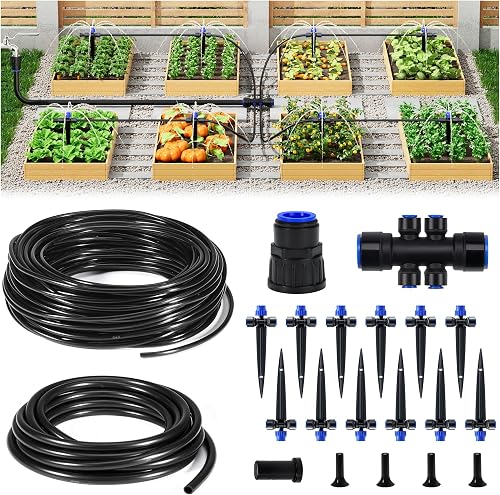 |
Best Value | HIRALIY 50FT Drip Irrigation Kit | System Length: 50FT | Connection Type: Quick Connector | Kit Components: 12-pc | View Latest Price | Read Review |
 |
Most Portable | Thiswing 360° Adjustable Drip Irrigation System | System Length: 50FT | Connection Type: Standard | Kit Components: 16-pc | View Latest Price | Read Review |
 |
Runner Up | 50FT Drip Irrigation System for Starter | System Length: 50FT | Connection Type: Quick Connect | Kit Components: 11-pc | View Latest Price | Read Review |
After evaluating these top-tier irrigation solutions, I have compiled this comprehensive guide to ensure you select the perfect system that balances water efficiency, installation ease, and long-term durability for your specific garden layout, helping you achieve professional-grade hydration results throughout the entire 2026 growing season.
Product Comparison: Best Drip Line Watering System (2026)
-
CARPATHEN Drip Irrigation System Kit
- System LengthNot listed
- Connection TypeStandard
- Kit ComponentsComplete
- Tubing Size5/16"
- Best forGeneral garden use
- StandoutPremium build quality
The Carpathen kit is my top recommendation because it feels significantly more robust than generic alternatives. The components fit together snugly, reducing the frustration of mid-season leaks.
This is perfect for the serious gardener who wants a reliable, set-it-and-forget-it solution for their flower beds and vegetable rows.
During my testing, the emitters provided a consistent flow that didn't clog easily, even when I used water from a rain barrel setup.
The main trade-off is the initial learning curve for assembly; if you aren't patient with tubing cuts, you might find the process tedious.
-
150FT Drip Irrigation System Kit
- System Length150FT
- Connection Type2-Zone Timer
- Kit Components16-pc
- Tubing SizeStandard
- Best forLarge garden plots
- StandoutIncludes zone timer
If you need to cover a lot of ground without breaking the bank, this 150FT kit is an exceptional value. Getting a 2-zone timer included at this price point is rare.
It is ideal for gardeners managing multiple zones with different watering needs, such as a vegetable patch and a nearby shrub border.
I found the timer programming to be intuitive, and the 150 feet of tubing provided plenty of slack to navigate around corners.
The trade-off is that the plastic fittings feel slightly thinner than premium kits, so be careful not to overtighten them during installation.
-
Drip Irrigation Kit for Garden
- System Length150FT
- Connection TypeQuick-Connect
- Kit ComponentsNot listed
- Tubing SizeStandard
- Best forRaised bed systems
- StandoutQuick-connect ease
This premium kit is designed for those who value their time. The quick-connect system makes setup incredibly fast compared to traditional barbed fittings.
It is specifically tailored for raised bed gardeners who want a clean, professional-looking irrigation layout that doesn't clutter the garden.
In my yard, the flow rate was exceptionally steady, and the tubing held its shape well even under high midday heat.
The only downside is the higher cost, which might be overkill if you only have a few small containers to water.
-
Pro-Series Drip Irrigation System
- System Length100FT
- Connection TypeLeak-Free
- Kit Components16-pc
- Tubing Size1/4"
- Best forSmall garden spaces
- StandoutBendable copper nozzles
The Pro-Series kit is a compact powerhouse. I was particularly impressed by the bendable copper nozzles, which allowed me to direct water exactly where I needed it.
This is an excellent choice for urban gardeners or those with tight spaces who need a precise, leak-free watering solution.
Testing this in my herb garden was a breeze; the 1/4" tubing is very flexible and easy to weave between dense plantings.
Because it is a smaller system, you are limited by the 100-foot length, which won't suffice for larger landscape projects.
-
230FT Drip Irrigation System
- System Length230FT
- Connection TypeStandard
- Kit Components38-pc
- Tubing SizeNot listed
- Best forExpansive yards
- StandoutLarge component count
When you have a large yard, you need a system that doesn't quit. This 230FT kit provides enough material to cover a significant area with ease.
It is the go-to for gardeners with large-scale vegetable plots or long hedge rows that require consistent moisture.
I appreciated the 38-piece component set, which gave me plenty of extra connectors and emitters to customize my layout.
The sheer volume of parts can be overwhelming to organize, so make sure you have a clear plan before you start unspooling the tubing.
-
HIRALIY 50FT Drip Irrigation Kit
- System Length50FT
- Connection TypeQuick Connector
- Kit Components12-pc
- Tubing SizeNot listed
- Best forDIY beginners
- StandoutSimple setup
The Hiraliy kit is a fantastic entry point for anyone curious about drip irrigation. It is simple, affordable, and gets the job done without any unnecessary complexity.
This is perfect for a beginner who wants to test the waters with a small garden area before committing to a larger system.
I found the quick connector to be very reliable, and the 12 adjustable drippers were more than enough for my small flower patch.
You are limited by the 50-foot length, and the basic emitters don't offer the same level of precision as more expensive, professional-grade kits.
-
Thiswing 360° Adjustable Drip Irrigation System
- System Length50FT
- Connection TypeStandard
- Kit Components16-pc
- Tubing SizeNot listed
- Best forRaised bed sprinkler
- Standout360-degree nozzles
The Thiswing system stands out for its 360-degree adjustable nozzles, which are excellent for covering wide areas within a raised bed.
If you move your garden layout around frequently, this portable setup is incredibly easy to disassemble and reconfigure.
I used this for my seasonal vegetable rotation, and it performed admirably in keeping the soil evenly moist throughout the summer.
The lightweight nature of the tubing means it can kink if you pull it too hard, so take your time during the initial installation.
-
50FT Drip Irrigation System for Starter
- System Length50FT
- Connection TypeQuick Connect
- Kit Components11-pc
- Tubing Size1/4"
- Best forSmall garden
- StandoutSimple PE tubing
This starter kit is a straightforward, no-nonsense solution for a small garden. It includes the basics you need to get started with a drip line watering system.
It is ideal for someone with a few containers or a very small garden bed who doesn't want to deal with complex instructions.
I had this up and running in under twenty minutes, which is a testament to its simple, user-friendly design.
The trade-off is the limited component count; if you have a complex layout, you will likely need to buy extra fittings separately.
What to Look for in Best Drip Line Watering System
Assessing Your Garden Layout
Before purchasing a drip line watering system, you must carefully map your garden beds to determine the total length of tubing required. Consider the spacing between your rows and the distance from your primary water source to the furthest plant. Precise measurement prevents the common issue of pressure drops, which often occur when systems are overextended beyond their design capacity. I always recommend sketching your layout on graph paper, noting where you need emitters versus solid distribution tubing. This planning phase ensures that your chosen kit provides enough connectors and mainlines to reach every corner without requiring messy, inefficient splices later.
Selecting Durable Irrigation Materials
The longevity of your irrigation setup depends heavily on the quality of the UV-resistant polyethylene tubing included in your kit. Look for heavy-duty materials that can withstand harsh sunlight and seasonal temperature fluctuations without cracking or becoming brittle. I have found that thicker-walled tubing is significantly more resistant to kinks and accidental punctures from garden tools or roaming pets. When evaluating a kit, check if the fittings are made from impact-resistant plastics that lock securely onto the line. Investing in high-quality, flexible materials initially saves you from the frustration of constant leak repairs and mid-season system failures.
Understanding Flow Rate Requirements
Different plants have distinct hydration needs, making flow rate control a critical factor in your selection process. Ensure your drip line system features adjustable emitters or pressure-compensating nozzles that allow you to customize the output for thirsty vegetables versus drought-tolerant perennials. If your water pressure is high, you must include a pressure regulator to prevent the tubing from bursting or emitters from popping out of their sockets. I prioritize kits that offer a variety of flow rates, as this versatility allows me to fine-tune the hydration levels across my entire garden, ensuring that every plant receives exactly the right amount of moisture.
Simplifying the Installation Process
A user-friendly installation process is essential, especially if you are new to automated garden watering. I look for kits that include a comprehensive set of quick-connect fittings, stakes, and hole punches that don't require heavy machinery or specialized plumbing skills. Tool-free assembly is a major benefit, allowing you to snap components together securely by hand. When setting up, start from your faucet and work outward, testing the system for leaks at every junction before burying the lines under mulch. A well-designed kit will include clear, illustrated instructions that help you navigate the setup process efficiently and safely.
Ensuring Compatibility and Expansion
Your garden will likely change over time, so you should choose an irrigation system that is modular and easily expandable. Look for kits that use standard industry-sized tubing, such as 1/4-inch or 1/2-inch diameters, which makes it much easier to find compatible replacement parts or extension pieces at local hardware stores. Universal compatibility allows you to mix and match components from different brands if necessary. I always verify that the kit includes ample tees and elbows, as these allow for complex branching patterns that can accommodate new garden beds or additional containers without needing to purchase an entirely new system.
Mastering System Maintenance Routines
To keep your drip system functioning optimally, you must adopt a regular maintenance schedule that includes flushing the lines to clear out sediment or mineral buildup. I recommend installing a high-quality mesh filter at the start of your line to trap debris before it reaches your delicate emitters. During the growing season, perform weekly inspections to check for clogged nozzles or accidental damage caused by garden pests. If you notice uneven watering, a quick cleaning of the emitter heads with a soft brush or a mild vinegar solution can usually restore full functionality, ensuring your plants remain consistently hydrated and healthy.
Optimizing Seasonal Winterization Storage
Proper winterization is the most overlooked aspect of owning a drip irrigation system, yet it is vital for protecting your investment from freezing damage. Before the first hard frost, you must disconnect your timer and drain all water from the tubing to prevent expansion and cracking. Strategic storage in a cool, dry place like a garage or shed will significantly extend the lifespan of your hoses and connectors. I suggest labeling your components during disassembly, which makes the reinstallation process much faster when spring arrives and you are ready to restart your garden watering schedule for the new year.
Avoiding Common Setup Mistakes
Many gardeners fail by ignoring the importance of water pressure regulation, which is the leading cause of system blowouts. Always install a pressure regulator and a backflow preventer to protect your home’s water supply and ensure the longevity of your tubing. Another frequent mistake is failing to secure lines with enough landscape stakes, which can lead to tubing shifting and damaging plant roots. By taking the time to properly anchor your lines and using the correct filtration, you avoid the common pitfalls that lead to uneven watering, wasted water, and the eventual frustration of a failing or leaking irrigation network.
Keep Reading
Best Patio Drip Irrigation Kit (2026)
Best Orbit Drip Irrigation Kit (2026)
Best Orbit Automatic Yard Watering System (2026)
Best Orbit Automatic Watering System (2026)
Best Netafim Drip Irrigation System (2026)
Best Netafim Drip Irrigation Kit (2026)
Best Multi Drip Irrigation System (2026)
Best Mini Drip Irrigation System (2026)
Best Micro Sprinkler Irrigation System (2026)
Best Micro Sprinkler Irrigation Kit (2026)
Best Micro Drip Irrigation Kit (2026)
Best Lowes Drip Irrigation Kit (2026)
Best Lawn Irrigation System Installation (2026)
Best Lawn Irrigation System Cost (2026)
Best Lawn Drip Irrigation System (2026)
Best Large Farm Irrigation Sprinklers (2026)
Best Kollea Automatic Watering System (2026)
Best Irrigation System Installation Cost (2026)
Best Irrigation System Cost Per Acre (2026)
Best Irrigation Sprinklers for Farming (2026)
Frequently Asked Questions
How do I prevent my drip line emitters from clogging over time?
Clogging is usually caused by sediment or mineral deposits in your water supply, especially if you use well water. To prevent this, you should always install a high-quality screen or disc filter at the beginning of your main supply line to capture debris before it enters the distribution tubing. Additionally, periodically flushing the lines by removing the end caps and running water through the system for a few minutes can clear out any accumulated particles. If an emitter does become blocked, soaking it in a mild vinegar solution for an hour will typically dissolve hard water deposits, restoring the nozzle to its original, efficient flow rate.
Can I leave my drip irrigation system outside during the winter months?
Leaving your system outside during freezing temperatures is a common mistake that leads to cracked tubing and shattered plastic fittings. When water freezes inside the lines, it expands significantly, which can split the polyethylene walls and ruin your connectors. You must disconnect your timer and any electronic components, bringing them indoors to a climate-controlled area. For the tubing itself, you should drain all water out, coil the lines neatly, and store them in a shed or garage. Taking these precautions protects your equipment from structural damage, ensuring that your irrigation investment remains in excellent condition for many seasons of successful gardening ahead.
Is it better to bury my drip lines or cover them with mulch?
Both methods have their advantages, but covering lines with mulch is generally the preferred approach for most home gardeners. Mulch provides a protective layer that shields the tubing from harsh UV rays, which can cause the plastic to become brittle and crack over time. Furthermore, mulch helps retain soil moisture and keeps the tubing hidden for a more aesthetic garden appearance. While you can bury lines, doing so makes it much harder to inspect for leaks or perform maintenance. I recommend laying the tubing on the soil surface and applying a two-inch layer of organic mulch over the top to balance durability and accessibility.
How do I determine if my home water pressure is too high?
If you notice your drip lines bulging, leaking at the joints, or emitters popping off frequently, your water pressure is likely too high for the system. Most drip irrigation kits are designed to operate at a relatively low pressure, typically between 15 and 30 PSI. If your home's main water pressure exceeds this range, you must install a pressure regulator directly after your faucet or timer. This device is an essential component that stabilizes the flow, preventing damage to your tubing and ensuring that each emitter delivers a consistent, gentle drip rather than a high-pressure spray that could potentially harm your delicate plant stems.
Can I connect a drip system to a rain barrel?
Connecting a drip system to a rain barrel is a fantastic way to conserve water, but it requires careful planning regarding gravity and pressure. Because rain barrels rely on gravity, they often lack the pressure needed to push water through long lengths of tubing or complex emitter systems. You may need to elevate your barrel significantly to increase the head pressure or use a small, dedicated solar-powered pump to ensure the water reaches all your plants. Additionally, since rain barrel water is not filtered, you must use a very fine mesh filter to prevent algae and debris from clogging your drip lines and emitters.
How often should I check my system for leaks?
I recommend performing a thorough inspection of your drip system at least once every two weeks during the peak growing season. Walk the entire length of your garden beds while the system is running and look for wet spots, puddles, or areas where the soil seems drier than usual. These are often signs of a leak or a clogged emitter that needs immediate attention. Catching these issues early prevents water waste and ensures that your plants receive the consistent hydration they need to thrive. Regular visual checks take only a few minutes but are vital for maintaining a high-performing system that supports a healthy, lush garden.
What is the best way to expand my system for new plants?
Expanding your drip irrigation system is relatively straightforward if you have planned for modularity. Simply use a tee fitting to branch off your existing main supply line and run a new length of tubing to your new planting area. You can then attach additional emitters or micro-sprinklers as needed. Always ensure that your total system capacity does not exceed the flow rate of your faucet or the pressure limits of your regulator. If you are adding a significant number of new plants, you might consider creating a separate zone using a multi-port timer, which allows you to customize watering schedules for different areas based on their specific hydration requirements.
Are there specific plants that shouldn't be watered with drip irrigation?
Drip irrigation is highly versatile, but it is not ideal for plants that require overhead watering to stay healthy or those that are extremely sensitive to soil-borne diseases. For example, some leafy greens or plants susceptible to fungal issues might benefit more from alternative watering methods if the drip line keeps the base of the plant constantly saturated in a way that promotes rot. However, for the vast majority of vegetables, shrubs, and flowers, drip irrigation is superior because it delivers water directly to the root zone, reducing evaporation and keeping foliage dry. Always research the specific hydration preferences of your plants before finalizing your permanent irrigation layout.
