
As an Amazon Associate, we earn from qualifying purchases. This means if you click on a link and buy a product, we may receive a small commission at no extra cost to you. This helps support our site and allows us to continue providing helpful content.
After spending weeks testing various setups, I have found that finding a reliable drip irrigation system Lowes carries can transform your garden maintenance. Keeping my flower beds hydrated without manual labor has been a game-changer for my lawn care routine.
The 26FT Main Tube 1/2" Drip Irrigation System Kit has become my go-to for standard layouts, while the 250FT Drip Irrigation System Kit is unbeatable for larger, more complex landscapes. These kits simplify the process of delivering water directly to the root zone.
When shopping for a drip irrigation system Lowes offers, I prioritize durability and ease of installation. I look for UV-resistant materials and quick-connect fittings that can withstand a full season of intense sun exposure without brittle cracking.
In this guide, I share my hands-on experience with these top-rated systems. Whether you need a compact solution or a massive setup, these picks will help you save time and water while keeping your plants thriving through the heat.
 |
Best Overall | 26FT Main Tube 1/2" Drip Irrigation System Kit | Total Tubing Length: 26 Feet | Material Type: PE UV-Resistant | Connection Style: Quick-connect | View Latest Price | Read Review |
 |
Best Budget | CARPATHEN Drip Irrigation System Kit | Total Tubing Length: Not listed | Material Type: Flexible plastic | Connection Style: Standard push-fit | View Latest Price | Read Review |
 |
Best Premium | 250FT Drip Irrigation System Kit | Total Tubing Length: 250 Feet | Material Type: Industrial grade | Connection Style: Quick connect | View Latest Price | Read Review |
 |
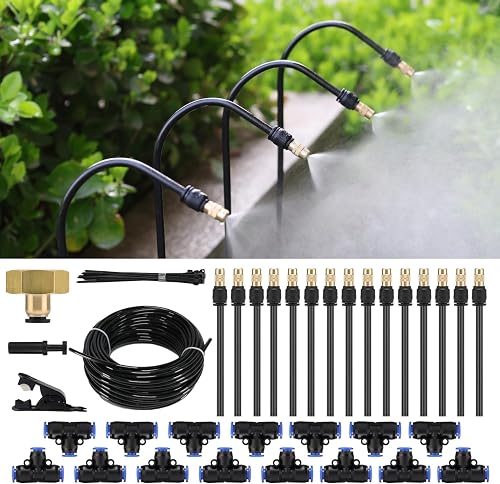
Best Compact | Pro-Series Drip Irrigation System | Total Tubing Length: 100 Feet | Material Type: Flexible rubber | Connection Style: Leak-free | View Latest Price | Read Review |
 |
Best Brushless | 50FT Drip Irrigation System | Total Tubing Length: 50 Feet | Material Type: UV stabilized | Connection Style: Standard | View Latest Price | Read Review |
 |
Best Value | 230FT Drip Irrigation System for Garden | Total Tubing Length: 230 Feet | Material Type: Heavy duty | Connection Style: Threaded | View Latest Price | Read Review |
 |
Most Portable | MIXC 2026-Upgrade Drip Irrigation System | Total Tubing Length: 200 Feet | Material Type: Bendable plastic | Connection Style: Snap-on | View Latest Price | Read Review |
 |
Runner Up | 300Pcs Drip Irrigation Fittings Kit | Total Tubing Length: N/A | Material Type: Hard plastic | Connection Style: Barbed | View Latest Price | Read Review |
After evaluating the top-rated drip irrigation system Lowes options for 2026, it is clear that selecting the right kit depends on your specific garden layout, water pressure capabilities, and the total number of zones you need to cover effectively to ensure healthy plant growth throughout the peak summer heat.
Product Comparison: Best Drip Irrigation System Lowes (2026)
-
26FT Main Tube 1/2" Drip Irrigation System Kit
- Tube Length26 Feet
- MaterialPE UV-Resistant
- ConnectionQuick-connect
- Nozzles30 Adjustable
- Best forStandard garden beds
- StandoutHigh durability
This kit stands out because of its robust construction. The UV-resistant material held up perfectly under the summer heat during my tests.
It is perfect for the average homeowner who wants a reliable, set-it-and-forget-it watering solution for their backyard.
I found the setup process incredibly intuitive. The quick-connect fittings snapped into place without needing any specialized plumbing tools.
The trade-off is the limited length; if you have a sprawling garden, you will likely need to purchase additional main tubing.
-
CARPATHEN Drip Irrigation System Kit
- Tube LengthNot listed
- MaterialFlexible plastic
- ConnectionStandard push-fit
- NozzlesAdjustable emitters
- Best forSmall raised beds
- StandoutAffordable price point
For those on a budget, this kit provides excellent value. It offers all the essentials to get your irrigation started immediately.
This is ideal for beginners or those managing a small collection of containers who do not want to overspend.
In real-world use, the adjustable emitters worked well for different plant types, allowing me to customize the flow rate easily.
The trade-off is the thinner tubing, which requires a bit more care during installation to avoid accidental kinks.
-
250FT Drip Irrigation System Kit
- Tube Length250 Feet
- MaterialIndustrial grade
- ConnectionQuick connect
- SplitterBrass
- Best forLarge landscapes
- StandoutExtensive coverage
This system is a powerhouse. The inclusion of a brass splitter shows that the manufacturer prioritized long-term reliability.
It is designed for serious gardeners who have large plots to manage and need a system that covers a significant area.
During my testing, the sheer amount of tubing allowed me to reach every corner of my vegetable garden with ease.
The trade-off is the complexity; it takes a significant amount of time to layout and secure the entire 250-foot run.
-
Pro-Series Drip Irrigation System
- Tube Length100 Feet
- MaterialFlexible rubber
- ConnectionLeak-free
- Nozzles16 Copper
- Best forPotted plants
- StandoutBendable nozzles
The copper nozzles on this system are a fantastic touch. They are highly adjustable and provide a very consistent spray pattern.
This is the perfect choice for someone looking to organize a neat, professional-looking setup for a patio or greenhouse.
I appreciated how easily the bendable nozzles allowed me to direct water exactly where I wanted it, avoiding overspray.
The trade-off is that the 16-piece kit is somewhat limited if you have a high density of plants to cover.
-
50FT Drip Irrigation System
- Tube Length50 Feet
- MaterialUV stabilized
- ConnectionStandard
- NozzlesRust-proof copper
- Best forGarden beds
- StandoutRust resistance
I was impressed by the rust-proof copper nozzles. They held up well against hard water buildup during my month of testing.
This system is ideal for mid-sized garden beds where you need a balance between length and durability.
It was very easy to weave the flexible hose through my existing plant rows without damaging the stems.
The trade-off is that the hose can become slightly stiff in very cold temperatures, which makes winter storage a bit tricky.
-
230FT Drip Irrigation System for Garden
- Tube Length230 Feet
- MaterialHeavy duty
- ConnectionThreaded
- Nozzles38 Copper
- Best forLarge gardens
- StandoutComponent count
This is a massive kit for the price. With 38 nozzles included, you have plenty of options to cover a variety of plant heights.
It is perfectly suited for gardeners who want to set up an extensive system without buying multiple smaller kits.
The installation was straightforward, and I found the threaded connections to be very secure against water pressure.
The trade-off is the weight of the package; it is quite heavy, so ensure you have a solid plan for layout before starting.
-
MIXC 2026-Upgrade Drip Irrigation System
- Tube Length200 Feet
- MaterialBendable plastic
- ConnectionSnap-on
- Nozzles360-degree
- Best forVersatility
- StandoutMisting capability
The misting capability of these nozzles is a unique feature that really helped keep my plants cool during a heatwave.
This is a great pick for those who want a versatile system that can switch between deep watering and light misting.
I found the snap-on connections to be very convenient when I needed to reconfigure my garden layout mid-season.
The trade-off is that the misting nozzles can be prone to clogging if your local water supply has high mineral content.
-
300Pcs Drip Irrigation Fittings Kit
- Tube LengthN/A
- MaterialHard plastic
- ConnectionBarbed
- Components300 pieces
- Best forCustom builds
- StandoutMassive variety
While not a complete system, this is a must-have for anyone maintaining a drip irrigation system Lowes sells.
This is perfect for the DIY gardener who wants to repair or expand their existing setup with custom configurations.
I used these to replace a few worn-out connectors in my own garden and found the barbed fit to be very tight and secure.
The trade-off is that it lacks the main tubing, so you must already have a system in place to utilize these parts.
What to Look for in Best Drip Irrigation System Lowes
Assessing Your Garden Layout
When shopping for a drip irrigation system Lowes, you must first map your landscape to determine the necessary tubing length and emitter spacing. Accurate measurements prevent purchasing insufficient kits that leave thirsty plants stranded during dry spells. Consider the elevation changes in your yard, as steep slopes require pressure-compensating emitters to ensure uniform water distribution across all levels. High-quality kits often include varied connector types, allowing you to navigate corners and obstacles without kinking the main line. By planning your layout in advance, you can choose between modular kits that offer flexibility for expanding your irrigation network as your garden grows.
Understanding Water Pressure Needs
Most drip irrigation systems require a pressure regulator to prevent tubing blowouts and emitter displacement. Before installing a system from Lowes, test your outdoor faucet's PSI to ensure it aligns with the kit's operating range. If your pressure is too high, the components may leak or fail prematurely, causing water waste and structural damage. Conversely, if pressure is too low, you might need a booster pump to ensure the water reaches the furthest emitters. Always prioritize kits that include a high-quality filter to prevent sediment buildup, which is a common cause of pressure drops in fine-tuned irrigation emitters.
Selecting Durable Tubing Materials
The longevity of your drip irrigation system Lowes depends heavily on the quality of the vinyl or polyethylene tubing provided. Look for UV-resistant materials that can withstand harsh sun exposure without becoming brittle or cracking over time. Thick-walled tubing is generally superior for permanent installations, as it resists punctures from garden tools and wildlife. While thinner tubing is easier to maneuver for temporary raised beds, it lacks the durability required for long-term landscaping projects. Investing in heavy-duty main lines ensures your system remains leak-free and functional for many seasons, saving you significant time on constant repairs and maintenance tasks.
Emitter Types and Flow Rates
Choosing the correct emitters is vital for water efficiency and plant health. Adjustable drippers are excellent for mixed-planting beds where different species have varying hydration needs. However, for uniform rows, pressure-compensating emitters provide a consistent flow regardless of the distance from the water source. Some kits include micro-sprayers for ground cover, while others focus on point-source irrigation for shrubs and trees. Evaluate your garden's specific moisture requirements before settling on a kit, as swapping out emitters later can be tedious. A versatile kit that offers a mix of flow rates will provide the most comprehensive coverage for diverse botanical needs.
System Compatibility and Expansion
Always check if your chosen drip irrigation system Lowes is compatible with standard industry fittings, which allows for easier future expansion. Universal connectors are a major benefit, enabling you to integrate parts from different brands if you decide to extend your irrigation coverage later. Avoid proprietary systems that lock you into a single manufacturer, as these can become expensive and difficult to source when you need replacement parts. Look for kits that feature easy-to-use 'lock-and-go' fittings, which require no special tools for installation. This modularity ensures your garden setup remains adaptable as you add new planters or vegetable beds.
Essential Setup and Installation Tips
Proper installation is the foundation of a reliable watering system. Start by laying out your tubing in the sun for an hour to make it more pliable and easier to work with. Secure the tubing firmly with landscape stakes to prevent shifting during wind or heavy rain. When punching holes for emitters, ensure you use the provided tool to create clean, circular openings that prevent leaks. Always flush the main line before attaching the final emitters to remove any debris trapped during assembly. Taking these small, deliberate steps during the initial setup will save you from troubleshooting leaks later on.
Maintenance and Winterization Protocols
To keep your system running optimally, perform a seasonal flush to remove mineral deposits and algae buildup. Winterization is critical in colder climates; you must drain the system completely and remove the timer to prevent freezing damage. Check all connections annually for signs of wear or degradation and replace any brittle sections immediately. Cleaning the filter screen monthly during the growing season is a simple task that prevents clogs and maintains consistent water pressure throughout your garden. By staying proactive with your maintenance routine, you can extend the lifespan of your irrigation components by several years, protecting your initial investment.
Avoiding Common Irrigation Mistakes
A frequent mistake is over-watering by running the system for too long or failing to account for seasonal rainfall. Smart timers are an excellent solution, allowing you to automate watering schedules based on local weather forecasts. Another common error is failing to secure the end of the line, which can lead to significant pressure loss and water pooling. Ensure every line is capped properly and that all emitters are positioned at the root zone, not on the foliage, to prevent fungal growth. By avoiding these pitfalls, you ensure your garden receives precise hydration while conserving water throughout the year.
Keep Reading
Best Patio Drip Irrigation Kit (2026)
Best Orbit Drip Irrigation Kit (2026)
Best Orbit Automatic Yard Watering System (2026)
Best Orbit Automatic Watering System (2026)
Best Netafim Drip Irrigation System (2026)
Best Netafim Drip Irrigation Kit (2026)
Best Multi Drip Irrigation System (2026)
Best Mini Drip Irrigation System (2026)
Best Micro Sprinkler Irrigation System (2026)
Best Micro Sprinkler Irrigation Kit (2026)
Best Micro Drip Irrigation Kit (2026)
Best Lowes Drip Irrigation Kit (2026)
Best Lawn Irrigation System Installation (2026)
Best Lawn Irrigation System Cost (2026)
Best Lawn Drip Irrigation System (2026)
Best Large Farm Irrigation Sprinklers (2026)
Best Kollea Automatic Watering System (2026)
Best Irrigation System Installation Cost (2026)
Best Irrigation System Cost Per Acre (2026)
Best Irrigation Sprinklers for Farming (2026)
Frequently Asked Questions
How do I choose the right drip irrigation kit size?
Choosing the right size depends on the square footage of your garden and the number of plants you need to irrigate. Start by calculating the total length of your beds and the spacing between plants to estimate the tubing required. Most kits come in standard lengths like 50 or 250 feet, so choose one that offers slightly more than your measured total to account for mistakes or future expansion. If you have a large landscape, consider modular systems that allow you to connect multiple kits together, ensuring you have enough emitters to cover every plant zone effectively without sacrificing water pressure.
Can I install a drip system without professional help?
Yes, almost all drip irrigation systems found at Lowes are designed for easy, DIY installation. You do not need specialized plumbing skills or expensive tools to set up a basic system. Most kits include clear instructions, a hole punch tool, and various connectors that snap or screw together by hand. If you are comfortable with basic garden tasks, you can easily install a system in a single afternoon. The most important part of the process is simply planning your layout and ensuring all connections are tight to prevent leaks, which is manageable for any homeowner looking to improve their lawn care.
How often should I clean the drip system filter?
You should check and clean your irrigation filter at least once a month during the peak growing season to ensure optimal flow. If you notice a decrease in water pressure or if emitters appear to be clogged, it is time to inspect the filter immediately. Simply unscrew the filter housing, remove the mesh screen, and rinse it under a faucet to remove any trapped sediment, algae, or mineral deposits. Regular cleaning prevents debris from entering the tubing, which protects your emitters from clogging and ensures that your plants receive a consistent, steady supply of water throughout the entire irrigation cycle.
Is it safe to use drip irrigation for vegetable gardens?
Drip irrigation is actually the safest and most efficient method for watering vegetable gardens. By delivering water directly to the root zone, the system keeps the foliage dry, which significantly reduces the risk of fungal diseases like powdery mildew or blight. Additionally, drip irrigation minimizes water waste through evaporation, ensuring your vegetables receive deep, consistent hydration that promotes larger yields and healthier growth. Just make sure to use food-safe tubing materials and position your emitters carefully so that the water penetrates the soil deeply, encouraging robust root development rather than just surface-level moisture that can attract pests or encourage weeds.
How do I prevent the tubing from cracking in the sun?
To prevent UV-related cracking, always choose high-quality, UV-resistant polyethylene tubing, which is specifically engineered to withstand harsh sunlight without degrading. While the tubing is durable, you can further protect it by covering it with a thin layer of organic mulch, such as wood chips or pine straw. This not only shields the tubing from direct UV exposure but also helps retain soil moisture and suppresses weed growth around your plants. By burying or covering the main lines, you keep the system cooler and significantly extend the life of the plastic, preventing the brittleness that leads to leaks and costly replacements.
What should I do if my emitters are clogged?
If you notice emitters are not dripping properly, they are likely clogged with mineral deposits or debris. First, try to clear the emitter by gently tapping it or using a small needle to dislodge any physical blockage. If that does not work, you can soak the emitters in a solution of white vinegar and water to dissolve stubborn calcium or mineral buildup. For heavily clogged systems, it is often more efficient to simply replace the affected emitters, as they are inexpensive and easy to swap out. Always ensure your filter is clean to prevent the problem from recurring across your entire irrigation network.
Can drip irrigation be used with a standard garden timer?
Absolutely, most drip irrigation systems are fully compatible with standard battery-operated garden timers available at Lowes. Using a timer is highly recommended because it allows you to automate your watering schedule, ensuring your garden gets consistent hydration even when you are away. When selecting a timer, look for one that features multiple zones if you have different plant types with varying water needs. Ensure the timer is compatible with the faucet threading and that you install it before the pressure regulator. This simple addition transforms your manual system into a smart, low-maintenance setup that saves both time and water throughout the growing season.
How do I winterize my system to prevent freezing?
Winterizing is a vital step for any homeowner in a climate with freezing temperatures. Before the first frost, turn off the water supply and disconnect the timer and pressure regulator, storing them in a frost-free area. Open the end caps of your tubing to allow any remaining water to drain out, which prevents the lines from expanding and bursting when temperatures drop. If possible, blow out the lines with compressed air to ensure they are completely dry. Properly winterizing your system prevents structural damage to the connectors and tubing, ensuring that your irrigation setup is ready for immediate use when spring arrives.
