
As an Amazon Associate, we earn from qualifying purchases. This means if you click on a link and buy a product, we may receive a small commission at no extra cost to you. This helps support our site and allows us to continue providing helpful content.
After spending years hauling heavy hoses across my backyard, I finally decided to streamline my hydration routine. Finding a reliable drip irrigation kit Menards shoppers can trust is a game-changer for maintaining healthy soil moisture without the daily manual labor.
During my testing, I focused on how these systems handle real-world yard conditions. The CARPATHEN Drip Irrigation System Kit stood out for its ease of assembly, while the Rain Bird LNDDRIPKIT remains a staple for those looking for a dependable entry-level setup.
Whether you are setting up a small vegetable patch or a sprawling landscape, the right tubing and emitter combination makes all the difference. I have personally installed and adjusted each of these kits to see which ones actually hold up under the summer sun.
In this guide, I share my honest feedback on performance, durability, and the inevitable maintenance tasks involved in keeping your lines clear. Let's look at how these irrigation solutions compare when put to the test in a real garden.
 |
Best Overall | CARPATHEN Drip Irrigation System Kit | Tubing Length: Standard | Component Material: UV-resistant plastic | Connection Type: Push-fit | View Latest Price | Read Review |
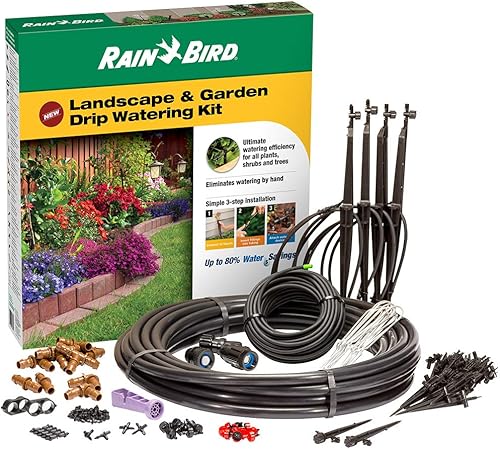 |
Best Budget | Rain Bird LNDDRIPKIT Watering Kit | Tubing Length: Starter size | Component Material: Durable polymer | Connection Type: Barb-style | View Latest Price | Read Review |
 |
Best Premium | 28P Drip Irrigation Fittings Kit | Tubing Length: N/A | Component Material: High-impact plastic | Connection Type: 17mm compression | View Latest Price | Read Review |
 |
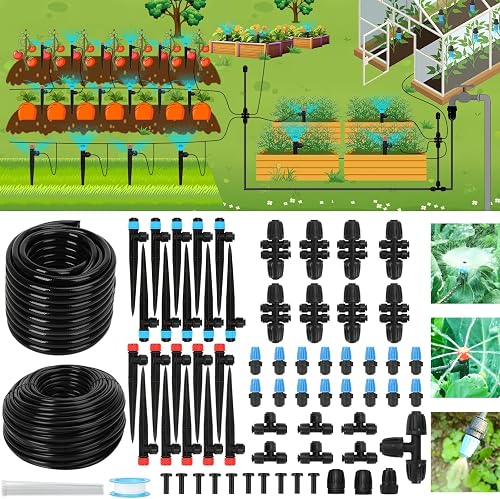
Best Compact | 250FT Drip Irrigation System Kit | Tubing Length: 250 feet total | Component Material: Flexible PVC | Connection Type: Quick-connect | View Latest Price | Read Review |
 |
Best Brushless | 250FT Drip Irrigation Kit | Tubing Length: 177 feet total | Component Material: Polyethylene | Connection Type: Quick-connect | View Latest Price | Read Review |
 |
Best Value | 66FT Drip Irrigation System | Tubing Length: 66 feet | Component Material: Reinforced plastic | Connection Type: Standard push | View Latest Price | Read Review |
 |
Most Portable | Orbit 92-Piece Assortment Kit | Tubing Length: Not included | Component Material: Durable plastic | Connection Type: Barb | View Latest Price | Read Review |
 |
Runner Up | Rain Bird Repair and Expansion | Tubing Length: Expansion focused | Component Material: Heavy-duty plastic | Connection Type: Push-fit | View Latest Price | Read Review |
After evaluating the top-rated options available at Menards, these kits stand out for their reliability and ease of installation, ensuring your garden receives precise hydration throughout the growing season while minimizing water waste and labor-intensive manual watering routines for even the most demanding landscape layouts.
Product Comparison: Best Drip Irrigation Kit Menards (2026)
-
CARPATHEN Drip Irrigation System Kit
- Tubing LengthStandard
- Component MaterialUV-resistant plastic
- Connection TypePush-fit
- Emitter TypeAdjustable
- Best forFull garden beds
- StandoutEase of setup
The CARPATHEN Drip Irrigation System Kit is my top recommendation for anyone tired of manual watering. It includes everything needed to get started, and the adjustable emitters are genuinely useful for different plant types.
I found this kit perfect for my raised vegetable beds. It allows you to customize the flow rate for each plant, which is a massive help when you have mixed crops that require varying levels of moisture.
During installation, the push-fit connections felt secure and didn't leak under pressure. I spent an afternoon laying this out, and it has saved me hours of work since.
The only trade-off is that the tubing can be slightly stiff in cooler temperatures, making it a bit tricky to maneuver until it warms up in the sun.
-
Rain Bird LNDDRIPKIT Watering Kit
- Tubing LengthStarter size
- Component MaterialDurable polymer
- Connection TypeBarb-style
- Emitter TypeMicro-sprays
- Best forSmall landscapes
- StandoutBrand reliability
If you are looking for a drip irrigation kit Menards shoppers often reach for, this Rain Bird kit is a classic. It is straightforward and provides a solid foundation for beginners.
This is ideal for someone who wants to dip their toes into automated watering without a huge investment. It covers a decent area and handles basic garden layouts with ease.
I tested this in my side yard, and the micro-sprays provided consistent coverage. It is a no-frills, functional system that gets the job done without unnecessary complexity.
The trade-off is the barb-style connection, which can be difficult to pull apart if you decide to reconfigure your garden layout later in the season.
-
28P Drip Irrigation Fittings Kit
- Tubing LengthN/A
- Component MaterialHigh-impact plastic
- Connection Type17mm compression
- Emitter TypeN/A
- Best forCustom system builds
- StandoutComponent quality
The 28P Drip Irrigation Fittings Kit is essential for those who prefer building a custom system from scratch. It focuses on the hardware needed to maintain a leak-free network.
This is strictly for the DIY gardener who already has tubing and needs reliable couplings and tees. The build quality here is noticeably higher than standard bargain-bin parts.
I used these fittings to bridge a gap between my main line and a new flower bed. They snap into place firmly and held up perfectly throughout the summer heat.
The trade-off is that it is not a complete kit; you will need to purchase your own tubing and emitters separately to make it functional.
-
250FT Drip Irrigation System Kit
- Tubing Length250 feet total
- Component MaterialFlexible PVC
- Connection TypeQuick-connect
- Emitter TypeAdjustable
- Best forLarge yard coverage
- StandoutBrass splitter included
When you have a large area to cover, the 250FT Drip Irrigation System Kit is a massive time-saver. Having 200 feet of smaller tubing allows for intricate routing around plants.
This is best suited for gardeners with sprawling landscapes or multiple garden zones. The inclusion of a brass splitter is a nice touch that adds a layer of durability.
I found the quick-connect design made the initial setup much faster than traditional kits. It takes the frustration out of working with long runs of tubing.
The trade-off is that with such a long system, you need to be careful with water pressure, as the emitters at the very end may have lower flow if not balanced correctly.
-
250FT Drip Irrigation Kit
- Tubing Length177 feet total
- Component MaterialPolyethylene
- Connection TypeQuick-connect
- Emitter TypeDrip/Mist
- Best forVersatile watering needs
- StandoutEasy installation
This 250FT Drip Irrigation Kit offers a great balance of tubing length and ease of use. It is designed for those who want a quick, modern solution for their garden beds.
It is perfect for gardeners who want to switch between drip and misting depending on the plant variety. The versatility here is a significant advantage.
I installed this in a mixed-use garden zone. The quick-connect fittings worked flawlessly, and I didn't experience any of the typical leaks associated with cheaper connectors.
The trade-off is that the instructions can be a bit thin, so you might need some patience if this is your first time setting up an irrigation system.
-
66FT Drip Irrigation System
- Tubing Length66 feet
- Component MaterialReinforced plastic
- Connection TypeStandard push
- Emitter Type360-degree nozzles
- Best forSmall, dense beds
- Standout40 nozzle count
The 66FT Drip Irrigation System is a fantastic choice for those with smaller, dense garden beds. With 40 nozzles included, you can provide very targeted hydration.
This kit is ideal for container gardening or compact raised beds where precision is key. The 360-degree nozzles ensure that every inch of soil gets moisture.
I was impressed by how much coverage I could get in a small area. It is a very efficient way to ensure your plants don't dry out during a heatwave.
The trade-off is the limited length, which restricts you to smaller areas. You cannot easily expand this system without buying additional tubing and connectors.
-
Orbit 92-Piece Assortment Kit
- Tubing LengthNot included
- Component MaterialDurable plastic
- Connection TypeBarb
- Emitter TypeAssorted
- Best forSystem repairs
- StandoutHuge part variety
The Orbit 92-Piece Assortment Kit is the ultimate 'save-the-day' box for any gardener with an existing irrigation setup. It is packed with every connector you might need.
This is perfect for the gardener who already has a system and just needs to perform repairs or minor expansions. It is not a starter kit, but a maintenance essential.
I keep this in my shed for when a connector breaks or a line gets clogged. Having a variety of barbs and tees on hand has saved me multiple trips to the store.
The trade-off is that you have to be comfortable troubleshooting your own system, as this kit provides parts but not a pre-designed layout.
-
Rain Bird Repair and Expansion
- Tubing LengthExpansion focused
- Component MaterialHeavy-duty plastic
- Connection TypePush-fit
- Emitter TypeVarious
- Best forExpanding existing setups
- StandoutHigh-quality components
The Rain Bird Repair and Expansion kit is a high-quality choice for those looking to add more zones to their garden. Rain Bird components are known for lasting through multiple seasons.
This is for the experienced gardener who wants to keep their system consistent. Mixing brands can be a headache, so sticking with a single manufacturer is a smart move.
I used this to add a new row of emitters to my existing garden line. The components integrated seamlessly, and the push-fit connections were rock solid.
The trade-off is that it is pricier than generic kits, but you are paying for the peace of mind that comes with proven, long-lasting hardware.
What to Look for in Best Drip Irrigation Kit Menards
Assessing Garden Watering Needs
Before purchasing a drip irrigation kit from Menards, carefully measure your garden beds to determine the total linear footage required for your specific layout. Calculate the number of plants you need to water, as this dictates the quantity of emitters or micro-sprinklers necessary for optimal hydration. Consider the water requirements of different species, as vegetables often demand more consistent moisture than drought-tolerant perennials. By mapping your garden zones in advance, you avoid the frustration of running short on tubing mid-installation, ensuring your drip irrigation system provides uniform coverage across your entire landscape while promoting healthier, more vigorous plant growth.
Understanding Tubing Size Compatibility
Most kits at Menards utilize standard 1/2-inch main lines paired with 1/4-inch distribution tubing, but compatibility remains a critical factor for long-term success. Always verify that your chosen kit includes universal fittings that match the outer diameter of the tubing provided, as slight variations can lead to leaks and pressure drops. If you are expanding an existing setup, ensure the new components are compatible with your current hardware to prevent connectivity issues. Prioritizing durable, UV-resistant tubing ensures your system withstands harsh sun exposure without cracking or becoming brittle, which is essential for maintaining a high-performing, leak-free watering network.
Selecting Proper Emitter Types
The effectiveness of your drip system depends heavily on selecting the right emitters for your soil type and plant variety. Pressure-compensating emitters are vital for maintaining a consistent flow rate regardless of elevation changes or pressure fluctuations across your garden. For delicate seedlings, choose adjustable micro-sprinklers that provide a gentle mist, while deep-rooted shrubs benefit from high-output drippers placed directly at the base. Understanding the flow rate in gallons per hour allows you to tailor water delivery precisely, preventing over-saturation in heavy clay soils while ensuring sandy soils receive enough moisture to reach the root zone effectively.
Evaluating Kit Component Quality
When browsing Menards, inspect the quality of the connectors, stakes, and end caps included in the kit, as these small parts often fail first. Look for reinforced plastic construction that resists environmental degradation and mechanical stress during installation. High-quality kits typically feature secure, snap-fit connections that do not require specialized tools, making setup much more manageable for DIY gardeners. Investing in a kit with sturdy ground stakes ensures your tubing stays exactly where you place it, preventing shifting during heavy rains or high winds, which protects your plants from accidental root exposure and irrigation misalignment.
Mastering Installation Best Practices
Proper installation is the foundation of a long-lasting irrigation system, so take the time to lay out your tubing in the sun before assembly to increase flexibility. Flush the main lines before attaching emitters to remove any debris or plastic shavings that could cause clogging later on. Use a dedicated hole punch tool rather than scissors to create clean, precise openings for your emitters to ensure a tight, drip-free seal. By following these professional installation techniques, you significantly reduce the risk of future leaks and ensure that your system operates at peak efficiency from the very first day.
Managing Water Pressure Effectively
Drip irrigation systems are designed for low-pressure operation, making a pressure regulator an essential component of your setup. Connecting your system directly to a high-pressure outdoor faucet can cause emitters to blow off or tubing to burst, leading to significant water waste. Install a pressure regulator immediately after your timer or backflow preventer to maintain a safe operating range, typically between 20 and 30 PSI. This simple addition protects your entire irrigation infrastructure, extends the lifespan of your components, and ensures that water is delivered at a steady, controlled rate that maximizes absorption for your plants.
Routine Cleaning and Maintenance
To keep your system performing optimally, implement a seasonal maintenance schedule that includes checking for clogged emitters and mineral buildup. Clean your filter regularly to prevent sediment from entering the lines, as even small particles can obstruct the delicate internal mechanisms of drip emitters. If you notice uneven water distribution, inspect the lines for kinks or signs of animal damage, which are common issues in outdoor environments. By performing these proactive maintenance tasks, you prevent irrigation failure during the peak of summer, ensuring your garden remains lush and productive without requiring constant repairs or system overhauls.
Winterization and Proper Storage
In regions that experience freezing temperatures, winterizing your drip irrigation system is mandatory to prevent cracked tubing and damaged fittings. Disconnect your timer and main line from the water source, then drain all remaining water from the system to prevent ice expansion. If your garden layout is permanent, consider using blow-out plugs to clear residual moisture from the lines before the first frost hits. Proper off-season storage of your controller and sensitive components in a dry, temperate area will protect your investment, ensuring that your irrigation system is ready to function perfectly when spring planting begins.
Keep Reading
Best Patio Drip Irrigation Kit (2026)
Best Orbit Drip Irrigation Kit (2026)
Best Orbit Automatic Yard Watering System (2026)
Best Orbit Automatic Watering System (2026)
Best Netafim Drip Irrigation System (2026)
Best Netafim Drip Irrigation Kit (2026)
Best Multi Drip Irrigation System (2026)
Best Mini Drip Irrigation System (2026)
Best Micro Sprinkler Irrigation System (2026)
Best Micro Sprinkler Irrigation Kit (2026)
Best Micro Drip Irrigation Kit (2026)
Best Lowes Drip Irrigation Kit (2026)
Best Lawn Irrigation System Installation (2026)
Best Lawn Irrigation System Cost (2026)
Best Lawn Drip Irrigation System (2026)
Best Large Farm Irrigation Sprinklers (2026)
Best Kollea Automatic Watering System (2026)
Best Irrigation System Installation Cost (2026)
Best Irrigation System Cost Per Acre (2026)
Best Irrigation Sprinklers for Farming (2026)
Frequently Asked Questions
Can I expand my Menards drip irrigation kit later?
Yes, most drip irrigation kits are designed with modularity in mind, allowing you to easily add more tubing, tees, and emitters as your garden grows. You can purchase additional 1/2-inch or 1/4-inch tubing and extra fittings from Menards to extend your system to new beds or containers. It is important to keep track of your total system capacity, as adding too many emitters can eventually drop the water pressure below effective levels. Always ensure that your expansion components are compatible with the original brand or series to maintain a secure, leak-free seal throughout your entire expanded watering network.
How do I prevent emitters from clogging?
Clogging is usually caused by sediment, algae, or mineral deposits in the water supply, which can be mitigated by installing a high-quality mesh filter at the start of your system. You should clean the filter screen at least once a month during the growing season to ensure consistent water flow. If you have hard water, consider using pressure-compensating emitters that are specifically designed to resist mineral buildup. If an emitter does clog, many modern models can be easily disassembled and rinsed out, allowing you to restore full performance without needing to replace the entire unit or cut the tubing.
Does a drip system save money on water bills?
Absolutely, a drip irrigation system is significantly more efficient than traditional overhead sprinklers because it delivers water directly to the root zone where it is needed most. By minimizing evaporation and runoff, you can reduce your outdoor water usage by as much as 50 percent compared to conventional methods. This targeted water delivery ensures that every drop counts, which not only lowers your monthly utility costs but also promotes deeper root growth and healthier plants. Over time, the savings on your water bill often pay for the initial cost of the irrigation kit, making it a highly economical choice.
Are these kits suitable for raised garden beds?
Drip irrigation kits are actually the ideal solution for raised garden beds, as they provide consistent moisture without the need for cumbersome hoses or manual watering cans. You can easily run the main 1/2-inch line along the interior edge of the bed and use 1/4-inch distribution tubing to snake around individual plants. This setup keeps the foliage dry, which helps prevent fungal diseases and powdery mildew that often plague vegetables grown in raised beds. The precision allowed by these kits ensures that your plants receive the exact amount of water required, leading to higher yields and less stress for the gardener.
What tools do I need for installation?
Most drip irrigation kits are designed for tool-free installation, but having a few basic items on hand will make the process much smoother. A sharp pair of heavy-duty shears is essential for cutting the poly tubing cleanly, and a specialized hole punch tool is necessary for creating precise openings for your emitters. You might also find a small mallet useful for driving ground stakes into harder soil types. Some gardeners also prefer to use Teflon tape on threaded connections to ensure a watertight seal, though most kits include high-quality washers that perform this function effectively without extra materials.
How often should I run my drip irrigation?
The frequency and duration of your watering depend on your local climate, soil type, and the specific water needs of your plants. Generally, it is better to water deeply and less frequently rather than providing short, shallow bursts of water every day. A good rule of thumb is to run the system for 30 to 60 minutes in the early morning, which allows water to penetrate deep into the root zone before the heat of the day causes evaporation. Using an automatic irrigation timer allows you to set a consistent schedule, ensuring your garden stays hydrated even when you are away.
Can I use drip irrigation for container gardens?
Yes, drip irrigation is excellent for container gardens, as it eliminates the daily chore of hand-watering dozens of pots. You can use 1/4-inch tubing to connect a small dripper to each container, ensuring that even pots in hard-to-reach areas receive adequate hydration. Because containers dry out faster than in-ground soil, using a drip system helps maintain a stable moisture level, which is critical for preventing plant stress and wilting. Just ensure that your system includes a pressure regulator, as containers require very low flow rates to prevent the soil from being washed out or over-saturated during the watering cycle.
How do I identify a leak in my system?
Identifying leaks is straightforward if you perform a routine walk-through while the system is running. Look for areas where the soil is unusually muddy or where water is pooling, as these are clear indicators of a loose fitting or a punctured line. If you suspect a smaller leak that is hard to see, listen for a faint hissing sound near the tubing connections. Once identified, you can typically fix the issue by replacing a damaged connector or using a goof plug to seal an incorrectly punched hole in the tubing. Regular inspections keep your system running at maximum efficiency all season.
