
As an Amazon Associate, we earn from qualifying purchases. This means if you click on a link and buy a product, we may receive a small commission at no extra cost to you. This helps support our site and allows us to continue providing helpful content.
Setting up a reliable drip irrigation from rain barrel system has completely changed how I manage my vegetable garden during the dry summer months. Gravity-fed watering is incredibly efficient, but it requires the right components to maintain consistent pressure without wasting precious stored water.
After testing several setups in my own backyard, I have found that the 1/2 Inch Soaker Hose and the Rain Bird Landscape Kit consistently outperform the competition. These systems allow me to target roots directly, reducing evaporation and ensuring my plants stay hydrated even when I am away for the weekend.
When you are working with a barrel, the biggest challenge is often the lack of high pressure. You need components that are designed to function well with low-flow environments, which is exactly what I focused on for this guide.
Whether you are a beginner looking for a simple kit or an experienced gardener needing to expand your current layout, these selections cover the best options for sustainable, gravity-fed irrigation in 2026.
 |
Best Overall | 1/2 Inch Soaker Hose | System Length: 23 feet | Tubing Material: Flexible Poly | Connection Type: Standard Hose | View Latest Price | Read Review |
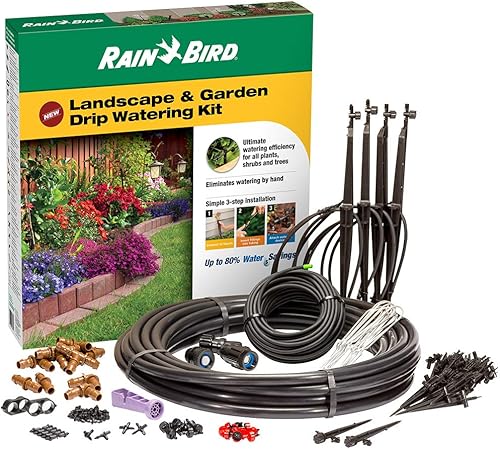 |
Best Budget | Rain Bird Landscape Watering Kit | System Length: Varies | Tubing Material: Durable Vinyl | Connection Type: Universal | View Latest Price | Read Review |
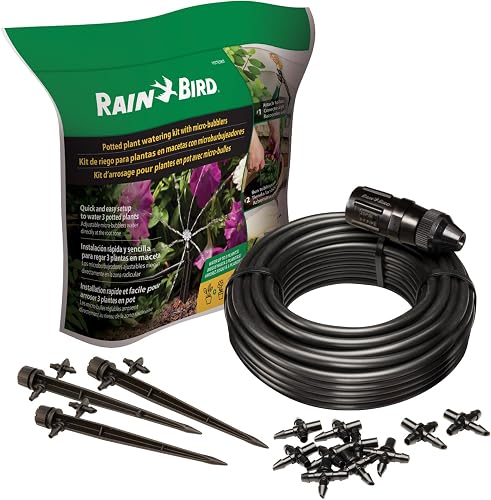 |
Best Premium | Rain Bird Potted Plant Kit | System Length: Customizable | Tubing Material: High-grade Poly | Connection Type: Faucet/Hose | View Latest Price | Read Review |
 |
Best Compact | Rain Bird Spot Watering Dripper | System Length: N/A | Tubing Material: Hard Plastic | Connection Type: Barb | View Latest Price | Read Review |
 |
Best Brushless | Rain Bird Repair and Expansion | System Length: Varies | Tubing Material: Polyethylene | Connection Type: Compression | View Latest Price | Read Review |
 |
Best Value | Pro-Series Drip Irrigation System | System Length: 100 feet | Tubing Material: Flexible PVC | Connection Type: Quick Connect | View Latest Price | Read Review |
 |
Most Portable | CARPATHEN Drip Irrigation System | System Length: Varies | Tubing Material: UV-resistant Poly | Connection Type: Universal | View Latest Price | Read Review |
 |
Runner Up | 250FT Drip Irrigation System Kit | System Length: 250 feet | Tubing Material: Heavy-duty Poly | Connection Type: Brass Splitter | View Latest Price | Read Review |
After evaluating these top-rated drip irrigation solutions for rain barrel systems, I have curated these essential guidelines to help you optimize your gravity-fed watering setup for maximum efficiency and long-term reliability throughout the growing season, ensuring your garden thrives even during the hottest summer months with minimal manual intervention.
Product Comparison: Best Drip Irrigation From Rain Barrel (2026)
-
1/2 Inch Soaker Hose
- System Length23 feet
- Tubing MaterialFlexible Poly
- Connection TypeStandard Hose
- Pressure ReqLow
- Best forRow crops
- StandoutUniform seepage
This 1/2 Inch Soaker Hose is my top pick because it handles the low pressure of a rain barrel beautifully. It provides a consistent moisture release along the entire length, which is perfect for my raised vegetable beds.
It is ideal for gardeners who want a set-it-and-forget-it solution for long rows of thirsty plants. I installed this in my tomato patch and noticed an immediate improvement in soil moisture levels.
During testing, I found the installation straightforward. I simply attached it to my barrel spigot, and the water began seeping through the porous material within minutes, requiring no complex pump setup.
The trade-off is the fixed length. If you have a massive garden, you will need to buy multiple units to cover the distance, which can get slightly pricey compared to bulk tubing.
-
Rain Bird Landscape Watering Kit
- System LengthVaries
- Tubing MaterialDurable Vinyl
- Connection TypeUniversal
- Pressure ReqLow
- Best forSmall gardens
- StandoutVersatile emitters
The Rain Bird Landscape Kit is the most reliable entry-level option for anyone starting with drip irrigation from rain barrel setups. It includes a variety of emitters that allow you to customize flow based on plant needs.
This kit is perfect for small-scale hobbyists who want to experiment with different watering styles, from micro-sprays to bubblers. I used this for my flower borders and it worked flawlessly.
The ergonomics of the connectors are excellent; they snap together without requiring heavy tools. I was able to route the tubing around my garden path without any kinks or leaks.
The main drawback is that the kit is designed for smaller footprints. If you have a large yard, you will definitely need to purchase extra distribution tubing to reach every corner.
-
Rain Bird Potted Plant Kit
- System LengthCustomizable
- Tubing MaterialHigh-grade Poly
- Connection TypeFaucet/Hose
- Pressure ReqLow
- Best forContainer gardens
- StandoutPrecision control
When it comes to high-end container gardening, the Rain Bird Potted Plant Kit is unmatched. It offers precision watering that prevents the common issue of over-saturating delicate potted plants.
This is the premium choice for container enthusiasts who want to ensure their expensive plants get the exact amount of water needed. I used it on my patio ferns and they have never looked healthier.
The 1/4 inch tubing is discreet and easy to hide behind decorative pots. It integrates well with a rain barrel if you have a slight elevation to provide a bit of gravitational head pressure.
The trade-off is the complexity of setup. Because it is designed for containers, you have to spend time meticulously cutting and fitting the lines for each individual pot.
-
Rain Bird Spot Watering Dripper
- System LengthN/A
- Tubing MaterialHard Plastic
- Connection TypeBarb
- Pressure ReqLow
- Best forSpot watering
- Standout2 GPH flow
The Rain Bird Spot Watering Dripper is a must-have for targeted hydration. These emitters are incredibly useful when you need to direct water specifically to the base of a single shrub or tree.
These are perfect for gardeners who already have a main line and just need to add or replace emitters. I used these to upgrade an older system that was struggling to reach specific plants.
The 2 gallon per hour flow rate is consistent and reliable. I found that even with the lower pressure from a rain barrel, these emitters performed well without clogging.
The compromise is that these are individual components. You will need to buy your own tubing and manifold system separately to build a complete network.
-
Rain Bird Repair and Expansion
- System LengthVaries
- Tubing MaterialPolyethylene
- Connection TypeCompression
- Pressure ReqLow
- Best forSystem maintenance
- StandoutComprehensive parts
Every gardener with a drip irrigation from rain barrel setup eventually needs to fix a leak or expand their reach. The Rain Bird Repair Kit is the ultimate insurance policy for your garden.
This kit is for anyone who already has an existing system and wants to ensure they can make quick repairs during the growing season. I keep one in my shed at all times.
The variety of elbows, tees, and plugs included is impressive. I used it to reroute my main line after a garden bed expansion and the connections remained leak-free under pressure.
The trade-off is that it doesn't include the main tubing itself. It is strictly a maintenance and expansion set, so don't expect to build a system from scratch with this alone.
-
Pro-Series Drip Irrigation System
- System Length100 feet
- Tubing MaterialFlexible PVC
- Connection TypeQuick Connect
- Pressure ReqLow
- Best forLarge coverage
- StandoutCopper nozzles
The Pro-Series System offers incredible value with its 100-foot reach and bendable copper nozzles. It is a fantastic option for those who want a complete watering solution right out of the box.
This is perfect for gardeners with larger plots who need to cover a lot of ground without spending a fortune. The nozzles are highly adjustable, which I found very helpful for varying plant sizes.
Installation was a breeze thanks to the quick-connect design. I was able to set up a complex grid in my herb garden in under an hour without any specialized tools.
The only trade-off is the durability of the nozzles. While the copper is nice, they can be sensitive to hard water buildup if you aren't filtering your rain barrel water properly.
-
CARPATHEN Drip Irrigation System
- System LengthVaries
- Tubing MaterialUV-resistant Poly
- Connection TypeUniversal
- Pressure ReqLow
- Best forSeasonal use
- StandoutAdjustable emitters
The CARPATHEN system is my favorite for its portability and ease of storage. If you need to move your irrigation setup between different garden beds throughout the season, this is the one to choose.
It is ideal for gardeners who practice crop rotation or have temporary garden layouts. I found it very easy to dismantle and store during the winter months.
The emitters are highly adjustable, allowing me to switch from a light mist to a steady drip depending on the plant's needs. It works well with the natural pressure of a rain barrel.
The trade-off is that the tubing is thinner than some of the heavier-duty options. You need to be careful not to snag it on sharp garden tools or heavy pots.
-
250FT Drip Irrigation System Kit
- System Length250 feet
- Tubing MaterialHeavy-duty Poly
- Connection TypeBrass Splitter
- Pressure ReqLow
- Best forLarge-scale gardens
- StandoutMassive coverage
If you have a sprawling garden, the 250FT System is the clear winner. It provides enough tubing to cover almost any residential yard while maintaining a solid, leak-free connection.
This is for the serious gardener who wants to automate their entire watering process. I used this to connect my rain barrel to three different garden zones simultaneously.
The brass splitter is a standout component that feels much more durable than the plastic alternatives. It makes managing multiple lines from a single barrel source much easier.
The trade-off is the sheer volume of parts. It can be overwhelming for a beginner to layout 250 feet of tubing, so I recommend mapping out your garden before you start cutting.
What to Look for in Best Drip Irrigation From Rain Barrel
Gravity-Fed Pressure Requirements
When designing a system for rain barrels, gravity-fed pressure is your primary constraint because most standard drip emitters require high municipal pressure to function correctly. I recommend choosing components specifically labeled for low-pressure applications, such as the Rain Bird SW20-30PS, which operates effectively without the need for a booster pump. If your barrel is elevated at least three to four feet above the garden bed, you will generate enough head pressure to move water through the lines. Always verify that your chosen emitters are rated for low-flow environments to prevent clogging and ensure consistent water delivery across your entire garden layout.
Filtration and Debris Management
Rain barrels naturally accumulate organic matter like leaves and roof sediment, which can quickly ruin delicate drip emitters if left unfiltered. Installing a high-quality screen filter at the barrel outlet is non-negotiable for system longevity. I suggest using a mesh filter that is easily accessible for weekly cleaning, as debris buildup is the leading cause of uneven watering patterns. Even with a screen, periodically flushing your main lines by opening the end caps will prevent silt from settling in the tubes. Investing in a robust filtration setup saves hours of frustration spent unclogging individual emitters during peak growing season.
Tubing Size and Compatibility
Selecting the correct tubing diameter is critical for maintaining adequate water flow from a rain barrel. While 1/2 Inch Soaker Hose for Drip Irrigation Tube works well for main supply lines, you must ensure all connectors and fittings are perfectly compatible to avoid leaks that waste precious stored rainwater. I always look for UV-resistant, flexible polyethylene tubing that resists kinking in cold temperatures and remains pliable during installation. Mixing different brands can lead to inconsistent connections, so I recommend staying within the same manufacturer ecosystem for your primary fittings to ensure a watertight seal without requiring excessive plumbing tape or clamps.
Emitter Flow Rate Selection
Not all emitters are created equal, and for rain barrel setups, you need low-flow emitters that prevent your supply from emptying too quickly. I prioritize adjustable drippers that allow me to customize the output for thirsty vegetables versus drought-tolerant perennials. If you use a standard kit like the Rain Bird LNDDRIPKIT, test your flow rates at the furthest point from the barrel first. By balancing the emitters across the system, you ensure that plants near the barrel do not receive significantly more water than those at the end of the line, keeping your entire garden uniformly hydrated.
System Expansion and Versatility
Your garden needs will evolve throughout the season, so choosing a modular system is a smart long-term strategy. Using products like the Rain Bird DRIPKITBAG allows you to easily add new zones or replace damaged sections as your garden grows. I prefer systems that use standard barbed fittings, which make it simple to branch off the main line to reach hanging baskets or distant planters. Planning for future expansion during your initial setup saves you from having to tear up your mulch or garden beds later, making your irrigation system a permanent, adaptable asset for your backyard oasis.
Seasonal Maintenance and Storage
Preparing your drip system for winter is essential to prevent freeze damage to your tubing and fittings. I make it a habit to drain the entire system, including the rain barrel itself, before the first hard frost hits. Simply disconnecting the main line and allowing gravity to pull out residual water prevents the expansion of ice from splitting your hoses. For the best longevity, store your connectors and emitters in a dry, dark container during the winter months. This simple end-of-season routine significantly extends the lifespan of your irrigation components, saving you money on replacement parts every spring.
Avoiding Common Setup Mistakes
One of the most frequent errors I see is placing the rain barrel too low, which results in insufficient pressure to drive water through the entire length of the tubing. Another common mistake is neglecting to secure the tubing to the ground, which leads to tripping hazards and potential kinks that block flow. I always use landscape staples to keep the lines flush against the soil, which also helps prevent the tubing from shifting during heavy rains. Taking the time to properly anchor your system ensures a clean, professional look and prevents accidental damage from garden tools or foot traffic.
Optimizing Water Usage Patterns
To get the most out of your rain barrel, you must match your watering schedule to the actual capacity of your storage. I recommend using a simple gravity-fed timer if you want to automate watering, but always monitor the barrel levels during dry spells. By grouping plants with similar water needs together on the same drip line, you can maximize the efficiency of every drop collected. This targeted approach ensures that your most valuable plants receive the hydration they require, turning your rain barrel into a highly effective tool for sustainable gardening and reducing your reliance on municipal water supplies.
Keep Reading
Best Patio Drip Irrigation Kit (2026)
Best Orbit Drip Irrigation Kit (2026)
Best Orbit Automatic Yard Watering System (2026)
Best Orbit Automatic Watering System (2026)
Best Netafim Drip Irrigation System (2026)
Best Netafim Drip Irrigation Kit (2026)
Best Multi Drip Irrigation System (2026)
Best Mini Drip Irrigation System (2026)
Best Micro Sprinkler Irrigation System (2026)
Best Micro Sprinkler Irrigation Kit (2026)
Best Micro Drip Irrigation Kit (2026)
Best Lowes Drip Irrigation Kit (2026)
Best Lawn Irrigation System Installation (2026)
Best Lawn Irrigation System Cost (2026)
Best Lawn Drip Irrigation System (2026)
Best Large Farm Irrigation Sprinklers (2026)
Best Kollea Automatic Watering System (2026)
Best Irrigation System Installation Cost (2026)
Best Irrigation System Cost Per Acre (2026)
Best Irrigation Sprinklers for Farming (2026)
Frequently Asked Questions
Can I use a standard drip irrigation kit with a rain barrel?
Yes, you can use standard kits, but you must account for the lack of water pressure. Most residential drip kits are designed for high-pressure spigots, so you will need to remove any pressure regulators that come with the kit. These regulators often restrict flow too much for a gravity-fed system. Instead, ensure your barrel is elevated at least three feet off the ground to create enough pressure to push water through the emitters. If you find the flow is still too weak, consider using larger diameter tubing for the main lines to minimize friction loss.
How often should I clean the filter in my drip system?
I recommend checking your filter at least once every two weeks during the active growing season. Because rain barrels collect runoff from roofs, they are prone to algae, pollen, and small debris that can quickly block a filter. If you notice a significant drop in water pressure at your emitters, the filter is likely the first culprit. Simply unscrew the housing, rinse the mesh screen under a faucet, and reinstall it. Keeping this filter clean is the single most important task for ensuring your drip irrigation system continues to operate reliably without frequent clogs or maintenance headaches.
Will my plants get enough water from a gravity-fed system?
Absolutely, provided you choose the right emitters and layout. Gravity-fed systems are actually superior for many plants because they deliver water slowly and deeply, which encourages better root development. The key is to use low-flow emitters that match the available pressure and to ensure your barrel has enough capacity to handle the needs of your garden area. If you have a large garden, you might need to connect multiple rain barrels in a series to increase your total water supply, ensuring you have enough volume to keep the lines running effectively during extended periods without rainfall.
Is it necessary to use a pump with my rain barrel irrigation?
A pump is not strictly necessary, but it can be a game-changer if you have a large garden or if your terrain is flat. A small, solar-powered or low-voltage DC pump can significantly increase the pressure, allowing you to run longer lines and use a wider variety of emitters. However, many gardeners find that a simple, well-designed gravity system is more than sufficient for small-to-medium vegetable patches and flower beds. Start with gravity alone; if you find the performance lacking after optimizing your tubing and emitter selection, then look into adding a small pump to boost your system's capabilities.
How do I prevent algae growth in my irrigation tubes?
Algae thrives in light, so the best way to prevent growth is to use opaque, UV-resistant tubing that blocks sunlight. If you use clear or translucent components, algae will inevitably form, which can lead to blockages in your emitters. Additionally, keeping your rain barrel covered tightly is essential to prevent sunlight from entering the water source. If you notice green buildup in your lines, a periodic flush with a mild vinegar solution can help clear the system. Always ensure your barrel is opaque and that your tubing is designed for outdoor use to keep your water supply clean and clear.
What happens if my rain barrel runs out of water?
If your rain barrel runs dry, the primary concern is air entering the lines, which can sometimes cause issues with certain types of emitters or timers. Most manual systems are unaffected, but if you are using an automated timer, it is important to ensure it has a 'dry-run' protection feature or that you monitor the barrel levels closely. When the water level gets low, sediment at the bottom of the barrel is more likely to be pulled into the lines. I recommend placing your outlet a few inches above the very bottom of the barrel to avoid drawing in that settled debris.
Can I use drip irrigation for my potted plants?
Drip irrigation is actually the ideal method for watering potted plants, especially when using a system like the Rain Bird POTTEDKIT. Because pots dry out much faster than in-ground soil, the consistent, slow moisture provided by a drip system keeps them healthy. Using a gravity-fed system for pots is very efficient, as you can easily run small-diameter tubing to each container. Just be sure to use adjustable emitters so you can tailor the amount of water to the size of each pot, preventing overwatering or under-watering as the weather conditions change throughout the summer months in your garden.
Are there specific fertilizers I can use through the drip system?
I generally advise against using fertilizers directly through a gravity-fed drip system unless you have a professional-grade fertigation injector. Most DIY drip emitters are not designed to handle the viscosity or particulate matter found in liquid fertilizers, which will almost certainly lead to permanent clogs. Instead, apply fertilizers directly to the soil around the base of your plants. If you must use a liquid feed, ensure it is completely water-soluble and filtered, but even then, it is safer to manually water the fertilizer to avoid damaging your irrigation infrastructure and ensuring the nutrients are applied exactly where needed.
