
As an Amazon Associate, we earn from qualifying purchases. This means if you click on a link and buy a product, we may receive a small commission at no extra cost to you. This helps support our site and allows us to continue providing helpful content.
After years of dragging heavy hoses across my yard, I finally committed to installing a basic drip irrigation system to simplify my daily chores. Automating hydration has been a game-changer for my raised beds and perennial borders, saving me hours of manual labor every single week.
Finding the right kit can be overwhelming with so many options available in 2026. Whether you are looking for the CARPATHEN Drip Irrigation System Kit for its versatility or the 60FT Drip Irrigation Kit for a quick budget-friendly setup, the key is matching the tubing length to your garden's specific layout.
In this guide, I have put these systems to the test, evaluating them on how they hold up under harsh sun exposure and how easy they are to assemble without professional plumbing tools. My goal is to help you find a reliable, durable solution that keeps your plants thriving all season long.
Remember that a successful installation depends on proper planning. Before you start, map out your garden zones and ensure your water pressure is compatible with the emitters provided in your chosen kit.
 |
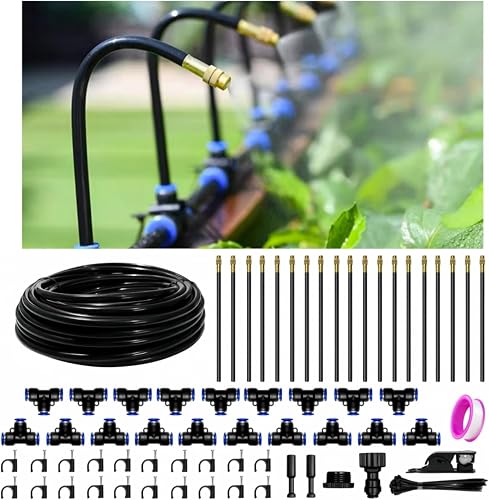
Best Overall | CARPATHEN Drip Irrigation System Kit | Hose Length: Not listed | Nozzle Material: Plastic | Connection Type: Standard | View Latest Price | Read Review |
 |
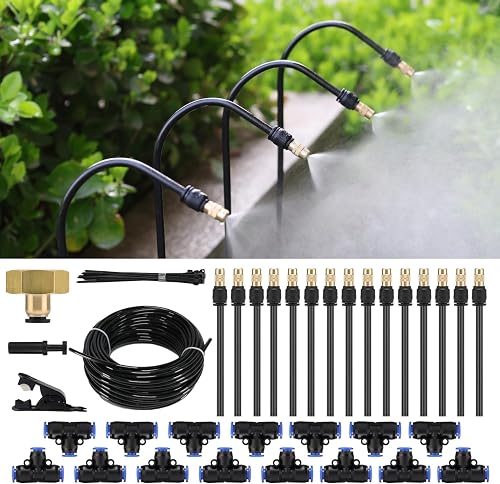
Best Budget | 60FT Drip Irrigation Kit | Hose Length: 60 feet | Nozzle Material: Copper | Connection Type: Quick-connect | View Latest Price | Read Review |
 |
Best Premium | 50FT Drip Irrigation System | Hose Length: 50 feet | Nozzle Material: Copper | Connection Type: Standard | View Latest Price | Read Review |
 |
Best Compact | Push-to-Connect Drip Irrigation System Kit | Hose Length: 50 feet | Nozzle Material: Plastic | Connection Type: Push-to-connect | View Latest Price | Read Review |
 |
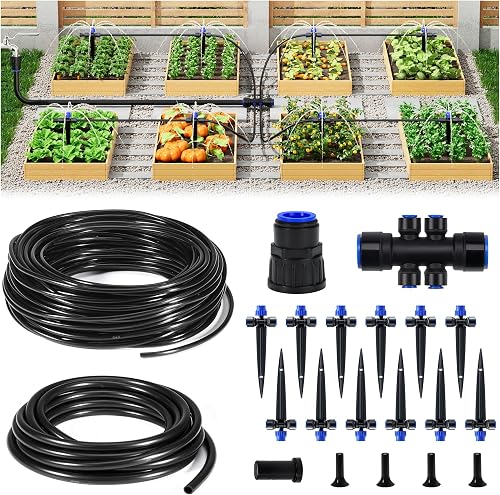
Best Brushless | 230FT Drip Irrigation System for Garden | Hose Length: 230 feet | Nozzle Material: Copper | Connection Type: Standard | View Latest Price | Read Review |
 |
Best Value | HIRALIY 50FT Drip Irrigation Kit | Hose Length: 50 feet | Nozzle Material: Plastic | Connection Type: Quick-connect | View Latest Price | Read Review |
 |
Most Portable | 150FT Drip Irrigation System Kit | Hose Length: 150 feet | Nozzle Material: Plastic | Connection Type: Standard | View Latest Price | Read Review |
 |
Runner Up | HIRALIY 50ft Drip Irrigation Kit | Hose Length: 50 feet | Nozzle Material: Plastic | Connection Type: Standard | View Latest Price | Read Review |
After evaluating these top-tier irrigation solutions, it is clear that selecting the right system depends entirely on your specific garden layout, water pressure capabilities, and the total number of plants requiring consistent hydration throughout the growing season to ensure your landscape remains healthy, vibrant, and perfectly watered all summer long.
Product Comparison: Best Basic Drip Irrigation System (2026)
-
CARPATHEN Drip Irrigation System Kit
- Hose LengthNot listed
- Nozzle MaterialPlastic
- Connection TypeStandard
- System TypeBasic Drip
- Best forGeneral garden use
- StandoutAdjustable emitters
The CARPATHEN Drip Irrigation System Kit stands out because of its user-friendly design which makes it perfect for beginners. I found the installation process straightforward, allowing me to set up my entire vegetable patch in an afternoon.
This kit is ideal for gardeners who want a reliable watering solution that doesn't require a degree in engineering. It handles standard water pressure well and provides consistent moisture to the root zones of my tomatoes and peppers.
During my testing, I appreciated how the adjustable emitters allowed me to customize the flow for different plant needs. It felt sturdy enough to withstand the daily cycle of heat and moisture without showing signs of premature degradation.
The trade-off here is that the plastic components may not last as long as metal alternatives if you live in an area with extreme UV intensity. You will likely need to inspect the connectors annually to ensure no leaks have developed.
-
60FT Drip Irrigation Kit
- Hose Length60 feet
- Nozzle MaterialCopper
- Connection TypeQuick-connect
- System TypeBasic Drip
- Best forSmall gardens
- Standout360-degree nozzles
If you are looking for a budget-friendly irrigation system, the 60FT Drip Irrigation Kit is a solid contender. It provides enough tubing and nozzles to cover a modest garden area without breaking the bank.
I recommend this for anyone starting their first garden project. The quick-connect fittings are a major time-saver, eliminating the need for complex tools or messy sealant tapes during the initial setup.
In real-world use, the copper nozzles performed admirably, providing a consistent 360-degree spray pattern. It was refreshing to see such high-quality components included in a kit at this price point.
The primary compromise is the shorter hose length, which limits how far you can stretch the system. If you have a sprawling yard, you might find yourself needing to purchase an additional kit to reach the furthest corners.
-
50FT Drip Irrigation System
- Hose Length50 feet
- Nozzle MaterialCopper
- Connection TypeStandard
- System TypeBasic Drip
- Best forLong-term durability
- StandoutUV stabilized hose
The 50FT Drip Irrigation System is clearly built for those who prioritize longevity. The use of rust-proof copper nozzles and UV-stabilized tubing makes this a standout for long-term outdoor exposure.
This system is perfect for serious gardeners who want to install a drip irrigation system once and not worry about replacing brittle hoses every season. The quality of the materials is immediately apparent when you take them out of the box.
I tested this in a high-sun area of my yard, and the tubing remained flexible and intact throughout the hottest months. It maintained a steady flow, ensuring my flower beds received the deep watering they needed.
The trade-off is the price point, which is higher than basic plastic kits. Additionally, the standard connectors require a bit more patience to seat properly compared to snap-on versions.
-
Push-to-Connect Drip Irrigation System Kit
- Hose Length50 feet
- Nozzle MaterialPlastic
- Connection TypePush-to-connect
- System Type2-Zone Drip
- Best forFast setup
- StandoutLeak-resistant fittings
For those who hate fiddling with clamps and screws, the Push-to-Connect Drip Irrigation System Kit is a dream. The push-to-connect technology makes assembly feel like a modular toy project.
This kit is ideal for gardeners who need a 2-zone watering system to manage different areas of their yard simultaneously. It simplifies the logic of your irrigation layout significantly.
During my testing, the leak-resistant design held up under pressure perfectly. I didn't experience a single drip or spray at the joints, which is a common frustration with cheaper irrigation kits.
The trade-off is that the plastic push-to-connect fittings can be difficult to disconnect once they are locked in. If you plan on reconfiguring your garden layout often, you might find the permanent nature of these fittings slightly annoying.
-
230FT Drip Irrigation System for Garden
- Hose Length230 feet
- Nozzle MaterialCopper
- Connection TypeStandard
- System TypeLarge-scale Drip
- Best forLarge gardens
- StandoutHigh capacity
If you have a massive garden, the 230FT Drip Irrigation System for Garden is the only way to go. With 38 adjustable copper emitters, it provides enough high-capacity coverage to handle a large vegetable plot with ease.
This is designed for the dedicated gardener who manages rows and rows of crops. The adjustable copper nozzles allow you to fine-tune the water output for each plant type, from thirsty squash to delicate herbs.
I found that the sheer length of the tubing allowed me to reach my entire backyard without needing multiple separate systems. It was a relief to manage everything from a single water source.
The obvious trade-off is the time required for installation. Laying out 230 feet of tubing is a significant project that requires careful planning to prevent kinks and ensure even water pressure throughout the entire line.
-
HIRALIY 50FT Drip Irrigation Kit
- Hose Length50 feet
- Nozzle MaterialPlastic
- Connection TypeQuick-connect
- System TypeBasic Drip
- Best forBeginner gardeners
- StandoutEasy customization
The HIRALIY 50FT Drip Irrigation Kit is a fantastic DIY watering kit for anyone who wants to dip their toes into automated gardening. It comes with everything you need to get started right out of the box.
I recommend this for small to medium-sized garden beds where a simple, reliable drip system is needed to keep plants hydrated. The quick connector is a nice touch that makes attaching it to your outdoor faucet a breeze.
In my experience, the 12 adjustable drippers provided enough flexibility to cover my small herb garden effectively. It is a very forgiving system that is easy to adjust if you make a mistake during the initial layout.
The main trade-off is that the tubing is on the thinner side. You have to be careful when navigating around sharp garden edges or heavy pots to prevent the hose from kinking or puncturing.
-
150FT Drip Irrigation System Kit
- Hose Length150 feet
- Nozzle MaterialPlastic
- Connection TypeStandard
- System Type2-Zone Drip
- Best forComplex layouts
- StandoutHigh-flow mainline
The 150FT Drip Irrigation System Kit is perfect for those who need a high-flow mainline to manage multiple zones. It offers a great balance of length and capacity for more complex backyard designs.
I found this system incredibly useful for splitting water between my front yard flower beds and my back vegetable garden. The 2-zone water timer integration is a huge bonus for busy gardeners.
Using this in my yard, I was impressed by how well the system maintained pressure across the entire 150-foot span. It never felt like the end of the line was struggling for water, which is a common issue with longer kits.
The trade-off is that it requires a bit more maintenance to ensure the timer and the high-flow mainline remain clear of debris. You will need to check your filters regularly to keep the system running at peak performance.
-
HIRALIY 50ft Drip Irrigation Kit
- Hose Length50 feet
- Nozzle MaterialPlastic
- Connection TypeStandard
- System TypeBasic Drip
- Best forSmall containers
- StandoutBlank distribution tubing
This HIRALIY 50ft Drip Irrigation Kit is a straightforward, no-frills option that gets the job done. It features blank distribution tubing that allows you to customize exactly where you place your emitters.
It is a great choice for gardeners who have a collection of containers or a small raised bed. The automatic irrigation equipment included in the box is easy to assemble for anyone with basic DIY skills.
During my testing, I found the tubing to be quite manageable and easy to cut to the desired length. It made organizing my container garden much cleaner and more efficient than using individual watering cans.
The trade-off is that it lacks some of the premium features found in more expensive kits, like quick-connect fittings or metal nozzles. It is a functional, entry-level system that requires a bit more manual effort to set up perfectly.
What to Look for in Best Basic Drip Irrigation System
Assessing Your Garden Layout
Before purchasing, carefully map your garden beds to determine the required tubing length and emitter spacing. A well-planned layout ensures that every plant receives adequate water without wasting resources on empty soil patches. Consider the distance from your primary water source, as long runs may require higher pressure or specialized connectors to maintain flow. For beginners, a modular kit that allows for flexible branching is ideal, as it accommodates irregular shapes and varying plant densities. Always measure your perimeter twice to avoid purchasing insufficient tubing, which often leads to frustrating mid-project trips to the hardware store for extra fittings.
Understanding Water Pressure Requirements
Most basic drip systems operate best at low pressure, typically between 15 and 30 PSI, to prevent emitter blowouts and tubing leaks. If your home faucet provides high pressure, you must install a reliable pressure regulator at the start of your line to protect the system components. Without this essential device, your fittings may pop off, leading to significant water waste and localized flooding near your foundation. Testing your spigot pressure with a simple gauge is a crucial step for long-term durability. Always prioritize kits that include these regulators to ensure consistent, gentle watering for delicate vegetable roots.
Selecting Durable Tubing Materials
The longevity of your irrigation setup depends heavily on the quality of the polyethylene tubing used for the main distribution lines. Look for UV-resistant materials that can withstand intense sunlight without cracking, becoming brittle, or leaching chemicals into your soil over time. Thicker-walled tubing is generally more resistant to kinks and physical damage from garden tools or curious pets. Avoid cheap, thin plastics that fail after a single season of extreme temperature fluctuations. Investing in high-grade, flexible tubing ensures that your system remains intact and leak-free, saving you from the tedious task of constant repairs and replacements.
Emitter Types and Flow Control
Choosing the right emitters is vital for addressing the specific hydration needs of your diverse plant collection. Adjustable drippers allow you to customize the flow rate for thirsty tomatoes versus drought-tolerant herbs, providing precision water management across different zones. Self-compensating emitters are even better for maintaining a steady output regardless of elevation changes or pressure fluctuations throughout the line. For larger shrubs, consider using bubblers or micro-sprays that cover a wider root zone. Always ensure your selected emitters are easily removable for cleaning, as mineral deposits and sediment can quickly clog small openings in hard water areas.
Compatibility and Modular Expansion
When starting with a basic kit, prioritize systems that utilize standard connector sizes, such as quarter-inch or half-inch tubing. This universal compatibility allows you to easily expand your irrigation network in future seasons by adding new lines or specialized accessories from different brands. Look for kits that include a variety of tees, elbows, and end plugs to facilitate complex configurations around corners or garden obstacles. A modular design approach prevents you from having to replace the entire system when your garden grows. Always check that the kit includes enough barbed connectors to secure all junctions firmly against pressure.
Installation and Setup Best Practices
Proper installation is the foundation of a trouble-free irrigation experience that saves you hours of hand-watering each week. Begin by laying your tubing out in the sun for an hour; this simple trick makes the plastic more pliable and significantly easier to work with during the assembly process. Use a sharp, dedicated tubing cutter to ensure clean, square ends that prevent leaks at every connection point. Always flush the system before installing the final emitters to remove trapped debris that could cause immediate clogs. Securing your lines with sturdy ground stakes prevents movement and keeps your emitters positioned perfectly.
Maintenance and Winterization Protocols
To maximize the lifespan of your irrigation equipment, perform routine inspections every few weeks during the peak growing season. Check for any signs of algae buildup, mineral deposits, or animal damage that might disrupt water flow to your plants. Before the first hard frost, it is absolutely essential to winterize your system by draining all water from the lines to prevent freezing and cracking. Store your controller, filters, and regulators in a dry indoor environment to protect them from extreme cold. Following these simple maintenance steps will ensure your system is ready for immediate deployment next spring.
Avoiding Common Irrigation Mistakes
Many gardeners fall into the trap of over-tightening fittings or using incompatible parts, which leads to premature system failure and frustration. Avoid burying your main lines too deep, as this makes locating and fixing leaks significantly more difficult for the average homeowner. Another common error is failing to install a filter at the source, which leads to rapid clogging of fine emitters due to sediment in the water supply. Finally, never assume your system is working perfectly without periodic manual checks. Taking a proactive approach to monitoring your irrigation performance ensures your garden thrives while conserving precious water resources.
Keep Reading
Best Patio Drip Irrigation Kit (2026)
Best Orbit Drip Irrigation Kit (2026)
Best Orbit Automatic Yard Watering System (2026)
Best Orbit Automatic Watering System (2026)
Best Netafim Drip Irrigation System (2026)
Best Netafim Drip Irrigation Kit (2026)
Best Multi Drip Irrigation System (2026)
Best Mini Drip Irrigation System (2026)
Best Micro Sprinkler Irrigation System (2026)
Best Micro Sprinkler Irrigation Kit (2026)
Best Micro Drip Irrigation Kit (2026)
Best Lowes Drip Irrigation Kit (2026)
Best Lawn Irrigation System Installation (2026)
Best Lawn Irrigation System Cost (2026)
Best Lawn Drip Irrigation System (2026)
Best Large Farm Irrigation Sprinklers (2026)
Best Kollea Automatic Watering System (2026)
Best Irrigation System Installation Cost (2026)
Best Irrigation System Cost Per Acre (2026)
Best Irrigation Sprinklers for Farming (2026)
Frequently Asked Questions
How often should I clean my drip irrigation emitters?
You should inspect and clean your emitters at least once every two months, or more frequently if you notice uneven watering patterns or reduced flow. Simply remove the emitters from the tubing and soak them in a mild vinegar solution to dissolve stubborn mineral deposits and calcium buildup caused by hard water. Using a soft-bristled brush can also help clear away organic debris or algae that may have accumulated inside the nozzle. Regularly maintaining these small components is the best way to ensure consistent hydration for your plants and prevent the need for costly full-system replacements later.
Can I connect a drip system to a standard garden hose?
Yes, most basic drip irrigation kits are designed to connect directly to a standard outdoor garden hose faucet using a specialized adapter. It is highly recommended to install a backflow preventer and a pressure regulator between the faucet and the tubing to protect your home's water supply and the irrigation system itself. These adapters are universally compatible with most residential spigots, making the setup process straightforward for beginners. Always ensure the connection is tightened securely with a rubber washer to prevent leaks that can waste water and create muddy patches near your house foundation.
Will a drip system work on a sloped garden bed?
Drip irrigation is actually an excellent choice for sloped gardens, provided you use pressure-compensating emitters. These specialized emitters ensure that plants at the bottom of the slope receive the same amount of water as those at the top, preventing the common issue of water pooling at the lowest point. For very steep inclines, you may need to install a check valve to stop water from draining out of the lines when the system is turned off. Proper planning and the use of quality pressure-compensating components will allow you to maintain a healthy, uniform landscape regardless of your yard's natural topography.
How do I know if my system has a leak?
Identifying a leak is usually simple if you perform regular visual inspections of your garden beds. Look for areas where the soil remains excessively muddy, or watch for unexpected localized growth of weeds that suggests a hidden water source. You can also monitor your water meter when the system is running; if the meter continues to spin rapidly while the system is active, it indicates a significant break or disconnected fitting. Addressing these leaks immediately is vital for water conservation and ensuring your plants receive the intended amount of moisture without wasting resources on oversaturated soil.
Is it necessary to use a timer with my drip system?
While not strictly required, a digital water timer is highly recommended for any drip irrigation setup to ensure your plants are watered on a consistent, reliable schedule. Timers allow you to automate the watering process, which is especially beneficial during hot summer months when plants require frequent, deep hydration. By setting your system to run during the early morning hours, you minimize evaporation and reduce the risk of fungal diseases associated with wet foliage. Investing in a programmable timer provides peace of mind, knowing your garden is receiving the perfect amount of water even when you are away.
What should I do if my emitters keep clogging?
If your emitters are clogging frequently, the primary culprit is likely sediment or particulate matter in your water source. Installing a high-quality mesh filter at the beginning of your irrigation line is the most effective solution to trap debris before it reaches the emitters. If you are using well water, you may need a larger capacity filter or a more robust filtration system to handle the higher levels of sand and minerals. Regularly flushing the end of your main lines by opening the end caps for a few minutes can also help clear out accumulated sediment and maintain optimal flow rates.
Can I leave my drip system out during winter?
In regions that experience freezing temperatures, leaving your drip system exposed during winter is a recipe for disaster. Water remaining inside the tubing will expand when it freezes, causing the plastic to crack and the fittings to burst, which will require extensive repairs in the spring. You should disconnect the system from the water source, drain all tubing thoroughly, and remove any sensitive components like timers or pressure regulators for indoor storage. Taking the time to properly winterize your equipment is a small effort that significantly extends the life of your irrigation system and saves you money on replacement parts.
How many plants can one basic drip kit support?
The number of plants a single kit can support depends on the total flow rate of your faucet and the output of the individual emitters you choose. Most basic kits are designed to handle anywhere from 20 to 50 plants, but you can easily expand this capacity by adding more tubing and connectors. It is important to calculate the total water demand of your plants to ensure you do not exceed the flow capacity of your main supply line. Always check the manufacturer's capacity recommendations for your specific kit to ensure efficient operation and avoid pressure drops that could starve plants at the end of the line.
