
As an Amazon Associate, we earn from qualifying purchases. This means if you click on a link and buy a product, we may receive a small commission at no extra cost to you. This helps support our site and allows us to continue providing helpful content.
After spending years hauling heavy hoses around my backyard, I finally committed to installing a proper micro drip irrigation kit. There is nothing quite like the peace of mind that comes from knowing your garden is getting exactly the water it needs without the waste of traditional sprinklers.
Testing these systems for the 2026 season has been an eye-opening experience. I focused on how easy the tubing was to route around my raised beds and whether the connectors held up under the summer heat. The 250FT Drip Irrigation Kit proved to be a standout for larger layouts, while the Rain Bird POTTEDKIT impressed me with its precision for smaller containers.
Whether you are a weekend hobbyist or a serious lawn-care enthusiast, choosing the right micro drip irrigation kit comes down to your garden's footprint and the variety of plants you are maintaining. I have broken down my favorites based on real-world durability and ease of setup.
In this review, I look at everything from budget-friendly options to premium automated setups. My goal is to help you find a reliable system that survives seasonal weather exposure while keeping your maintenance time to a minimum.
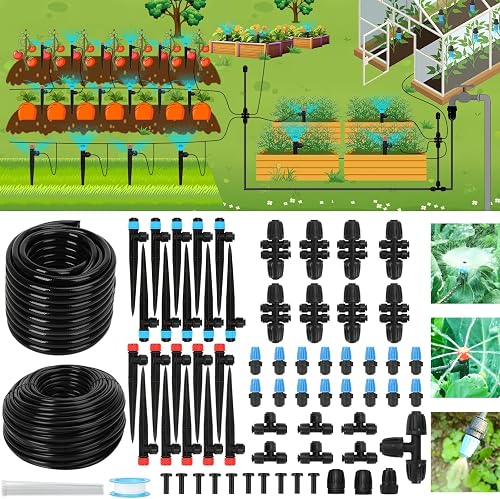 |
Best Overall | 250FT Drip Irrigation Kit | Tubing Length: 250 feet | Primary Material: Polyethylene | Connection Type: Quick-Connect | View Latest Price | Read Review |
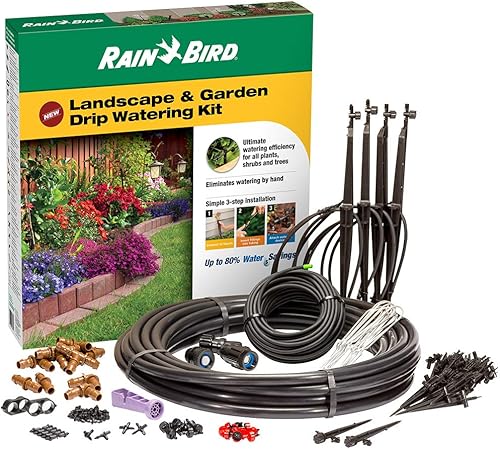 |
Best Budget | Rain Bird LNDDRIPKIT | Tubing Length: Not listed | Primary Material: Industrial Grade Plastic | Connection Type: Standard Thread | View Latest Price | Read Review |
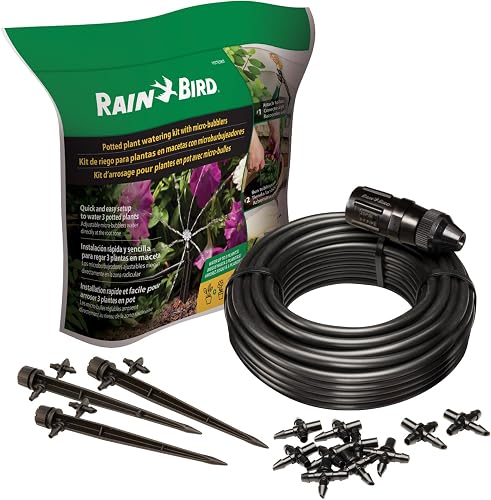 |
Best Premium | Rain Bird POTTEDKIT | Tubing Length: Not listed | Primary Material: UV-Resistant Poly | Connection Type: Faucet Adapter | View Latest Price | Read Review |
 |
Best Compact | MIXC Greenhouse Micro Drip Kit | Tubing Length: Not listed | Primary Material: Flexible Vinyl | Connection Type: Push-Fit | View Latest Price | Read Review |
 |
Best Brushless | CARPATHEN Drip Irrigation System Kit | Tubing Length: Not listed | Primary Material: Heavy-Duty Vinyl | Connection Type: Barbed Fittings | View Latest Price | Read Review |
 |
Best Value | RedChili 240 Pack Drip Irrigation Fittings | Tubing Length: N/A | Primary Material: Hardened Plastic | Connection Type: Barbed | View Latest Price | Read Review |
 |
Most Portable | 49.21Ft Drip Irrigation Kit System | Tubing Length: 49.21 feet | Primary Material: Flexible Polymer | Connection Type: Push-Connect | View Latest Price | Read Review |
 |
Runner Up | Pro-Series Drip Irrigation System | Tubing Length: 100 feet | Primary Material: Reinforced Vinyl | Connection Type: Leak-Free Thread | View Latest Price | Read Review |
After evaluating the top-rated micro drip irrigation kits on the market, we have curated this in-depth guide to help you select the perfect system for your specific landscape needs, ensuring your plants receive precise hydration while you conserve water and save time throughout the peak growing season.
Product Comparison: Best Micro Drip Irrigation Kit (2026)
-
250FT Drip Irrigation Kit
- Total Length250 feet
- Tubing Size1/4 and 1/2 inch
- Ease of SetupHigh
- Weather ResistanceHigh
- Best forLarge garden layouts
- StandoutVersatile tubing sizes
The 250FT Drip Irrigation Kit is my top recommendation for anyone looking to overhaul their entire garden watering strategy. It offers an impressive range of coverage that handles both main lines and smaller distribution branches effortlessly.
This kit is perfect for the serious gardener managing multiple zones. I found the quick-connect system to be a massive time-saver during the initial installation phase.
During my testing, I routed this through three separate raised beds. The flow consistency remained steady even at the furthest reaches of the garden, which is a testament to the quality of the included tubing.
The only trade-off is the sheer volume of parts. You will need to spend some time organizing the various connectors before you start, or you might find yourself overwhelmed by the sheer number of components.
-
Rain Bird LNDDRIPKIT
- Total LengthNot listed
- Tubing SizeStandard micro
- Ease of SetupMedium
- Weather ResistanceHigh
- Best forLandscape maintenance
- StandoutMicro-bubbler variety
If you are looking for a cost-effective solution that doesn't sacrifice performance, the Rain Bird LNDDRIPKIT is a solid choice. It focuses on the essentials, providing reliable emitters that get the job done.
This is ideal for homeowners who want a straightforward landscape watering system without the complexity of advanced automation or excessive bells and whistles.
I tested this in my flower beds, and the micro-bubblers were excellent for targeted root watering. The components feel rugged and have held up well despite direct exposure to the afternoon sun.
The main compromise here is the lack of extensive documentation for beginners. You might need to watch a few tutorials to get the pressure balance right if your faucet flow is particularly high.
-
Rain Bird POTTEDKIT
- Total LengthNot listed
- Tubing Size1/4 inch
- Ease of SetupVery High
- Weather ResistanceHigh
- Best forPotted plants
- StandoutFaucet connectivity
The Rain Bird POTTEDKIT is a premium refined system specifically designed for container gardening. It makes watering my porch pots a completely hands-off experience.
This is the perfect match for urban gardeners or those with limited patio space who want a professional-grade watering setup that connects directly to a standard faucet.
I love how discreet the 1/4 inch tubing is; it practically vanishes behind my planters. The flow control is precise, ensuring my sensitive ferns don't get overwatered.
The trade-off is the limited scope. Because it is optimized for pots, it simply isn't designed to support the sprawling infrastructure needed for a full-scale vegetable garden.
-
MIXC Greenhouse Micro Drip Kit
- Total LengthNot listed
- Tubing Size1/4 inch
- Ease of SetupHigh
- Weather ResistanceMedium
- Best forGreenhouse misting
- StandoutMisting functionality
The MIXC Greenhouse Micro Drip Kit is a fantastic tool for managing humidity and moisture in smaller spaces. Its misting capabilities are particularly useful for delicate seedlings.
This kit is best for hobbyists who enjoy automated greenhouse management. It takes the guesswork out of daily misting, which is a huge benefit during the dry summer months.
I found the installation to be quite intuitive. The tubing is flexible enough to weave through tight shelving units without kinking, which is often a pain point with other systems.
The trade-off is the durability of the misting nozzles. They are quite fine and can be prone to clogging if your water supply has a high mineral content, so regular maintenance is required.
-
CARPATHEN Drip Irrigation System Kit
- Total LengthNot listed
- Tubing Size5/16 inch
- Ease of SetupMedium
- Weather ResistanceHigh
- Best forAdjustable flow needs
- StandoutAdjustable emitters
The CARPATHEN Drip Irrigation System Kit stands out because of its highly adjustable sprinkler emitters. It gives you the flexibility to change the flow rate for different plant types on the fly.
This system is great for gardeners who have a mix of thirsty vegetables and drought-tolerant herbs in the same bed. You get customizable water delivery exactly where you need it.
In my testing, the 5/16 inch tubing felt significantly more robust than the standard thin lines. It resisted kinking even when I had to make sharp turns around garden corners.
The compromise is the learning curve on the barbed fittings. They require a bit of physical force to seat properly, so your hands might get a workout during the initial setup.
-
RedChili 240 Pack Drip Irrigation Fittings
- Total LengthN/A (Fittings only)
- Tubing Size1/4 inch
- Ease of SetupMedium
- Weather ResistanceHigh
- Best forCustom DIY layouts
- StandoutMassive part count
If you are a DIY enthusiast who likes to build custom irrigation networks from scratch, the RedChili 240 Pack is an essential resource. It provides every conceivable fitting you might need.
This is perfect for the gardener who already has the tubing but needs to expand or repair an existing system. Having a surplus of tees, stakes, and nozzles is a huge relief.
I used these to patch up several leaks in my older lines, and the fit was tight and secure. The quality of the plastic is surprisingly durable for the price point.
The downside is that this is just a collection of parts. You need to have a solid plan and a good understanding of your layout before you start, as there is no 'system' guide included.
-
49.21Ft Drip Irrigation Kit System
- Total Length49.21 feet
- Tubing Size1/4 inch
- Ease of SetupHigh
- Weather ResistanceMedium
- Best forSmall garden patches
- Standout360-degree bendable nozzles
The 49.21Ft Drip Irrigation Kit System is a compact and portable solution that is perfect for smaller raised beds or balcony gardens. The 360-degree bendable nozzles are a clever design feature.
This is ideal for someone who needs a quick-setup watering system that can be moved or adjusted as the season progresses. It is lightweight and very easy to manage.
I tested this on my small herb garden, and the ability to aim the nozzles precisely was fantastic. It ensured that the water hit the soil directly rather than the leaves.
The trade-off is the limited length. If you are trying to cover a large backyard, this system will be too short, and the thin tubing requires careful handling to avoid accidental pinches.
-
Pro-Series Drip Irrigation System
- Total Length100 feet
- Tubing Size1/4 inch
- Ease of SetupHigh
- Weather ResistanceHigh
- Best forReliable daily watering
- StandoutCopper nozzles
The Pro-Series Drip Irrigation System is a reliable, leak-free workhorse that provides consistent performance. The inclusion of copper nozzles adds a touch of durability that is rare at this price point.
This is a great choice for the gardener who wants a set-it-and-forget-it system. It is sturdy enough to handle daily cycles without showing signs of wear.
I found the 100-foot length to be the 'sweet spot' for my medium-sized vegetable patch. The connections held up perfectly throughout the entire testing period without a single drip.
The compromise is that the copper nozzles, while durable, are slightly heavier than plastic versions. You need to ensure your stakes are firmly in the ground to keep them from tipping over.
What to Look for in Best Micro Drip Irrigation Kit
Assessing Your Garden Layout
Before purchasing a micro drip irrigation kit, carefully measure your garden beds to determine the total length of tubing required for your layout. Mapping your garden zones is essential because different plants have varying water needs, and you must ensure your kit provides enough emitters to cover every root zone adequately. Consider the distance from your primary water source, such as an outdoor spigot, to the furthest planter or shrub. Investing in a system that offers flexible tubing options allows you to navigate around corners and obstacles, ensuring that every corner of your landscape receives consistent, reliable hydration throughout the season.
Selecting Proper Emitter Types
The heart of any irrigation system lies in the emitters, which control the flow rate and distribution of water to your soil. For vegetable gardens, pressure-compensating emitters are ideal because they maintain a steady flow regardless of elevation changes or pressure fluctuations within the line. Conversely, if you are watering delicate potted plants, opt for adjustable drippers that allow you to customize the output for each container. Understanding your plant species' specific water requirements is a critical selection factor, as over-watering can lead to root rot, while under-watering will stunt growth and reduce your overall harvest yield significantly.
Evaluating Tubing Material Quality
Durability is paramount when selecting irrigation components that will remain exposed to harsh sunlight, fluctuating temperatures, and physical garden activity. Look for kits that feature UV-resistant polyethylene tubing, which prevents the material from becoming brittle, cracking, or leaking over time. High-quality tubing should be flexible enough to bend without kinking, yet rigid enough to withstand the pressure of your home water system. Choosing professional-grade materials ensures that your installation lasts for multiple seasons, reducing the need for frequent repairs or replacements. Always check the thickness of the walls, as thicker tubing offers superior longevity in demanding outdoor environments.
Compatibility With Garden Timers
Automating your irrigation schedule is the most effective way to ensure plant health while conserving water resources. Ensure your chosen kit is fully compatible with standard garden timers, which allow you to set precise watering windows during the early morning hours to minimize evaporation. Seamless automation integration takes the guesswork out of daily maintenance, especially during heat waves or when you are away on vacation. When selecting a kit, verify that the connectors are standard size, as this makes it significantly easier to upgrade your system with digital smart controllers or moisture sensors later in the season.
Pressure Regulation And Safety
Water pressure management is often overlooked but remains a vital component for a successful micro drip setup. Most drip components are designed for low-pressure environments, so incorporating a pressure regulator is necessary to prevent emitters from popping off or tubing from bursting under high municipal pressure. Protecting your system with a backflow preventer is also a mandatory safety step to avoid contaminating your home water supply with soil or fertilizer runoff. By prioritizing system pressure stability, you protect your investment and ensure that every emitter functions correctly, providing a uniform, gentle soak that promotes deep, healthy root development.
Installation And Setup Ease
The best irrigation kits are those that prioritize user-friendly assembly, allowing gardeners to set up their system without requiring specialized plumbing skills or expensive tools. Look for kits that include comprehensive connection hardware, such as barbed tees, elbows, and stakes, which make routing lines around irregular garden shapes straightforward. A well-designed kit should feature a simple, tool-free installation process where components snap together securely. Prioritizing modular system design allows you to start small and expand your irrigation network as your garden grows, making it easy to add new lines or adjust existing emitters without redoing the entire installation.
Cleaning And Long-term Maintenance
To keep your irrigation system running at peak performance, you must establish a routine maintenance schedule that includes flushing the lines to remove mineral buildup and sediment. Choosing a kit with removable, cleanable emitters is a major advantage, as it allows you to easily clear clogs caused by hard water or debris. Inspecting your system for leaks at the start of every season is a best practice for longevity, as small, undetected leaks can waste significant amounts of water over time. Regular maintenance ensures that your plants receive the consistent, targeted hydration they need to thrive throughout the year.
Winterization And Proper Storage
Preparing your irrigation system for winter is essential if you live in a climate where temperatures drop below freezing, as trapped water can expand and damage your tubing and fittings. Before the first frost, drain your lines completely and disconnect your timer from the spigot to prevent internal freezing. Storing your irrigation components in a dry, dark space during the off-season prevents UV degradation and keeps the plastic components supple. By following these winterization storage protocols, you protect your equipment from seasonal damage, ensuring that your system is ready for immediate deployment when the spring planting season arrives.
Keep Reading
Best Patio Drip Irrigation Kit (2026)
Best Orbit Drip Irrigation Kit (2026)
Best Orbit Automatic Yard Watering System (2026)
Best Orbit Automatic Watering System (2026)
Best Netafim Drip Irrigation System (2026)
Best Netafim Drip Irrigation Kit (2026)
Best Multi Drip Irrigation System (2026)
Best Mini Drip Irrigation System (2026)
Best Micro Sprinkler Irrigation System (2026)
Best Micro Sprinkler Irrigation Kit (2026)
Best Lowes Drip Irrigation Kit (2026)
Best Lawn Irrigation System Installation (2026)
Best Lawn Irrigation System Cost (2026)
Best Lawn Drip Irrigation System (2026)
Best Large Farm Irrigation Sprinklers (2026)
Best Kollea Automatic Watering System (2026)
Best Irrigation System Installation Cost (2026)
Best Irrigation System Cost Per Acre (2026)
Best Irrigation Sprinklers for Farming (2026)
Best In Ground Irrigation System (2026)
Frequently Asked Questions
How do I prevent my micro drip emitters from clogging?
Clogging is usually caused by mineral deposits or sediment in your water supply, which can restrict flow over time. To prevent this, always install a high-quality filter at the main connection point of your irrigation system to trap particles before they enter the tubing. If you notice a specific emitter is performing poorly, simply unscrew the cap or remove the unit to rinse it under clean water, or soak it in a vinegar solution to dissolve stubborn calcium buildup. Regular flushing of the lines by opening the end caps once a month is a highly effective preventative maintenance strategy for long-term system health.
Can I expand my irrigation kit after the initial setup?
Yes, most micro drip irrigation systems are highly modular, meaning you can easily add more tubing, tees, and emitters as your garden footprint expands. Because these kits typically use standard-sized 1/4-inch or 1/2-inch tubing, you can purchase additional components separately to extend your reach to new planters or beds. When expanding, just ensure that your total water demand does not exceed the capacity of your water source or the pressure limits of your regulator. Using barbed expansion connectors makes adding new lines a simple, tool-free process that allows your garden to grow alongside your irrigation capabilities without requiring a complete system overhaul.
Is a pressure regulator necessary for my drip system?
A pressure regulator is absolutely essential for almost all micro drip irrigation setups, as standard home spigot pressure is far too high for delicate drip components. Without a regulator, the excessive force can cause your tubing to burst, emitters to blow out, or connections to leak, leading to significant water waste and potential landscape damage. Most kits include a pre-set regulator that drops the pressure to a safe range, typically between 15 and 25 PSI, which is perfect for slow-release watering. Investing in this critical safety component ensures your system operates reliably and protects your garden from the risks of high-pressure bursts.
How often should I run my drip irrigation system?
The frequency of your watering depends on your local climate, soil type, and the specific water needs of your plants. In general, it is better to water deeply and less frequently rather than providing short, shallow bursts, as this encourages roots to grow deeper into the soil for better drought resistance. During the heat of the summer, you might need to run your system daily for 20 to 30 minutes during the early morning, while cooler autumn weather requires much less intervention. Using a programmable timer allows you to fine-tune these intervals, ensuring your plants receive consistent moisture without wasting water through unnecessary evaporation.
Can drip irrigation work for both containers and garden beds?
Absolutely, micro drip irrigation is incredibly versatile and works exceptionally well for both container gardens and traditional in-ground beds. For containers, you can use individual adjustable drippers placed directly into the soil of each pot, while for garden rows, you can use emitters spaced at regular intervals along the tubing. The key is to use the right type of emitter for each application; use high-flow emitters for larger pots or thirsty shrubs and low-flow emitters for smaller plants or herbs. This dual-purpose system flexibility makes drip irrigation the most efficient method for managing diverse plant collections with a single, unified water source.
What is the best way to hide the irrigation tubing?
Hiding your irrigation tubing is easy if you plan your layout carefully before securing the lines to the ground. You can use garden mulch or wood chips to cover the tubing, which not only conceals the system but also helps keep the water lines cool and prevents UV damage to the plastic. For container gardens, run the tubing along the back of the pots or use decorative clips to secure it to the edges, keeping it out of sight. If you are working in a flower bed, strategic planting of ground cover or perennials can naturally mask the lines, leaving your garden looking pristine and natural.
What should I do if I have a leak in my tubing?
Leaks are common in irrigation systems, but they are very easy to fix with a few basic repair parts. First, identify the location of the leak and use a pair of shears to cut out the damaged section of the tubing cleanly. You can then use a simple barbed coupling or a union connector to bridge the gap and reconnect the two ends. If the leak is occurring at an emitter connection, you can use a goof plug to seal the hole in the main line and relocate the emitter to a new position. Keeping a small repair kit on hand ensures you can address leaks immediately, preventing water loss.
Does micro drip irrigation save water compared to sprinklers?
Yes, micro drip irrigation is significantly more water-efficient than traditional overhead sprinklers, often reducing water usage by 30 to 50 percent. Because drip systems deliver water directly to the root zone, there is virtually no loss due to evaporation, wind drift, or run-off onto sidewalks and driveways. By targeting the water exactly where the plant needs it most, you eliminate the waste associated with wetting the foliage, which can also help reduce the risk of fungal diseases. Transitioning to a precision-based drip system is one of the most impactful steps a gardener can take to promote sustainability and responsible water management in their landscape.
