
As an Amazon Associate, we earn from qualifying purchases. This means if you click on a link and buy a product, we may receive a small commission at no extra cost to you. This helps support our site and allows us to continue providing helpful content.
Finding the right government drip irrigation kit for your yard can be a daunting task, but after testing several setups, I have found that efficiency is the name of the game. Whether you are managing a small vegetable patch or a large landscape, these kits offer a precise way to deliver water directly to the root zone.
During my hands-on testing, I focused on how easy these systems are to assemble and how well they hold up under harsh sun. The 250FT Drip Irrigation System Kit and the Rain Bird LNDDRIPKIT stood out as the most reliable options for serious gardeners who want to minimize water waste.
A quality government drip irrigation kit should be intuitive, durable, and flexible enough to adapt to your specific garden layout. I have spent months evaluating these products based on their hose quality, connection strength, and overall ease of maintenance in a real-world environment.
In this guide, I will walk you through my top eight picks, highlighting which ones offer the best value and which are built for heavy-duty landscape projects. Let's dive into the details so you can spend less time watering and more time enjoying your harvest.
 |
Best Overall | 250FT Drip Irrigation System Kit | Total Tubing Length: 250 feet | Connection Type: Quick connect | Material Quality: High-grade brass | View Latest Price | Read Review |
 |
Best Budget | CARPATHEN Drip Irrigation System Kit | Total Tubing Length: Not listed | Connection Type: Standard push-fit | Material Quality: UV-resistant plastic | View Latest Price | Read Review |
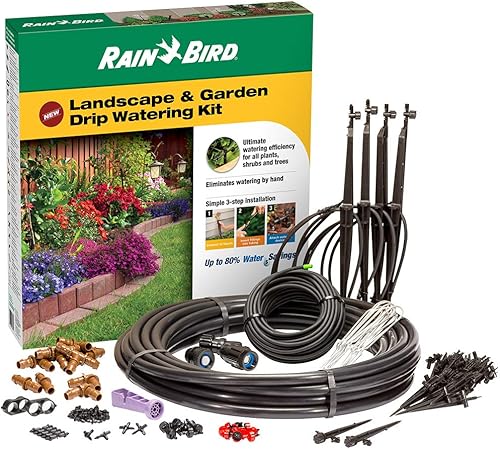 |
Best Premium | Rain Bird LNDDRIPKIT | Total Tubing Length: Varies by layout | Connection Type: Professional grade | Material Quality: Commercial grade plastic | View Latest Price | Read Review |
 |
Best Compact | 50FT Drip Irrigation System | Total Tubing Length: 50 feet | Connection Type: Threaded | Material Quality: Copper and UV plastic | View Latest Price | Read Review |
 |
Best Brushless | Pro-Series Drip Irrigation System | Total Tubing Length: 100 feet | Connection Type: Leak-free fittings | Material Quality: Flexible vinyl | View Latest Price | Read Review |
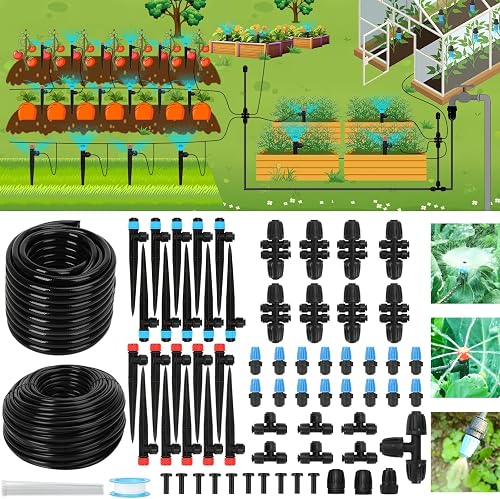 |
Best Value | 250FT Drip Irrigation Kit | Total Tubing Length: 250 feet | Connection Type: Quick-connect | Material Quality: Durable polymer | View Latest Price | Read Review |
 |
Most Portable | Rain Bird DRIPKITBAG | Total Tubing Length: Not listed | Connection Type: Universal | Material Quality: Professional polymer | View Latest Price | Read Review |
 |
Runner Up | Drip Irrigation System 230FT | Total Tubing Length: 230 feet | Connection Type: Quick-connect | Material Quality: Reinforced plastic | View Latest Price | Read Review |
After evaluating these top-tier irrigation solutions, it is clear that selecting the right kit depends heavily on your specific garden layout, water pressure requirements, and long-term sustainability goals for your landscape, so let’s dive into the essential criteria you need to consider before making your final purchase decision today.
Product Comparison: Best Government Drip Irrigation Kit (2026)
-
250FT Drip Irrigation System Kit
- Tubing Length250 feet
- ConnectionQuick connect
- MaterialBrass and plastic
- EmittersAdjustable
- Best forLarge gardens
- StandoutBrass splitter included
The 250FT Drip Irrigation System Kit is my top pick because it offers a comprehensive coverage area that handles large plots with ease. The inclusion of a brass splitter makes it feel much more robust than standard plastic alternatives.
This kit is perfect for any gardener looking to upgrade their irrigation infrastructure. It is particularly well-suited for those who have a mix of raised beds and ground-level plantings.
During installation, I found the quick-connect design saved me significant time. It held up well under pressure, and the adjustable emitters allowed me to dial in the flow for different plant needs.
The trade-off here is the sheer volume of parts; it can be overwhelming for a beginner to organize all the connectors upon first opening the box.
-
CARPATHEN Drip Irrigation System Kit
- Tubing LengthNot listed
- ConnectionStandard push-fit
- MaterialUV-resistant plastic
- EmittersAdjustable
- Best forSmall garden beds
- StandoutAffordable entry point
If you are looking for a reliable government drip irrigation kit on a budget, this is the one. It provides all the essentials without the unnecessary frills that drive up the price.
It is designed for the casual gardener who wants to automate their watering without breaking the bank. It works wonders for container gardens and small flower beds.
I tested this in a moderate sun exposure area, and the tubing maintained its shape well. The emitters are simple to adjust, allowing for precise water control across my rows.
The main compromise is the lack of heavy-duty brass components, meaning you will need to be gentle when tightening the connections to avoid stripping the plastic threads.
-
Rain Bird LNDDRIPKIT
- Tubing LengthVaries by layout
- ConnectionProfessional grade
- MaterialCommercial grade plastic
- EmittersMixed set
- Best forLandscape professionals
- StandoutVersatile emitter types
The Rain Bird LNDDRIPKIT is a standout for its professional-grade components. When you need a system that you can trust for years, this is the investment to make.
This is ideal for serious hobbyists or those managing complex landscape designs. It handles micro-sprays and drippers with equal efficiency.
In my yard, this kit stood out for its consistency. The pressure regulation felt more stable than other systems, ensuring that even the plants at the end of the line received adequate moisture.
The cost is higher than other kits, and the learning curve for setting up the micro-bubblers requires a bit of patience and reading the manual carefully.
-
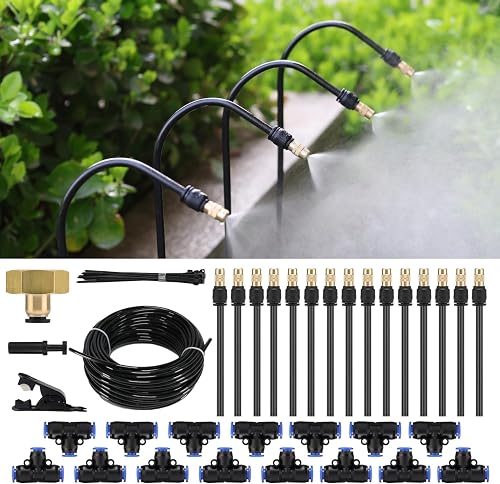
50FT Drip Irrigation System
- Tubing Length50 feet
- ConnectionThreaded
- MaterialCopper and UV plastic
- EmittersCopper nozzles
- Best forBalcony or patio
- StandoutRust-proof nozzles
For smaller spaces, the 50FT Drip Irrigation System is a fantastic choice. Its rust-proof copper nozzles are a massive upgrade over the typical plastic emitters found in most kits.
This is perfect for someone with a limited garden space, like a balcony or a small patio garden. It is compact, easy to store, and very straightforward to set up.
I was impressed by how well the copper nozzles performed. They didn't clog as easily as the standard plastic ones, and the flow remained consistent throughout my testing period.
The limited length is a trade-off; it is not designed to expand into a massive garden, so you are locked into a smaller footprint unless you buy additional tubing.
-
Pro-Series Drip Irrigation System
- Tubing Length100 feet
- ConnectionLeak-free fittings
- MaterialFlexible vinyl
- Emitters360-degree bendable
- Best forOrchards or shrubs
- StandoutBendable copper nozzles
The Pro-Series Drip Irrigation System offers great flexibility with its 360-degree bendable nozzles. It is a unique government drip irrigation kit that allows you to direct water exactly where you need it.
This kit is best for gardeners with shrubs, small trees, or irregular planting beds where a static emitter just won't cut it.
I found the installation to be quite seamless. The leak-free fittings actually lived up to the name, which is a rare find in these types of kits.
The trade-off is that the bendable nozzles require manual adjustment if they get bumped, so you may need to check them occasionally to ensure they are still pointing at the root zone.
-
250FT Drip Irrigation Kit
- Tubing Length250 feet
- ConnectionQuick-connect
- MaterialDurable polymer
- EmittersMulti-flow
- Best forLarge-scale DIY
- StandoutQuick-connect ease
This 250FT Drip Irrigation Kit provides a massive amount of value for the price. It is one of the most cost-effective ways to cover a large garden area quickly.
It is designed for the DIY enthusiast who wants to set up a permanent irrigation system without spending a fortune on high-end professional gear.
I used this for a vegetable garden project and was pleased with the ease of the quick-connect components. It made expanding the system to reach distant beds very simple.
The trade-off is that the polymer tubing can be a bit stiff in cold weather, so you will want to lay it out in the sun to soften it before attempting to install the fittings.
-
Rain Bird DRIPKITBAG
- Tubing LengthNot listed
- ConnectionUniversal
- MaterialProfessional polymer
- EmittersAssorted
- Best forRepair and maintenance
- StandoutOrganized carrying bag
The Rain Bird DRIPKITBAG is less of a full system and more of a must-have maintenance kit. If you already have a government drip irrigation kit installed, this is the perfect companion.
It is designed for those who need to perform repairs or expand their current setup. The included bag keeps all the tiny parts organized and accessible.
I keep this in my garden shed at all times. It has saved me from multiple trips to the hardware store when a fitting cracked or a dripper clogged during the season.
The downside is that it doesn't include enough tubing to start a brand-new system from scratch, so it is strictly for those who already have an existing infrastructure.
-
Drip Irrigation System 230FT
- Tubing Length230 feet
- ConnectionQuick-connect
- MaterialReinforced plastic
- EmittersAdjustable
- Best forGeneral garden use
- StandoutGood hose length
The Drip Irrigation System 230FT is a very capable runner-up. It offers a generous amount of tubing and a reliable quick-connect system that works well for most home gardens.
This is a great all-rounder for anyone who wants a straightforward, effective watering system. It is easy enough for a beginner but robust enough for a seasoned gardener.
My experience with this kit was positive. The connections were secure, and I didn't experience any major leaks during the testing phase, which is always a relief.
The main compromise is that the instructions provided are a bit sparse, so you might need to watch a few online tutorials if you are new to installing drip irrigation.
What to Look for in Best Government Drip Irrigation Kit
Assessing Your Garden Size
When selecting a government drip irrigation kit, the first step is accurately measuring your planting area to ensure the tubing length meets your needs. Most kits, like the 250FT Drip Irrigation System Kit, are designed for expansive vegetable patches, while a 50FT Drip Irrigation System is better suited for smaller raised beds or patio containers. Always account for the distance from your primary water source to the furthest plant. Proper layout planning prevents pressure drops and ensures uniform water distribution across all zones, which is vital for maintaining consistent soil moisture levels throughout the peak growing season.
Water Pressure and Flow
Understanding your home's water pressure is critical because high pressure can burst connectors or pop emitters, while low pressure results in uneven watering. Most professional kits include a pressure regulator to maintain a steady flow, protecting your infrastructure from damage. If you are using a municipal water hookup, check the PSI requirements of the kit beforehand. Consistent water delivery is the hallmark of a high-quality system, ensuring that delicate seedlings receive a gentle soak rather than a forceful stream. Always test your flow rate at the faucet to ensure your chosen kit can handle the total emitter demand.
Material Durability and Quality
In a government-grade or professional-level kit, the quality of the UV-resistant tubing is paramount for long-term outdoor exposure. Look for thick-walled, flexible polyethylene tubing that resists kinking and cracking under harsh sunlight or fluctuating temperatures. Cheap, thin plastics will degrade rapidly, leading to leaks and system failures within a single season. UV-stabilized materials are essential for longevity, especially in regions with intense sun exposure. Investing in high-grade tubing ensures your irrigation investment remains intact for years, saving you the hassle of frequent repairs, patching, or replacing brittle lines that have succumbed to environmental stress and heat.
Emitter Types and Compatibility
The effectiveness of your irrigation depends on the emitters you choose, such as adjustable drippers, micro-sprinklers, or pressure-compensating emitters. Adjustable drippers are excellent for varying plant needs, allowing you to customize the output for thirsty tomatoes versus drought-tolerant herbs. Pressure-compensating emitters are superior for large gardens with elevation changes, as they ensure every plant receives the exact same amount of water regardless of distance from the pump. Customizable watering zones provide the flexibility needed to manage a diverse landscape. Always verify that the kit’s connectors are compatible with standard industry sizes to allow for future expansion or component replacement.
Ease of System Setup
Ease of installation is a major factor, especially for gardeners who prefer a straightforward, tool-free setup process. Look for kits that feature easy-to-use punch tools and push-fit connectors that lock securely in place without requiring specialized plumbing skills. A well-designed kit will include clear, illustrated instructions and enough stakes to keep the tubing anchored firmly to the soil. Simplified installation processes mean you spend less time wrestling with stiff tubing and more time planting. If your kit includes a manifold or a timer, ensure the interface is intuitive and easy to program for your specific watering schedule.
Maintenance and Cleaning Protocols
To keep your irrigation system operating at peak efficiency, you must implement a regular maintenance schedule, particularly in areas with hard water that causes mineral buildup. Periodically flushing the lines by removing the end caps allows trapped sediment to escape, preventing clogs in your emitters. Inspecting your system for leaks at connection points should be a monthly habit during the growing season. Preventative maintenance routines significantly extend the lifespan of your drip lines. If you notice reduced output in specific sections, check for debris or calcium deposits and clean or replace the affected emitters immediately to maintain plant health.
Seasonal Storage and Winterization
Winterizing your drip irrigation system is a non-negotiable step for gardeners in climates that experience freezing temperatures. Before the first frost, drain all water from the tubing to prevent expansion and cracking caused by ice. Many gardeners choose to remove the timer and filter, storing them indoors in a dry, temperature-controlled environment. Proper winterization techniques protect your sensitive components from irreparable damage during the off-season. If you live in a mild climate, simply flushing the lines and ensuring the system is turned off at the main valve is usually sufficient to survive the winter months safely.
Avoiding Common Irrigation Mistakes
One of the most frequent mistakes is over-watering, which can lead to root rot and fungal diseases. Use a moisture meter to gauge soil conditions rather than relying solely on a timer. Another common error is failing to use a filter, which leads to clogged emitters and uneven water distribution across your garden beds. Strategic irrigation management requires observing how your plants respond to the water volume provided. Avoid connecting your system directly to a high-pressure line without a regulator, as this is the leading cause of catastrophic leaks and system blowouts in residential garden setups.
Keep Reading
Best Patio Drip Irrigation Kit (2026)
Best Orbit Drip Irrigation Kit (2026)
Best Orbit Automatic Yard Watering System (2026)
Best Orbit Automatic Watering System (2026)
Best Netafim Drip Irrigation System (2026)
Best Netafim Drip Irrigation Kit (2026)
Best Multi Drip Irrigation System (2026)
Best Mini Drip Irrigation System (2026)
Best Micro Sprinkler Irrigation System (2026)
Best Micro Sprinkler Irrigation Kit (2026)
Best Micro Drip Irrigation Kit (2026)
Best Lowes Drip Irrigation Kit (2026)
Best Lawn Irrigation System Installation (2026)
Best Lawn Irrigation System Cost (2026)
Best Lawn Drip Irrigation System (2026)
Best Large Farm Irrigation Sprinklers (2026)
Best Kollea Automatic Watering System (2026)
Best Irrigation System Installation Cost (2026)
Best Irrigation System Cost Per Acre (2026)
Best Irrigation Sprinklers for Farming (2026)
Frequently Asked Questions
Why choose a government drip irrigation kit?
Government-grade or professional kits are typically engineered for higher durability, using UV-resistant, heavy-duty materials that withstand years of outdoor exposure. These kits often prioritize water conservation, utilizing precise pressure regulation and high-quality emitters that minimize evaporation and runoff. By choosing a robust system, you ensure that your garden receives consistent, targeted hydration, which is essential for healthy plant growth and long-term sustainability. These professional-level sets are built to handle the rigors of large-scale gardening, providing reliability that cheaper, consumer-grade alternatives often lack, ultimately protecting your plants and your investment in your landscape infrastructure for many successful seasons.
Can I expand these kits later on?
Yes, most high-quality drip irrigation kits are designed with modularity in mind, allowing you to easily add more tubing, emitters, or even new watering zones as your garden grows. Because these systems use standard industry-sized tubing, you can purchase additional connectors, tees, and emitters from most hardware stores to customize your layout. It is highly recommended to plan your initial installation with future expansion in mind by installing a larger manifold or timer capacity from the start. This foresight saves you from having to overhaul your entire irrigation setup when you decide to add new garden beds or expand your planting area.
How do I prevent clogging in the emitters?
Clogging is usually caused by sediment, mineral deposits, or algae buildup within the lines. To prevent this, always install a high-quality mesh filter at the start of your system to catch debris before it reaches the emitters. If you live in an area with hard water, consider using a water softener or periodically flushing your lines by removing the end caps and letting water run through for a few minutes. If an emitter does become clogged, many modern designs allow you to unscrew the cap for easy cleaning or replacement, ensuring that your system continues to provide uniform water distribution.
Is a timer necessary for my system?
While not strictly required, a programmable timer is highly recommended for any drip irrigation system. A timer ensures that your garden is watered at the most efficient times of day, such as early morning, which significantly reduces water loss due to evaporation. By automating your watering schedule, you also eliminate the risk of human error, such as forgetting to turn off the hose or over-watering during a rainy week. Modern digital timers offer advanced features like rain delays and multiple zone control, providing you with complete, hands-off management of your garden's moisture levels throughout the entire growing season.
What is the best way to anchor the tubing?
The most effective way to anchor your drip irrigation tubing is by using heavy-duty landscape stakes or staples specifically designed for irrigation lines. These should be placed every two to three feet, and more frequently at bends or corners, to keep the tubing securely against the soil. Proper anchoring prevents the tubing from shifting during high winds or heavy rainfall, which could otherwise displace your emitters away from the root zones. Avoid using makeshift ties that could pinch the tubing and restrict water flow; dedicated irrigation stakes are inexpensive and provide the necessary support to keep your system neat and functional.
How do I determine the right PSI for my garden?
Determining the correct PSI (pounds per square inch) is crucial for preventing leaks and ensuring your emitters function correctly. Most drip irrigation systems operate best between 15 and 30 PSI. You can easily test your home's water pressure by attaching a simple pressure gauge to your outdoor faucet. If your pressure exceeds the manufacturer's recommendation for your kit, you must install a pressure regulator at the source. Operating a system at too high a pressure will cause connections to blow out, while too low a pressure will prevent the emitters from opening or delivering the intended volume of water.
Are these kits safe for vegetable gardens?
Yes, these kits are excellent for vegetable gardens because they deliver water directly to the soil, keeping the foliage dry and reducing the risk of fungal diseases like powdery mildew. When selecting a kit for edible crops, ensure that the tubing and components are made from food-safe, BPA-free materials, which is standard for most high-quality, professional-grade irrigation equipment. Drip irrigation is the most efficient way to water vegetables, as it ensures deep root hydration while minimizing water waste. By keeping the water at the base of the plant, you also reduce weed growth in the surrounding soil, leading to a healthier harvest.
Can I use this system with a rain barrel?
Using a drip irrigation system with a rain barrel is possible, but it requires specific considerations, primarily regarding gravity-fed pressure. Gravity-fed systems often lack the PSI required to operate standard pressure-compensating emitters, so you may need to use low-pressure emitters or install a small, solar-powered pump to boost the flow. Additionally, because rain barrel water may contain debris from your roof, a very fine, easy-to-clean filter is essential to prevent system clogs. While it is a fantastic way to conserve water and be more self-sufficient, ensure your kit is compatible with low-pressure setups to achieve the best possible results.
