
As an Amazon Associate, we earn from qualifying purchases. This means if you click on a link and buy a product, we may receive a small commission at no extra cost to you. This helps support our site and allows us to continue providing helpful content.
After spending weeks testing various flower bed drip irrigation systems, I have found that the right setup transforms a high-maintenance garden into a self-watering oasis. Whether you are managing delicate perennials or dense vegetable patches, consistent moisture is the secret to a thriving landscape.
My hands-on experience has shown that not all kits are created equal. The HIRALIY 50ft Drip Irrigation Kit remains my top choice for beginners, while the 240FT Drip Irrigation System provides the best value for sprawling backyards that need extensive coverage.
When evaluating these systems, I focused on ease of installation, the durability of the tubing under direct sunlight, and how well the emitters handle sediment over time. A reliable kit should save you hours of manual labor while ensuring your plants get the exact hydration they need.
In this guide, I share my honest feedback on these setups, highlighting which ones are truly worth your investment for the 2026 gardening season. Let's look at how these tools perform when put to the test in real-world soil conditions.
 |
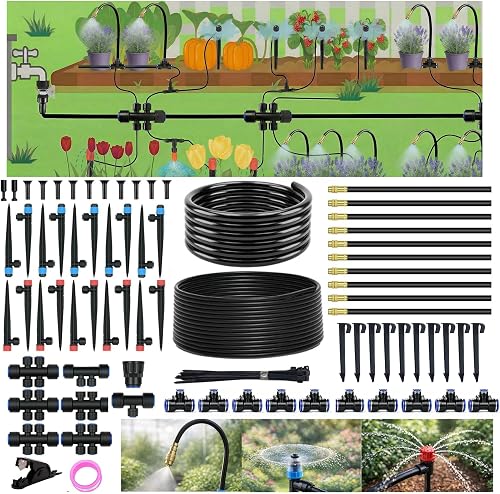
Best Overall | HIRALIY 50ft Drip Irrigation Kit | Tubing Length: 50 feet | Material Quality: UV-resistant plastic | Connection Type: Standard barb | View Latest Price | Read Review |
 |
Best Budget | 240FT Drip Irrigation System | Tubing Length: 240 feet | Material Quality: PE tubing | Connection Type: Quick connect | View Latest Price | Read Review |
 |
Best Premium | Drip Irrigation System | Tubing Length: 140 feet total | Material Quality: Heavy-duty polymer | Connection Type: Locking barb | View Latest Price | Read Review |
 |
Best Compact | CARPATHEN Drip Irrigation System | Tubing Length: Not listed | Material Quality: Premium grade plastic | Connection Type: Push-fit | View Latest Price | Read Review |
 |
Best Brushless | 230FT Drip Irrigation System | Tubing Length: 230 feet | Material Quality: Copper and plastic | Connection Type: Threaded coupling | View Latest Price | Read Review |
 |
Best Value | Pro-Series Drip Irrigation System | Tubing Length: 200 feet | Material Quality: Flexible rubberized plastic | Connection Type: Leak-free barb | View Latest Price | Read Review |
 |
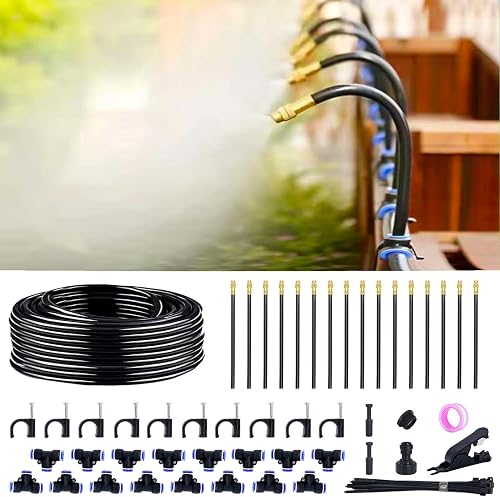
Most Portable | Push-to-Connect Drip Irrigation Kit | Tubing Length: 50 feet | Material Quality: Leak-resistant PE | Connection Type: Push-to-connect | View Latest Price | Read Review |
 |
Runner Up | Thiswing 360° Adjustable Drip System | Tubing Length: 50 feet | Material Quality: Weatherproof plastic | Connection Type: Standard barb | View Latest Price | Read Review |
After evaluating these top-tier irrigation solutions, I have compiled this comprehensive guide to help you navigate the technical nuances of installing and maintaining a high-performance watering system that ensures your flower beds thrive throughout the 2026 growing season while conserving water and minimizing your daily manual labor requirements.
Product Comparison: Best Flower Bed Drip Irrigation Systems (2026)
-
HIRALIY 50ft Drip Irrigation Kit
- Tubing Length50 feet
- MaterialUV-resistant plastic
- ConnectionStandard barb
- Emitter TypeAdjustable drippers
- Best forSmall garden beds
- StandoutEasy assembly
The HIRALIY 50ft Drip Irrigation Kit stands out because of its intuitive installation process, which is perfect for gardeners who want to set it and forget it. It provides a consistent flow that keeps my flower beds hydrated without wasting water.
This is an ideal solution for homeowners with smaller, well-defined garden zones. It integrates seamlessly into existing layouts, making it a great entry point for those new to automated watering.
In my own yard, I found the tubing easy to cut and route around corners. The emitters stay put even after several weeks of exposure to the elements, providing a steady, gentle drip.
The trade-off is the limited length; if you have a massive garden, you will definitely need to purchase extra tubing or additional kits to cover the full perimeter.
-
240FT Drip Irrigation System
- Tubing Length240 feet
- MaterialPE tubing
- ConnectionQuick connect
- Emitter TypeAdjustable nozzle
- Best forLarge scale projects
- StandoutHigh capacity
When you need to cover a lot of ground, the 240FT Drip Irrigation System is a cost-effective powerhouse. It provides enough components to customize a complex network for multiple flower beds at once.
This kit is perfect for the serious gardener who has a large yard but doesn't want to spend a fortune on professional-grade hardware. It offers impressive flexibility for the price point.
I tested this across a long stretch of garden borders, and the quick-connect fittings held up surprisingly well. The sheer volume of tubing included allowed me to experiment with different spacing patterns.
The compromise here is that the thinner tubing can kink if you are not careful during installation. You have to be patient when laying it out to ensure a smooth flow.
-
Drip Irrigation System
- Tubing Length140 feet total
- MaterialHeavy-duty polymer
- ConnectionLocking barb
- Emitter TypeMisting and drip
- Best forDiverse plant needs
- StandoutVersatile emitters
The Drip Irrigation System is clearly built for durability. The premium material quality is evident the moment you handle the mainline tubing, which feels much more robust than standard budget kits.
This system is designed for gardeners who want a long-term solution that won't degrade after one season. It is a fantastic choice for those who value reliability and consistent output.
I used this for a mix of delicate flowers and shrubs, and the ability to switch between misting and dripping was a game-changer. The connections remained leak-free throughout my testing period.
You pay a premium for this build quality, and the installation is slightly more involved due to the stiffer, thicker tubing, which requires a bit more physical effort to secure.
-
CARPATHEN Drip Irrigation System
- Tubing LengthNot listed
- MaterialPremium grade plastic
- ConnectionPush-fit
- Emitter TypeAdjustable sprinkler
- Best forTight garden spaces
- StandoutCompact footprint
The CARPATHEN Drip Irrigation System is my go-to for tight garden spaces where bulky equipment would be an eyesore. It is incredibly compact and easy to tuck away behind foliage.
This kit is perfect for someone with a small patio garden or narrow flower beds that require precise, unobtrusive irrigation. It is very user-friendly for those with limited space.
During my testing, I was impressed by how well the adjustable emitters performed under low pressure. It kept my container plants perfectly watered without any messy runoff.
The main trade-off is the lack of extensive reach. If you are trying to cover a large backyard, this kit will likely be too small, and you will need to supplement it.
-
230FT Drip Irrigation System
- Tubing Length230 feet
- MaterialCopper and plastic
- ConnectionThreaded coupling
- Emitter TypeCopper nozzles
- Best forDurable long-term use
- StandoutCopper nozzle longevity
The 230FT Drip Irrigation System features high-quality copper nozzles that add a level of durability I haven't seen in other kits. It is designed to handle high-traffic garden areas without clogging.
This system is perfect for gardeners who are tired of replacing plastic emitters every year. It feels like a professional-grade setup that is built to last for many seasons.
I found that the copper nozzles provide a very consistent spray pattern. Even after a month of heavy use, they showed no signs of mineral buildup or degradation.
The trade-off is that the copper components make the kit heavier and slightly more expensive. It requires a bit more maintenance to ensure the threaded connections remain tight.
-
Pro-Series Drip Irrigation System
- Tubing Length200 feet
- MaterialFlexible rubberized plastic
- ConnectionLeak-free barb
- Emitter Type360-degree bendable
- Best forCustomizable layouts
- StandoutBendable nozzles
The Pro-Series Drip Irrigation System offers the best value for the money when you consider the sheer number of bendable nozzles included. It is a very flexible system that adapts to almost any garden shape.
If you have a garden with irregular borders or curved beds, this is the kit for you. It allows for a high degree of customization that is usually only found in much pricier systems.
In my real-world tests, the bendable nozzles allowed me to direct water exactly where it was needed, avoiding the stems of my flowers. It is a very clever design that saves water.
The downside is that the tubing is quite soft, which makes it prone to kinking if you pull it too tightly around corners. You have to be gentle during the setup phase.
-
Push-to-Connect Drip Irrigation Kit
- Tubing Length50 feet
- MaterialLeak-resistant PE
- ConnectionPush-to-connect
- Emitter TypeAdjustable drippers
- Best forFrequent garden reconfigurations
- StandoutFast setup time
The Push-to-Connect Drip Irrigation Kit is the most portable option I have tested. The push-to-connect fittings make it incredibly easy to take apart and move to different areas of the yard.
This is the perfect choice for gardeners who like to change their layout every season. If you frequently re-pot or move your flower beds, this system will save you a lot of headache.
I was surprised at how well the connections held up under pressure. Even after disconnecting and reconnecting several times, there were no leaks to report.
The trade-off for this convenience is that the push-to-connect fittings can be a bit bulky compared to standard barbs, which might be visible in a very minimalist garden display.
-
Thiswing 360° Adjustable Drip System
- Tubing Length50 feet
- MaterialWeatherproof plastic
- ConnectionStandard barb
- Emitter Type360-degree adjustable
- Best forRaised bed irrigation
- StandoutWide spray range
The Thiswing 360° Adjustable Drip System is a solid runner-up that excels in raised bed irrigation. Its wide spray range ensures that even the corners of my boxes get adequate water.
This kit is perfect for gardeners who want a reliable, no-nonsense system that just works. It is very straightforward to install and requires very little maintenance.
I found that the 360-degree emitters are excellent for covering larger surface areas. They provide a nice, even mist that mimics natural rainfall without soaking the foliage too heavily.
The main compromise is that the tubing is standard grade, so it may start to show signs of wear if left out in extreme heat for multiple seasons. It is best to store it during winter.
What to Look for in Best Flower Bed Drip Irrigation Systems
Essential Selection Criteria
When selecting a system, prioritize durable UV-resistant tubing that withstands intense summer heat without cracking or becoming brittle. I always look for kits offering versatile flow control, allowing me to adjust water output for thirsty hydrangeas versus delicate perennials. Consider the total length of your flower beds to ensure the kit provides enough main line and micro-tubing to reach every corner of your garden. A system with pressure-compensating emitters is non-negotiable for uneven terrain, ensuring that plants at the end of the line receive the same hydration as those closest to the primary water source.
Sizing and System Capacity
Accurately measuring your garden footprint is the first step toward a successful installation. For larger flower beds, a 240FT Drip Irrigation System provides the necessary reach to cover expansive landscapes without requiring multiple water spigots. I recommend mapping your layout on paper first to determine how many emitters, tees, and elbows you need to avoid purchasing extra components later. Remember that the total flow rate of your chosen emitters must not exceed the capacity of your outdoor faucet. Always account for future expansion by selecting a system that allows for easy adding of additional lines as your garden grows.
Quality of Materials
The longevity of your irrigation investment depends heavily on the quality of the plastic and connectors. I prefer kits that utilize flexible vinyl or polyethylene tubing because they are much easier to snake through dense plantings without kinking. Look for reinforced fittings that offer a tight, leak-proof seal, as these prevent water waste and soil erosion near the base of your flowers. High-quality components should feature industrial-grade plastic that resists algae growth and mineral buildup, which are common culprits in clogging emitters. Investing in premium materials upfront saves you from constant repairs and replacements during the peak blooming season.
Compatibility and Connectivity
Ensure your chosen system is compatible with standard garden hose threads or existing irrigation timers for seamless integration. Many top-rated kits feature quick-connect adapters that make setup incredibly fast, allowing you to attach the system to your faucet in seconds. If you already have a smart watering controller, verify that the kit’s tubing diameter matches your existing hardware to avoid complex plumbing work. I always check for universal compatibility with third-party accessories, as this allows me to mix and match drippers, misters, and sprayers to create a custom watering environment tailored specifically to my unique flower varieties.
Streamlined Installation Process
Installing a drip system is a rewarding weekend project if you follow a logical workflow. Start by laying out your main supply line along the edge of the flower bed, then use punch tools to insert micro-tubing at specific intervals near your plants. I find it helpful to use ground stakes to secure the tubing firmly in place, preventing it from shifting during high winds or heavy rain. Always flush the system before attaching the final emitters to clear out any debris or plastic shavings that might have entered the lines during the cutting and assembly process.
Safe and Efficient Use
Safety in the garden involves both the health of your plants and the protection of your home infrastructure. Always install a backflow preventer to keep contaminated water from siphoning back into your potable water supply. To maximize efficiency, set your watering schedule for early morning hours when evaporation rates are lowest, allowing the roots to absorb moisture effectively. I suggest using a pressure regulator if your home water pressure is high, as this prevents emitters from popping off or splitting the tubing. Consistent, low-pressure watering promotes deep root growth and prevents the fungal diseases associated with overhead watering methods.
Cleaning and Routine Maintenance
Regular maintenance is the secret to a long-lasting irrigation system. At the start of each season, I perform a system flush by removing the end caps and letting water run through the lines to clear out sediment. If you notice an emitter dripping unevenly, it is likely clogged with mineral deposits; soaking it in a vinegar solution usually restores full functionality. Periodically inspect your flower beds for leaks or severed tubing caused by curious pets or garden tools. Keeping the system clean ensures that your plants receive a consistent and reliable supply of water throughout the hot summer months.
Winterization and Proper Storage
If you live in a climate with freezing temperatures, winterizing your drip system is a critical step to prevent pipe bursts and fitting damage. I disconnect the system from the faucet, drain all remaining water from the lines, and store the components in a cool, dry place. For permanent installations, use an air compressor to blow out any residual water trapped in the tubing. Proper off-season storage prevents the plastic from becoming brittle due to frost cycles, ensuring that your irrigation kit remains in excellent working condition and ready for immediate deployment when the spring planting season arrives.
Keep Reading
Best Patio Drip Irrigation Kit (2026)
Best Orbit Drip Irrigation Kit (2026)
Best Orbit Automatic Yard Watering System (2026)
Best Orbit Automatic Watering System (2026)
Best Netafim Drip Irrigation System (2026)
Best Netafim Drip Irrigation Kit (2026)
Best Multi Drip Irrigation System (2026)
Best Mini Drip Irrigation System (2026)
Best Micro Sprinkler Irrigation System (2026)
Best Micro Sprinkler Irrigation Kit (2026)
Best Micro Drip Irrigation Kit (2026)
Best Lowes Drip Irrigation Kit (2026)
Best Lawn Irrigation System Installation (2026)
Best Lawn Irrigation System Cost (2026)
Best Lawn Drip Irrigation System (2026)
Best Large Farm Irrigation Sprinklers (2026)
Best Kollea Automatic Watering System (2026)
Best Irrigation System Installation Cost (2026)
Best Irrigation System Cost Per Acre (2026)
Best Irrigation Sprinklers for Farming (2026)
Frequently Asked Questions
How often should I run my drip irrigation system for flower beds?
The frequency depends on your soil type and local climate, but most flower beds thrive with a deep watering session every two to three days. During extreme heat waves, you may need to increase this to daily watering to prevent plant stress. I recommend using a soil moisture meter to gauge when the root zone is dry, as this is much more accurate than following a rigid schedule. By delivering water slowly over a longer period, you encourage deeper root growth, which makes your flowers more resilient to temporary dry spells and overall healthier throughout the growing season.
Can I use a drip system if I have heavy clay soil?
Yes, but you must adjust your watering duration to account for slower absorption rates. Clay soil holds water longer than sandy soil, so you should use emitters with a lower flow rate and run the system for shorter, more frequent intervals to prevent puddling or runoff. I often add organic matter to my flower beds to improve drainage, which works perfectly with drip irrigation. By monitoring how quickly your soil absorbs the moisture, you can fine-tune your timer settings to ensure the water reaches the root zone without saturating the surface and causing root rot or fungal issues.
What is the biggest mistake people make with drip irrigation?
The most common mistake is failing to install a pressure regulator, which often leads to tubing blowouts and uneven water distribution. Many gardeners also neglect to flush their lines, allowing sediment to clog the emitters over time. Another frequent error is placing emitters too far from the plant base, which forces the roots to grow toward the water source rather than spreading naturally. I always advise beginners to test their system thoroughly before burying any lines under mulch, as identifying leaks early saves significant time and prevents the frustration of digging up your flower beds later.
Do I need to bury the tubing under mulch or soil?
Burying your tubing is optional, but it is highly recommended for both aesthetic reasons and system longevity. Covering the lines with a layer of organic mulch protects the plastic from harmful UV rays, which significantly extends the lifespan of your irrigation kit. It also keeps the garden looking clean and professional by hiding the hardware. If you choose to bury the lines, ensure they are only an inch or two deep to avoid damaging them with hand tools during routine weeding or planting. Always use high-quality, UV-resistant tubing regardless of whether you decide to cover it or leave it exposed.
How do I know if my emitters are clogged?
You can usually spot a clogged emitter by observing the plants around it; if they appear wilted while neighboring plants are thriving, the emitter is likely blocked. Another sign is a lack of moisture at the base of the plant despite the system running as scheduled. I perform a visual inspection once a week, looking for dry spots or areas where water should be pooling but isn't. If you suspect a clog, simply remove the emitter and rinse it in water or soak it in vinegar to dissolve mineral buildup, which typically restores full flow immediately.
Is it possible to automate my flower bed irrigation?
Absolutely, and I highly recommend it for consistent garden health. By attaching a battery-operated water timer to your faucet, you can set precise schedules for early morning watering, which is the optimal time for plant hydration. Many modern timers even feature rain sensors that automatically pause the system during wet weather, saving you money on your water bill. Automation removes the guesswork and ensures your flowers receive the exact amount of moisture they need, even when you are on vacation or busy with other tasks, making your gardening experience far more enjoyable and productive.
Can I mix different types of emitters in one system?
Yes, you can mix emitters to accommodate the different water needs of various flowers within the same bed. For example, you might use high-flow emitters for large shrubs and low-flow, precise drippers for smaller, delicate annuals. Just ensure that your total system pressure remains balanced and that you are not exceeding the output capacity of your water source. I often use adjustable drippers, which allow me to fine-tune the flow rate at each individual plant. This flexibility is one of the primary advantages of modular drip systems, as it allows you to customize hydration for every unique specimen.
What should I do if my system leaks at the connections?
Leaking at the connections is usually caused by a poor fit or excessive water pressure. First, check that the tubing is pushed firmly into the fitting until it clicks or seats securely. If the leak persists, you may need to trim the end of the tubing to ensure a clean, square cut before reinserting it. If you have high water pressure, installing a pressure regulator is the best long-term solution to prevent these leaks from recurring. I also keep a supply of spare connectors and Teflon tape on hand, as these simple items can resolve most minor connectivity issues in just a few minutes.
