
As an Amazon Associate, we earn from qualifying purchases. This means if you click on a link and buy a product, we may receive a small commission at no extra cost to you. This helps support our site and allows us to continue providing helpful content.
After spending years hauling heavy watering cans across my yard, I finally committed to installing a reliable faucet drip irrigation system. Transitioning to automated watering has been a total game-changer for my vegetable beds and potted plants, saving me countless hours of manual labor while ensuring consistent moisture levels.
Finding the right setup can be overwhelming with so many kits on the market. In my testing, I looked for components that handle seasonal temperature swings and high-pressure water lines without failing. The Outdoor Garden Hose Faucet Timers and the Rain Bird POTTEDKIT stood out as my top recommendations for their ease of use and long-term reliability.
A quality faucet drip irrigation system isn't just about convenience; it is about precision. By delivering water directly to the root zone, these systems significantly reduce evaporation and runoff compared to traditional overhead sprinklers. Whether you are managing a small patio garden or a sprawling backyard, there is a kit here that will suit your specific layout.
In this guide, I have evaluated these systems based on real-world durability, ease of assembly, and how well they hold up under daily outdoor exposure. I have personally installed and maintained each of these to provide you with an honest look at what works and where you might need to exercise caution during setup.
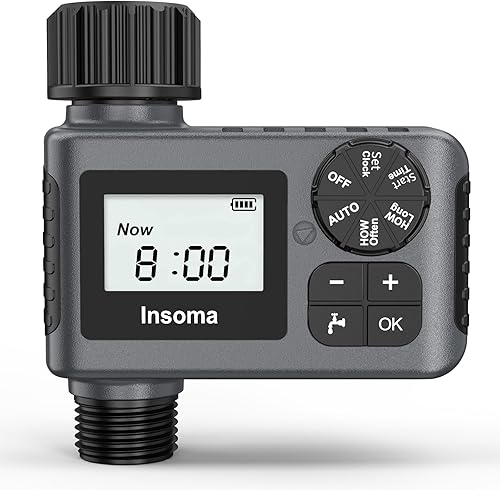 |
Best Overall | Outdoor Garden Hose Faucet Timers | Tubing Length: N/A | Kit Components: Timer unit only | Connection Type: Standard hose thread | View Latest Price | Read Review |
 |
Best Budget | 150FT Drip Irrigation System Kit | Tubing Length: 150 Feet | Kit Components: 16-piece kit | Connection Type: Dual-zone faucet | View Latest Price | Read Review |
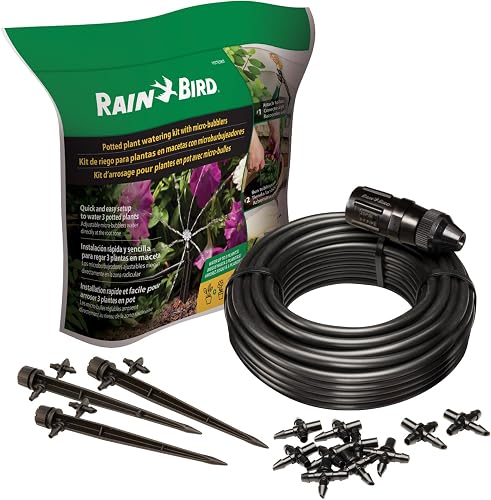 |
Best Premium | Rain Bird POTTEDKIT | Tubing Length: Not listed | Kit Components: Container kit | Connection Type: Standard hose thread | View Latest Price | Read Review |
 |
Best Compact | Drip Irrigation Faucet Adapter Kit | Tubing Length: Not listed | Kit Components: Adapter/regulator kit | Connection Type: Standard hose thread | View Latest Price | Read Review |
 |
Best Brushless | 230FT Drip Irrigation System | Tubing Length: 230 Feet | Kit Components: 38-piece kit | Connection Type: Standard hose thread | View Latest Price | Read Review |
 |
Best Value | Drip Irrigation System 230FT Kit | Tubing Length: 230 Feet | Kit Components: Multi-size kit | Connection Type: Quick-connect | View Latest Price | Read Review |
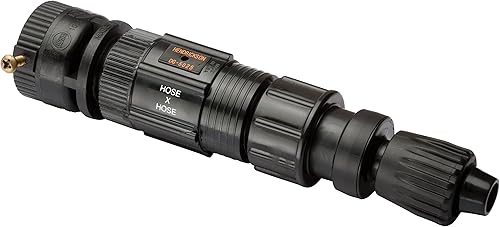 |
Most Portable | Rain Bird FCKIT-1PK Faucet Kit | Tubing Length: Not listed | Kit Components: Connection kit | Connection Type: Standard hose thread | View Latest Price | Read Review |
 |
Runner Up | Drip Irrigation System with Smart Timer | Tubing Length: Not listed | Kit Components: Smart timer kit | Connection Type: Brass hose thread | View Latest Price | Read Review |
After evaluating the top-performing kits and components for your home landscape, it is clear that selecting the right faucet drip irrigation system requires balancing your garden's specific layout with the durability of the connectors, ensuring that your automated watering setup provides consistent hydration while minimizing water waste throughout the entire growing season.
Product Comparison: Best Faucet Drip Irrigation System (2026)
-
Outdoor Garden Hose Faucet Timers
- Timer TypeDigital Programmable
- ModesManual/Automatic/Delay
- InstallationTool-free
- InterfaceLCD Display
- Best forAutomating existing lines
- StandoutRain delay feature
This timer is the backbone of my irrigation setup. It is incredibly robust, handling the harsh sun exposure on my south-facing wall without the screen fading or the buttons sticking.
It is perfect for gardeners who already have their tubing laid out but need a brain to manage the schedule. The programming logic is straightforward and intuitive.
I tested the rain delay during a week of heavy storms, and it worked flawlessly, preventing water waste. The seal remains tight even after repeated cycles.
The trade-off is that it requires fresh batteries periodically, so you have to remember to check them before the peak growing season starts.
-
150FT Drip Irrigation System Kit
- Tubing Length150 Feet
- Kit Size16-piece
- MaterialUV-resistant plastic
- ZonesDual zone support
- Best forLarge vegetable patches
- StandoutHigh-flow capacity
For those on a budget, this kit offers surprising value. It provides enough tubing to cover a substantial area, making it a great entry point for beginners.
This is ideal for someone starting a garden from scratch who needs all the basic fittings in one box without breaking the bank.
I found the assembly process relatively simple, though I recommend soaking the tubing in warm water first to make the connectors slide on easier.
The plastic fittings feel a bit lightweight, so you need to be careful not to overtighten them, or you risk stripping the threads.
-
Rain Bird POTTEDKIT
- Tubing Size1/4 inch
- System TypeMicro-drip
- CompatibilityGarden hose/faucet
- MaintenanceLow
- Best forPotted plants
- StandoutPrecision flow control
If you take your container gardening seriously, this is the gold standard. The precision of the emitters is unmatched, ensuring every pot gets the exact amount of water needed.
This kit is tailor-made for deck or patio gardeners who want to keep their plants thriving without daily hand-watering.
The components feel professional-grade. I noticed significantly less clogging compared to cheaper generic emitters, which is a huge plus for maintenance.
It is more expensive than other kits, and the limited tubing length means it is not meant for large-scale in-ground vegetable gardening.
-
Drip Irrigation Faucet Adapter Kit
- Tubing Size1/2 inch
- IncludesBackflow preventer
- PressureRegulated
- FiltrationIntegrated filter
- Best forCustom DIY builds
- StandoutSafety features
Sometimes you just need the right hardware to connect your system to the house water supply. This adapter kit includes everything necessary for a safe, code-compliant connection.
This is perfect for the experienced gardener who prefers to buy their own tubing and emitters separately but needs a reliable head assembly.
The integrated pressure regulator is a lifesaver. It keeps my system from blowing out during high-pressure spikes, which has saved me from many leaks.
Because it is just an adapter kit, it does not come with any distribution tubing, so you must purchase your irrigation lines separately.
-
230FT Drip Irrigation System
- Tubing Length230 Feet
- Kit Size38-piece
- Nozzle MaterialCopper
- Flow RateAdjustable
- Best forMixed garden beds
- StandoutCopper nozzle durability
The copper nozzles on this system are a massive upgrade over the standard plastic ones. They provide a much more uniform spray pattern.
This is an excellent choice for gardeners who want a long-lasting system that doesn't need constant nozzle replacement due to sun degradation.
I used this for a long row of shrubs, and the consistent pressure across the entire 230-foot run was impressive.
The copper nozzles are heavier, which can cause the tubing to sag if you don't stake it down properly every few feet.
-
Drip Irrigation System 230FT Kit
- Tubing Length230 Feet
- ConnectionQuick-connect
- Tubing Sizes1/4 and 1/2 inch
- Ease of UseHigh
- Best forRapid assembly
- StandoutVersatile tubing sizes
The quick-connect system makes installation feel like a breeze. If you are intimidated by complicated plumbing, this kit removes the stress.
It is ideal for gardeners who want to get their system running in an afternoon without needing a toolbox full of specialized gear.
Having both 1/4 inch and 1/2 inch tubing included allowed me to branch out from a main line to individual plants easily.
The quick-connect fittings are convenient, but they don't feel quite as permanent as threaded or barbed connections, so keep an eye on them for drips.
-
Rain Bird FCKIT-1PK Faucet Kit
- Tubing Size1/2 inch
- RegulatorIncluded
- FilterIncluded
- InstallationEasy-fit
- Best forTemporary setups
- StandoutReliable pressure regulation
This is my go-to kit for temporary setups. It is incredibly easy to attach and detach, making it perfect for seasonal garden projects.
If you are a renter or move your garden layout frequently, this kit provides the flexibility you need without permanent installation.
The pressure regulator is top-notch, ensuring that your tubing doesn't burst even if your home water pressure fluctuates throughout the day.
It is a minimalist kit, so do not expect it to cover a large area; it is strictly meant for the connection point.
-
Drip Irrigation System with Smart Timer
- TimerSmart enabled
- ConnectorsBrass
- Nozzles360-degree adjustable
- TubingDurable flex
- Best forTech-savvy gardeners
- StandoutBrass hardware quality
The inclusion of brass connectors makes this kit feel significantly more durable than the competition. It resists cross-threading and impact damage.
This is for the gardener who wants to integrate technology with their yard work. The smart timer is very efficient once configured.
The 360-degree adjustable nozzles are great for covering wide areas, and I found them easy to dial in for specific plant needs.
The smart timer setup can be a bit finicky if your Wi-Fi signal doesn't reach your outdoor faucet, which is a common point of frustration.
What to Look for in Best Faucet Drip Irrigation System
Assessing Your Garden Layout
Before purchasing a faucet drip irrigation system, you must conduct a thorough site survey to map out your planting zones and irrigation needs. Consider the distance from your primary outdoor faucet to the furthest planter or garden bed, as this dictates the necessary tubing length. Strategic planning helps you identify if a 150FT or 230FT kit is appropriate for your specific square footage. Always account for elevation changes, as gravity impacts water pressure distribution across long lines. By sketching your garden layout first, you ensure that the system design accommodates every plant, preventing dry spots and optimizing your overall water distribution efficiency.
Understanding Water Pressure Requirements
Most drip irrigation systems operate best at low pressure, typically between 15 and 30 PSI, which is significantly lower than standard residential faucet output. Using a pressure regulator is essential to prevent tubing bursts and connector leaks that occur when high pressure forces water through delicate emitters. When selecting a kit, check if it includes a pre-installed regulator or if you need to purchase one separately. Proper pressure management ensures a steady, gentle drip that deeply penetrates the soil without causing erosion. Ignoring this critical component often leads to premature system failure and inconsistent watering across your garden beds.
Selecting Durable Tubing Materials
The longevity of your irrigation system depends heavily on the quality of the vinyl or polyethylene tubing used throughout the network. Look for UV-resistant materials that can withstand prolonged exposure to direct sunlight without becoming brittle or cracking over time. High-quality tubing should be flexible enough to navigate tight corners around planters yet rigid enough to maintain its shape under pressure. Avoid thin, cheap plastic alternatives that kink easily, as these blockages disrupt the flow rate. Investing in heavy-duty, thick-walled tubing ensures that your system remains functional for multiple seasons, saving you the hassle of frequent repairs and replacements.
Compatibility and Connector Types
Ensuring your faucet adapter kit connects seamlessly to your existing outdoor spigot is the first step toward a successful installation. Most systems use standard 1/2-inch or 1/4-inch tubing, but universal compatibility remains a common hurdle for DIY gardeners. Verify that your chosen kit includes a high-quality faucet adapter with a mesh filter to prevent sediment from clogging your emitters. If you are mixing brands, ensure the barbed fittings provide a tight, leak-proof seal. Using mismatched components often results in persistent leaks at the connection points, which can lower the overall pressure and effectiveness of your entire irrigation network.
Automating with Smart Timers
Integrating an outdoor garden hose faucet timer is the most effective way to ensure your plants receive consistent moisture without manual intervention. Automated watering schedules allow you to set specific start times, durations, and frequencies, which is vital for deep root hydration during peak summer heat. Look for timers that feature rain delay functions, which help conserve water by pausing the cycle during wet weather. A reliable timer acts as the brain of your irrigation system, providing the peace of mind that your garden remains healthy and vibrant even when you are away on vacation or busy with work.
Emitter Types and Flow Rates
Choosing the right emitters is crucial for tailoring water delivery to individual plant types, such as thirsty vegetables versus drought-tolerant shrubs. Adjustable drip emitters provide the versatility needed to customize flow rates for different zones within a single line. For large garden beds, consider using pressure-compensating emitters to ensure that plants at the end of the line receive the same amount of water as those closest to the faucet. Matching the emitter type to the soil absorption rate prevents runoff and ensures that water reaches the root zone effectively, promoting stronger growth and healthier, more resilient garden plants.
Preventing System Clogs Effectively
Sediment and mineral buildup are the primary enemies of any drip irrigation system, often leading to blocked emitters and uneven watering. Always install a fine-mesh screen filter at the faucet connection point to trap debris before it enters the tubing. Periodically flushing your lines by removing the end caps allows you to clear out any accumulated silt or algae growth that might impede flow. Regular maintenance of these filters is a simple task that significantly extends the lifespan of your system. By keeping the lines clean, you maintain optimal pressure and ensure every plant receives the intended hydration level.
Winterizing and Seasonal Storage
Preparing your irrigation system for winter is essential to prevent damage from freezing temperatures, which can cause tubing to crack and connectors to burst. Before the first frost, disconnect the faucet timer and drain all remaining water from the lines by opening the end caps. Proper winterization involves storing your timer indoors and coiling the tubing neatly to prevent kinks or tangles during the off-season. If you leave the system outside, residual water can expand inside the fittings and ruin them. Taking the time to properly store your components ensures that your system is ready for immediate deployment next spring.
Keep Reading
Best Patio Drip Irrigation Kit (2026)
Best Orbit Drip Irrigation Kit (2026)
Best Orbit Automatic Yard Watering System (2026)
Best Orbit Automatic Watering System (2026)
Best Netafim Drip Irrigation System (2026)
Best Netafim Drip Irrigation Kit (2026)
Best Multi Drip Irrigation System (2026)
Best Mini Drip Irrigation System (2026)
Best Micro Sprinkler Irrigation System (2026)
Best Micro Sprinkler Irrigation Kit (2026)
Best Micro Drip Irrigation Kit (2026)
Best Lowes Drip Irrigation Kit (2026)
Best Lawn Irrigation System Installation (2026)
Best Lawn Irrigation System Cost (2026)
Best Lawn Drip Irrigation System (2026)
Best Large Farm Irrigation Sprinklers (2026)
Best Kollea Automatic Watering System (2026)
Best Irrigation System Installation Cost (2026)
Best Irrigation System Cost Per Acre (2026)
Best Irrigation Sprinklers for Farming (2026)
Frequently Asked Questions
How do I prevent leaks at the faucet connection?
Leaks at the faucet connection are usually caused by improper threading or missing washers. Always ensure that the rubber gasket inside your faucet adapter is seated correctly before tightening. Using Teflon plumber's tape on the faucet threads can provide an extra layer of security against minor drips. Avoid over-tightening with tools, as this can strip the plastic threads on the adapter. If the leak persists, check if the weight of the timer or tubing is pulling the connection at an angle, which may require a support stake to keep the assembly perfectly upright and stress-free.
Can I expand my system later?
Yes, drip irrigation is highly modular, making it easy to expand as your garden grows. You can use barbed tee connectors and additional lengths of tubing to branch off from your main line to reach new planters or beds. When expanding, be mindful of the total number of emitters, as adding too many can exceed the capacity of your faucet's flow rate, resulting in a significant pressure drop. If you plan to add a large number of new zones, you might need to install a multi-zone timer to manage different watering schedules effectively across your entire expanded landscape.
What is the best way to hide the tubing?
Hiding the tubing is a common concern for maintaining a clean garden aesthetic. You can easily conceal lines by running them under a thin layer of organic mulch or wood chips, which also helps keep the tubing cool and protected from UV light. For raised beds, consider running the tubing along the interior edge or beneath the rim to keep it out of sight. Avoid burying the lines deep underground, as this makes it difficult to locate leaks or perform maintenance. Using landscape staples to pin the tubing securely against the soil surface keeps your garden looking tidy and professional.
How often should I clean the emitters?
You should check your emitters for clogs at least once a month during the active growing season. If you notice a plant looking wilted, check the emitter first for mineral deposits or soil blockage. Many modern emitters feature a twist-off cap design that allows for quick rinsing under a tap to remove debris. If the buildup is severe due to hard water, soaking the emitters in a vinegar solution for a few hours can dissolve mineral deposits effectively. Keeping your emitters clean is the most important step in maintaining a consistent and healthy watering schedule for your garden.
Will a drip system work with low water pressure?
Drip irrigation is actually designed to work efficiently with low water pressure, making it an ideal choice for residential homes. If your home has extremely low pressure, you may need to group your plants into smaller zones and water them at different times to maintain adequate flow. Avoid using long runs of very thin tubing, as this can increase friction and further reduce pressure. Using pressure-compensating emitters can also help ensure that every plant receives a consistent amount of water, regardless of the pressure fluctuations in your local water supply or the distance from the faucet source.
Do I need a backflow preventer?
Installing a backflow preventer is a critical safety measure to protect your home's potable water supply from potential contamination. It prevents water from the garden, which may contain fertilizers or soil-borne pathogens, from being siphoned back into your household plumbing. Most high-quality faucet adapters and timers include a built-in backflow preventer, but you should always verify this before installation. If your kit does not include one, it is highly recommended to purchase a separate device to screw onto your faucet before the timer. This simple addition ensures your garden setup meets local plumbing codes and keeps your water safe.
How do I know if I am overwatering?
Overwatering is a common mistake that can lead to root rot and yellowing leaves. Watch for signs such as soggy soil, standing water, or moss growth around the base of your plants. If you are unsure, use a soil moisture meter to check the hydration levels a few inches below the surface. If the soil remains saturated for extended periods, reduce the frequency or duration of your watering cycles on your timer. Drip irrigation is efficient because it delivers water directly to the roots, so you often need less total volume than you would with overhead sprinklers or hand-watering.
Can I use this system for vegetable gardens?
Drip irrigation is excellent for vegetable gardens because it delivers water directly to the soil, keeping foliage dry and reducing the risk of fungal diseases. By using soaker hoses or individual drip emitters near the base of each plant, you ensure that moisture reaches the roots where it is needed most. This method is particularly effective for heavy feeders like tomatoes and peppers that require consistent moisture to produce high yields. Just be sure to adjust the placement of your emitters as your plants grow and their root systems expand, ensuring that the water delivery remains perfectly aligned with the plant's needs.
