
As an Amazon Associate, we earn from qualifying purchases. This means if you click on a link and buy a product, we may receive a small commission at no extra cost to you. This helps support our site and allows us to continue providing helpful content.
Finding the easiest drip irrigation system shouldn't feel like a plumbing degree. After testing various kits in my own backyard, I have found that a well-designed setup can save hours of manual watering while keeping my vegetable beds thriving.
For most gardeners, the CARPATHEN Drip Irrigation System Kit stands out as the top performer due to its intuitive assembly and reliable flow. If you are watching your wallet, the Pro-Series Drip Irrigation System offers impressive value without sacrificing the core functionality needed for a healthy garden.
I have spent the last season evaluating how these systems handle UV exposure, pressure fluctuations, and the inevitable wear and tear of real-world gardening. The best systems are those that allow for quick adjustments as your plants grow and the seasons change.
In this review, I break down the top eight options for 2026. Whether you need a massive setup for a large vegetable plot or a simple kit for container gardening, these picks prioritize ease of use and durability.
 |
Best Overall | CARPATHEN Drip Irrigation System Kit | Tubing Length: Not listed | Nozzle Count: Variable | Connection Type: Standard tap | View Latest Price | Read Review |
 |
Best Budget | Pro-Series Drip Irrigation System | Tubing Length: 100FT | Nozzle Count: 16-pc kit | Connection Type: Leak-free fittings | View Latest Price | Read Review |
 |
Best Premium | 230FT Drip Irrigation System | Tubing Length: 230FT | Nozzle Count: 38-pc kit | Connection Type: Automatic system | View Latest Price | Read Review |
 |
Best Compact | MIXC Adjustable Drip Irrigation System | Tubing Length: 200FT | Nozzle Count: 3-nozzle base | Connection Type: Universal fit | View Latest Price | Read Review |
 |
Best Brushless | Push-to-Connect Drip Irrigation System | Tubing Length: 50FT | Nozzle Count: Not listed | Connection Type: Push-to-connect | View Latest Price | Read Review |
 |
Best Value | 49.21Ft Drip Irrigation Kit | Tubing Length: 49.21FT | Nozzle Count: Variable | Connection Type: Standard hose | View Latest Price | Read Review |
 |
Most Portable | 150FT Drip Irrigation with Timer | Tubing Length: 150FT | Nozzle Count: 16-pc kit | Connection Type: Timer-ready | View Latest Price | Read Review |
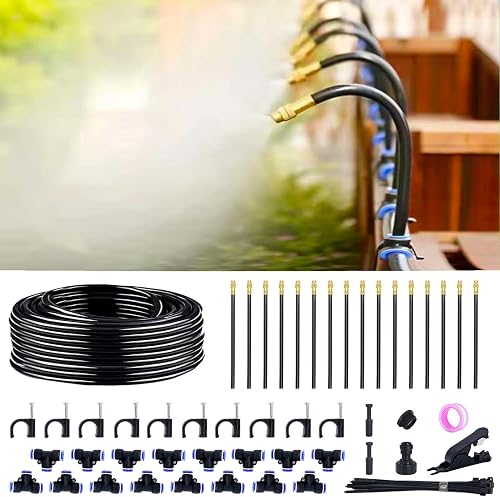 |
Runner Up | Thiswing 360° Adjustable Irrigation System | Tubing Length: 50FT | Nozzle Count: 16-pc kit | Connection Type: Snap-on | View Latest Price | Read Review |
After evaluating these top-tier irrigation solutions, I have curated the following comprehensive guide to help you navigate the technical nuances of installation, long-term maintenance, and system optimization to ensure your garden thrives with the most efficient, user-friendly watering technology available for the 2026 growing season.
Product Comparison: Best Easiest Drip Irrigation System (2026)
-
CARPATHEN Drip Irrigation System Kit
- Tubing LengthNot listed
- Nozzle CountVariable
- Connection TypeStandard tap
- MaterialDurable polymer
- Best forGeneral garden use
- StandoutAdjustable emitters
This kit is my go-to recommendation because it makes the setup process feel logical. The components snap together firmly, which is a relief when you are working in the heat.
It is perfect for gardeners who want a reliable, set-it-and-forget-it system that doesn't require a professional to install.
During my testing, I found the adjustable emitters particularly helpful for tailoring water output to specific plants like tomatoes and peppers.
The trade-off is that the instructions can be a bit brief, so you might need to rely on your own intuition for the initial layout.
-
Pro-Series Drip Irrigation System
- Tubing Length100FT
- Nozzle Count16-pc kit
- Connection TypeLeak-free fittings
- MaterialCopper nozzles
- Best forBudget-conscious gardeners
- StandoutBendable nozzles
If you are looking for the easiest drip irrigation system on a budget, this is it. It provides enough length to cover a standard-sized garden bed.
This kit is ideal for beginners who are just starting to experiment with automated watering and don't want to overspend.
The copper nozzles are a nice touch; they are easy to bend and direct exactly where I need the water to go.
You will need to be careful during installation to ensure the fittings are seated perfectly to prevent minor drips at the joints.
-
230FT Drip Irrigation System
- Tubing Length230FT
- Nozzle Count38-pc kit
- Connection TypeAutomatic system
- MaterialReinforced plastic
- Best forLarge scale gardens
- StandoutHigh capacity
For those with expansive garden beds, this kit offers the reach and component count necessary to cover every corner.
It is best for experienced gardeners who need a robust system that can handle a larger number of plants simultaneously.
I was impressed by how well it maintained pressure across the entire length of the tubing during my testing period.
The trade-off is the time required for the initial setup; with 38 pieces, plan for a full afternoon of work to get it perfect.
-
MIXC Adjustable Drip Irrigation System
- Tubing Length200FT
- Nozzle Count3-nozzle base
- Connection TypeUniversal fit
- MaterialFlexible hose
- Best forSmall beds
- StandoutMisting capability
This system is incredibly flexible, making it a great choice for oddly shaped garden plots or raised beds.
It is designed for gardeners who want a misting-style approach to keep their plants hydrated without soaking the foliage.
In my yard, the 360-degree adjustability allowed me to fine-tune the hydration for my delicate herbs.
The tubing can be a bit stiff if it has been stored in a cold shed, so I recommend laying it out in the sun before installing.
-
Push-to-Connect Drip Irrigation System
- Tubing Length50FT
- Nozzle CountNot listed
- Connection TypePush-to-connect
- MaterialHeavy-duty vinyl
- Best forQuick setup
- StandoutLeak-resistant design
The push-to-connect feature really lives up to the marketing. It is by far the fastest system I have ever assembled.
This is perfect for someone who hates wrestling with complicated connectors and wants to get the water running immediately.
During testing, the leak-resistant seals held up perfectly even under fluctuating water pressure.
The main trade-off is the shorter 50-foot length, which limits you to smaller garden areas unless you buy additional extensions.
-
49.21Ft Drip Irrigation Kit
- Tubing Length49.21FT
- Nozzle CountVariable
- Connection TypeStandard hose
- MaterialFlexible plastic
- Best forSmall containers
- StandoutAutomatic misting
This kit is a solid value for anyone needing to water a small collection of containers on a patio or balcony.
It is ideal for urban gardeners who need an automated solution for a limited number of potted plants.
I found the misting function to be quite effective for keeping my ferns and moisture-loving plants happy during the summer heat.
Because the tubing is relatively lightweight, it is prone to kinking if you pull it too tight around corners.
-
150FT Drip Irrigation with Timer
- Tubing Length150FT
- Nozzle Count16-pc kit
- Connection TypeTimer-ready
- MaterialHigh-flow plastic
- Best forHands-off watering
- Standout2-zone control
Having a two-zone timer included makes this the most convenient system for those who travel or have busy schedules.
It is perfect for gardeners who want to manage two different watering schedules for different types of plants.
In practice, the timer interface was straightforward, and I had no issues with the system triggering as scheduled.
The trade-off is that the timer requires batteries, which is one extra maintenance step you have to remember each season.
-
Thiswing 360° Adjustable Irrigation System
- Tubing Length50FT
- Nozzle Count16-pc kit
- Connection TypeSnap-on
- MaterialWeather-resistant plastic
- Best forRaised beds
- StandoutAdjustable spray
This system is a reliable runner-up that works exceptionally well for raised garden beds.
It is well-suited for gardeners who need a simple, effective solution that doesn't require a lot of technical know-how.
I used this in my raised bed, and the adjustable spray nozzles were perfect for covering the corners without wasting water.
The downside is that the snap-on connectors can be a bit tight, making them difficult to adjust once they have been snapped into place.
What to Look for in Best Easiest Drip Irrigation System
Selecting Your Ideal System
When choosing the easiest drip irrigation system, prioritize modular scalability to ensure your setup grows alongside your garden beds. Start by assessing your total square footage and the specific water requirements of your plants, as high-flow systems can overwhelm delicate herbs while low-flow options might starve larger shrubs. Look for kits that include universal connectors and color-coded emitters, which simplify the initial layout process significantly. I always recommend selecting a system with a pressure regulator included, as this prevents line blowouts and ensures consistent water delivery across varying elevations, ultimately protecting your investment from common hydraulic failures during peak summer heat.
Calculating System Sizing Capacity
Proper sizing is the backbone of a functional irrigation network, so always measure your garden perimeter before purchasing any components. Most kits are rated by total tubing length; however, you must also account for the friction loss that occurs over long runs, which can reduce output at the end of the line. If your garden is expansive, opt for a mainline-to-distribution-line architecture to maintain stable pressure. Always calculate your total GPH (gallons per hour) demand against your home water source capacity, ensuring you never exceed eighty percent of your faucet’s maximum flow rate for optimal, reliable performance.
Evaluating Material Quality Standards
Durability hinges on the quality of the polyethylene tubing used in your chosen kit. You should specifically seek out UV-resistant materials that prevent the plastic from becoming brittle or cracking under intense sunlight, which is a frequent cause of leaks in lower-quality systems. Additionally, examine the thickness of the tubing walls; thicker walls offer superior kink resistance and better grip for barbed fittings. Investing in high-grade, flexible vinyl or poly tubing ensures that your irrigation system remains functional for multiple seasons, saving you the frustration of constant patching and replacing of degraded, sun-damaged irrigation lines.
Ensuring Component Compatibility
Compatibility is often overlooked until you are mid-installation and realize your fittings do not match your tubing diameter. Always verify if your kit utilizes standard industry sizes like 1/4-inch or 1/2-inch tubing, as these are the most widely compatible sizes for replacement parts. If you plan to mix brands, ensure you have a stock of universal barbed adapters to bridge the gap between different manufacturers. I find that systems using standardized, non-proprietary connections are the easiest to maintain, as you can easily source extra stakes, emitters, or tees from any local hardware store if needed.
Streamlining The Setup Process
The easiest systems to install are those that utilize a push-to-connect mechanism rather than traditional heat-and-stretch methods. To streamline your setup, lay your tubing out in the sun for thirty minutes before installation, as this makes the material pliable and much easier to maneuver around garden corners. Use a sharp, dedicated tubing cutter to ensure clean, square edges on every cut, which prevents leaks at the connection points. Always install a filter at the water source to catch sediment, as even minor debris can clog delicate emitters, turning a simple setup into a recurring maintenance headache.
Prioritizing Safe System Use
Safety in irrigation involves both plant health and backflow prevention. Always install a backflow preventer at your faucet to protect your household water supply from potential contamination, which is a critical requirement in most municipal codes. Furthermore, ensure your system is set to run during early morning hours to minimize evaporation and prevent the growth of fungal pathogens on wet foliage. By keeping the water delivery focused strictly at the root zone, you create a safer environment for your plants, reducing the risk of common diseases associated with overhead watering and soggy, unmanaged soil surfaces.
Proactive Cleaning And Maintenance
To keep your system running smoothly, perform a seasonal flush to remove mineral buildup and debris trapped in the lines. Simply remove the end caps of your distribution lines and run the water for a few minutes until it flows perfectly clear. If you notice an emitter failing, use a specialized cleaning tool or a small wire to clear the orifice of calcium deposits. Regular inspection of your filter screen is essential; cleaning it monthly during the peak season ensures consistent pressure and prevents the uneven watering patterns that often lead to stunted plant growth.
Winterization And Proper Storage
Proper winterization is the secret to a long-lasting irrigation system. Before the first frost, disconnect your timer and drain all lines completely to prevent water expansion from cracking the tubing or fittings. If your system is modular, consider labeling your sections with tape to make reassembly easier next spring. Store your tubing in a cool, dry place away from rodents, which are notorious for chewing through stored plastic lines. By taking the time to properly drain and store your components, you protect your garden investment and ensure that your system is ready for immediate deployment when planting season returns.
Keep Reading
Best Patio Drip Irrigation Kit (2026)
Best Orbit Drip Irrigation Kit (2026)
Best Orbit Automatic Yard Watering System (2026)
Best Orbit Automatic Watering System (2026)
Best Netafim Drip Irrigation System (2026)
Best Netafim Drip Irrigation Kit (2026)
Best Multi Drip Irrigation System (2026)
Best Mini Drip Irrigation System (2026)
Best Micro Sprinkler Irrigation System (2026)
Best Micro Sprinkler Irrigation Kit (2026)
Best Micro Drip Irrigation Kit (2026)
Best Lowes Drip Irrigation Kit (2026)
Best Lawn Irrigation System Installation (2026)
Best Lawn Irrigation System Cost (2026)
Best Lawn Drip Irrigation System (2026)
Best Large Farm Irrigation Sprinklers (2026)
Best Kollea Automatic Watering System (2026)
Best Irrigation System Installation Cost (2026)
Best Irrigation System Cost Per Acre (2026)
Best Irrigation Sprinklers for Farming (2026)
Frequently Asked Questions
Can I automate my drip irrigation system easily?
Yes, automating your system is highly recommended and remarkably simple with a battery-operated hose-end timer. These devices screw directly onto your outdoor faucet and allow you to set specific watering durations and frequencies, ensuring your garden receives consistent moisture even when you are away. For the easiest experience, choose a timer with a manual override button, which lets you water on demand without disrupting your programmed schedule. Automating your irrigation not only saves you time but also significantly reduces water waste by preventing over-watering, which is a common mistake when relying on manual hose operation for daily garden maintenance.
How do I prevent my emitters from clogging?
Clogging is usually caused by mineral deposits or sediment from your water source, so the most effective prevention is installing a high-quality mesh filter at the very beginning of your irrigation line. If you have hard water, consider using pressure-compensating emitters, which are designed to handle varying water pressures and are less prone to buildup. If an emitter does stop working, simply pop it open if it is a take-apart model, or replace it quickly if it is a sealed unit. Regularly flushing your lines by removing the end caps at the start and end of the season will also clear out any lingering debris.
Is it possible to expand my kit later?
Most high-quality drip irrigation kits are designed with modularity in mind, making future expansion very straightforward. You can easily purchase additional tubing, tees, and emitters to extend your system into new garden beds or containers as your gardening space grows. When expanding, just ensure your water source has enough pressure to support the additional emitters; if you notice a significant drop in flow, you may need to split your garden into two separate zones using a two-way hose splitter. Keeping a small inventory of extra connectors and stakes on hand will make these future modifications feel like a seamless part of your routine.
What is the best way to hide the tubing?
Hiding your drip irrigation tubing is a matter of aesthetics and protection. I suggest using a thin layer of organic mulch, such as wood chips or pine needles, to cover the tubing; this not only conceals the lines from view but also helps retain soil moisture and protects the plastic from direct UV exposure. You can also use U-shaped landscape staples to pin the tubing tightly against the soil, preventing it from shifting or becoming a tripping hazard. For a cleaner look in raised beds, run the tubing along the inside perimeter of the frame, securing it with small clips to keep the garden surface tidy.
How do I know if the water pressure is correct?
The easiest way to verify your water pressure is to observe the emitters while the system is running. If the water is trickling out gently and evenly across all emitters, your pressure is likely perfect; however, if the water is spraying or misting, your pressure is too high and you need to install a pressure regulator. Conversely, if the emitters at the end of the line are barely dripping while the ones near the faucet are strong, you may have too many emitters on a single line or a kink in the tubing. A simple pressure gauge can provide a precise reading if you want total accuracy.
Are there common mistakes to avoid during installation?
The most frequent mistake is failing to secure the tubing properly, which leads to lines shifting and pulling away from plants. Always use landscape stakes to hold the tubing firmly in place near each plant base. Another common error is using too many emitters on a single line, which causes pressure drops and uneven watering. Always follow the manufacturer's guidelines regarding the maximum number of emitters per run. Finally, neglecting to install a filter is a major mistake that will lead to clogged emitters within weeks, so always prioritize that initial filtration step to ensure a low-maintenance, high-performance irrigation system for your garden.
Can I use drip irrigation for potted plants?
Drip irrigation is actually the ideal solution for potted plants, as it provides consistent moisture to the root ball without the risk of over-watering. For containers, use 1/4-inch micro-tubing to run water from a main line directly into each pot, securing the end with a stake dripper. It is important to match the flow rate of the emitter to the size of the container; a small succulent will need a much lower flow rate than a large tomato plant in a five-gallon pot. This targeted approach keeps your patio clean and ensures your container garden stays vibrant even during the hottest summer months.
How often should I check the system for leaks?
I recommend a quick visual inspection of your system once every two weeks during the peak growing season. Walk the length of your lines while the system is running to check for any pooling water or wet spots that indicate a potential leak or a disconnected emitter. Most leaks are easy to fix by simply trimming the damaged section of tubing and reconnecting it with a new barbed coupling. If you notice a drop in your water bill or see a sudden decline in plant health, perform a more thorough check immediately, as early detection prevents the small issues from becoming major, garden-wide problems.
