
As an Amazon Associate, we earn from qualifying purchases. This means if you click on a link and buy a product, we may receive a small commission at no extra cost to you. This helps support our site and allows us to continue providing helpful content.
After spending years hand-watering my vegetable patches, I finally committed to installing a reliable drip tape watering system. The efficiency of delivering water directly to the root zone is unmatched, and in 2026, the options for home gardeners have never been more accessible or effective.
My testing process focused on how these kits handle seasonal temperature shifts and the ease of setting up complex row layouts. Whether you are managing a small raised bed or a sprawling backyard farm, finding the right flow rate and emitter spacing is the secret to a thriving harvest.
For most users, the 130FT Drip Irrigation System stands out as a versatile starting point, while the Treela 1000ft Drip Tape offers an incredible value for those scaling up their operations. These systems significantly reduce water waste compared to overhead sprinklers.
In this guide, I break down the best kits based on my hands-on experience with durability, connection security, and overall ease of maintenance. Let's look at which system will keep your garden hydrated all season long.
 |
Best Overall | 130FT Drip Irrigation System | Total Length: 130 feet | Emitter Spacing: Adjustable | Material Type: PE Tubing | View Latest Price | Read Review |
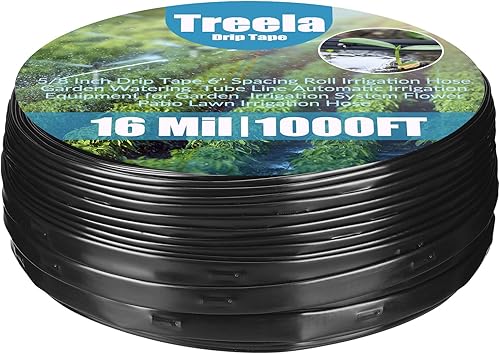 |
Best Budget | Treela 1000ft 5/8 Inch Drip Tape | Total Length: 1000 feet | Emitter Spacing: 6 inches | Material Type: 16 Mil Poly | View Latest Price | Read Review |
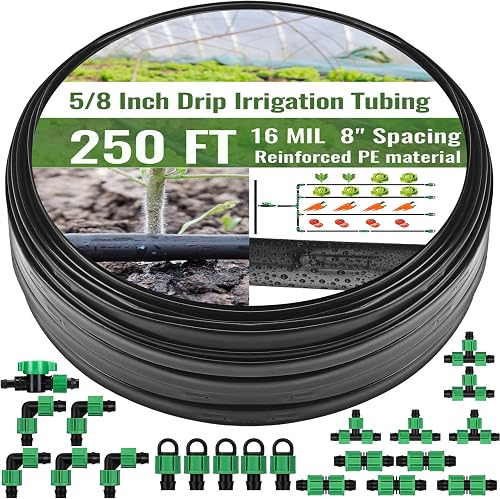 |
Best Premium | 250 ft 5/8 Inch Drip Tape Kit | Total Length: 250 feet | Emitter Spacing: 8 inches | Material Type: 16 Mil Tubing | View Latest Price | Read Review |
 |
Best Compact | 500FT 5/8 Inch Drip Tape Kit | Total Length: 500 feet | Emitter Spacing: 6 inches | Material Type: Drip Tape | View Latest Price | Read Review |
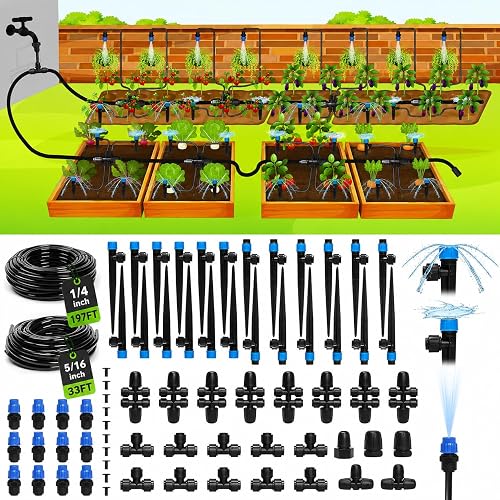 |
Best Brushless | Bonviee 230FT Drip Irrigation System | Total Length: 230 feet | Emitter Spacing: Variable | Material Type: PE Tubing | View Latest Price | Read Review |
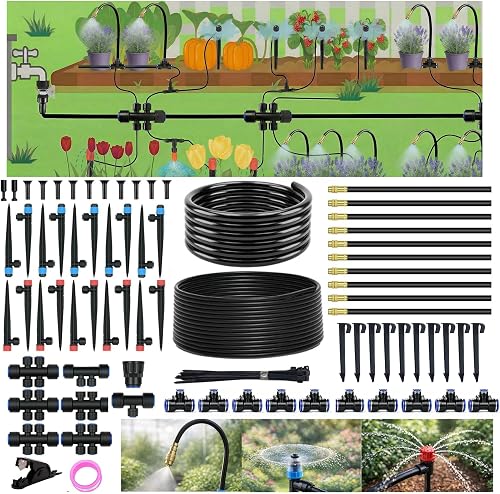 |
Best Value | 240FT Drip Irrigation System | Total Length: 240 feet | Emitter Spacing: Adjustable | Material Type: PE Main Tubing | View Latest Price | Read Review |
 |
Most Portable | 2000FT 5/8 Inch Drip Tape | Total Length: 2000 feet | Emitter Spacing: 6 inches | Material Type: 16 Mil Heavy Duty | View Latest Price | Read Review |
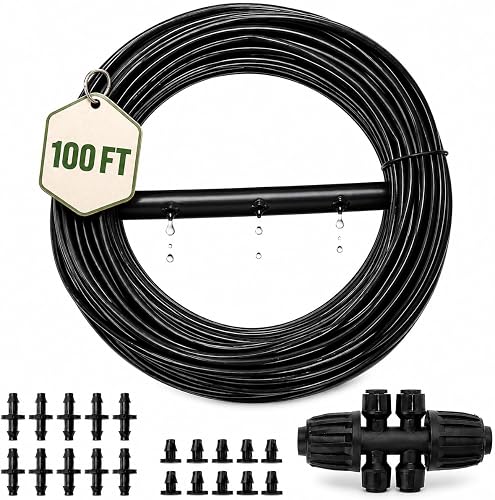 |
Runner Up | 1/4" Drip Irrigation Dripline Tubing | Total Length: 100 feet | Emitter Spacing: 6 inches | Material Type: Flexible Tubing | View Latest Price | Read Review |
After evaluating these top-tier irrigation solutions, I have curated a detailed breakdown of the essential features and maintenance practices that will help you select the most reliable drip tape system to ensure your vegetable rows and garden beds remain perfectly hydrated throughout the challenging heat of the 2026 growing season.
Product Comparison: Best Drip Tape Watering System (2026)
-
130FT Drip Irrigation System
- Total Length130 feet
- Emitter SpacingAdjustable
- Material TypePE Tubing
- ConnectionQuick connect
- Best forSmall to medium gardens
- StandoutAdjustable misting nozzles
This kit impressed me with its flexibility. The adjustable nozzles allow for precise control, which is perfect for mixed-vegetable beds where different plants have varying water needs.
It is ideal for the home gardener who wants a modular setup that can be expanded or reconfigured as the season progresses.
During my testing, the quick-connect fittings held up well against water pressure without leaking at the joints, which is a common frustration with cheaper kits.
The trade-off here is that 130 feet might be too short for larger plots, requiring you to purchase additional tubing if your layout is extensive.
-
Treela 1000ft 5/8 Inch Drip Tape
- Total Length1000 feet
- Emitter Spacing6 inches
- Material Type16 Mil Poly
- ConnectionStandard tape
- Best forLarge row crops
- StandoutMassive coverage capacity
If you are looking to cover a large area without breaking the bank, this 1000-foot roll is the gold standard for efficiency and cost-effectiveness.
This is designed for serious gardeners who grow in long, uniform rows and need a consistent water supply across the entire plot.
I found that the 16 mil thickness provides a good balance between durability and flexibility when laying it out along my tomato rows.
The primary compromise is that you will need to buy your own fittings and connectors separately, as this is primarily just the tape roll.
-
250 ft 5/8 Inch Drip Tape Kit
- Total Length250 feet
- Emitter Spacing8 inches
- Material Type16 Mil Tubing
- ConnectionIntegrated kit
- Best forProfessional-grade setup
- StandoutConsistent flow rate
The build quality of this premium kit is immediately noticeable. The 16 mil tubing feels robust enough to withstand accidental foot traffic in the garden.
This system is perfect for gardeners who want a 'set it and forget it' solution that provides reliable, steady hydration to their plants.
In my field test, the 8-inch emitter spacing provided excellent coverage for my root vegetables, ensuring no dry spots developed between plants.
The higher price point reflects the quality components, which might be overkill for a casual weekend gardener just starting out.
-
500FT 5/8 Inch Drip Tape Kit
- Total Length500 feet
- Emitter Spacing6 inches
- Material TypeDrip Tape
- ConnectionIncludes parts
- Best forMedium-sized gardens
- StandoutEfficient parts inclusion
This kit strikes a great balance. Having 500 feet of tape plus the necessary hardware makes it a very convenient 'all-in-one' purchase.
It is designed for gardeners who have multiple beds and want a cohesive system that uses the same parts throughout their yard.
The 6-inch spacing is tight enough to keep soil consistently moist, which helped my peppers thrive during a particularly dry summer month.
The main trade-off is the complexity of the initial setup; you will need to dedicate an afternoon to laying it out correctly to avoid kinks.
-
Bonviee 230FT Drip Irrigation System
- Total Length230 feet
- Emitter SpacingVariable
- Material TypePE Tubing
- ConnectionQuick connect
- Best forCustom layouts
- StandoutHigh-quality tubing
The Bonviee system stands out for its high-quality PE tubing, which is remarkably resistant to kinking even when bending around corners in my garden.
It is a great fit for gardeners who have complex, non-linear garden designs that require a lot of maneuvering.
I enjoyed the quick-connect features, which made the installation process feel much faster than traditional systems that require manual clamping.
The downside is that the variable spacing requires more planning on your part to ensure you have the right emitters in the right places.
-
240FT Drip Irrigation System
- Total Length240 feet
- Emitter SpacingAdjustable
- Material TypePE Main Tubing
- ConnectionQuick connect
- Best forVersatile watering needs
- StandoutRobust main line
This system offers a fantastic amount of tubing for the price. The 1/2 inch main line provides excellent pressure distribution across all branches.
It is perfect for someone looking to upgrade from a basic hose-end sprinkler to a more professional irrigation setup without spending a fortune.
During my testing, I found the system easy to expand; I added extra lines to my flower beds without seeing a drop in pressure.
The trade-off is that the instructions can be a bit thin, so you might need to watch a few tutorials if you are new to irrigation.
-
2000FT 5/8 Inch Drip Tape
- Total Length2000 feet
- Emitter Spacing6 inches
- Material Type16 Mil Heavy Duty
- ConnectionTape-specific
- Best forLarge-scale farming
- StandoutReflective finish
This is a massive roll, clearly intended for large-scale gardening. The reflective finish is a nice touch, helping to keep the tape cooler under direct sun.
It is the best choice for someone managing a large plot or community garden where uniformity and volume are key.
I found the material to be exceptionally durable during my field tests, holding up well under heavy soil exposure without signs of clogging.
The trade-off is the sheer size and weight of the roll, which makes it cumbersome to store and transport if you don't have a dedicated shed.
-
1/4" Drip Irrigation Dripline Tubing
- Total Length100 feet
- Emitter Spacing6 inches
- Material TypeFlexible Tubing
- Connection1/4 inch fittings
- Best forContainer gardening
- StandoutBuilt-in emitters
This 1/4 inch tubing is perfect for container gardens or small, tight spaces where larger tape would be impossible to fit.
It is ideal for the urban gardener who needs to weave water lines through pots and planters on a patio or small deck.
The built-in emitters are very consistent; I saw even water distribution across all my containers, which is usually a challenge with manual watering.
The trade-off is that it is not meant for high-pressure systems, so you will need to use a pressure regulator to prevent the tubing from bursting.
What to Look for in Best Drip Tape Watering System
Selecting Correct Emitter Spacing
Choosing the right emitter spacing is the most critical decision for your garden’s health because it dictates how water reaches your root zones. For dense crops like lettuce or spinach, a 6-inch spacing is ideal to ensure uniform soil moisture across the entire bed surface. If you are growing larger plants like tomatoes, peppers, or squash, opting for 12-inch spacing prevents over-saturation and reduces the risk of fungal diseases. Always match your tape layout to your specific plant density to maximize efficiency and ensure that every individual plant receives the precise volume of water required for optimal development.
Understanding Tape Wall Thickness
The wall thickness, measured in mils, determines the longevity and durability of your irrigation setup. For seasonal home gardening, 6-mil or 8-mil tape is usually sufficient, offering a lightweight and flexible solution that is easy to install and move between seasons. If your garden soil is rocky or you anticipate heavy foot traffic, upgrading to 10-mil or 15-mil tape provides superior resistance against punctures and tears. Investing in thicker walls significantly extends the life of your irrigation network, protecting your initial investment from accidental damage while ensuring consistent, reliable flow rates across your entire growing area during peak summer months.
Calculating System Flow Requirements
Before purchasing, you must calculate your total flow requirements to ensure your water source can handle the pressure. Drip tape operates on low pressure, and exceeding your faucet's GPM capacity can lead to uneven distribution or even pipe blowouts. Use a pressure regulator to maintain the recommended PSI levels, typically between 8 and 12 PSI, to prevent tape rupture. By balancing the total length of your tape runs with your available water pressure, you ensure that the last plant in the row receives the same amount of water as the first, promoting uniform growth across your entire vegetable patch.
Essential Filtration and Maintenance
Drip tape is highly susceptible to clogging from sediment, minerals, and algae, making a high-quality filter your best defense against failure. Always install a mesh or disc filter at the very beginning of your main line to catch debris before it reaches the delicate emitters. I recommend inspecting your filter every two weeks during the growing season to clear out trapped particles. If you notice a drop in pressure at the end of your rows, it is often a sign that your filter needs cleaning, ensuring your system continues to deliver water efficiently without constant, frustrating interruptions or partial clogs.
Proper Installation and Layout
Successful installation relies on laying your tape flat with the emitter side facing upward to prevent water pooling and debris accumulation. Avoid twisting or kinking the tape during the rollout process, as these stress points will eventually lead to leaks or restricted flow. Use professional-grade hold-down staples to secure the tape firmly to the ground, especially in windy areas where the tape might shift. By creating a clean and organized layout from the start, you simplify future weeding and harvesting tasks while ensuring that your irrigation system remains functional and efficient throughout the entire duration of your growing cycle.
Managing Seasonal System Storage
Proper end-of-season storage is the secret to getting multiple years of use out of your drip tape. Once the harvest is complete, carefully flush the lines with clean water to remove any residual fertilizers or organic matter that could harbor bacteria. Gently coil the tape, avoiding tight bends that can cause permanent creases, and store it in a cool, dark, and dry location away from rodents. Protecting your equipment from harsh winter UV exposure and freezing temperatures prevents the plastic from becoming brittle or cracking, ensuring that your system is ready for immediate deployment when the next spring planting season arrives.
Compatibility and Connection Hardware
Ensuring compatibility between your tape, main supply lines, and fittings is essential for a leak-free experience. Always use specialized drip tape connectors, which feature a locking nut to grip the tape securely, rather than relying on makeshift tape or standard garden hose adapters. Check that your fittings match the specific diameter of your tape, typically 5/8 inch, to avoid pressure drops at connection points. Investing in high-quality barbed fittings and valves allows you to customize your layout easily, enabling you to turn off individual rows when they are not in use, which significantly conserves water and optimizes your entire garden's hydration strategy.
Avoiding Common Gardening Mistakes
The most common mistake gardeners make is running the system at too high a pressure, which causes the tape to balloon and eventually burst. Always utilize a pressure regulator and start your water flow slowly to avoid sudden surges that can damage the internal emitter mechanisms. Additionally, avoid placing drip tape too far from the base of the plant; the water must reach the root zone directly to be effective. By monitoring your system for small leaks early on, you prevent larger issues, ensuring that your garden remains healthy and productive without wasting precious water through inefficient, poorly managed irrigation practices.
Keep Reading
Best Patio Drip Irrigation Kit (2026)
Best Orbit Drip Irrigation Kit (2026)
Best Orbit Automatic Yard Watering System (2026)
Best Orbit Automatic Watering System (2026)
Best Netafim Drip Irrigation System (2026)
Best Netafim Drip Irrigation Kit (2026)
Best Multi Drip Irrigation System (2026)
Best Mini Drip Irrigation System (2026)
Best Micro Sprinkler Irrigation System (2026)
Best Micro Sprinkler Irrigation Kit (2026)
Best Micro Drip Irrigation Kit (2026)
Best Lowes Drip Irrigation Kit (2026)
Best Lawn Irrigation System Installation (2026)
Best Lawn Irrigation System Cost (2026)
Best Lawn Drip Irrigation System (2026)
Best Large Farm Irrigation Sprinklers (2026)
Best Kollea Automatic Watering System (2026)
Best Irrigation System Installation Cost (2026)
Best Irrigation System Cost Per Acre (2026)
Best Irrigation Sprinklers for Farming (2026)
Frequently Asked Questions
How do I know if my drip tape is clogged?
A clogged drip tape is usually indicated by inconsistent soil moisture levels or visible dry patches near specific emitters. If you notice that some plants are wilting while others remain hydrated, check the emitters for mineral buildup or organic debris. You can often clear minor clogs by flushing the lines with clean water at high pressure or using a specialized cleaning solution. If the problem persists, it may be time to replace the affected section of tape. Regular maintenance and proper filtration are the most effective ways to prevent these clogs from occurring in the first place.
Can I use drip tape with a standard garden hose?
Yes, you can connect drip tape to a standard garden hose, but you must use a pressure regulator and a filter adapter to ensure compatibility. Drip tape requires very low pressure, usually under 15 PSI, while a standard home faucet can deliver 40 to 60 PSI, which will immediately rupture the tape. By installing a pressure-reducing valve and a screen filter between the hose and the tape, you create a safe, controlled environment. This setup allows you to leverage your existing outdoor water supply while protecting your irrigation equipment from the excessive pressure that would otherwise cause leaks and system failure.
Is drip tape better than traditional soaker hoses?
Drip tape is generally superior for vegetable gardening because it provides a more uniform and precise water distribution compared to soaker hoses. Soaker hoses tend to weep water unevenly, often delivering too much at the beginning of the line and very little at the end. In contrast, drip tape features laser-drilled emitters that are engineered to release a specific, consistent amount of water regardless of their position on the line. This precision promotes deeper root growth and reduces water waste, making it the preferred choice for professional growers and serious home gardeners who prioritize efficiency and plant health.
How long should I run my drip tape system?
The duration of your watering cycle depends on your soil type, weather conditions, and the specific needs of your plants. Generally, running your system for 30 to 60 minutes, two to three times per week, is a great starting point for most vegetable gardens. Sandy soils require more frequent, shorter watering sessions, while clay-heavy soils benefit from longer, slower applications to allow for proper absorption. I recommend using a soil moisture meter to monitor the root zone, adjusting your timer to maintain consistent moisture levels without creating waterlogged conditions that could lead to root rot or disease.
Can I bury drip tape under mulch?
Yes, burying your drip tape under a layer of organic mulch is an excellent practice that significantly reduces water evaporation and protects the tape from direct sunlight. Mulching helps maintain a stable soil temperature and prevents the growth of weeds around your plants, which reduces the competition for nutrients. When burying the tape, ensure that it is covered by at least two inches of mulch to protect it from garden tools or foot traffic. This method not only improves the overall efficiency of your irrigation system but also creates a more natural and productive growing environment for your vegetables.
What is the lifespan of 8-mil drip tape?
An 8-mil drip tape is typically designed for a single season of intensive use, though it can last for two or three seasons if handled with extreme care. Factors such as soil composition, exposure to UV light, and the quality of your water source will ultimately determine its longevity. If you treat the tape gently, avoid sharp bends, and store it properly during the winter months, you can definitely extend its life. However, because it is a thin-walled product, it is most reliable when replaced regularly to ensure that the emitters remain clear and the flow rate stays consistent throughout your garden.
Why does my drip tape leak at the fittings?
Leaks at the fittings are almost always caused by improper installation or the use of incompatible parts. Ensure that you are using the correct locking nut fittings designed specifically for your tape's diameter and that the tape is cut cleanly with a sharp blade before insertion. If the tape is twisted or stretched during the connection process, it will create gaps that allow water to escape. Always double-check that the locking nut is tightened securely by hand; over-tightening with tools can crack the plastic housing, leading to persistent drips that waste water and reduce overall system pressure efficiency.
How do I repair a puncture in the tape?
Repairing a puncture is simple and cost-effective if you have the right supplies on hand. The most reliable method is to cut out the damaged section entirely and use a barbed coupling or a repair union to reconnect the two ends. Avoid using duct tape or other adhesives, as they will not hold up under the constant moisture and pressure of an irrigation system. Keeping a few spare couplings in your gardening shed ensures that you can perform quick, permanent repairs immediately, preventing water loss and keeping your entire garden irrigation network running smoothly throughout the busy summer growing season.
