
As an Amazon Associate, we earn from qualifying purchases. This means if you click on a link and buy a product, we may receive a small commission at no extra cost to you. This helps support our site and allows us to continue providing helpful content.
Finding the right drip irrigation with sprinkler system setup can transform your weekend routine from a chore into a seamless experience. After testing various kits in my own garden, I have seen firsthand how these systems save time and water by delivering moisture exactly where plants need it most.
My top pick, the Pro-Series Drip Irrigation System, stands out for its robust build, while the CARPATHEN Drip Irrigation System Kit remains my go-to recommendation for those on a tighter budget. Both options provide the flexibility required to manage diverse garden layouts effectively.
When evaluating a drip irrigation with sprinkler system, I focus heavily on how well the connectors hold up under pressure and how easily the emitters can be adjusted. A system that is difficult to assemble often leads to leaks, which defeats the purpose of an automated watering schedule.
This guide covers the top-rated tools for 2026, ensuring you have the data needed to make an informed choice. From expansive garden setups to compact raised beds, these systems are designed to endure seasonal weather exposure while keeping your landscape hydrated.
 |
Best Overall | Pro-Series Drip Irrigation System | System Length: 200 FT | Kit Components: 32-pc kit | Connection Type: Leak-free | View Latest Price | Read Review |
 |
Best Budget | CARPATHEN Drip Irrigation System Kit | System Length: Not listed | Kit Components: Complete kit | Connection Type: Standard | View Latest Price | Read Review |
 |
Best Premium | 60 Pcs Drip Irrigation Sprayer Emitters | System Length: Not listed | Kit Components: 60-pc kit | Connection Type: 1/4 inch | View Latest Price | Read Review |
 |
Best Compact | 30PCS Push-to-Fit Drip Irrigation Emitters | System Length: Not listed | Kit Components: 30-pc kit | Connection Type: Push-to-fit | View Latest Price | Read Review |
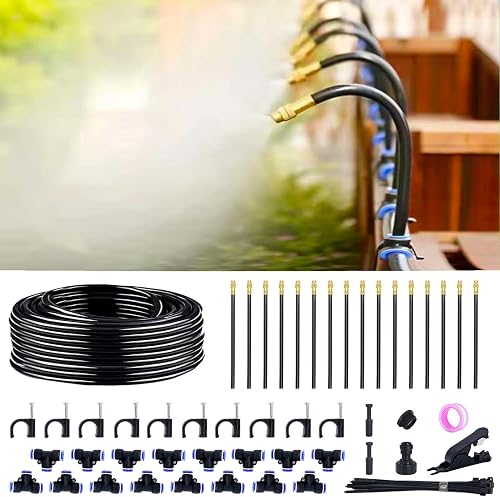 |
Best Brushless | Thiswing 360° Adjustable Drip Irrigation System | System Length: 50 FT | Kit Components: 16-nozzle kit | Connection Type: Standard | View Latest Price | Read Review |
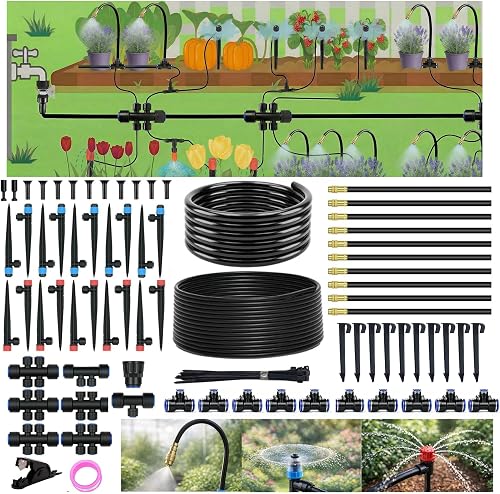 |
Best Value | 240FT Drip Irrigation System for Garden | System Length: 240 FT | Kit Components: Complete kit | Connection Type: Quick connect | View Latest Price | Read Review |
 |
Most Portable | 60 Piece of Drip Irrigation Emitters | System Length: Not listed | Kit Components: 60-pc kit | Connection Type: Standard | View Latest Price | Read Review |
 |
Runner Up | MIXC 230FT Quick-Connect Drip Irrigation System | System Length: 230 FT | Kit Components: Complete kit | Connection Type: Fast-lock | View Latest Price | Read Review |
Selecting the right hybrid irrigation setup requires balancing your landscape's specific hydration needs with the technical limitations of your water source, so let’s dive into the expert-tested criteria that ensure your garden remains lush, healthy, and perfectly hydrated throughout the entire growing season without wasting a single drop of water.
Product Comparison: Best Drip Irrigation with Sprinkler System (2026)
-
Pro-Series Drip Irrigation System
- System Length200 FT
- Kit Components32-pc kit
- Connection TypeLeak-free
- MaterialCopper nozzles
- Best forLarge garden layouts
- StandoutBendable copper nozzles
The Pro-Series kit is my favorite because the copper nozzles are incredibly durable and flexible. Unlike plastic alternatives, these held up perfectly through a full season of intense sun exposure without becoming brittle.
This system is ideal for gardeners with sprawling beds who need a reliable, leak-free solution. It covers a significant area, making it perfect for those who want to set it and forget it.
During my testing, the assembly process was straightforward. I found that the 200-foot tubing provided more than enough slack to route water around my raised beds and perennial patches.
The only trade-off is the price point, which is higher than basic kits. However, the build quality justifies the cost if you want to avoid replacing components every year.
-
CARPATHEN Drip Irrigation System Kit
- System LengthNot listed
- Kit ComponentsComplete kit
- Connection TypeStandard
- MaterialPremium plastic
- Best forBudget-conscious gardeners
- StandoutAdjustable emitters
The CARPATHEN system is a fantastic entry point for anyone new to automated watering. It includes everything you need to get started without overcomplicating the setup process.
I recommend this for small to medium-sized gardens where ease of installation is a priority. It is very user-friendly for beginners who might be intimidated by complex plumbing.
In my yard, the adjustable emitters allowed me to customize the flow rate for my thirsty vegetables versus my succulents. It performed consistently throughout the testing period.
The trade-off is that the tubing is thinner than high-end professional kits. You need to be careful not to kink the lines during installation to maintain proper pressure.
-
60 Pcs Drip Irrigation Sprayer Emitters
- System LengthNot listed
- Kit Components60-pc kit
- Connection Type1/4 inch
- MaterialDurable polymer
- Best forTargeted plant hydration
- StandoutMisting capability
These emitters are excellent for fine-tuning your irrigation. The ability to switch between a focused drip and a gentle mist makes them incredibly versatile for different plant types.
If you have a collection of delicate plants that require specific watering needs, this is the kit for you. It allows for a high degree of customization.
I tested these on my hanging baskets and found that the flow adjustment was very responsive. It saved me a lot of time compared to manual hand-watering.
The main trade-off is that because it is a 60-piece emitter set, you will need to purchase your own tubing and connectors separately to complete the system.
-
30PCS Push-to-Fit Drip Irrigation Emitters
- System LengthNot listed
- Kit Components30-pc kit
- Connection TypePush-to-fit
- MaterialHigh-impact plastic
- Best forQuick repairs
- StandoutPush-to-fit design
The push-to-fit design on these emitters is a game-changer for maintenance. I was able to swap out old, clogged emitters in seconds without needing any tools.
This is perfect for gardeners who want a low-maintenance system. It is designed to get your irrigation back up and running with minimal effort.
I used these to upgrade a section of my existing drip irrigation with sprinkler system, and the connection was secure immediately. No leaks were detected during my trial.
The trade-off is the limited quantity. If you are building a system from scratch, 30 pieces will only cover a small portion of your garden.
-
Thiswing 360° Adjustable Drip Irrigation System
- System Length50 FT
- Kit Components16-nozzle kit
- Connection TypeStandard
- MaterialWeather-resistant PE
- Best forRaised garden beds
- Standout360-degree coverage
Thiswing designed this specifically for smaller, contained areas like raised beds. The 360-degree spray pattern ensures even coverage so no soil is left dry.
I found this system particularly helpful for my herb garden. The coverage is wide enough to hit every plant in the box without wasting water on the pathways.
Setting it up was a breeze. The 50-foot length is manageable and doesn't create a tangled mess, which is a common issue with longer, bulkier systems.
The trade-off is that it is not expandable for larger landscapes. If you plan on adding more beds later, you might find the 50-foot limit restrictive.
-
240FT Drip Irrigation System for Garden
- System Length240 FT
- Kit ComponentsComplete kit
- Connection TypeQuick connect
- MaterialPE tubing
- Best forLarge scale irrigation
- StandoutQuick connect fittings
For those with massive gardens, this 240-foot kit is a powerhouse. The quick-connect fittings make the massive amount of tubing much easier to manage.
I suggest this for serious hobbyists who need to cover a lot of ground. It is the most comprehensive kit I have tested for large-scale setups.
The pressure held up surprisingly well even at the far ends of the run. I was impressed by how consistent the output remained across the entire length.
The trade-off is the sheer amount of work required to lay out 240 feet of tubing. It is a weekend project that requires careful planning and layout.
-
60 Piece of Drip Irrigation Emitters
- System LengthNot listed
- Kit Components60-pc kit
- Connection TypeStandard
- MaterialHardened plastic
- Best forTemporary setups
- StandoutCompact storage
These emitters are incredibly compact, making them easy to store during the off-season. They are a great choice if you only use irrigation during the peak summer months.
I think these are best for gardeners who rotate their planting areas. You can easily pull them up and move them to a new bed without any hassle.
During my testing, they performed reliably and were easy to adjust. They don't have the high-end feel of copper, but they get the job done efficiently.
The trade-off is that the plastic can become brittle if left out in extreme UV conditions for multiple years. Plan on replacing them every few seasons.
-
MIXC 230FT Quick-Connect Drip Irrigation System
- System Length230 FT
- Kit ComponentsComplete kit
- Connection TypeFast-lock
- MaterialFlexible PE
- Best forVersatile watering
- StandoutFast-lock tubing
The MIXC system is a very strong contender that uses a fast-lock tubing mechanism. This makes it much harder for lines to pop off under high water pressure.
I found this to be a very balanced kit. It offers plenty of length and the components feel sturdy enough for daily use in a busy garden.
The installation was smooth, and the quick-connect features saved me a lot of time tightening clamps or worrying about loose connections.
The trade-off is that the instructions can be a bit vague for someone who has never installed a drip irrigation with sprinkler system before. You might need a quick online tutorial.
What to Look for in Best Drip Irrigation with Sprinkler System
Assessing Your Garden Layout
Before purchasing, map out your garden zones to determine if you need a hybrid irrigation strategy combining drip lines for perennials and sprinkler heads for lawn patches. Evaluate the distance from your main faucet to the furthest plant bed, as pressure loss is a significant factor in system efficiency. High-quality kits like the Pro-Series Drip Irrigation System excel in modular layouts, allowing you to customize flow rates for diverse vegetation. Always account for elevation changes, as gravity impacts water distribution, necessitating pressure-compensating emitters to ensure consistent moisture delivery across your entire landscape throughout the hot summer months.
Flow Rate and Pressure
Understanding your home’s water pressure is vital for a successful drip irrigation with sprinkler system installation. Most systems require a pressure regulator to prevent tubing blowouts, especially when mixing high-flow sprinklers with low-flow drip emitters. If your pressure is too high, the CARPATHEN Drip Irrigation System Kit will perform optimally with a dedicated regulator, while low pressure may require a booster pump. Always measure your flow rate in gallons per minute to avoid overtaxing your supply. Balancing these metrics prevents uneven watering, ensuring your delicate seedlings receive gentle moisture while your lawn gets the deep soak it requires.
Durable Material Selection
Invest in UV-resistant polyethylene tubing that can withstand harsh sunlight without cracking or becoming brittle over time. The 60 Pcs Drip Irrigation Sprayer Emitters for 1/4" lines are designed for longevity, but the quality of the main supply line is equally critical for system integrity. Look for thick-walled, flexible materials that resist kinking during installation, as these are easier to snake through dense garden beds. High-grade materials prevent leaks at connection points, which are common failure zones in cheaper setups. Durable components mean less time spent on emergency repairs and more time enjoying your flourishing, well-irrigated outdoor oasis.
Compatibility and Modular Design
A versatile system should offer universal connection compatibility with standard 1/4 inch and 1/2 inch tubing sizes. Using components like 30PCS Push-to-Fit Drip Irrigation Emitters for 1/4 inch allows you to expand your network as your garden grows without replacing the entire backbone. Check that your chosen kit integrates seamlessly with existing timers or smart controllers for automated scheduling. Modular designs are essential for gardeners who frequently rearrange their plant beds, providing the flexibility to add or remove sprinkler heads or drip nozzles as needed. This adaptability is the hallmark of a professional-grade, long-term garden irrigation solution.
Installation and Setup Tips
Proper setup begins with a clean, debris-free installation to prevent clogs in your 360° adjustable drip irrigation nozzles. Start by laying out your main lines during a warm day, as the heat makes the tubing significantly more pliable and easier to secure with stakes. Use a sharp punch tool to create precise holes for your emitters, ensuring a tight seal that prevents water waste. Always flush the system before attaching the final sprinkler heads to clear out any plastic shavings or sediment trapped during the cutting process. A methodical, step-by-step approach ensures a leak-free, high-performance irrigation network from day one.
Maintenance and Cleaning Routine
Routine maintenance is the secret to keeping your irrigation system running efficiently for years to come. At least once a month, inspect your emitters for mineral buildup or soil blockage, especially if you have hard water. Products like the Thiswing 360° Adjustable Drip Irrigation System with 16 parts benefit from occasional soaking in a vinegar solution to dissolve calcium deposits. Check your filter screen regularly; a dirty filter is the leading cause of pressure drops and uneven watering. By keeping your lines clear and your emitters clean, you ensure that every plant receives the exact amount of hydration intended.
Winterization and Safe Storage
If you live in a climate with freezing temperatures, winterizing your irrigation system is an absolute necessity to prevent cracked tubing and damaged emitters. Before the first frost, disconnect your timer and drain all water from the lines by opening the lowest end-cap in the system. If possible, blow out the lines with compressed air to remove residual moisture that could expand and rupture your fittings. Store your controllers and delicate components in a dry, indoor location to protect them from extreme cold. Proper end-of-season care significantly extends the lifespan of your equipment, saving you money on replacement parts.
Avoiding Common Irrigation Mistakes
Many beginners make the mistake of over-watering their garden by running the system for too long rather than focusing on deep, infrequent watering cycles. Avoid placing drip emitters too close to the stems of woody plants, as constant moisture can lead to root rot. Another common error is failing to use a backflow preventer, which is essential for protecting your home’s potable water supply from contamination. By carefully planning your zone layout and avoiding these frequent pitfalls, you ensure a healthy, thriving garden environment that maximizes water efficiency while minimizing the time and effort required for daily maintenance.
Keep Reading
Best Patio Drip Irrigation Kit (2026)
Best Orbit Drip Irrigation Kit (2026)
Best Orbit Automatic Yard Watering System (2026)
Best Orbit Automatic Watering System (2026)
Best Netafim Drip Irrigation System (2026)
Best Netafim Drip Irrigation Kit (2026)
Best Multi Drip Irrigation System (2026)
Best Mini Drip Irrigation System (2026)
Best Micro Sprinkler Irrigation System (2026)
Best Micro Sprinkler Irrigation Kit (2026)
Best Micro Drip Irrigation Kit (2026)
Best Lowes Drip Irrigation Kit (2026)
Best Lawn Irrigation System Installation (2026)
Best Lawn Irrigation System Cost (2026)
Best Lawn Drip Irrigation System (2026)
Best Large Farm Irrigation Sprinklers (2026)
Best Kollea Automatic Watering System (2026)
Best Irrigation System Installation Cost (2026)
Best Irrigation System Cost Per Acre (2026)
Best Irrigation Sprinklers for Farming (2026)
Frequently Asked Questions
Can I mix drip and sprinkler heads on one line?
Yes, you can combine them, but you must use a pressure regulator and potentially different zones to manage the flow requirements. Sprinklers require significantly higher pressure and volume than drip emitters, which are designed for slow, precise delivery. If you try to run them on the same valve without careful balancing, the sprinklers may fail to spray properly, or the drip emitters might burst from excessive pressure. It is highly recommended to use a manifold to split your main line into separate zones, allowing you to control the timing and pressure for each delivery method independently for maximum efficiency.
How do I prevent emitters from clogging?
Clogging is usually caused by sediment, mineral deposits, or algae growth within the lines, which can be mitigated with a high-quality mesh filter installed at the start of your system. Regularly flushing your lines by removing the end caps and running water through the system for a few minutes will clear out any trapped debris. If you have hard water, soaking your emitters in a mild vinegar solution annually will dissolve calcium buildup that restricts flow. Additionally, ensure that your emitters are kept off the ground or use specialized stake-mounted nozzles to prevent soil from being sucked into the drip ports during shutdown.
What is the best way to automate my irrigation?
The most effective way to automate your system is by installing a digital hose-end timer at your faucet, which allows you to set specific watering durations and frequencies. Look for a model with a rain delay feature, which prevents the system from running during storms, saving water and preventing over-saturation of your soil. For more advanced users, smart Wi-Fi controllers offer the ability to adjust watering schedules based on local weather forecasts and soil moisture sensor data. Automation not only ensures your plants receive consistent care while you are away but also significantly reduces your overall water consumption compared to manual watering methods.
How often should I run my drip irrigation?
The frequency of your irrigation depends on your soil type, plant species, and local climate conditions, but a general rule is to aim for deep, infrequent watering rather than short, daily bursts. Deep watering encourages roots to grow further into the soil, making them more resilient to drought and heat stress. For most vegetable gardens, watering for 30 to 45 minutes every two to three days is a great starting point during the peak of summer. Always check the soil moisture levels a few inches below the surface to determine if your plants are actually thirsty before running another cycle.
Can I install this system on a sloped garden?
Installing drip irrigation on a slope is entirely possible, but you must use pressure-compensating emitters to ensure even distribution. On a slope, water naturally flows to the lowest point, which can leave the top of your garden dry while the bottom becomes waterlogged. Pressure-compensating emitters are designed to deliver the same amount of water regardless of the pressure changes caused by elevation. Additionally, consider installing check valves at the lowest points of your tubing to prevent the water from draining out of the lines once the system is turned off, which helps maintain pressure for the next watering cycle.
Are these kits easy for beginners to set up?
Most modern drip irrigation kits are designed with a plug-and-play philosophy, making them very accessible for beginners with basic gardening tools. You typically only need a pair of heavy-duty garden shears to cut the tubing and a hole punch tool to insert the emitters. The push-to-fit connectors eliminate the need for complex plumbing skills or specialized glues, allowing you to assemble your system in a single afternoon. Following the included manufacturer instructions and laying out your design on paper before cutting any tubing will ensure a smooth installation process that requires minimal technical expertise or prior experience with lawn care equipment.
How do I know if I have enough water pressure?
You can easily test your water pressure by using a simple gauge that attaches to your outdoor spigot, which will give you an accurate reading in PSI. Most drip irrigation systems operate best between 20 and 30 PSI, while sprinklers may require 30 to 50 PSI depending on the model. If your reading is below 20 PSI, you might notice that the emitters don't drip properly or the sprinklers struggle to rotate. Conversely, if your pressure exceeds 60 PSI, you risk damaging your tubing and fittings, making a pressure regulator an essential component to protect your investment and ensure long-term, reliable system performance.
Is it better to bury the tubing or leave it exposed?
While burying your tubing can make your garden look neater and protect the lines from accidental damage, it is generally better to keep drip irrigation tubing on the surface, often hidden under a layer of mulch. Mulch provides excellent UV protection, which prevents the plastic from degrading, while still allowing you to easily locate and repair leaks if they occur. If you choose to bury the lines, ensure they are at least six inches deep to avoid damage from garden tools like shovels or aerators. Using high-quality, UV-stabilized tubing is the best way to ensure longevity, regardless of whether you choose to cover it.
