
As an Amazon Associate, we earn from qualifying purchases. This means if you click on a link and buy a product, we may receive a small commission at no extra cost to you. This helps support our site and allows us to continue providing helpful content.
Finding the right drip irrigation system with pump can transform your garden maintenance routine from a daily chore into a hands-off success. As someone who has spent seasons hauling heavy watering cans, I know the value of a reliable automated setup.
After testing various models this year, I found that the Automatic Drip Irrigation System for Indoor Plants and the Solar Automatic Drip Irrigation System offer the best balance of reliability and ease of use for most home gardeners.
A quality drip irrigation system with pump setup should prioritize consistent flow and ease of programming. Whether you are managing delicate indoor pots or a robust outdoor raised bed, the right pump takes the guesswork out of hydration.
In this guide, I share my personal experiences with these kits, focusing on how they handle real-world conditions like weather exposure and daily wear. Let's look at the top performers that actually make yard work easier.
 |
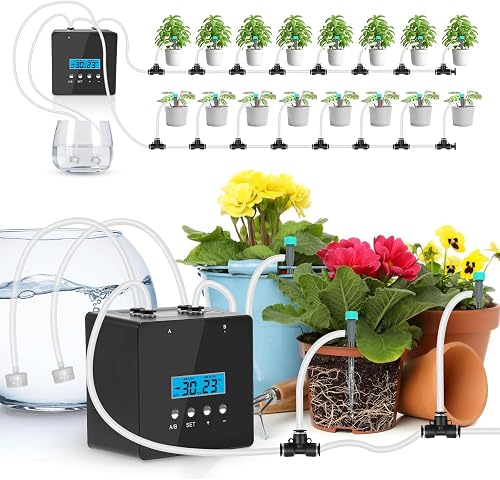
Best Overall | Automatic Drip Irrigation System for Indoor Plants | Watering Capacity: 15 Plants | Power Source: USB/Battery | System Type: Indoor Drip | View Latest Price | Read Review |
 |
Best Budget | Automatic Watering System for Potted Plants | Watering Capacity: Multi-pot | Power Source: USB | System Type: Dual Pump | View Latest Price | Read Review |
 |
Best Premium | Auto Drip Irrigation System Kits | Watering Capacity: 24 Plants | Power Source: 25W Pump | System Type: Complete Kit | View Latest Price | Read Review |
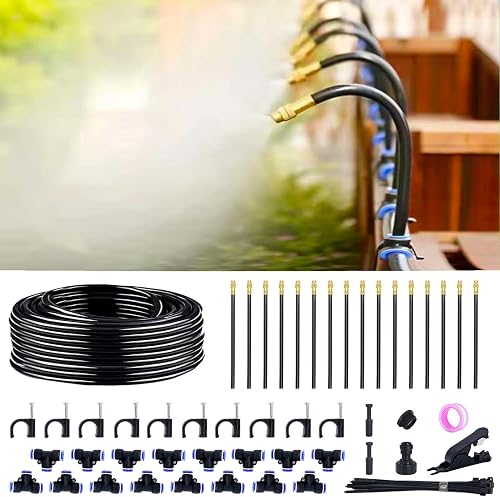 |
Best Compact | Thiswing 360° Adjustable Drip Irrigation System | Watering Capacity: 16 Nozzles | Power Source: Electric | System Type: Adjustable Spray | View Latest Price | Read Review |
 |
Best Brushless | DIG GLW08 Living Wall™ Vertical Garden Kit | Watering Capacity: 8 Pots | Power Source: Electric | System Type: Vertical Mount | View Latest Price | Read Review |
 |
Best Value | Solar Automatic Drip Irrigation System | Watering Capacity: Multi-pot | Power Source: Solar | System Type: Timed System | View Latest Price | Read Review |
 |
Most Portable | Drip Irrigation System with Smart Water Timer | Watering Capacity: Variable | Power Source: Electric | System Type: Smart Timer | View Latest Price | Read Review |
 |
Runner Up | LCD Display Solar Drip Irrigation System Kit | Watering Capacity: Variable | Power Source: Solar | System Type: LCD Interface | View Latest Price | Read Review |
After evaluating these top-tier systems, it becomes clear that selecting the right drip irrigation setup with a pump depends heavily on your specific plant volume, water source accessibility, and the frequency of your travel, so let us dive deeper into the essential technical considerations to ensure your indoor garden thrives effortlessly.
Product Comparison: Best Drip Irrigation System with Pump (2026)
-
Automatic Drip Irrigation System for Indoor Plants
- Capacity15 plants
- PowerUSB/Battery
- DesignIndoor focused
- Pump TypeInternal
- Best forIndoor potted collections
- StandoutConsistent flow rate
This unit is my go-to for indoor setups. It handles up to 15 plants with ease, providing a reliable flow that keeps my ferns and succulents happy without me needing to touch a watering can.
It is perfect for apartment dwellers or those with a dedicated indoor plant room. The setup is straightforward, and it fits neatly on a shelf.
During my testing, the pump operated quietly. I appreciated the consistent water delivery that didn't overwhelm the soil in smaller pots.
The trade-off is that this system is strictly for indoor use and lacks the weatherproofing needed for outdoor garden beds.
-
Automatic Watering System for Potted Plants
- CapacityMulti-pot
- PowerUSB
- DesignDual pump
- Pump TypeSelf-priming
- Best forSmall balcony gardens
- StandoutDual pump flexibility
If you are looking for an affordable entry point, this dual-pump system is a solid choice. It allows for customizable watering schedules that are surprisingly easy to program.
This is ideal for gardeners who want to automate a small balcony or patio setup without breaking the bank.
I found the self-priming pumps to be quite responsive during my trials. It managed to keep my varied plant types hydrated throughout the week.
The main drawback is the reliance on a constant power source, which limits where you can place it if you don't have an outlet nearby.
-
Auto Drip Irrigation System Kits
- Capacity24 plants
- Power25W Pump
- DesignComplete kit
- Pump TypeHigh power
- Best forLarge scale growing
- StandoutIncludes planting bags
For those serious about their yield, this kit is a powerhouse. It includes everything from the pump to the planting bags, making it a comprehensive solution for serious growers.
This is best for gardeners who want to set up a dedicated growing station in a greenhouse or large patio area.
The 25W pump provides significant pressure, ensuring that even the furthest emitters receive adequate water coverage.
The trade-off is the bulkiness of the 26-gallon bucket included; it takes up significant space and is not easily hidden.
-
Thiswing 360° Adjustable Drip Irrigation System
- Capacity16 nozzles
- PowerElectric
- DesignAdjustable spray
- Pump TypeStandard
- Best forRaised garden beds
- Standout360-degree coverage
I love the versatility of this system. The 360-degree adjustable nozzles allow me to direct water exactly where it is needed in my raised beds.
This is perfect for gardeners with mixed vegetable patches who need to adjust water flow as plants grow.
In real use, the 50-foot tubing provided plenty of length to reach across my garden, and the nozzle precision was impressive.
The trade-off is that the adjustment knobs can be a bit sensitive, requiring fine-tuning to get the flow rate just right.
-
DIG GLW08 Living Wall™ Vertical Garden Kit
- Capacity8 pots
- PowerElectric
- DesignVertical mount
- Pump TypeBrushless
- Best forVertical gardening
- StandoutSpace-saving design
Vertical gardening is a challenge, but this kit makes it simple. The brushless pump is a standout feature, offering quiet and efficient operation for my wall-mounted pots.
This is ideal for urban gardeners who have limited floor space and want to maximize their growing area vertically.
I was impressed by how well the system distributed water across all eight pots, even those at the top of the rack.
The trade-off is the specialized mounting requirement; you need a sturdy wall to support the weight of the pots when fully watered.
-
Solar Automatic Drip Irrigation System
- CapacityMulti-pot
- PowerSolar
- DesignTimed
- Pump TypeSelf-contained
- Best forOff-grid patios
- StandoutSolar powered efficiency
This solar-powered unit is a game-changer for my back patio where outlets are non-existent. The solar efficiency is great, keeping the pump running even on partially cloudy days.
It is perfect for gardeners who want a set-it-and-forget-it solution without worrying about power cords.
I tested this during a hot spell and the automatic timer kept my containers consistently damp, which saved my plants from wilting.
The trade-off is that the solar panel needs direct sunlight to maintain a full charge, so placement is key.
-
Drip Irrigation System with Smart Water Timer
- CapacityVariable
- PowerElectric
- DesignSmart timer
- Pump TypeHigh pressure
- Best forFlexible garden layouts
- StandoutBrass connectors
Portability is the hallmark of this system. With the included brass connectors, I felt confident that the connections would hold up to frequent adjustments as I moved the system around.
This is best for gardeners who reorganize their pots frequently or have a seasonal garden layout.
The smart water timer is very intuitive, allowing me to set precise schedules that match the specific needs of my various plants.
The trade-off is that the system requires a bit more manual setup time compared to simpler, pre-assembled kits.
-
LCD Display Solar Drip Irrigation System Kit
- CapacityVariable
- PowerSolar
- DesignLCD interface
- Pump TypeSolar-driven
- Best forData-driven gardeners
- Standout30 watering modes
The LCD display on this unit makes it the most user-friendly solar option I've tested. Having 30 watering modes at my fingertips allows for incredible precision.
It is perfect for those who like to monitor their settings closely and adjust watering intervals based on weather forecasts.
I found the solar-powered pump to be surprisingly strong, maintaining a steady flow through all the irrigation lines I set up.
The trade-off is that the LCD screen can be difficult to read in very bright, direct sunlight, which is ironic for a solar device.
What to Look for in Best Drip Irrigation System with Pump
Assessing Your Water Capacity
When choosing an irrigation system, water reservoir capacity is the most critical factor for long-term plant health. You must calculate the total water consumption of your indoor collection over your expected absence period to avoid dry pumps. A 26-gallon bucket provides a substantial buffer for large indoor jungles, whereas smaller internal reservoirs are better suited for modest apartment setups. Always prioritize systems that allow for external water source integration to prevent the risk of running dry. Ensuring your pump has a low-water shutoff sensor adds a necessary layer of safety, protecting the motor from burning out during extended dry spells.
Pump Power and Flow
The pump flow rate dictates how effectively water reaches your highest or most distant plants. If you are managing a vertical garden, ensure the pump has sufficient vertical lift capacity to overcome gravity without losing pressure. Most standard systems struggle with height, so checking the maximum lift specification is vital for multi-tiered shelving. Look for adjustable flow settings, as these allow you to customize output based on the specific moisture needs of different plant species. A powerful, quiet pump ensures consistent delivery, preventing the common issue of uneven hydration where top plants receive too much water while lower ones remain parched.
Tubing and Connector Durability
The longevity of your irrigation setup relies heavily on the quality of the silicone tubing and connectors. UV-resistant, flexible tubing is essential to prevent kinking, which can obstruct water flow and cause pump strain. Ensure your kit includes leak-proof barbed fittings that create a secure seal, minimizing the risk of water damage to your floors or furniture. High-quality kits often feature reinforced joints that withstand constant pressure cycles without cracking. Regularly inspect these connections for mineral buildup, as hard water deposits can quickly degrade the integrity of the seals, leading to slow drips that eventually become problematic leaks.
Smart Automation and Timing
The primary advantage of these systems is precise automation, which removes the guesswork from your daily routine. Look for controllers that offer flexible scheduling intervals, allowing you to set watering times from once every few hours to once every few weeks. Digital displays are significantly more reliable than mechanical dials, providing the accuracy needed for sensitive plants. Some advanced pumps even include cycle memory, ensuring your schedule remains intact after a power outage. By automating the delivery, you create a stable environment that reduces plant stress, encourages faster growth, and prevents the cycle of over-watering followed by extreme soil dehydration.
Compatibility with Plant Types
Not all plants have the same hydration requirements, so emitter versatility is a game-changer for diverse indoor collections. Adjustable drippers allow you to fine-tune the output for thirsty ferns versus drought-tolerant succulents. If your system lacks individual flow control, you may struggle to maintain a healthy balance, leading to root rot in some pots and wilting in others. Ensure the kit is compatible with various pot sizes, including hanging baskets and deep containers. Investing in a system that supports multi-outlet branching enables you to customize the irrigation path, ensuring every single plant receives the exact amount of moisture it requires.
System Setup and Installation
A user-friendly installation process is vital for avoiding frustration during your first setup. Look for kits that provide comprehensive installation guides and all necessary hardware, such as stakes and T-connectors. The best systems allow for a modular setup, meaning you can easily add or remove lines as your plant collection expands or changes. Before full deployment, perform a dry-run test to check for leaks and ensure the pump is primed correctly. Proper initial configuration, including securing the tubing to the sides of pots, prevents accidental spills and ensures the water reaches the root zone directly rather than splashing onto foliage.
Maintenance and Cleaning Routine
To keep your irrigation system functioning optimally, you must adopt a regular cleaning schedule to prevent clogs. Mineral deposits from tap water will inevitably accumulate in the emitters and the pump intake, reducing flow efficiency over time. Every month, flush the lines with a mild vinegar solution to dissolve calcium buildup and ensure the pump remains unobstructed. Additionally, check the intake filter regularly for debris or algae growth, especially if you are using an open-top reservoir. Keeping the pump clean not only extends its lifespan but also ensures that your plants receive a consistent, clean supply of water every day.
Common Mistakes to Avoid
One of the most frequent errors is failing to calibrate the system before leaving for an extended period. Always test your irrigation setup for at least 48 hours while you are present to monitor for potential overflows or dry spots. Another common mistake is placing the reservoir too low or too high relative to the plants, which can cause siphoning issues or pump failure. Avoid using overly long tubing runs without intermediate support, as this can lead to pressure drops. Finally, never ignore strange pump noises, as these are often the first signs of airlocks or internal mechanical wear that require immediate attention.
Keep Reading
Best Patio Drip Irrigation Kit (2026)
Best Orbit Drip Irrigation Kit (2026)
Best Orbit Automatic Yard Watering System (2026)
Best Orbit Automatic Watering System (2026)
Best Netafim Drip Irrigation System (2026)
Best Netafim Drip Irrigation Kit (2026)
Best Multi Drip Irrigation System (2026)
Best Mini Drip Irrigation System (2026)
Best Micro Sprinkler Irrigation System (2026)
Best Micro Sprinkler Irrigation Kit (2026)
Best Micro Drip Irrigation Kit (2026)
Best Lowes Drip Irrigation Kit (2026)
Best Lawn Irrigation System Installation (2026)
Best Lawn Irrigation System Cost (2026)
Best Lawn Drip Irrigation System (2026)
Best Large Farm Irrigation Sprinklers (2026)
Best Kollea Automatic Watering System (2026)
Best Irrigation System Installation Cost (2026)
Best Irrigation System Cost Per Acre (2026)
Best Irrigation Sprinklers for Farming (2026)
Frequently Asked Questions
Can I use these systems for outdoor gardens as well?
While these systems are primarily designed for indoor use, they can function outdoors if the components are UV-rated and the pump is protected from the elements. Most indoor-specific pumps are not waterproof and will fail if exposed to rain or direct sunlight. If you intend to use them on a covered patio, ensure the reservoir is kept in the shade to prevent algae growth caused by light exposure. Always check the manufacturer's specifications regarding outdoor suitability, as the plastic materials used in indoor kits may degrade rapidly under harsh UV radiation, potentially leading to cracks and leaks that could ruin your patio flooring.
How do I prevent the pump from burning out?
The most effective way to protect your pump is to ensure it never runs dry by using a reservoir with a high capacity or a water-level sensor. If the pump runs without water, the motor will quickly overheat and sustain permanent damage. Regularly checking the water levels in your bucket or tank is essential, especially during warmer months when evaporation rates are higher. Additionally, ensure the pump intake is kept clear of debris, as a clogged filter forces the motor to work harder, generating excess heat. If you notice the pump making a grinding noise, immediately disconnect it and inspect for internal blockages or mineral deposits.
Are these systems safe for hardwood floors?
These systems are generally safe for hardwood floors, provided you take precautions to prevent leaks and spills. Always place your reservoir on a waterproof mat or a dedicated plant stand to catch any accidental drips during refill or maintenance. Ensure all tubing connections are pushed firmly into place and use cable clips to secure the lines, preventing them from being pulled or snagged. Performing a thorough leak test before placing the system permanently on your floor is a crucial step. By maintaining a clean, organized setup and checking connections monthly, you can confidently use these irrigation systems in rooms with finished wood flooring.
How often should I clean the tubing?
You should aim to flush your irrigation tubing at least once every three to four months to prevent the accumulation of biofilm and mineral deposits. If you notice the water flow slowing down or the emitters becoming sluggish, it is a sign that cleaning is overdue. Use a mixture of water and a small amount of distilled white vinegar, running the solution through the system to break down calcium and magnesium buildup. After the vinegar cycle, run a cycle of plain, filtered water to ensure no acidic residue remains in the lines, which could potentially harm sensitive plant roots or alter soil pH levels.
Can I mix different types of plants on one line?
Yes, you can mix different plants on a single line, but you must use adjustable emitters to compensate for their varying water needs. A thirsty fern will require a much higher flow rate than a succulent, which prefers to dry out between waterings. By installing an adjustable dripper at each plant, you can calibrate the system to provide exactly the right amount of moisture for each individual pot. It is important to group plants with similar light and humidity needs together to make this calibration easier, as this creates a more stable microclimate that benefits the entire collection while simplifying your irrigation management strategy.
What happens if the power goes out?
Most digital irrigation systems have built-in memory that stores your watering schedule, so the settings should remain intact once power is restored. However, the system will not be able to pump water during the outage, which is why it is important to check the soil moisture levels if you have been away for a long time during a storm or power failure. If your area experiences frequent outages, consider plugging the pump into a small battery backup or an uninterruptible power supply (UPS) to ensure the system continues to operate. This provides peace of mind, knowing your plants will remain hydrated regardless of grid instability.
Is it better to use distilled or tap water?
Using distilled or filtered water is highly recommended because it significantly reduces the amount of mineral buildup in your pump and emitters. Tap water often contains high levels of calcium and magnesium, which cause hard water deposits that can clog the fine internal components of your irrigation system over time. If you must use tap water, let it sit for 24 hours to allow chlorine to dissipate, and consider adding a small amount of a descaling agent or vinegar to your maintenance routine. While distilled water is an extra expense, it will drastically extend the lifespan of your pump and reduce the frequency of manual cleaning.
How do I know if the pump is powerful enough?
You can determine if the pump is powerful enough by checking the maximum lift height and the total number of emitters you plan to use. If the pump is struggling, you will notice that the emitters at the end of the line produce significantly less water than those near the pump. This indicates a loss of pressure due to gravity or excessive friction in the tubing. If your setup includes many plants or requires lifting water over a tall shelf, choose a pump with a higher GPH (gallons per hour) rating. Always aim for a pump that exceeds your calculated needs to ensure consistent, reliable performance.
