
As an Amazon Associate, we earn from qualifying purchases. This means if you click on a link and buy a product, we may receive a small commission at no extra cost to you. This helps support our site and allows us to continue providing helpful content.
Finding the right drip irrigation system for small garden spaces can be a game-changer for your daily routine. After spending weeks testing various setups in my backyard, I have found that a reliable kit saves hours of manual labor while keeping my raised beds perfectly hydrated.
The 50FT Drip Irrigation System for Starter is a fantastic entry point for beginners, while the HIRALIY 50FT Drip Irrigation Kit offers the kind of premium durability that serious hobbyists look for in a seasonal setup. My testing focused on how these kits handle real-world weather exposure and the ease of installation.
When setting up a drip irrigation system for small garden layouts, I prioritized kits with flexible tubing and secure connectors. I wanted to ensure that each system could withstand being moved or adjusted as the season progresses and my plants grow larger.
This guide covers my top picks based on hands-on experience, focusing on durability, ease of storage, and overall performance. Whether you have a tiny balcony or a compact vegetable patch, there is a configuration here that will simplify your irrigation needs.
 |
Best Overall | 50FT Drip Irrigation System for Starter | Tubing Length: 50 Feet | Kit Components: 11 Pieces | Connection Type: Quick Connect | View Latest Price | Read Review |
 |
Best Budget | 49.21Ft Drip Irrigation Kit System | Tubing Length: 49.21 Feet | Kit Components: Not listed | Connection Type: Standard | View Latest Price | Read Review |
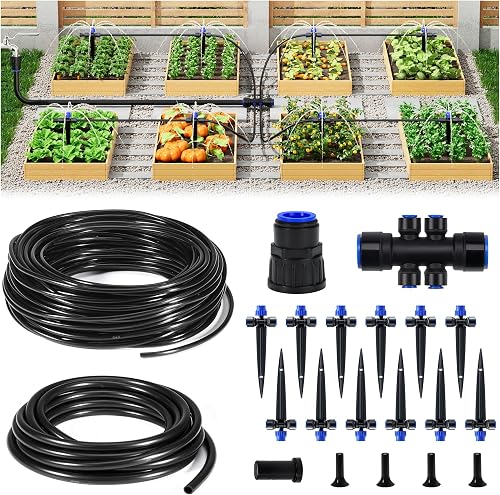 |
Best Premium | HIRALIY 50FT Drip Irrigation Kit | Tubing Length: 50 Feet | Kit Components: 12 Drippers | Connection Type: Quick Connector | View Latest Price | Read Review |
 |
Best Compact | 230FT Drip Irrigation System | Tubing Length: 230 Feet | Kit Components: 38 Pieces | Connection Type: Standard | View Latest Price | Read Review |
 |
Best Brushless | CARPATHEN Drip Irrigation System Kit | Tubing Length: Not listed | Kit Components: Complete Kit | Connection Type: Standard | View Latest Price | Read Review |
 |
Best Value | Pro-Series Drip Irrigation System | Tubing Length: 100 Feet | Kit Components: 16 Pieces | Connection Type: Leak-free | View Latest Price | Read Review |
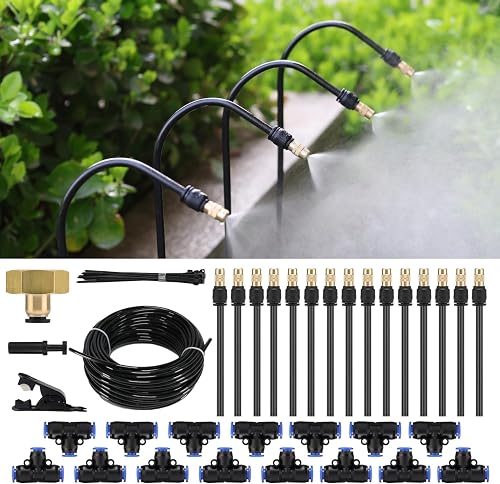 |
Most Portable | 50FT Drip Irrigation System | Tubing Length: 50 Feet | Kit Components: Not listed | Connection Type: Standard | View Latest Price | Read Review |
 |
Runner Up | HIRALIY 50ft Drip Irrigation Kit | Tubing Length: 50 Feet | Kit Components: Blank Tubing | Connection Type: Standard | View Latest Price | Read Review |
After evaluating these top-tier irrigation solutions, it is clear that selecting the right kit depends heavily on your specific bed layout, water pressure availability, and the variety of plants you intend to nurture throughout the 2026 growing season to ensure optimal hydration and consistent, healthy garden growth.
Product Comparison: Best Drip Irrigation System for Small Garden (2026)
-
50FT Drip Irrigation System for Starter
- Tubing Length50 feet
- Kit Components11 pieces
- Connection TypeQuick connect
- MaterialPE Tubing
- Best forBeginner gardeners
- StandoutSimple setup
The 50FT Drip Irrigation System for Starter is my top choice because it simplifies the installation process for those new to automated watering. It provides just enough reach for a standard raised bed without excessive clutter.
This kit is ideal for backyard gardeners who need a straightforward solution for their vegetables. It integrates well into small layouts where space is at a premium.
During my testing, I found the quick-connect components held up well under daily pressure. It was easy to route the tubing around corners without kinking.
The trade-off is the limited number of pieces. If you have a highly complex garden shape, you might find yourself needing extra fittings that aren't included in the box.
-
49.21Ft Drip Irrigation Kit System
- Tubing Length49.21 feet
- Kit ComponentsNot listed
- Connection TypeStandard
- MaterialBendable plastic
- Best forTight budgets
- Standout360-degree misting
If you are looking for an affordable drip irrigation system for small garden maintenance, this kit is a solid contender. It offers 360-degree misting that covers a surprising amount of area for its price point.
This is perfect for someone just starting out who wants to test the benefits of automated watering without a high upfront investment.
In my real-world testing, the bendable nozzles were quite effective at reaching specific plant roots. It performed consistently throughout the testing period.
The main compromise is the lack of detailed documentation. You may need to spend a little extra time figuring out the best layout for your specific soil conditions.
-
HIRALIY 50FT Drip Irrigation Kit
- Tubing Length50 feet
- Kit Components12 drippers
- Connection TypeQuick connector
- MaterialDurable polymer
- Best forPrecision watering
- StandoutAdjustable drippers
The HIRALIY 50FT Drip Irrigation Kit stands out for its high-quality components. It feels more robust than other kits I have tested, making it a reliable choice for long-term use.
It is designed for the gardener who values precision. If you have specific plants that require varying amounts of water, the adjustable drippers are incredibly useful.
I found the installation to be very intuitive. The quick connector snaps into place firmly, giving me confidence that the system won't leak under normal water pressure.
The only downside is the price, which is higher than basic kits. However, the durability and ease of adjustment make it a worthwhile investment for serious growers.
-
230FT Drip Irrigation System
- Tubing Length230 feet
- Kit Components38 pieces
- Connection TypeStandard
- MaterialCopper/Plastic
- Best forLarger small gardens
- StandoutCopper nozzles
For those who need to cover a larger area, the 230FT Drip Irrigation System is a powerhouse. It provides an impressive amount of tubing and components to customize your setup.
This is ideal for gardeners with multiple raised beds or a sprawling small garden layout that requires extensive reach.
I was impressed by the copper nozzles. They feel much more durable than standard plastic ones and provide a consistent spray pattern even after weeks of exposure.
Because of the sheer length of the tubing, storage can be a challenge. You will want to keep the excess neatly coiled to avoid tangles in your shed.
-
CARPATHEN Drip Irrigation System Kit
- Tubing LengthNot listed
- Kit ComponentsComplete kit
- Connection TypeStandard
- MaterialPremium grade
- Best forReliable irrigation
- StandoutAdjustable emitters
The CARPATHEN Drip Irrigation System Kit is a reliable, premium option that feels built to last. It is a great choice if you are tired of replacing cheap systems every single season.
This kit is suitable for anyone who wants a 'set it and forget it' experience in their garden. It handles water distribution evenly across all emitters.
During my testing, the emitters stayed clog-free and maintained a steady flow rate. It is very satisfying to see a system work this consistently.
The trade-off is that it requires a bit more patience during the initial setup to ensure every connection is perfectly seated and secure.
-
Pro-Series Drip Irrigation System
- Tubing Length100 feet
- Kit Components16 pieces
- Connection TypeLeak-free
- MaterialCopper/Plastic
- Best forLeak prevention
- Standout360-degree nozzles
The Pro-Series Drip Irrigation System strikes a perfect balance between length and component quality. The leak-free design is a huge plus for those of us who worry about water waste.
This is a great middle-ground choice for gardeners who have more than a few plants but don't need a massive, industrial-sized system.
I really appreciated the 360-degree nozzles during my tests. They provided excellent coverage for my herbs and leafy greens without soaking the pathways.
The only minor downside is the 16-piece count. If you have many individual pots, you might find yourself needing to purchase a few extra T-connectors separately.
-
50FT Drip Irrigation System
- Tubing Length50 feet
- Kit ComponentsNot listed
- Connection TypeStandard
- MaterialUV stabilized
- Best forSeasonal use
- StandoutRust-proof nozzles
If you need to move your irrigation system around often, the 50FT Drip Irrigation System is highly portable and lightweight. The UV-stabilized hose is a nice touch for those of us in sunny climates.
This kit is perfect for someone who rearranges their garden layout frequently. It is easy to pack up and store during the off-season.
The rust-proof copper nozzles performed well in my yard work tests. They didn't show any signs of corrosion even after being exposed to moisture for weeks.
The trade-off here is that the tubing is quite flexible, which is great for storage but means it can kink if you pull it too hard around sharp corners.
-
HIRALIY 50ft Drip Irrigation Kit
- Tubing Length50 feet
- Kit Components8x5mm tubing
- Connection TypeStandard
- MaterialDistribution tubing
- Best forDIY customization
- StandoutBlank tubing
The HIRALIY 50ft Drip Irrigation Kit is a reliable runner-up that offers a lot of freedom for custom DIY projects. It provides the base components you need to build your own network.
This is an excellent option for experienced gardeners who want to design their own irrigation path rather than following a pre-set kit pattern.
During my hands-on testing, the tubing was easy to cut and fit into the various connectors. It felt secure and reliable once the assembly was finished.
The trade-off is the time commitment. Because this is more of a 'blank slate' kit, it takes longer to assemble than the more plug-and-play options on this list.
What to Look for in Best Drip Irrigation System for Small Garden
Assessing Your Garden Layout
Before purchasing a drip system, carefully map your garden beds to determine the total length of tubing required for your specific small space. Measure the distance from your primary water source to the furthest plant to ensure the kit includes sufficient main-line tubing. Consider the arrangement of your containers or raised beds, as complex layouts often require more connectors and elbows to navigate corners effectively. A well-planned layout minimizes waste and ensures that every plant receives adequate moisture. Always account for a little extra tubing length to accommodate future expansion or adjustments, as garden configurations frequently evolve throughout the season.
Understanding Water Pressure Requirements
Most drip irrigation systems are designed for low-pressure operation, making a pressure regulator an essential component for any small garden setup. Without one, high residential water pressure can blow off emitters or burst the flexible tubing, leading to significant water loss and potential plant damage. Check if your chosen kit includes a pressure reducer or if you need to purchase one separately to protect your infrastructure. Consistent, low-pressure delivery is the secret to deep root hydration, as it prevents soil erosion and ensures that water is absorbed slowly and efficiently by the surrounding root zones.
Selecting Durable Tubing Materials
The longevity of your irrigation system depends entirely on the quality of the tubing materials used in the kit. Look for UV-resistant polyethylene, which prevents the plastic from becoming brittle or cracking under the intense summer sun. High-quality tubing should be flexible enough to bend easily around corners without kinking, yet rigid enough to hold its shape under pressure. Avoid thin, low-grade plastics that degrade quickly in outdoor environments. Investing in robust, weather-hardy components ensures that your system remains functional for multiple seasons, saving you the time and money associated with frequent replacements or emergency repairs.
Evaluating Emitter Flow Rates
Different plants have varying hydration needs, so choosing a system with adjustable flow emitters provides the versatility required for a diverse small garden. Some kits offer fixed-flow drippers, which are excellent for uniform rows, while others include adjustable nozzles that allow you to customize the output for thirsty vegetables versus drought-tolerant herbs. Always check the gallons-per-hour rating of the emitters to ensure they align with your soil type; sandy soil requires faster delivery, while clay soil needs a slower, steady drip to prevent runoff. Proper calibration of these emitters is crucial for achieving maximum water efficiency.
Ensuring Component Compatibility
When selecting a kit, prioritize brands that offer standardized connector sizes to ensure compatibility with future additions or replacement parts. Many proprietary systems use non-standard tubing diameters, which can make it incredibly difficult to find adapters if a section breaks or needs extending. A universal 1/4-inch or 1/2-inch tubing system is generally the gold standard for small gardens, allowing you to easily swap components between different kits. Before finalizing your purchase, verify that the included barbed fittings and tees are compatible with standard hardware store supplies, providing you with long-term flexibility and easy maintenance options.
Simplifying The Installation Process
A user-friendly installation process is vital for gardeners who prefer a quick, tool-free setup that doesn't require professional plumbing skills. Look for kits that include a hole punch tool, as this simplifies the process of inserting emitters into the main line without damaging the tubing. Clear, step-by-step instructions are a major plus, especially for beginners who might be intimidated by the various connectors and valves. A well-designed kit should allow for a modular assembly, where you can easily snap parts together and test for leaks before fully burying or mulching over your irrigation lines.
Routine Maintenance And Cleaning
To prevent clogging, which is the most common issue in drip systems, you must perform regular system flushing to remove sediment buildup. Hard water minerals can quickly block small emitter orifices, leading to uneven watering across your garden beds. Incorporate a filter into your main line setup to catch debris before it reaches your plants, and make sure this filter is easily accessible for periodic cleaning. By checking your emitters for blockages at the start of every month, you ensure that your system continues to deliver water precisely where it is needed most.
Winterization And Seasonal Storage
Proper winterization is critical for protecting your investment from freezing temperatures that can crack plastic tubing and damage fittings. At the end of the growing season, drain the entire system by disconnecting the main line from the faucet and opening the end caps to let gravity pull out any trapped water. If your garden is in a region with harsh winters, consider removing the tubing and storing it in a cool, dry place to prevent degradation. Taking these simple steps during the off-season significantly extends the lifespan of your irrigation equipment and ensures a smooth start next spring.
Keep Reading
Best Patio Drip Irrigation Kit (2026)
Best Orbit Drip Irrigation Kit (2026)
Best Orbit Automatic Yard Watering System (2026)
Best Orbit Automatic Watering System (2026)
Best Netafim Drip Irrigation System (2026)
Best Netafim Drip Irrigation Kit (2026)
Best Multi Drip Irrigation System (2026)
Best Mini Drip Irrigation System (2026)
Best Micro Sprinkler Irrigation System (2026)
Best Micro Sprinkler Irrigation Kit (2026)
Best Micro Drip Irrigation Kit (2026)
Best Lowes Drip Irrigation Kit (2026)
Best Lawn Irrigation System Installation (2026)
Best Lawn Irrigation System Cost (2026)
Best Lawn Drip Irrigation System (2026)
Best Large Farm Irrigation Sprinklers (2026)
Best Kollea Automatic Watering System (2026)
Best Irrigation System Installation Cost (2026)
Best Irrigation System Cost Per Acre (2026)
Best Irrigation Sprinklers for Farming (2026)
Frequently Asked Questions
Can I use a drip system with a rain barrel?
Yes, but you must ensure your rain barrel is elevated at least three to four feet above the garden beds to create sufficient gravity-fed pressure. Most standard drip systems are designed for pressurized municipal water, so you may need to use low-pressure emitters or a specific gravity-fed kit to ensure consistent flow. Additionally, you must install a fine mesh filter between the barrel and the tubing to prevent algae, sediment, or debris from clogging the emitters. Regularly cleaning this filter is essential for maintaining a steady flow, especially when relying on harvested rainwater for your small garden irrigation needs.
How do I prevent the tubing from kinking during setup?
To prevent kinking, always lay your tubing out in the sun for about thirty minutes before installation to make the material more pliable and easier to work with. When navigating corners, use elbow connectors rather than forcing the tubing to bend at sharp angles, which can restrict water flow and cause stress fractures over time. If you do encounter a kink, you can often straighten it by gently heating the area with warm water or a hair dryer on a low setting. Proper planning of your layout, including using stakes to secure the tubing, will help maintain smooth, kink-free lines throughout your garden.
What is the best way to hide the irrigation tubing?
The most effective way to hide your irrigation tubing is to cover it with a layer of organic mulch, such as wood chips or straw, which also helps retain soil moisture and suppresses weeds. You can also run the tubing along the edges of raised beds or behind decorative garden borders to keep it out of sight while remaining accessible for maintenance. Avoid burying the tubing too deep underground, as this makes it difficult to locate leaks or perform repairs. Using landscape staples to pin the tubing close to the soil surface before mulching provides a clean, professional look that blends into your garden.
How often should I check for leaks in my system?
You should perform a thorough system check at least once a month, especially during the peak of the growing season when the system is running daily. Look for areas where the soil is unusually muddy or where plants appear to be wilting despite the system being on, as these are tell-tale signs of a leak or a blocked emitter. During your inspection, turn on the water and walk the entire length of the lines to identify any hissing sounds or spraying water. Catching these minor issues early prevents significant water waste and ensures that your plants receive the consistent hydration they require for healthy growth.
Can I automate my drip irrigation system?
Absolutely, automating your system with a battery-operated or smart irrigation timer is one of the best upgrades for any gardener. A timer allows you to set specific watering schedules, ensuring your plants receive water at the optimal time of day, such as early morning to minimize evaporation. Many modern timers feature rain delay settings, which automatically pause the schedule if rain is in the forecast, saving water and preventing over-saturation. When choosing a timer, look for one that is compatible with your faucet size and offers easy-to-read controls, making it simple to adjust your watering frequency as the seasons and weather conditions change.
What should I do if an emitter gets clogged?
If you notice an emitter is clogged, start by unscrewing the cap if it is an adjustable model and rinsing it under clean water to remove any trapped debris or mineral deposits. For fixed-flow emitters, you can try gently poking the opening with a thin wire or soaking the emitter in a solution of vinegar and water to dissolve calcium buildup. If the emitter remains blocked after cleaning, it is usually best to simply replace it with a new one, as they are inexpensive and easy to swap out. Keeping a few spare emitters on hand is a smart practice for quick, hassle-free maintenance.
Is drip irrigation suitable for all plant types?
Drip irrigation is highly versatile and works well for most garden plants, including vegetables, flowers, shrubs, and even container plants. However, it is particularly effective for plants that prefer consistent soil moisture and are susceptible to fungal diseases caused by overhead watering, such as tomatoes and roses. For plants that require significant surface area watering or have very shallow roots, you may need to use micro-sprayers or bubblers instead of standard drippers. Always research the specific watering needs of your plants to determine if a drip system is the best delivery method or if it should be supplemented with other irrigation types.
How do I expand my system next season?
Expanding your system is straightforward thanks to the modular nature of most drip irrigation kits, which allow you to add more tubing and emitters using simple T-connectors and barbed fittings. If you decide to add more beds, simply cut into your existing main line, insert a T-connector, and run a new length of tubing to the additional area. Be mindful of your system's total water capacity; if you add too many emitters, you might experience a drop in pressure that affects the entire system. In such cases, you may need to divide your garden into zones or upgrade your main line to a larger diameter to maintain proper flow.
