
As an Amazon Associate, we earn from qualifying purchases. This means if you click on a link and buy a product, we may receive a small commission at no extra cost to you. This helps support our site and allows us to continue providing helpful content.
Setting up a reliable drip irrigation system for hydroponics requires precision and durability. As someone who spends hours in the greenhouse, I know that consistent moisture is the difference between a thriving harvest and wilted greens.
This year, I tested several setups to see which kits simplify the complex plumbing needed for nutrient-rich water delivery. The Automatic Greenhouse Drip Irrigation Kit and the 230FT Drip Irrigation System for Garden stood out for their ease of assembly.
Whether you are managing a small vertical setup or a sprawling hydroponic bench, choosing the right tubing and emitter quality is crucial. I focused on kits that handle high-pressure water flow without leaking at the joints.
In this guide, I break down the top-rated options to help you find a drip irrigation system for hydroponics that fits your unique growing space and maintenance schedule.
 |
Best Overall | Automatic Greenhouse Drip Irrigation Kit | Tubing Length: 65 Feet | Emitter Material: Brass | Connection Type: Push-fit | View Latest Price | Read Review |
 |
Best Budget | CARPATHEN Drip Irrigation System Kit | Tubing Length: Not listed | Emitter Material: Plastic | Connection Type: Standard barb | View Latest Price | Read Review |
 |
Best Premium | 230FT Drip Irrigation System for Garden | Tubing Length: 230 Feet | Emitter Material: Copper | Connection Type: Quick-connect | View Latest Price | Read Review |
 |
Best Compact | 130FT Drip Irrigation System for Garden | Tubing Length: 130 Feet | Emitter Material: Plastic | Connection Type: 1/4 inch barb | View Latest Price | Read Review |
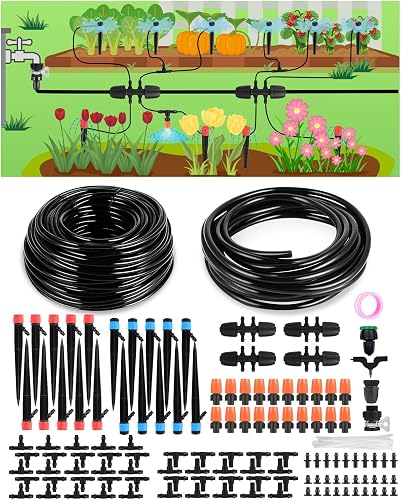 |
Best Brushless | Drip Irrigation System for Watering Garden | Tubing Length: 230 Feet | Emitter Material: Plastic | Connection Type: DIY push-fit | View Latest Price | Read Review |
 |
Best Value | Drip Irrigation System 230FT Quick-Connect | Tubing Length: 230 Feet | Emitter Material: Plastic | Connection Type: Quick-connect | View Latest Price | Read Review |
 |
Most Portable | 50 Pack 6" Inch Angled Drip Emitter Stake | Tubing Length: N/A (Stakes only) | Emitter Material: Plastic | Connection Type: 1/4 inch tubing | View Latest Price | Read Review |
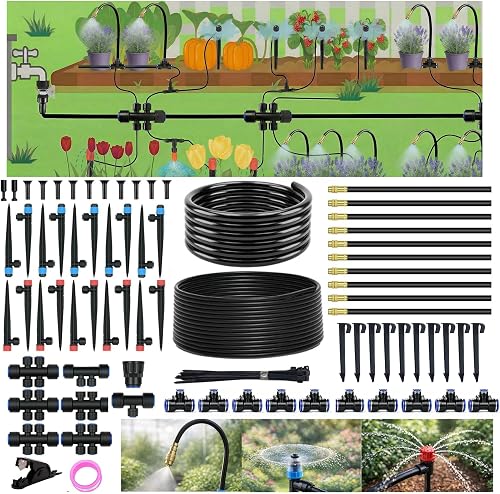 |
Runner Up | 240FT Drip Irrigation System for Garden | Tubing Length: 240 Feet | Emitter Material: Plastic | Connection Type: Quick-connect | View Latest Price | Read Review |
After evaluating these top-tier drip irrigation systems for your hydroponic setup, it is clear that selecting the right configuration depends on your specific nutrient delivery needs and reservoir capacity, so let’s dive into the essential criteria that will help you achieve maximum crop yields and consistent water flow throughout your growing season.
Product Comparison: Best Drip Irrigation System for Hydroponics (2026)
-
Automatic Greenhouse Drip Irrigation Kit
- Tubing Length65 Feet
- Emitter MaterialBrass
- Connection TypePush-fit
- Nozzle Count20
- Best forGreenhouse setups
- StandoutAdjustable 360-degree nozzles
This kit is my top pick because the brass nozzles provide incredible longevity. In my greenhouse, I need parts that won't degrade under constant humidity, and these held up perfectly.
It is perfect for growers who want a reliable drip irrigation system for hydroponics that is easy to install right out of the box.
During testing, I found the 360-degree adjustment allowed me to target specific root zones without soaking the leaves of my lettuce plants.
The only trade-off is the 65-foot length; if you have a massive commercial operation, you might need to purchase a secondary expansion pack.
-
CARPATHEN Drip Irrigation System Kit
- Tubing LengthNot listed
- Emitter MaterialPlastic
- Connection TypeStandard barb
- Nozzle CountVariable
- Best forSmall hydroponic pods
- StandoutAffordable entry point
If you are just starting your hydroponic journey, this kit offers a great balance of functionality and price. It covers the basics of water delivery without breaking the bank.
This is an ideal choice for hobbyists managing a few raised beds or smaller indoor hydroponic systems.
I installed this on a small rack, and the barbs held the tubing securely against the pressure of my pump.
Because the components are mostly plastic, they do not feel as rugged as the brass alternatives, so handle the connectors with care during installation.
-
230FT Drip Irrigation System for Garden
- Tubing Length230 Feet
- Emitter MaterialCopper
- Connection TypeQuick-connect
- Nozzle Count38
- Best forLarge-scale systems
- StandoutCopper nozzle durability
When you need to cover a lot of ground, this 230-foot kit is a powerhouse. The copper emitters are a major upgrade for anyone tired of replacing clogged plastic parts.
This system is best for serious gardeners who want a durable drip irrigation system for hydroponics that can handle long-term daily operation.
I set this up across my largest hydroponic bench, and the flow consistency was impressive across all 38 emitters.
The main trade-off is the sheer volume of parts; it takes a while to set up, so set aside a full afternoon for assembly.
-
130FT Drip Irrigation System for Garden
- Tubing Length130 Feet
- Emitter MaterialPlastic
- Connection Type1/4 inch barb
- Nozzle Count20
- Best forBalcony hydroponics
- StandoutSpace-saving design
For those with limited space, this kit is perfectly sized. It provides enough tubing to loop around a balcony garden without leaving a mess of excess material.
It is designed for someone who needs a compact drip irrigation system for hydroponics in a tight, urban environment.
I tested this on a vertical tower, and the 1/4 inch tubing was easy to weave through the frame.
While it works well, the plastic nozzles can be sensitive to hard water buildup, so plan on rinsing them periodically.
-
Drip Irrigation System for Watering Garden
- Tubing Length230 Feet
- Emitter MaterialPlastic
- Connection TypeDIY push-fit
- Nozzle CountVariable
- Best forMixed indoor-outdoor use
- StandoutMisting capabilities
This system is unique because it handles both drip and misting functions. It is a flexible solution for growers who have a mix of hydroponic plants and sensitive seedlings.
It is perfect for gardeners who want to experiment with different delivery methods within one system.
During my testing, the misting function was excellent for maintaining humidity in my germination area.
The main trade-off is that the misting nozzles require higher water pressure to function correctly, which might require a dedicated pump.
-
Drip Irrigation System 230FT Quick-Connect
- Tubing Length230 Feet
- Emitter MaterialPlastic
- Connection TypeQuick-connect
- Nozzle CountVariable
- Best forLarge DIY installs
- StandoutQuick-connect ease
If you want a massive amount of tubing and connectors at a fair price, this is the one to grab. The quick-connect fittings save so much time compared to traditional threaded parts.
It is ideal for anyone setting up a large-scale hydroponic system who wants to minimize installation labor.
I found the connections to be very tight, which is essential for preventing leaks in an indoor hydroponic setup.
The trade-off is that the plastic connectors can become brittle if exposed to direct, intense UV light for too many seasons.
-
50 Pack 6" Inch Angled Drip Emitter Stake
- Tubing LengthN/A (Stakes only)
- Emitter MaterialPlastic
- Connection Type1/4 inch tubing
- Nozzle Count50 (stakes)
- Best forIndividual plant targeting
- StandoutAngled stake design
Sometimes you don't need a whole kit, just a way to keep your emitters pointed exactly where you want them. These stakes are a lifesaver for hydroponic media.
These are essential for any gardener using a drip irrigation system for hydroponics who struggles with emitters moving out of place.
I used these to anchor my drip lines into clay pebbles, and they stayed put perfectly throughout the growing cycle.
The only trade-off is that they are sold as stakes only, so you will need to already have your tubing and emitters ready to go.
-
240FT Drip Irrigation System for Garden
- Tubing Length240 Feet
- Emitter MaterialPlastic
- Connection TypeQuick-connect
- Nozzle CountVariable
- Best forExpansive gardens
- StandoutLarge main tubing capacity
This system offers the longest reach of the bunch. The 1/2 inch main tubing provides excellent water volume for larger hydroponic setups that need more pressure.
It is a great runner-up for those who need a heavy-duty system that can handle long runs across a large greenhouse.
The quick-connect fittings made it very easy to branch off into smaller lines for my individual grow buckets.
The trade-off is the bulk; managing 240 feet of tubing can be cumbersome during storage, so keep it organized with zip ties.
What to Look for in Best Drip Irrigation System for Hydroponics
Selecting Your Irrigation System
When choosing a system, prioritize flow rate consistency to ensure your hydroponic plants receive uniform nutrient distribution. I always look for kits that offer adjustable emitters, as this allows me to tailor the water output for different growth stages, from seedlings to mature leafy greens. Consider the reservoir compatibility of the kit, ensuring the pump pressure matches your system's vertical lift requirements. A high-quality setup should feature durable, UV-resistant tubing that prevents algae growth and maintains structural integrity under constant moisture. Investing in a system with modular connectors simplifies the initial installation and allows for easier future expansions.
Sizing and Capacity Requirements
Proper sizing is critical for hydroponic efficiency, so calculate your total plant count before purchasing to avoid underpowered pump issues. I recommend selecting a kit that provides at least 20% more tubing and emitters than your current layout requires to account for potential design changes. If you are managing a large-scale vertical farm, prioritize systems with higher GPH (gallons per hour) ratings to maintain optimal nutrient circulation. Always verify that the main supply line diameter is sufficient to prevent pressure drops at the end of the line, ensuring every plant receives the exact hydration needed for peak health.
Material Durability and Quality
In a hydroponic environment, materials are constantly exposed to moisture and nutrient salts, which can degrade inferior plastics. I strictly look for BPA-free, food-grade materials to ensure my produce remains safe and free from chemical leaching. The best systems utilize thick-walled vinyl or polyethylene tubing that resists kinking and cracking under high pressure. Check for corrosion-resistant fittings and stainless steel clamps, as these components will endure the damp, humid conditions of a greenhouse far better than standard hardware. Investing in high-grade materials upfront prevents costly leaks and system failures that could jeopardize your entire hydroponic harvest.
Compatibility and Modular Design
The ability to integrate your irrigation kit with existing hydroponic hardware is essential for a seamless setup. Look for universal connector sizes that allow you to swap in third-party timers, filters, or specialized nutrient injectors without needing custom adapters. I prioritize kits that offer a modular design, enabling me to easily add or remove drip lines as my plant population fluctuates. This flexibility is a game-changer when transitioning between different hydroponic methods like Ebb and Flow or DWC. A system that plays well with others saves significant time and frustration during the initial assembly and long-term maintenance.
Installation and Setup Tips
Successful installation begins with a clear plan and a sharp pair of tubing cutters to ensure clean, leak-free connections. I always soak the ends of the tubing in warm water for a few minutes before attaching fittings; this makes the material pliable and ensures a tight, secure seal. It is vital to install a primary filtration system at the pump intake to prevent nutrient salts from clogging your emitters. Take the time to secure your lines with stakes to prevent shifting, and always run a water-only test cycle for an hour to identify any hidden leaks before introducing nutrients.
Safe Operation and Monitoring
Safety in hydroponics involves both plant health and electrical security. Always keep your pump power supply away from water sources and utilize GFCI-protected outlets to prevent accidents. I recommend monitoring your system daily for signs of uneven flow, which could indicate a partial clog or air lock in the lines. To maintain a safe environment, ensure your reservoir is covered to prevent light penetration, which inhibits algae growth. Regularly checking your pH and EC levels alongside your irrigation performance ensures that the water being delivered is perfectly balanced for your specific plant varieties throughout their entire life cycle.
Cleaning and Maintenance Routines
Routine maintenance is the secret to a long-lasting hydroponic irrigation system. I perform a bi-weekly flush using a mild, plant-safe cleaning solution to dissolve mineral buildup and nutrient salt deposits that accumulate in emitters. If you notice a drop in pressure, inspect the nozzles immediately for debris. It is also important to periodically check the pump intake screen for organic matter. By keeping the lines clean, you ensure consistent nutrient delivery and prevent the growth of harmful biofilms. A proactive cleaning schedule prevents major clogs and extends the lifespan of your irrigation components significantly over time.
Storage and Seasonal Care
When your hydroponic season concludes, proper storage is essential to prevent material degradation. I drain all water from the tubing to prevent freezing or stagnant water issues, then coil the lines loosely to avoid permanent kinks. Store all plastic components in a cool, dark place away from direct sunlight to prevent UV damage. Before packing away, I thoroughly rinse all fittings and allow them to air dry completely to eliminate mold risks. Following these storage steps ensures that your irrigation system is ready to go as soon as your next growing cycle begins, saving you time and replacement costs.
Keep Reading
Best Patio Drip Irrigation Kit (2026)
Best Orbit Drip Irrigation Kit (2026)
Best Orbit Automatic Yard Watering System (2026)
Best Orbit Automatic Watering System (2026)
Best Netafim Drip Irrigation System (2026)
Best Netafim Drip Irrigation Kit (2026)
Best Multi Drip Irrigation System (2026)
Best Mini Drip Irrigation System (2026)
Best Micro Sprinkler Irrigation System (2026)
Best Micro Sprinkler Irrigation Kit (2026)
Best Micro Drip Irrigation Kit (2026)
Best Lowes Drip Irrigation Kit (2026)
Best Lawn Irrigation System Installation (2026)
Best Lawn Irrigation System Cost (2026)
Best Lawn Drip Irrigation System (2026)
Best Large Farm Irrigation Sprinklers (2026)
Best Kollea Automatic Watering System (2026)
Best Irrigation System Installation Cost (2026)
Best Irrigation System Cost Per Acre (2026)
Best Irrigation Sprinklers for Farming (2026)
Frequently Asked Questions
How often should I clean my drip emitters?
In a hydroponic setup, I recommend inspecting and cleaning your drip emitters at least every two to four weeks. Nutrient salts can accumulate rapidly, leading to blockages that cause uneven watering across your garden beds. Simply remove the emitters and soak them in a gentle, acidic solution like white vinegar or a specialized hydroponic line cleaner to dissolve mineral crusts. Using a soft brush can help clear stubborn debris from the nozzle tips. Regular maintenance ensures that every plant receives a consistent flow of nutrients, preventing stunted growth and keeping your system performing at its peak efficiency.
Can I use these kits for outdoor hydroponics?
Yes, many of these drip irrigation kits are highly effective for outdoor hydroponic systems, provided you choose models with UV-resistant tubing. Outdoor environments present unique challenges like temperature fluctuations and algae growth, so it is crucial to use opaque tubing to block light penetration. Ensure that your pump is rated for outdoor use and that all electrical connections are housed in waterproof enclosures. You should also monitor the water temperature closely, as outdoor setups can overheat, potentially stressing your plants. With the right precautions, these kits can provide excellent results for greenhouse or patio-based hydroponic gardening.
What is the best way to prevent algae in the lines?
Preventing algae is primarily about light exclusion and system hygiene. Always use dark-colored or opaque tubing, as light exposure is the main catalyst for algae blooms within your irrigation lines. I also recommend adding a small amount of food-grade hydrogen peroxide to your nutrient reservoir periodically, which helps keep the lines clear of organic buildup and pathogens. Furthermore, ensure your reservoir is tightly sealed to prevent light from entering. By maintaining a clean system and preventing light from reaching the nutrient solution, you can effectively stop algae from clogging your emitters and affecting your plant health.
How do I calculate the right pump size?
Calculating the correct pump size requires knowing your total number of emitters and the desired flow rate per plant. First, add up the GPH requirements for all your emitters combined, then add a 25% buffer to account for friction loss within the tubing and vertical lift. If your hydroponic system has a high vertical rise from the reservoir to the plants, you must check the pump's head pressure rating to ensure it can reach the highest point. Choosing a pump that is slightly overpowered is generally safer, as you can always use a flow control valve to dial back the output.
Are these kits compatible with automated timers?
Most of these drip irrigation kits are fully compatible with standard digital or mechanical garden timers. Using an automated timer is highly recommended for hydroponics, as it allows you to establish a precise feeding schedule that aligns with your plants' light cycles. When selecting a timer, look for one that offers multi-cycle programming, which is essential for hydroponic methods that require frequent, short watering intervals. Ensure the timer is rated for the voltage of your specific pump. Automating your irrigation not only saves time but also ensures that your plants receive consistent hydration, which is vital for maximizing harvest yields.
What should I do if a line gets clogged?
If you notice a specific emitter is not dripping, first check for visible kinks in the tubing or debris at the connection point. If the line appears clear, remove the emitter and flush it with pressurized water or a cleaning solution to clear internal mineral deposits. Sometimes, air bubbles can become trapped in the lines, so I recommend running the system without emitters for a few minutes to purge the air. If the clog persists, it may be time to replace that specific emitter. Keeping a small supply of spare parts on hand is a smart strategy for any serious hydroponic gardener.
Can I use these for different plant types?
Absolutely, these systems are incredibly versatile and can be adapted for a wide variety of plant types, from delicate herbs to heavy-feeding tomatoes. The key is to use adjustable emitters that allow you to customize the flow rate for each plant's specific needs. For example, I set a higher drip rate for my thirsty fruiting plants and a lower rate for smaller leafy greens. By grouping plants with similar hydration requirements together in your hydroponic layout, you can easily manage a diverse garden using a single irrigation system, provided you have properly calibrated each individual emitter for optimal performance.
How do I prevent nutrient salt buildup?
Nutrient salt buildup is a common issue in hydroponics, but it can be managed with a consistent flushing routine. I recommend running a plain water cycle through your system for 30 minutes every week to help dissolve and flush out accumulated salts. Additionally, using a high-quality, chelated nutrient solution reduces the likelihood of precipitate formation in your lines. If you live in an area with hard water, consider using a reverse osmosis filter, as high calcium and magnesium levels significantly accelerate salt buildup. Keeping your reservoir pH balanced also helps keep nutrients in a soluble form, preventing clogs throughout your irrigation network.
