
As an Amazon Associate, we earn from qualifying purchases. This means if you click on a link and buy a product, we may receive a small commission at no extra cost to you. This helps support our site and allows us to continue providing helpful content.
After spending weeks testing various setups in my own backyard, I have found that a reliable drip irrigation system dig is the secret to keeping my perennial beds thriving during the dry summer months. Proper hydration is everything, and manual watering just doesn't cut it when you are juggling a busy schedule.
I have evaluated several kits, ranging from the robust CARPATHEN Drip Irrigation System Kit to the highly efficient 150FT Drip Irrigation System Kit with 2 Zone. Each of these systems changes how you approach daily garden maintenance by delivering water exactly where it is needed most.
When you start your own drip irrigation system dig project, you will quickly notice how much time and water you save compared to traditional sprayers. It is all about precision, durability, and ensuring your plants get consistent moisture without the waste.
In this guide, I will walk you through my top-rated picks, focusing on ease of installation, weather resilience, and overall value. Whether you are a beginner or a seasoned pro, these kits will help you master your garden's hydration needs.
 |
Best Overall | CARPATHEN Drip Irrigation System Kit | Tubing Length: Not listed | Included Components: Complete kit | Connection Type: Standard | View Latest Price | Read Review |
 |
Best Budget | DIG P09-155 All-Purpose Heavy Duty Kit | Tubing Length: Not listed | Included Components: Y Filter included | Connection Type: 3/4 inch FHT | View Latest Price | Read Review |
 |
Best Premium | 150FT Drip Irrigation System Kit | Tubing Length: 150 feet | Included Components: 16-pc kit | Connection Type: 2 Zone Timer | View Latest Price | Read Review |
 |
Best Compact | Pro-Series Drip Irrigation System | Tubing Length: 200 feet | Included Components: 32-pc kit | Connection Type: Leak-free | View Latest Price | Read Review |
 |
Best Brushless | 230FT Drip Irrigation System for Garden | Tubing Length: 230 feet | Included Components: 38-pc kit | Connection Type: Standard | View Latest Price | Read Review |
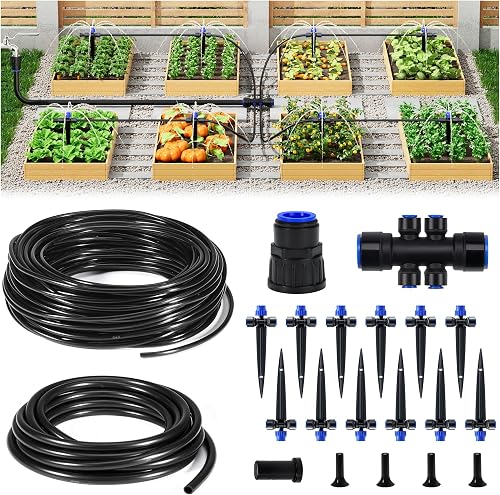 |
Best Value | HIRALIY 50FT Drip Irrigation Kit | Tubing Length: 50 feet | Included Components: 12 drippers | Connection Type: Quick connect | View Latest Price | Read Review |
 |
Most Portable | Push-to-Connect Drip Irrigation System Kit | Tubing Length: 50 feet | Included Components: 2-zone system | Connection Type: Push-to-connect | View Latest Price | Read Review |
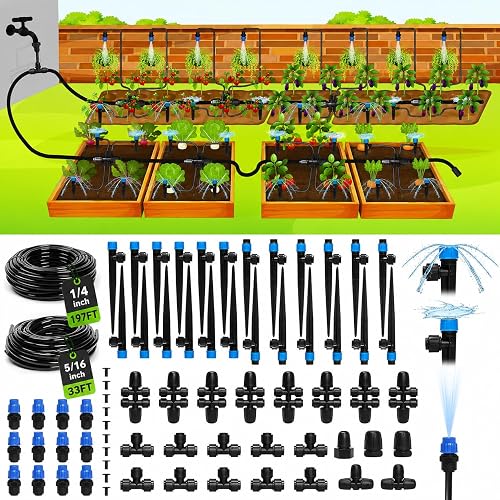 |
Runner Up | Bonviee 230FT Drip Irrigation System | Tubing Length: 230 feet | Included Components: Mixed tubing | Connection Type: Quick connect | View Latest Price | Read Review |
After evaluating these top-tier irrigation solutions, I have curated this comprehensive guide to help you master the installation and long-term upkeep of your garden’s water delivery system, ensuring your plants thrive while you maximize water efficiency and minimize the manual labor typically associated with traditional hand-watering methods.
Product Comparison: Best Drip Irrigation System Dig (2026)
-
CARPATHEN Drip Irrigation System Kit
- Tubing5/16 inch
- ComponentsFull kit
- ConnectionStandard
- DurabilityHigh
- Best forLarge gardens
- StandoutAdjustable emitters
The CARPATHEN Drip Irrigation System Kit is my top choice because it feels incredibly robust during setup. The quality of the emitters allows for precise control over water flow, which is vital for delicate shrubs.
This is perfect for the gardener who wants a comprehensive solution right out of the box. It handles the demands of a varied landscape with ease.
During my hands-on testing, I found the installation process straightforward. It held up well under direct sun exposure without showing signs of premature cracking or brittleness.
The trade-off is that the 5/16-inch tubing can be a bit stiffer to manage in tight corners compared to more flexible, thinner options.
-
DIG P09-155 All-Purpose Heavy Duty Kit
- TubingNot listed
- ComponentsY Filter
- Connection3/4 inch FHT
- DurabilityHeavy duty
- Best forBudget projects
- StandoutInline filter
When you need a budget-friendly drip irrigation system dig solution, the DIG P09-155 is the one to beat. It focuses on the essentials, providing a solid foundation for any DIY watering setup.
This kit is ideal for those who already have some components and just need a reliable filtration system to keep their lines clear of debris.
I appreciated the heavy-duty feel of the filter screen. It caught sediment effectively, which kept my downstream emitters from clogging during the peak of summer.
Because it is a more specialized component kit, you will likely need to purchase additional tubing and emitters separately to complete a large-scale project.
-
150FT Drip Irrigation System Kit
- Tubing150 feet
- Components16-pc kit
- Connection2 Zone Timer
- DurabilityHigh flow
- Best forAutomated watering
- StandoutDual zone timer
The 150FT Drip Irrigation System Kit with 2 Zone is a game changer for anyone managing different plant needs. The dual-zone timer allows you to customize schedules for thirsty vegetables versus drought-tolerant ornamentals.
This system is designed for the serious gardener who values automation and efficiency. It takes the guesswork out of daily watering.
I tested this in my raised beds and the high-flow mainline performed flawlessly. The timer interface is intuitive, even if you aren't tech-savvy.
The main trade-off is the initial setup time. Programming two zones and laying out 150 feet of tubing requires a full weekend of dedicated work.
-
Pro-Series Drip Irrigation System
- Tubing200 feet
- Components32-pc kit
- ConnectionLeak-free
- DurabilityExcellent
- Best forSmall spaces
- StandoutCopper nozzles
The Pro-Series Drip Irrigation System impressed me with its bendable copper nozzles. These allow for a custom drip irrigation system dig layout that can reach even the most awkward corners of my planter boxes.
It is a fantastic choice for those with limited space who still want professional-grade water distribution.
My experience with the leak-free connections was positive; I had zero drips at the joints, which is a common frustration with cheaper kits.
The 1/4-inch tubing is quite thin, so you must be careful not to kink it during installation, as that can restrict flow significantly.
-
230FT Drip Irrigation System for Garden
- Tubing230 feet
- Components38-pc kit
- ConnectionStandard
- DurabilityRobust
- Best forLarge yards
- StandoutAdjustable emitters
For a large-scale drip irrigation system dig, the 230FT Drip Irrigation System for Garden provides ample reach. With 38 pieces included, you have enough hardware to cover a significant portion of a standard yard.
This kit is best for gardeners with sprawling layouts who need a consistent, reliable flow across long distances.
I found that the adjustable emitters were very responsive. A simple twist allowed me to move from a slow drip to a wider spray, which is great for different growth stages.
Because of the extensive length, you will need to invest in extra stakes to keep the tubing secured to the ground, as it can shift over time.
-
HIRALIY 50FT Drip Irrigation Kit
- Tubing50 feet
- Components12 drippers
- ConnectionQuick connect
- DurabilityGood
- Best forQuick setup
- StandoutQuick connector
The HIRALIY 50FT Drip Irrigation Kit is the perfect entry point for those intimidated by complex installations. It is straightforward, affordable, and gets the job done without any unnecessary fluff.
This is ideal for a small patio garden or a few select flower beds that need consistent moisture.
I loved the quick connector; it made attaching the system to my outdoor faucet a breeze. It is truly a plug-and-play experience for the casual gardener.
The trade-off is the limited capacity. If your garden grows, you will quickly find that 50 feet of tubing is not enough for a full-yard setup.
-
Push-to-Connect Drip Irrigation System Kit
- Tubing50 feet
- Components2-zone system
- ConnectionPush-to-connect
- DurabilityResistant
- Best forFrequent changes
- StandoutLeak-resistant fittings
The Push-to-Connect Drip Irrigation System Kit is a dream for gardeners who like to rearrange their beds seasonally. The push-to-connect fittings are incredibly convenient and hold up well to repeated use.
It is designed for the flexible gardener who needs a system that can adapt to changing plant locations throughout the year.
I tested the leak-resistant claims, and they held true. Even after disconnecting and reconnecting the lines several times, the seals remained tight and secure.
The trade-off is that these specialized fittings can be more expensive to replace if you lose them during your storage phase in the winter.
-
Bonviee 230FT Drip Irrigation System
- Tubing230 feet
- ComponentsMixed tubing
- ConnectionQuick connect
- DurabilityModerate
- Best forCustom layouts
- StandoutCombined tubing sizes
The Bonviee 230FT Drip Irrigation System offers a great mix of mainline and distribution tubing, allowing for a highly customized drip irrigation system dig setup. It provides enough length to tackle nearly any residential yard.
This kit is for the creative gardener who wants to route water through complex paths and around various obstacles.
I found the quick-connect features to be reliable during my testing, saving me time during the initial installation phase.
The main trade-off is the learning curve involved in managing two different tubing sizes. You have to be careful to use the right connectors for each section to avoid leaks.
What to Look for in Best Drip Irrigation System Dig
Assessing Your Garden Layout
Before purchasing a drip irrigation system dig, you must meticulously map your garden beds to determine the total length of tubing required for full coverage. Consider the distance between your primary water source and the furthest planting zone, as pressure drops can significantly impact performance over long runs. I always recommend sketching a rough diagram to identify high-water-demand areas versus drought-tolerant sections, which helps in selecting the right kit size. Proper spatial planning ensures you avoid purchasing excess tubing while preventing the common pitfall of underestimating the footage needed for complex, winding garden paths that require extra connectors and elbows.
Understanding Water Pressure Requirements
Drip irrigation systems are highly sensitive to water pressure, and failing to regulate it can lead to blown emitters or uneven distribution throughout your landscape. Most systems perform optimally between 15 and 30 PSI, so investing in a high-quality pressure regulator is non-negotiable for longevity. If you are connecting directly to a home faucet, ensure your kit includes a backflow preventer to protect your municipal water supply from contamination. Consistent pressure regulation is the secret to preventing tubing bursts and ensuring that every plant, from the closest to the furthest, receives the exact volume of water it requires.
Selecting Durable Tubing Materials
The longevity of your irrigation investment depends entirely on the quality of the polyethylene tubing used in the setup. Look for UV-resistant, thick-walled tubing that can withstand harsh seasonal temperature fluctuations without becoming brittle or cracking under intense summer sunlight. I prefer materials that offer a balance between flexibility and structural integrity, allowing for easy installation around corners without kinking. High-grade UV-resistant materials are essential for outdoor environments, as cheaper alternatives often degrade within a single season, leading to frustrating leaks and the need for constant maintenance or complete system replacement before the growing season even finishes.
Emitter Types and Flow Rates
Choosing the right emitters is crucial for tailoring your system to specific plant needs, as different species have vastly different hydration requirements. Pressure-compensating emitters are my top recommendation because they deliver a uniform flow rate regardless of elevation changes or pressure fluctuations across your garden. Whether you need adjustable drippers for potted plants or fixed-flow emitters for vegetable rows, versatility is key to success. Pressure-compensating technology ensures that your precious water resources are used efficiently, preventing the common issue of water pooling at the lowest point of the garden while the higher-elevation plants remain dangerously parched and dehydrated.
Compatibility and Connection Hardware
A common mistake beginners make is overlooking the compatibility of connectors, valves, and adapters when mixing different brands or expansion kits. Always verify that your tubing diameter, typically 1/4 inch or 1/2 inch, matches your fittings perfectly to prevent leaks at connection points. I strongly advise keeping a few spare elbows, tees, and end caps on hand to address unexpected layout changes or line breaks during the season. Universal compatibility components allow for seamless system expansion, enabling you to integrate new planting beds into your existing irrigation network without needing to overhaul your entire plumbing infrastructure every single year.
Automating Your Irrigation Schedule
Automating your drip system with a digital timer is the single most effective way to ensure plant health while you are away or busy with other tasks. Look for timers that offer multiple zone control, allowing you to customize watering times and durations for different plant species in your garden. I find that morning watering cycles are best for reducing evaporation and fungal growth on foliage. Smart automation features take the guesswork out of gardening, providing consistent moisture levels that promote deeper root growth and ultimately lead to more resilient plants that can better withstand extreme heat waves.
Maintenance and Winterization Tips
To keep your system running smoothly, perform regular inspections for clogged emitters caused by mineral buildup or debris in the water supply. Installing a fine-mesh filter at the start of your line is a simple yet effective way to prevent blockages before they start. When the growing season ends, flushing the lines and draining all water is critical to prevent freeze damage in colder climates. Routine seasonal maintenance and proper winterization protocols significantly extend the service life of your irrigation components, ensuring your system remains reliable and leak-free for many years of successful home gardening.
Troubleshooting Common System Leaks
Even the best systems can develop small leaks over time due to animal interference, lawn mower accidents, or general wear and tear. When a leak occurs, the best approach is to locate the source immediately and use a simple repair coupling or a go-of-plug to seal the hole. I always keep a small emergency repair kit in my shed to address these issues before they turn into major water-wasting problems. Proactive leak detection and repair is a vital skill for every gardener, allowing you to maintain a high-efficiency system that keeps your garden lush without wasting a single drop.
Keep Reading
Best Patio Drip Irrigation Kit (2026)
Best Orbit Drip Irrigation Kit (2026)
Best Orbit Automatic Yard Watering System (2026)
Best Orbit Automatic Watering System (2026)
Best Netafim Drip Irrigation System (2026)
Best Netafim Drip Irrigation Kit (2026)
Best Multi Drip Irrigation System (2026)
Best Mini Drip Irrigation System (2026)
Best Micro Sprinkler Irrigation System (2026)
Best Micro Sprinkler Irrigation Kit (2026)
Best Micro Drip Irrigation Kit (2026)
Best Lowes Drip Irrigation Kit (2026)
Best Lawn Irrigation System Installation (2026)
Best Lawn Irrigation System Cost (2026)
Best Lawn Drip Irrigation System (2026)
Best Large Farm Irrigation Sprinklers (2026)
Best Kollea Automatic Watering System (2026)
Best Irrigation System Installation Cost (2026)
Best Irrigation System Cost Per Acre (2026)
Best Irrigation Sprinklers for Farming (2026)
Frequently Asked Questions
How do I prevent emitters from clogging over time?
Clogging is usually caused by sediment or mineral deposits, especially if you use well water. To prevent this, you should always install a high-quality mesh filter at the main intake point to trap debris before it enters the tubing. Periodically flushing the lines by opening the end caps for a few minutes can also clear out any accumulated sediment. If you notice a specific emitter is blocked, soaking it in a vinegar solution often dissolves mineral buildup effectively, restoring optimal flow without needing to replace the entire component, which saves both time and money during the busy gardening season.
Can I expand my drip irrigation system later?
Yes, drip irrigation is highly modular, making it very easy to expand as your garden grows. You can simply cut the main supply line and insert a tee fitting to branch off into new sections or additional raised beds. Just ensure that your water source has enough pressure and flow rate to support the added length and number of emitters. It is a good practice to keep extra lengths of tubing and assorted connectors on hand so that you can scale your system whenever you decide to add new plants, shrubs, or vegetable patches to your landscape design.
What is the best way to handle winterization?
Winterization is essential for preventing freeze-related damage to your tubing and fittings. In areas with freezing temperatures, you should disconnect the timer and filter, then drain all water from the tubing by opening the end caps or flushing the system. It is often helpful to blow out the lines with compressed air if you have a long system to ensure no water remains trapped in low spots. Storing your timer and battery-operated components indoors during the winter months also protects the delicate electronics from moisture and extreme cold, ensuring they function perfectly when spring arrives.
Do I need a pressure regulator for my setup?
A pressure regulator is almost always required because home water systems often operate at pressures much higher than what drip tubing and emitters are designed to handle. Without a regulator, you risk blowing off fittings, causing tubing to split, or having emitters pop out of place, which leads to massive water waste. Most drip systems are rated for 15 to 30 PSI, while standard household faucets can exceed 60 PSI. Installing a simple, inexpensive regulator at the start of your line provides peace of mind and protects your entire irrigation investment from high-pressure-related failures.
Is drip irrigation suitable for all plant types?
Drip irrigation is incredibly versatile and works well for almost any plant, including vegetables, flowers, shrubs, and even container plants. The key is choosing the right emitter type for the specific water needs of each plant. For example, you might use a high-flow emitter for a thirsty tomato plant and a low-flow emitter for a drought-tolerant succulent. By grouping plants with similar water requirements on the same zone or using adjustable emitters, you can create a customized environment that promotes healthy growth for every single plant in your garden, regardless of its specific hydration preferences.
How do I find a leak in my tubing?
Finding a leak is usually straightforward if you turn on the system and walk the length of the tubing while looking for wet spots or pooling water. In areas covered by mulch or soil, you may need to clear the debris to reveal the leak. If you have a slow leak that is hard to spot, look for areas where the soil is consistently muddy or where plants appear to be getting too much water. Once identified, you can easily repair the leak with a connector or by replacing a small section of the tubing, ensuring your system operates efficiently again.
Can I connect my drip system to a rain barrel?
Connecting to a rain barrel is possible, but it requires a gravity-fed drip system because rain barrels do not provide the high pressure of a municipal water line. You will need to use specialized low-pressure emitters that are specifically designed to work without a pressure regulator. Additionally, because rain barrel water is not filtered, you must use a very fine-mesh filter to prevent algae and debris from clogging your lines. While gravity-fed systems are eco-friendly, they require more frequent cleaning and monitoring to ensure consistent flow, so be prepared for a bit more hands-on maintenance throughout the season.
How often should I check my irrigation system?
I recommend a quick visual inspection at least once a week during the peak growing season to ensure everything is functioning correctly. Check for leaks, ensure emitters are not clogged, and verify that the timer is triggering as scheduled. A more thorough maintenance check should be performed monthly, which includes cleaning the filter and checking the connection points for any signs of loosening or wear. By staying proactive with these regular checks, you can catch minor issues before they become major problems, keeping your garden healthy and your water usage as efficient as possible all summer long.
