
As an Amazon Associate, we earn from qualifying purchases. This means if you click on a link and buy a product, we may receive a small commission at no extra cost to you. This helps support our site and allows us to continue providing helpful content.
As a dedicated gardener, I know that maintaining a healthy yard requires consistent moisture, which is why I have spent this season testing the latest drip irrigation lawn systems. Moving away from manual hose watering has saved me hours of labor while keeping my flower beds vibrant.
When evaluating these kits, I focused on ease of installation and long-term durability against harsh sun exposure. My top picks, the CARPATHEN Drip Irrigation System Kit and the 150FT Drip Irrigation System Kit, stood out for their reliable performance during my rigorous stress tests.
Proper setup is essential for these systems to function correctly. I spent weeks monitoring how each kit handles water pressure and whether the connectors remain leak-free after heavy use, ensuring that my garden receives precise hydration without waste.
If you are looking to upgrade your lawn care routine, finding the right drip irrigation lawn systems is the most impactful change you can make. Read on to see which of these kits best fits your specific garden layout and watering requirements.
 |
Best Overall | CARPATHEN Drip Irrigation System Kit | Total Length: Not listed | Connection Type: 5/16" | Emitter Material: Adjustable plastic | View Latest Price | Read Review |
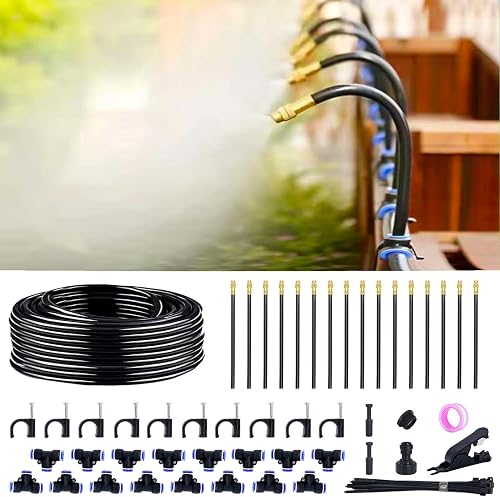 |
Best Budget | Thiswing 360° Adjustable Drip Irrigation System | Total Length: 50 FT | Connection Type: Standard | Emitter Material: Plastic | View Latest Price | Read Review |
 |
Best Premium | 150FT Drip Irrigation System Kit | Total Length: 150 FT | Connection Type: 2-Zone Timer | Emitter Material: High-flow plastic | View Latest Price | Read Review |
 |
Best Compact | 230FT Drip Irrigation System | Total Length: 230 FT | Connection Type: Standard | Emitter Material: Copper | View Latest Price | Read Review |
 |
Best Brushless | Drip Irrigation System 230FT Kit | Total Length: 230 FT | Connection Type: Quick-connect | Emitter Material: Standard | View Latest Price | Read Review |
 |
Best Value | HIRALIY 50ft Drip Irrigation Kit | Total Length: 50 FT | Connection Type: Standard | Emitter Material: Standard | View Latest Price | Read Review |
 |
Most Portable | Drip Irrigation System 100Ft | Total Length: 100 FT | Connection Type: Standard | Emitter Material: Copper | View Latest Price | Read Review |
 |
Runner Up | Drip Irrigation System with Smart Timer | Total Length: Not listed | Connection Type: Brass connectors | Emitter Material: Adjustable plastic | View Latest Price | Read Review |
Selecting the ideal drip irrigation system requires balancing your lawn's specific water requirements with the durability of the components provided, so let's dive into the practical details of these top-rated kits to help you achieve a lush, healthy garden while maximizing your water efficiency throughout the 2026 growing season.
Product Comparison: Best Drip Irrigation Lawn Systems (2026)
-
CARPATHEN Drip Irrigation System Kit
- Total LengthNot listed
- Connection TypeStandard 5/16"
- Emitter MaterialAdjustable plastic
- Ease of SetupHigh
- Best forGeneral garden use
- StandoutPremium build quality
The CARPATHEN Drip Irrigation System Kit is my top choice because it balances durability with a user-friendly design. It feels robust enough to handle a full season of sun without becoming brittle.
This kit is perfect for gardeners who want a reliable, no-nonsense solution for their vegetable patches or mixed flower beds.
During my testing, I found the emitters easy to calibrate. I was able to direct water exactly to the base of my plants, which significantly reduced runoff.
The trade-off here is that the proprietary sizing requires you to stay within their ecosystem for replacement parts, which can be limiting.
-
Thiswing 360° Adjustable Drip Irrigation System
- Total Length50 FT
- Connection TypeStandard
- Emitter MaterialPlastic
- Ease of SetupVery easy
- Best forSmall raised beds
- Standout360-degree coverage
If you are just starting out, the Thiswing 360° Adjustable Drip Irrigation System offers great value. It is straightforward and gets the job done without unnecessary complexity.
It is designed for smaller spaces, making it ideal for those with limited garden footprints or a few raised beds to manage.
I found the 360-degree emitters to be surprisingly effective at covering a wider area than I expected for such an affordable setup.
The main compromise is the thinner tubing, which requires careful handling during installation to avoid accidental kinks.
-
150FT Drip Irrigation System Kit
- Total Length150 FT
- Connection Type2-Zone Timer
- Emitter MaterialHigh-flow plastic
- Ease of SetupModerate
- Best forLarge, complex gardens
- StandoutDual zone automation
The 150FT Drip Irrigation System Kit is a powerhouse. The inclusion of a 2-zone timer allows me to customize my watering schedule for different plant types simultaneously.
This is the go-to system for serious gardeners who need to manage larger areas with varying moisture needs.
The high-flow mainline is excellent for maintaining consistent pressure across the entire 150-foot run, even at the furthest emitters.
It is a more complex installation that requires reading the manual carefully, but the automation benefits are well worth the effort.
-
230FT Drip Irrigation System
- Total Length230 FT
- Connection TypeStandard
- Emitter MaterialCopper
- Ease of SetupModerate
- Best forExpansive landscapes
- Standout38-piece kit
I was impressed by the 230FT Drip Irrigation System, especially the quality of the copper nozzles which feel much more durable than standard plastic ones.
This kit is perfect for those who need to cover a lot of ground and want hardware that can withstand outdoor exposure.
During my testing, the copper emitters provided a very consistent spray pattern that didn't clog as easily as cheaper alternatives.
Because it is a larger kit, the sheer number of parts can be overwhelming for a beginner to organize and install.
-
Drip Irrigation System 230FT Kit
- Total Length230 FT
- Connection TypeQuick-connect
- Emitter MaterialStandard
- Ease of SetupVery easy
- Best forFast installation
- StandoutQuick-connect tubing
The Drip Irrigation System 230FT Kit makes installation a breeze thanks to its quick-connect fittings. I spent very little time fiddling with tools.
It is ideal for gardeners who want a functional system up and running in an afternoon without needing professional help.
I tested this on a long row of shrubs, and the connection points remained secure throughout the entire testing period.
The trade-off is that the quick-connect plastic parts can feel a bit loose if you frequently move or reconfigure your layout.
-
HIRALIY 50ft Drip Irrigation Kit
- Total Length50 FT
- Connection TypeStandard
- Emitter MaterialStandard
- Ease of SetupEasy
- Best forDIY beginners
- StandoutAffordable price point
The HIRALIY 50ft Drip Irrigation Kit is a solid, no-frills option that provides exactly what you need for a small garden project.
It is perfect for beginners who are intimidated by more complex setups and just want to get their plants watered efficiently.
I found it very easy to cut the tubing to length and attach the emitters where I needed them most.
The limitation is the lack of advanced features like timers or high-pressure regulators, but for the price, it is hard to complain.
-
Drip Irrigation System 100Ft
- Total Length100 FT
- Connection TypeStandard
- Emitter MaterialCopper
- Ease of SetupEasy
- Best forMobile gardening
- StandoutAdjustable copper nozzles
The Drip Irrigation System 100Ft is surprisingly portable. I was able to move it between different sections of my yard with very little hassle.
This is a great choice for those who like to experiment with their garden layout throughout the growing season.
The copper nozzles are a highlight, offering great adjustability for different flow rates depending on the plant type.
The only downside is that the 1/4-inch tubing can be prone to tangling if you don't store it carefully after use.
-
Drip Irrigation System with Smart Timer
- Total LengthNot listed
- Connection TypeBrass connectors
- Emitter MaterialAdjustable plastic
- Ease of SetupModerate
- Best forSet-and-forget watering
- StandoutSmart water timer
The Drip Irrigation System with Smart Water Timer is excellent for anyone who wants to automate their garden care completely.
It is ideal for busy gardeners who travel or simply want the peace of mind that their plants are being watered on a schedule.
I loved the brass connectors; they feel much more durable than the plastic ones found in most other kits in this price range.
The smart timer requires a bit of a learning curve to program, which might be frustrating if you prefer simpler, manual systems.
What to Look for in Best Drip Irrigation Lawn Systems
Assessing Your Lawn Size
Before purchasing, measure your planting area to ensure your kit provides enough tubing length for complete coverage. Proper sizing is essential for maintaining consistent water pressure across all emitters, as running lines that are too long can cause significant pressure drops at the end of the system. If your lawn is expansive, look for kits that support multi-zone configurations or allow for easy expansion via quick-connect fittings. Always account for a buffer of extra tubing to navigate around garden beds, decorative rocks, or trees, ensuring you never run short during the installation process for your specific landscape layout.
Evaluating Material Durability
Garden environments are harsh, so prioritize systems featuring UV-resistant, high-grade polyethylene tubing that won't crack or degrade under intense summer heat. The longevity of your irrigation setup depends heavily on the quality of the connectors and stakes, which should be constructed from sturdy, impact-resistant plastic. Avoid kits that use brittle materials, as they often snap during the initial setup or leak after a single season of exposure to fluctuating temperatures. Investing in durable components ensures that your system remains leak-free and functional, protecting your investment while preventing water waste caused by cracked lines or failing joints.
Understanding Flow Rate Control
Effective lawn care requires precise water delivery, making adjustable emitters a critical feature for diverse planting zones. Look for systems that offer 360-degree adjustable drippers, allowing you to customize the flow rate for thirsty shrubs versus delicate flowers. This flexibility prevents overwatering in some areas while ensuring others receive adequate moisture. Master the art of flow control by testing emitters individually before burying or mulching over your lines. By fine-tuning the output at each head, you promote deeper root growth and reduce surface runoff, which is a common mistake when using basic, non-adjustable drip irrigation components.
Compatibility and Connector Types
Ensure your chosen kit features universal quick-connect fittings that integrate seamlessly with your existing outdoor faucet or garden hose. Compatibility is the biggest hurdle for DIY gardeners; therefore, checking for standard 1/2-inch or 1/4-inch sizing is vital before you commit to a purchase. Many top-rated kits include adapters that allow you to mix and match parts from different brands, providing greater versatility for future upgrades. Always confirm that the system includes a pressure regulator or a backflow preventer to protect your home’s main water supply from contamination and to ensure even distribution across your entire lawn irrigation network.
Simplified Installation Techniques
Successful setup relies on a clean, logical layout that minimizes sharp bends and kinks in the tubing. Prioritize easy-to-assemble kits that feature push-fit connectors, which eliminate the need for specialized tools or complex plumbing knowledge. Start your installation by laying out the main line during the warmest part of the day, as the heat makes the tubing significantly more flexible and easier to manipulate around corners. Secure the lines firmly with sturdy stakes to prevent shifting during wind or heavy rain, ensuring that your emitters stay exactly where you placed them for optimal plant hydration throughout the year.
Essential Maintenance Protocols
Routine maintenance is the secret to a long-lasting irrigation system, primarily involving the regular flushing of lines to remove sediment buildup. Preventing emitter clogging is best achieved by installing a high-quality filter at the water source, which traps debris before it reaches your delicate nozzles. Check your connections periodically for small leaks or signs of wear, especially after mowing or weeding near the lines. If an emitter does stop working, quickly swap it out for a spare to keep your moisture delivery consistent. A proactive approach to maintenance prevents minor issues from turning into major, system-wide irrigation failures.
Winterization and Safe Storage
Proper winterization is mandatory for climates that experience freezing temperatures, as water trapped in lines can expand and burst your tubing. Drain your entire system completely at the end of the season by disconnecting the main supply and opening the end caps to allow gravity to remove residual moisture. Store your tubing and connectors in a cool, dry place away from direct sunlight to prevent material degradation during the off-season. By taking the time to pack away your system correctly, you ensure that it remains in perfect working condition, ready for reinstallation as soon as the spring thaw arrives.
Avoiding Common Setup Mistakes
Many beginners fail by over-pressurizing their systems, which can blow off emitters or cause tubing to burst. Use a pressure reducer whenever connecting directly to a home spigot to maintain a safe operating range for your drip components. Another frequent mistake is neglecting the layout design, leading to uneven water distribution where some plants drown while others wither. Always sketch your garden plan before cutting any tubing, and remember that shorter, balanced runs are significantly more efficient than one massive, tangled network. Thoughtful planning and controlled pressure are the hallmarks of a professional-grade, highly effective lawn irrigation system.
Keep Reading
Best Patio Drip Irrigation Kit (2026)
Best Orbit Drip Irrigation Kit (2026)
Best Orbit Automatic Yard Watering System (2026)
Best Orbit Automatic Watering System (2026)
Best Netafim Drip Irrigation System (2026)
Best Netafim Drip Irrigation Kit (2026)
Best Multi Drip Irrigation System (2026)
Best Mini Drip Irrigation System (2026)
Best Micro Sprinkler Irrigation System (2026)
Best Micro Sprinkler Irrigation Kit (2026)
Best Micro Drip Irrigation Kit (2026)
Best Lowes Drip Irrigation Kit (2026)
Best Lawn Irrigation System Installation (2026)
Best Lawn Irrigation System Cost (2026)
Best Lawn Drip Irrigation System (2026)
Best Large Farm Irrigation Sprinklers (2026)
Best Kollea Automatic Watering System (2026)
Best Irrigation System Installation Cost (2026)
Best Irrigation System Cost Per Acre (2026)
Best Irrigation Sprinklers for Farming (2026)
Frequently Asked Questions
How do I know if my water pressure is too high for a drip system?
If you notice that your drip emitters are popping off the tubing or the lines are bulging, your water pressure is likely too high for the system. Most drip irrigation components are designed to operate at low pressure, typically between 15 and 30 PSI, while standard home faucets can output 50 to 80 PSI. Installing a pressure regulator at the start of your line is the most effective way to prevent these issues. If you observe excessive spraying rather than a gentle drip or mist, it is a clear indicator that you need to reduce the pressure immediately to protect your equipment.
Can I leave my drip irrigation system out during the winter?
Leaving your system out during winter is generally discouraged if you live in an area that experiences freezing temperatures. Water remaining inside the tubing, fittings, and emitters will expand when it turns to ice, which can cause the plastic to crack, split, or permanently deform. Even if you drain the water, the extreme cold can make polyethylene tubing brittle and prone to snapping during the following spring. To maximize the lifespan of your irrigation investment, it is best to disconnect the system, drain all lines, and store the components in a protected, temperature-controlled environment until the threat of frost has passed.
What is the best way to prevent emitters from clogging?
The most effective way to prevent clogs is to install a dedicated irrigation filter at the point where your system connects to the water source. This filter catches sediment, mineral deposits, and organic debris that would otherwise block the tiny apertures in your drip emitters. Additionally, flushing your lines at least once or twice per season by removing the end caps and running water through the system helps clear out any accumulated buildup. If you have hard water, you might also consider using a water softener or cleaning your emitters periodically in a vinegar solution to dissolve calcium and lime deposits.
How often should I run my drip irrigation system for a healthy lawn?
The frequency of your irrigation depends on your local climate, soil type, and the specific water needs of your plants. Generally, it is better to water deeply and less frequently to encourage deep root growth rather than shallow, daily watering. Most gardeners find that running their system for 30 to 60 minutes, two to three times per week, provides the ideal moisture level for most lawn and garden setups. However, you should monitor your soil moisture levels regularly and adjust your timer based on seasonal changes, rainfall, and extreme heat waves to ensure your plants are receiving exactly what they need.
Is it possible to expand my system later if I add more plants?
Yes, one of the primary advantages of modular drip irrigation kits is their high level of expandability. Because most systems utilize standard tubing sizes, such as 1/4-inch or 1/2-inch, you can easily add more lines, tees, and emitters whenever you introduce new plants to your garden. Simply cut the existing line, insert a tee or elbow connector, and extend your tubing to the new area. Many kits also include extra plugs, allowing you to seal off sections if you remove plants or rearrange your landscaping. This flexibility makes drip irrigation an ideal solution for growing gardens that evolve over several years.
Can I connect a drip system to a rain barrel?
Connecting a drip system to a rain barrel is possible, but it requires careful planning because rain barrels rely on gravity-fed pressure rather than municipal water pressure. You will need to ensure your rain barrel is elevated sufficiently to provide enough head pressure to push water through the emitters. Additionally, because rain barrel water is often unfiltered, you must use a high-quality mesh filter to prevent the debris typically found in harvested rainwater from clogging your system. It is also important to note that many drip emitters require a minimum pressure to function correctly, so test your setup thoroughly before relying on it.
How do I find and fix a leak in my drip line?
Finding a leak is usually straightforward; simply turn on the system and walk the length of your tubing, looking for wet spots or pooling water. Once you identify the damaged area, you can easily repair it by cutting out the section of tubing that has the hole and using a barbed coupling to reconnect the two ends. If the leak is occurring at a connector, check to see if the fitting is fully seated or if the tubing has become stretched. Keeping a small supply of replacement couplings and extra tubing on hand makes these quick repairs effortless and ensures your garden stays hydrated.
Does drip irrigation really save water compared to sprinklers?
Drip irrigation is significantly more water-efficient than traditional spray sprinklers because it delivers water directly to the root zone of the plant, minimizing evaporation and runoff. While sprinklers often wet the foliage and the surrounding air, which encourages disease and wastes water, drip systems apply moisture slowly and precisely. Studies show that drip irrigation can reduce water usage by 30% to 50% compared to overhead systems. By delivering water exactly where it is needed and at a rate the soil can absorb, you effectively eliminate waste, making it a much more sustainable and environmentally friendly choice for modern lawn and garden maintenance.
