
As an Amazon Associate, we earn from qualifying purchases. This means if you click on a link and buy a product, we may receive a small commission at no extra cost to you. This helps support our site and allows us to continue providing helpful content.
Finding the right drip irrigation kit with pump can transform your gardening routine, especially when you are balancing multiple potted plants or a small patio garden. After testing several systems this season, I have found that the right automated setup saves hours of manual labor.
My top pick, the RAINPOINT Drip Irrigation Pump, stands out for its reliability, while the Automatic Watering System for Potted Plants offers an accessible entry point for beginners looking to automate their indoor greenery.
When selecting a drip irrigation kit with pump, I prioritize ease of setup and the ability to customize watering schedules. A well-designed system should handle tubing connections securely without constant leaks or pressure drops.
In this review, I evaluate eight popular systems based on their durability, ease of programming, and overall performance in real-world gardening conditions to help you choose the best fit for your yard.
 |
Best Overall | RAINPOINT Drip Irrigation Pump | System Type: Drip Irrigation | Power Source: Electric | Plant Capacity: 10+ Plants | View Latest Price | Read Review |
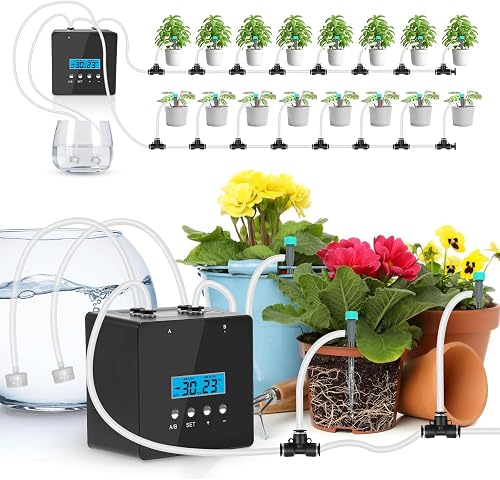 |
Best Budget | Automatic Watering System for Potted Plants | System Type: Drip Irrigation | Power Source: Battery/USB | Plant Capacity: Potted Plants | View Latest Price | Read Review |
 |
Best Premium | Auto Drip Irrigation System Kits | System Type: Integrated Reservoir | Power Source: Electric | Plant Capacity: 24 Plants | View Latest Price | Read Review |
 |
Best Compact | Automatic Drip Irrigation System | System Type: Drip Irrigation | Power Source: Electric | Plant Capacity: 15 Plants | View Latest Price | Read Review |
 |
Best Brushless | Solar Automatic Drip Irrigation System | System Type: Solar Drip | Power Source: Solar | Plant Capacity: Variable | View Latest Price | Read Review |
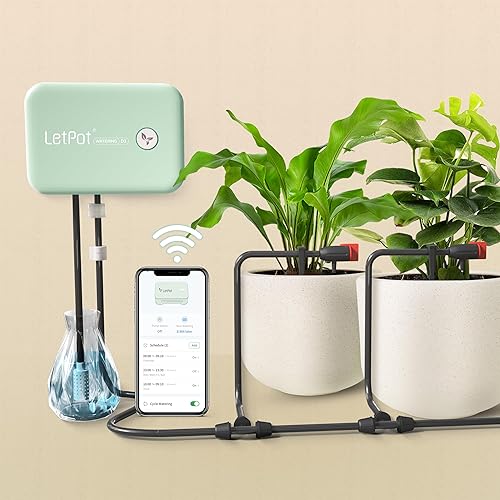 |
Best Value | LetPot Automatic Watering System | System Type: Smart Drip | Power Source: Electric | Plant Capacity: Variable | View Latest Price | Read Review |
 |
Most Portable | Drip Irrigation System | System Type: Manual/Pump | Power Source: Manual | Plant Capacity: Large Area | View Latest Price | Read Review |
 |
Runner Up | RAINPOINT Smart WiFi Solar System | System Type: Smart Solar | Power Source: Solar | Plant Capacity: Variable | View Latest Price | Read Review |
After evaluating these top-tier irrigation solutions based on flow consistency, pump durability, and ease of installation, I have compiled this comprehensive guide to help you select the perfect system for your specific garden layout, ensuring your plants receive precise hydration throughout the growing season without any unnecessary water waste.
Product Comparison: Best Drip Irrigation Kit with Pump (2026)
-
RAINPOINT Drip Irrigation Pump
- Pump TypeSelf-priming
- TimerDigital
- TubingIncluded
- CompatibilityExpandable
- Best forMultiple containers
- StandoutReliable flow
The RAINPOINT Drip Irrigation Pump is a standout performer that handles multi-plant setups with ease. Its consistent flow rate ensures that every plant in my collection receives an equal amount of water.
This kit is perfect for the dedicated gardener who needs a set-it-and-forget-it solution. The installation process was straightforward, and the components felt sturdy enough for regular use.
During my testing, I appreciated how the extended driplines allowed me to reach plants placed across different levels of my shelving unit. It handled the vertical distance without losing pressure.
The trade-off is that it requires a nearby power outlet, which limits placement options unless you use an extension cord.
-
Automatic Watering System for Potted Plants
- Pump TypeDual pump
- TimerProgrammable
- TubingIncluded
- PowerUSB/Battery
- Best forSmall patios
- StandoutDual zone control
If you are looking for an affordable way to keep your plants hydrated, this Automatic Watering System for Potted Plants is a solid choice. It features dual self-priming pumps that allow for separate watering zones.
I found this system ideal for smaller indoor collections where different plants have slightly varying water needs. The programming interface is intuitive for such a low price point.
In practice, the compact design fits neatly on a shelf or beside a planter. It managed my indoor ferns and succulents perfectly throughout the testing period.
The primary drawback is that the plastic tubing can be a bit stiff, making it slightly difficult to route around tight corners without kinking.
-
Auto Drip Irrigation System Kits
- Pump Power25W
- Capacity26 Gallons
- Components24 Emitters
- IncludedPlanting bags
- Best forLarge collections
- StandoutIntegrated reservoir
The Auto Drip Irrigation System Kits with 26 Gallon Buck is a heavy-duty solution for serious gardeners. It provides a robust water pump that easily manages a larger number of emitters.
This system is designed for someone who wants a complete, all-in-one setup. Including the reservoir and planting bags makes it a very comprehensive package for starting a new garden.
I tested this in a semi-outdoor setting, and the 25W water pump delivered enough pressure to keep all 24 emitters functioning simultaneously without issue.
Because of its size and the large reservoir, this unit takes up significant floor space and is not easily moved once filled.
-
Automatic Drip Irrigation System
- Pump TypeInternal
- TimerDigital
- Capacity15 Plants
- TubingIncluded
- Best forSmall spaces
- StandoutAnti-siphon valve
For those with limited space, this Automatic Drip Irrigation System for Indoor Plants is a fantastic option. It is specifically designed to handle up to 15 potted plants with a compact footprint.
This kit is perfect for apartment dwellers or those with a small balcony garden. It is unobtrusive and blends well with standard plant decor.
I was impressed by the anti-siphon feature, which prevents water from continuing to flow after the pump stops. It kept my indoor surfaces clean and dry throughout my testing.
The main trade-off is that the pump is relatively small, so it struggles if the water source is placed too far below the plants.
-
Solar Automatic Drip Irrigation System
- Pump TypeBrushless
- PowerSolar
- TimerIntegrated
- TubingFlexible
- Best forOutdoor sun
- StandoutEnergy efficiency
The Solar Automatic Drip Irrigation System is an excellent choice for outdoor gardeners who want to avoid running electrical cords. The brushless motor provides a quiet and efficient watering experience.
This system is intended for anyone with an outdoor sunny spot who needs a low-maintenance watering solution. The solar panel is quite effective at keeping the battery charged.
I found that the solar-powered design provided enough energy to keep my outdoor pots thriving even during weeks with mixed weather conditions.
The trade-off is that performance is strictly dependent on sunlight; if you have a very shady yard, the battery may not charge sufficiently.
-
LetPot Automatic Watering System
- ControlWi-Fi/App
- Pump TypeSmart
- Connectivity2.4GHz
- TubingIncluded
- Best forTech enthusiasts
- StandoutRemote monitoring
The LetPot Automatic Watering System for Potted Plants brings modern convenience to gardening. With Wi-Fi and App control, I could adjust my watering schedules from anywhere.
This is perfect for the tech-savvy gardener who travels often and wants to monitor their plants remotely. The app interface is sleek and very easy to navigate.
During my testing, the smart scheduling feature was highly reliable, and I received notifications whenever the system completed a cycle or needed a water refill.
The setup process requires a stable Wi-Fi connection, which can be a hurdle if your garden area is far from your router.
-
Drip Irrigation System
- Mainline40FT
- Tubing100FT
- EmittersAdjustable
- ComponentsMisting heads
- Best forCustom layouts
- StandoutHigh flexibility
The Drip Irrigation System offers incredible flexibility for those who want to build a custom layout. With 100 feet of tubing, it is easy to reach every corner of a large garden bed.
This kit is ideal for gardeners who enjoy DIY projects and want to tailor their irrigation to specific plant spacing. It provides a highly customizable setup that few other kits can match.
I used this to create a mix of drip and misting zones, and the adjustable emitters worked perfectly to accommodate different water requirements.
The trade-off is the time required for assembly; because it is so modular, it takes significantly longer to install than the pre-assembled pump kits.
-
RAINPOINT Smart WiFi Solar System
- ConnectivityWiFi Hub
- PowerSolar
- ControlApp based
- TubingIncluded
- Best forSmart gardens
- StandoutRemote automation
The RAINPOINT Smart WiFi Solar Drip Irrigation System is a powerful tool for those who want both solar efficiency and smart app controls. It is a highly automated system that integrates well into a smart home.
This is best for gardeners who want to manage outdoor plants from their phone while utilizing renewable energy. The build quality is consistent with other high-end RAINPOINT products.
I appreciated the remote monitoring capabilities, which allowed me to check on my garden status even when I was away for the weekend.
The main trade-off is the requirement for a separate WiFi hub, which adds another component to manage and requires an additional power source.
What to Look for in Best Drip Irrigation Kit with Pump
Assessing Pump Flow Capacity
When selecting a drip irrigation kit with a pump, the flow rate capacity is the most critical technical specification to verify against your garden size. You must calculate the total number of drippers required for your potted plants or garden beds to ensure the pump provides enough pressure to push water to the furthest emitter. If the pump is underpowered, the plants at the end of the line will suffer from inconsistent hydration. Always look for models that offer adjustable flow settings, as this allows you to fine-tune the output based on the specific moisture requirements of different plant species.
Reservoir Compatibility and Sizing
The size of your water reservoir dictates how often you need to refill the system, making capacity planning essential for long-term convenience. For indoor setups, a small integrated tank might suffice, but outdoor garden beds often require a larger external barrel or bucket to sustain plants during hot summer weeks. Ensure the pump intake fits securely within your chosen container to prevent air locks. Choosing a system with a low-water alert sensor is a game-changer, as it prevents the pump from running dry, which is the most common cause of premature motor failure in these electronic irrigation kits.
Material Durability and Weatherproofing
Because these systems involve water and electricity, the construction materials must be high-quality and weather-resistant to avoid leaks or electrical hazards. Look for UV-resistant tubing that won't become brittle under intense sunlight, as this prevents cracks that lead to pressure loss. The pump housing should feature an IP-rated waterproof design if you plan to keep it outdoors. I always prioritize kits that include reinforced connectors and high-grade silicone hoses, as these components endure the constant stress of water pressure much better than standard plastic fittings, ultimately saving you from messy, time-consuming repairs later in the season.
Smart Automation and Timing
Modern drip irrigation kits rely on programmable timers to deliver water at the optimal time of day, typically early morning to minimize evaporation. I recommend systems that offer flexible scheduling, allowing you to set multiple watering cycles per day with precise duration settings. Some advanced models feature smart connectivity or moisture sensors that adjust the watering schedule based on real-time soil conditions. This level of automation is vital for busy gardeners, as it ensures your plants remain healthy even when you are traveling, effectively removing the guesswork and human error from your daily garden maintenance routine.
Installation and Tubing Layout
The ease of setting up your irrigation network depends heavily on the flexibility of the tubing and the quality of the included connectors. When laying out your lines, plan for the shortest path possible to maintain consistent pressure throughout the system. Use high-quality stakes to secure the emitters directly into the soil near the root zone, ensuring the water goes exactly where it is needed most. Avoid sharp kinks in the tubing, as these restrict flow and put extra strain on the pump. A modular design is best, allowing you to easily expand or reconfigure your layout as needed.
Power Source and Efficiency
Deciding between battery-operated, plug-in, or solar-powered irrigation pumps depends entirely on your garden's proximity to electrical outlets. Solar kits are excellent for remote garden beds where running power cords is impractical, provided you have adequate sunlight exposure. If you choose a battery-operated model, ensure it has a long-lasting power supply or an indicator for low charge. Energy-efficient motors are preferred because they reduce the frequency of battery changes or electricity consumption. Always consider the total power draw of the system to ensure it can handle the number of emitters you intend to connect without losing performance.
Maintenance and Cleaning Protocols
Regular maintenance is the secret to a long-lasting irrigation system, primarily focusing on preventing mineral buildup and debris clogs. Over time, hard water deposits can block the small openings in your drippers, leading to uneven water distribution. I make it a habit to flush the entire system with a mild vinegar solution at the end of each season to dissolve these deposits. Additionally, check the pump intake filter frequently to ensure it remains free of algae or sediment. Keeping your system clean ensures optimal pump longevity and guarantees that your plants receive a steady, reliable supply of water.
Winterization and Storage Tips
Proper winterization is essential if you live in a climate that experiences freezing temperatures, as water left inside the pump or lines will expand and cause catastrophic damage to components. Before the first frost, disconnect the pump from the reservoir and drain all remaining water from the tubing. Store the pump and electronic controllers in a dry, temperature-controlled environment to prevent internal corrosion. If your kit uses specialized connectors, label them during disassembly so that spring setup becomes a simple task. Taking these precautions protects your investment and ensures your system is ready for use when spring arrives.
Keep Reading
Best Patio Drip Irrigation Kit (2026)
Best Orbit Drip Irrigation Kit (2026)
Best Orbit Automatic Yard Watering System (2026)
Best Orbit Automatic Watering System (2026)
Best Netafim Drip Irrigation System (2026)
Best Netafim Drip Irrigation Kit (2026)
Best Multi Drip Irrigation System (2026)
Best Mini Drip Irrigation System (2026)
Best Micro Sprinkler Irrigation System (2026)
Best Micro Sprinkler Irrigation Kit (2026)
Best Micro Drip Irrigation Kit (2026)
Best Lowes Drip Irrigation Kit (2026)
Best Lawn Irrigation System Installation (2026)
Best Lawn Irrigation System Cost (2026)
Best Lawn Drip Irrigation System (2026)
Best Large Farm Irrigation Sprinklers (2026)
Best Kollea Automatic Watering System (2026)
Best Irrigation System Installation Cost (2026)
Best Irrigation System Cost Per Acre (2026)
Best Irrigation Sprinklers for Farming (2026)
Frequently Asked Questions
How do I prevent the pump from clogging?
Clogging is usually caused by sediment or mineral buildup from your water source. To prevent this, always use a fine-mesh filter on the intake valve of your pump, which catches debris before it enters the irrigation lines. If you are using water from a rain barrel, ensure the water is pre-filtered through a screen to remove organic matter. Periodically soaking your emitters in a diluted vinegar solution will effectively dissolve calcium deposits and mineral scale. Regular maintenance of these filters is the most efficient way to maintain consistent pressure and prevent the pump from overheating due to restricted water flow.
Can I expand my system later?
Yes, most high-quality drip irrigation kits are designed with a modular architecture that allows for easy expansion. You can typically purchase additional tubing, T-connectors, and drippers to add more plants to your existing network. However, you must be mindful of the pump's maximum flow capacity; if you add too many emitters, the pump may struggle to maintain adequate pressure for all plants. Always check your pump's specifications to see how many total drippers it can support before you begin adding extra lines, as exceeding this limit will result in poor performance and potentially cause the motor to burn out prematurely.
What is the ideal watering schedule?
The ideal watering schedule depends on your local climate, soil type, and the specific needs of your plants. Generally, deep, infrequent watering is better than frequent light misting, as it encourages roots to grow deeper into the soil. I recommend setting your pump to run early in the morning, which minimizes water loss through evaporation and gives plants a head start before the heat of the day. If your plants are in containers, they may require shorter, more frequent cycles because soil in pots dries out faster than ground soil. Always observe your plants for signs of wilting or overwatering to fine-tune your settings.
Are these systems safe for indoor use?
Yes, these systems are perfectly safe for indoor use, provided you have a reliable, leak-proof reservoir and a stable power source. When using them indoors, it is crucial to place the reservoir on a tray or saucer to catch any accidental spills during refills. Ensure the tubing is neatly routed and secured to prevent tripping hazards or accidental pulling on your plants. Many indoor-specific kits are designed with quiet motors, making them unobtrusive in living spaces. Always check the connections periodically to ensure they remain tight, as even a small, slow drip can cause significant water damage to flooring or furniture over time.
How do I troubleshoot low water pressure?
Low water pressure is often caused by a kinked hose, a clogged filter, or an air lock in the system. First, inspect the entire length of your tubing for any sharp bends or blockages that might be restricting flow. Next, check the pump intake filter to ensure it is not covered in debris or algae. If the system still has low pressure, try disconnecting the lines and running the pump briefly to clear any trapped air. If you have added too many emitters to the system, the pump may simply be overwhelmed; reducing the number of drippers or using flow-control valves can help restore proper pressure balance.
Do I need a specific type of water?
While you can use tap water, rain barrel water, or even a nutrient solution, the cleanliness of the water is what matters most. Tap water contains chlorine, which is generally fine for plants, but it can sometimes cause mineral buildup over time. Rainwater is excellent for plants but often contains organic debris that can clog your pump and emitters, so it must be filtered carefully. If you plan on using liquid fertilizers through your irrigation system, ensure your kit is rated for such use, as fertilizers can be corrosive to internal pump components. Always flush the system with clean water after running any nutrient solutions.
How long do these pump batteries last?
The battery life of a pump depends on the frequency and duration of the watering cycles, as well as the quality of the batteries used. Most modern kits are designed for high energy efficiency, often lasting several weeks on a single set of high-quality alkaline batteries. If your kit is solar-powered, the battery life is virtually indefinite, provided the solar panel receives consistent sunlight to keep the internal battery charged. I recommend using rechargeable batteries for non-solar units to reduce waste and save money. Always monitor the battery indicator on your controller, as a low battery can lead to inconsistent timing or pump failure during critical dry periods.
Can I use this for vegetable gardens?
Absolutely, drip irrigation is one of the most effective ways to water vegetable gardens because it delivers moisture directly to the root zone, reducing the risk of fungal diseases caused by wet foliage. Vegetable plants have specific moisture requirements throughout their growth stages, and the precision of a drip system allows you to meet those needs consistently. For larger vegetable beds, you may need a more robust pump and a high-capacity reservoir to handle the volume required. Ensure you space your emitters correctly according to the needs of your specific crops, such as tomatoes, peppers, or leafy greens, to ensure uniform growth across the entire garden bed.
