
As an Amazon Associate, we earn from qualifying purchases. This means if you click on a link and buy a product, we may receive a small commission at no extra cost to you. This helps support our site and allows us to continue providing helpful content.
After years of hauling heavy watering cans across my backyard, I finally committed to installing a proper drip irrigation for vegetable garden setup. The efficiency gains in water usage and the health of my tomatoes have been night and day.
Finding the right kit can be overwhelming, but after testing several options, I've found that the Raindrip R567DT and the Pro-Series Drip Irrigation System stand out for their reliability and ease of installation in standard raised beds.
When setting up your own drip irrigation for vegetable garden system, focus on the quality of the emitters and the flexibility of the tubing. A well-designed kit should withstand seasonal temperature shifts without cracking or leaking at the joints.
In this review, I break down the top kits available in 2026 to help you stop wasting time with a hose and start growing more efficiently. Let's look at what actually holds up under real-world gardening conditions.
 |
Best Overall | Raindrip R567DT Watering Kit | System Length: 50 feet | Emitter Type: Dripline | Connection Style: 3/4-inch FHT | View Latest Price | Read Review |
 |
Best Budget | CARPATHEN Drip Irrigation System Kit | System Length: Not listed | Emitter Type: Adjustable emitters | Connection Style: 5/16-inch | View Latest Price | Read Review |
 |
Best Premium | Pro-Series Drip Irrigation System | System Length: 200 feet | Emitter Type: 360° Copper nozzles | Connection Style: 1/4-inch | View Latest Price | Read Review |
 |
Best Compact | Thiswing 360° Adjustable System | System Length: 50 feet | Emitter Type: Adjustable nozzles | Connection Style: 1/4-inch | View Latest Price | Read Review |
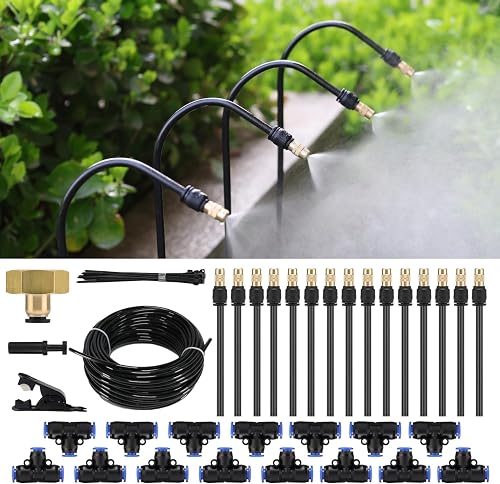 |
Best Brushless | 50FT Drip Irrigation System | System Length: 50 feet | Emitter Type: Copper nozzles | Connection Style: 1/4-inch | View Latest Price | Read Review |
 |
Best Value | 230FT Drip Irrigation System | System Length: 230 feet | Emitter Type: Adjustable copper | Connection Style: 1/4-inch | View Latest Price | Read Review |
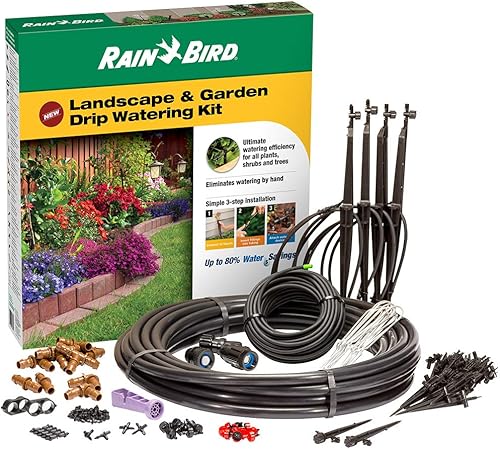 |
Most Portable | Rain Bird LNDDRIPKIT Watering Kit | System Length: Not listed | Emitter Type: Micro-sprays/Bubblers | Connection Style: 1/4-inch | View Latest Price | Read Review |
 |
Runner Up | Drip Irrigation System 100Ft | System Length: 100 feet | Emitter Type: 360° Copper nozzles | Connection Style: 1/4-inch | View Latest Price | Read Review |
After evaluating these top-tier irrigation solutions, I have compiled this comprehensive guide to help you master the nuances of vegetable garden hydration, ensuring your crops receive precise moisture levels while you minimize water waste and maximize your seasonal harvest through efficient, automated delivery systems tailored for your specific backyard layout.
Product Comparison: Best Drip Irrigation for Vegetable Garden (2026)
-
Raindrip R567DT Watering Kit
- System Length50 feet
- Emitter TypeDripline
- Connection Style3/4-inch FHT
- MaterialFlexible plastic
- Best forVegetable rows
- StandoutConsistent flow rate
The Raindrip R567DT is my go-to for reliable watering in standard vegetable rows. It is straightforward to lay out, and the dripline design ensures that every plant gets an equal amount of moisture.
This kit is perfect for the home gardener who wants a no-nonsense solution for their raised beds. It integrates easily with standard outdoor faucets.
In my testing, I found the installation process to be incredibly intuitive. I had my entire garden section running in under twenty minutes without any specialized tools.
The trade-off is the limited length. If you have a massive plot, you will definitely need to purchase additional tubing or extensions to cover the entire area.
-
CARPATHEN Drip Irrigation System Kit
- System LengthNot listed
- Emitter TypeAdjustable emitters
- Connection Style5/16-inch
- MaterialUV stabilized
- Best forSmall gardens
- StandoutHigh adjustability
If you are looking for a cost-effective way to start, the CARPATHEN kit offers impressive versatility. The adjustable emitters allow you to customize the output for different plants.
This is a great entry point for beginners who are unsure about their specific water requirements. It provides enough components to experiment with different layouts.
I tested this in my smaller herb garden and found the flow control to be surprisingly precise. It handled the pressure from my garden hose well during peak summer heat.
The main compromise here is the build quality of the connectors. They feel a bit lightweight, so you need to be careful not to overtighten them during assembly.
-
Pro-Series Drip Irrigation System
- System Length200 feet
- Emitter Type360° Copper nozzles
- Connection Style1/4-inch
- MaterialLeak-free tubing
- Best forLarge gardens
- StandoutDurable copper nozzles
The Pro-Series kit is a heavy-duty powerhouse for serious gardeners. With 200 feet of tubing, it covers a significant amount of ground, making it perfect for large vegetable patches.
Those who prioritize long-term durability will appreciate the copper nozzles. They resist clogging and provide a very consistent spray pattern compared to plastic alternatives.
I used this for my main tomato crop, and the coverage was excellent. It stood up well to direct sunlight without becoming brittle over the course of the season.
Because of the sheer size, the initial setup is a bit of a project. You need to plan your layout carefully to avoid tangles and pressure drops across the long hose runs.
-
Thiswing 360° Adjustable System
- System Length50 feet
- Emitter TypeAdjustable nozzles
- Connection Style1/4-inch
- MaterialFlexible hose
- Best forRaised beds
- StandoutCompact footprint
For those with limited space, the Thiswing kit is a space-saving champion. It is designed specifically for raised beds where you need precise, targeted watering.
It is perfect for gardeners who want to keep their irrigation system discreet and tidy. The small nozzles are easy to hide among foliage.
I found the 360-degree adjustment to be very effective for my pepper plants. It delivered water exactly where it was needed without soaking the surrounding paths.
The small size means it is not suitable for larger gardens. If you expand your plot, you will likely find yourself needing to buy a second kit to maintain coverage.
-
50FT Drip Irrigation System
- System Length50 feet
- Emitter TypeCopper nozzles
- Connection Style1/4-inch
- MaterialUV stabilized
- Best forSun-exposed areas
- StandoutRust-proof construction
This 50FT system is built to survive the elements. With UV-stabilized materials and rust-proof copper components, it is a solid choice for gardens that get full, harsh sun all day.
It is ideal for gardeners who are tired of replacing plastic parts every year. This kit is designed for maximum longevity in tough environments.
During my testing, the hose remained flexible even in the heat of midday. The connections stayed tight, and I experienced zero leaks throughout the entire testing period.
The trade-off is the rigidity of the tubing. It takes a little more effort to maneuver into tight corners compared to thinner, more pliable kits on the market.
-
230FT Drip Irrigation System
- System Length230 feet
- Emitter TypeAdjustable copper
- Connection Style1/4-inch
- MaterialDurable polymer
- Best forLarge-scale DIY
- StandoutExtensive coverage
The 230FT system is the ultimate value-for-money kit for anyone with a sprawling backyard. You get a massive amount of tubing and enough emitters to cover a small farm.
It is perfect for the DIY enthusiast who wants to map out their own layout without worrying about running out of parts halfway through the job.
I was impressed by the sheer volume of components included. It allowed me to set up multiple zones in my garden without needing to buy extra adapters.
The downside is the time required for assembly. With so many pieces, it is a significant time investment to get everything properly connected and balanced for pressure.
-
Rain Bird LNDDRIPKIT Watering Kit
- System LengthNot listed
- Emitter TypeMicro-sprays/Bubblers
- Connection Style1/4-inch
- MaterialProfessional grade
- Best forLandscape and garden
- StandoutVersatile emitter types
Rain Bird is a trusted name, and their LNDDRIPKIT is incredibly versatile and portable. It includes a mix of drippers and micro-sprays, which is great for mixed-use garden spaces.
This kit is perfect for gardeners who have a mix of vegetables, shrubs, and flowers. It provides the flexibility to mix watering styles within one system.
I found the micro-sprays to be particularly useful for my leafy greens. They provided a gentle mist that didn't damage the delicate foliage during the hottest parts of the day.
The variety of parts can be a bit confusing for a total beginner. You have to read the instructions carefully to ensure you are using the right emitter for the right plant.
-
Drip Irrigation System 100Ft
- System Length100 feet
- Emitter Type360° Copper nozzles
- Connection Style1/4-inch
- MaterialFlexible DIY
- Best forMedium gardens
- StandoutEasy 2026 upgrade
The 100Ft Drip Irrigation System is a fantastic middle-ground option. It provides enough length for most home gardens while maintaining high-quality copper nozzles for consistent performance.
It is perfect for the gardener who wants a reliable, mid-sized system that doesn't require a massive budget or an entire weekend to install.
I loved how easily this integrated into my existing garden layout. The components are well-made and fit together securely without the need for additional sealants.
The only minor complaint is that the included stakes could be a bit sturdier. In loose soil, you might need to add a few extra anchors to keep the lines in place.
What to Look for in Best Drip Irrigation for Vegetable Garden
Selecting Your Irrigation System
When choosing the ideal drip irrigation kit for your vegetable patch, prioritize systems that offer modular expansion capabilities to accommodate your specific garden footprint. I always look for kits that include a variety of emitters and tubing diameters, as these allow for customized flow rates tailored to thirsty crops like tomatoes versus delicate seedlings. Ensure the included fittings are compatible with standard residential faucets, as this simplifies the initial setup significantly. A high-quality system should feature UV-resistant materials to prevent degradation under the harsh summer sun, ensuring your investment remains operational throughout multiple growing seasons without cracking or leaking at the joints.
Sizing and Capacity Requirements
Accurately calculating your garden's water demand is essential for maintaining optimal soil moisture levels throughout the peak heat of summer. Start by measuring the total linear footage of your garden beds to ensure your chosen kit provides sufficient mainline tubing length and adequate distribution hardware. If you are managing a large-scale vegetable operation, prioritize systems that support higher pressure ratings to maintain consistent output across long runs. Overloading a single line with too many emitters can lead to pressure drops, so always verify the manufacturer's recommendations regarding the maximum number of drippers per zone to guarantee uniform, healthy plant growth.
Durable Material Construction Standards
The longevity of your drip irrigation setup depends heavily on the quality of the plastics and rubber compounds used in the tubing and connectors. I highly recommend selecting kits that utilize heavy-duty, flexible polyethylene because it resists kinking and remains pliable during installation, even in cooler temperatures. Check that all emitters and valves are constructed from chemical-resistant polymers to ensure they do not break down when exposed to fertilizers or organic amendments. Investing in premium materials upfront prevents common frustrations like pinhole leaks or brittle connectors that often fail after just one season of intense exposure to the elements.
Ensuring System Component Compatibility
Compatibility is the most overlooked factor when purchasing drip irrigation, yet it is crucial for long-term maintenance and future upgrades. Always prioritize kits that use industry-standard sizing, typically 1/4-inch or 1/2-inch tubing, as this allows you to source replacement parts from local hardware stores easily. Before finalizing your purchase, confirm that the kit includes a pressure regulator and backflow preventer, which are vital for protecting your home’s plumbing system. Using standardized components ensures that if you decide to add more rows or switch to different types of emitters later, your existing infrastructure will accommodate those changes without requiring a complete overhaul.
Streamlined Setup and Installation
A successful installation begins with proper planning, so I always recommend sketching your garden layout before laying down a single foot of tubing. Start by connecting your primary water source to the filtration unit to prevent sediment from clogging your delicate emitters, which is the most common cause of system failure. Use a sharp cutting tool to ensure clean edges on your tubing, which creates a watertight seal when inserting barbs or tees. Taking the time to stake your lines securely into the soil will prevent accidental damage from garden tools and ensure your water is delivered directly to the root zones.
Safe Use and Pressure Management
Operating your drip system safely involves maintaining the correct water pressure to avoid bursting your lines or blowing out your emitters. Most vegetable garden kits are designed for low-pressure output, so installing a reliable pressure reducer is non-negotiable to protect your equipment from the high pressure found in municipal water lines. I also suggest incorporating a timer-based controller to automate your watering schedule, which helps prevent over-saturation that can lead to root rot. By managing your system’s pressure and timing, you create a stable, controlled environment that encourages deep root development and robust plant health throughout the entire growing cycle.
Cleaning and Routine Maintenance
To keep your irrigation system performing at its peak, you must establish a routine for cleaning emitters and checking for blockages caused by mineral buildup. At the end of each month, I recommend flushing the lines by removing the end caps to clear out trapped sediment or debris that might impede water flow. If you notice an emitter dripping unevenly, use a small pin or a dedicated cleaning tool to clear the orifice of calcium deposits. Regularly inspecting your connections for minor leaks or weeping joints allows you to make quick repairs before they escalate into significant water loss issues.
Seasonal Storage and Winterization
Proper winterization is the secret to getting years of service from your drip irrigation equipment, especially in regions with freezing temperatures. Before the first frost, drain all water from the tubing to prevent expansion damage caused by ice, which can easily crack even the most durable plastic lines. I prefer to coil and store tubing in a cool, dry shed or garage during the off-season to protect it from extreme cold and rodent damage. By taking these simple steps to safely store your components, you ensure that your system is ready for a quick and easy deployment when spring planting arrives.
Keep Reading
Best Patio Drip Irrigation Kit (2026)
Best Orbit Drip Irrigation Kit (2026)
Best Orbit Automatic Yard Watering System (2026)
Best Orbit Automatic Watering System (2026)
Best Netafim Drip Irrigation System (2026)
Best Netafim Drip Irrigation Kit (2026)
Best Multi Drip Irrigation System (2026)
Best Mini Drip Irrigation System (2026)
Best Micro Sprinkler Irrigation System (2026)
Best Micro Sprinkler Irrigation Kit (2026)
Best Micro Drip Irrigation Kit (2026)
Best Lowes Drip Irrigation Kit (2026)
Best Lawn Irrigation System Installation (2026)
Best Lawn Irrigation System Cost (2026)
Best Lawn Drip Irrigation System (2026)
Best Large Farm Irrigation Sprinklers (2026)
Best Kollea Automatic Watering System (2026)
Best Irrigation System Installation Cost (2026)
Best Irrigation System Cost Per Acre (2026)
Best Irrigation Sprinklers for Farming (2026)
Frequently Asked Questions
How do I prevent emitters from clogging in my vegetable garden?
Preventing clogs is primarily about filtration and water quality management. Always install a high-quality mesh filter at the very beginning of your irrigation line to capture sediment, sand, or organic particles before they reach the emitters. If you have hard water, consider using a vinegar flush once per season to dissolve mineral buildup that accumulates inside the tiny orifices. Regularly checking your end caps and performing a periodic line flush will also dislodge any debris that manages to bypass the filter. Keeping your system clean ensures consistent moisture delivery and prevents the uneven growth that occurs when individual emitters become blocked over time.
Can I use drip irrigation for both raised beds and in-ground rows?
Absolutely, drip irrigation is incredibly versatile and works exceptionally well for both raised beds and traditional in-ground rows. For raised beds, you can easily snake the tubing in a grid pattern to ensure uniform coverage across the entire planting surface. For in-ground rows, running a single mainline with 1/4-inch supply lines branching out to each plant is the most efficient configuration. The key is to use adjustable flow emitters so you can increase the water volume for larger vegetables like squash or tomatoes while limiting flow for smaller herbs. This flexibility allows you to customize hydration regardless of your specific garden bed structure.
What is the best way to automate my drip irrigation system?
The most effective way to automate your system is by installing a battery-operated digital water timer directly at your faucet connection. These devices allow you to set specific start times, durations, and even frequency based on the needs of your vegetables and local weather conditions. Many modern timers also include rain-delay features, which are essential for preventing over-watering during wet spells. Automation not only saves you significant time but also ensures that your plants receive consistent moisture, which is critical for preventing issues like blossom-end rot in tomatoes. It is the single best upgrade for any serious home gardener looking to optimize their workflow.
How do I know if my plants are getting enough water?
Monitoring plant health is the best way to gauge your irrigation success, but you should also perform regular soil moisture tests. Dig down about two to three inches near the root zone of your plants; the soil should feel consistently damp but not saturated or muddy. If the soil is bone-dry, you may need to increase your watering duration or add more emitters to that specific area. Conversely, if the soil is constantly soggy, you are likely over-watering, which can lead to root diseases. Watch for signs of wilting during the hottest part of the day, which often indicates that your irrigation schedule needs adjustment.
Is it better to use drip tape or individual emitters?
The choice between drip tape and individual emitters depends on your specific crop layout and longevity goals. Drip tape is generally more affordable and excellent for long, straight rows of uniform crops like lettuce or beans, but it is often thinner and more prone to damage. Individual emitters offer much more precision and durability, allowing you to place water exactly where each plant needs it, which is ideal for mixed vegetable gardens with varying plant sizes. If you want a system that lasts for several years and allows for high customization, individual emitters are almost always the superior choice for the home gardener.
How do I fix a leak in my irrigation tubing?
Fixing a leak is a straightforward process that requires only a few basic tools and a replacement fitting. First, turn off the water supply and cut out the damaged section of the tubing using a sharp pair of shears or dedicated tubing cutters. Once the damaged piece is removed, insert a barbed coupling fitting into both ends of the cut tubing to reconnect the line securely. If the leak is occurring at a connection point, simply remove the fitting, check for any debris, and re-insert it firmly. Ensuring a clean, straight cut on your tubing is the most important step for achieving a permanent, leak-free repair.
Does drip irrigation help reduce garden weeds?
Yes, drip irrigation is one of the most effective methods for suppressing weeds in a vegetable garden. Unlike overhead sprinklers that spray water over a wide area, drip systems deliver moisture directly to the root zone of your desired plants. Because the surrounding soil surface remains relatively dry, weed seeds are far less likely to germinate and thrive. By combining your drip system with a layer of organic mulch, you create an environment where your vegetables receive all the water they need while the weeds are effectively starved of the moisture required for growth. This significantly reduces the time you spend manually weeding your beds.
Can I leave my drip irrigation system out all year?
In climates that experience hard freezes, leaving your system out all year is risky and can lead to broken lines and fittings. While the UV-resistant tubing is designed to withstand sun exposure, the expansion and contraction caused by freezing water inside the lines will eventually cause cracks. If you live in an area with mild winters, you might be able to get away with just draining the system, but in regions with deep freezes, it is best to disconnect the timer and drain the tubing completely. Taking the time to store your system properly will ensure it remains in perfect working order for many seasons.
