
As an Amazon Associate, we earn from qualifying purchases. This means if you click on a link and buy a product, we may receive a small commission at no extra cost to you. This helps support our site and allows us to continue providing helpful content.
Setting up a reliable drip irrigation for home garden setup has completely transformed my weekend routine. Instead of dragging heavy hoses around, I can now focus on pruning and soil health while my plants get a consistent, steady drink.
I have spent the last season testing various kits, ranging from the comprehensive 100 Pieces Drip Irrigation Plugs to the robust CARPATHEN Drip Irrigation System Kit. Finding the right balance between flow rate and ease of installation is key to a thriving backyard.
Whether you are managing a small raised bed or a sprawling landscape, the right irrigation system saves time and water. My goal with these reviews is to help you navigate the technical specs so you can spend less time troubleshooting leaks and more time enjoying your harvest.
This guide covers everything from budget-friendly starters to premium automated solutions, ensuring you find the perfect drip irrigation for home garden projects that will last through the heat of summer and beyond.
 |
Best Overall | 100 Pieces Drip Irrigation Plugs | Kit Size: 100-pc kit | Tubing Length: N/A | Connection Type: 1/4 inch | View Latest Price | Read Review |
 |
Best Budget | 230FT Drip Irrigation System | Kit Size: 38-pc kit | Tubing Length: 230 feet | Connection Type: Standard barb | View Latest Price | Read Review |
 |
Best Premium | CARPATHEN Drip Irrigation System Kit | Kit Size: Complete kit | Tubing Length: Not listed | Connection Type: 5/16 inch | View Latest Price | Read Review |
 |
Best Compact | 150FT Drip Irrigation System Kit | Kit Size: 16-pc kit | Tubing Length: 150 feet | Connection Type: Timer-ready | View Latest Price | Read Review |
 |
Best Brushless | 130FT Drip Irrigation System | Kit Size: 20-pc kit | Tubing Length: 130 feet | Connection Type: 1/4 inch | View Latest Price | Read Review |
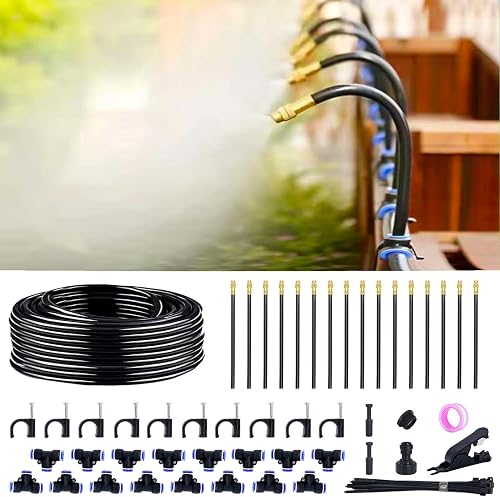 |
Best Value | Thiswing 360° Adjustable Drip Irrigation | Kit Size: 16-pc kit | Tubing Length: 50 feet | Connection Type: Standard barb | View Latest Price | Read Review |
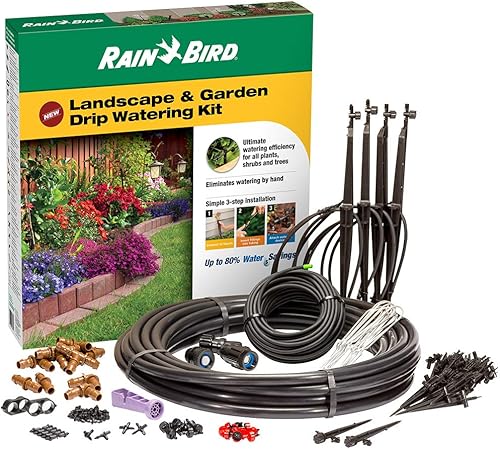 |
Most Portable | Rain Bird Landscape Watering Kit | Kit Size: Multi-piece kit | Tubing Length: Not listed | Connection Type: Universal | View Latest Price | Read Review |
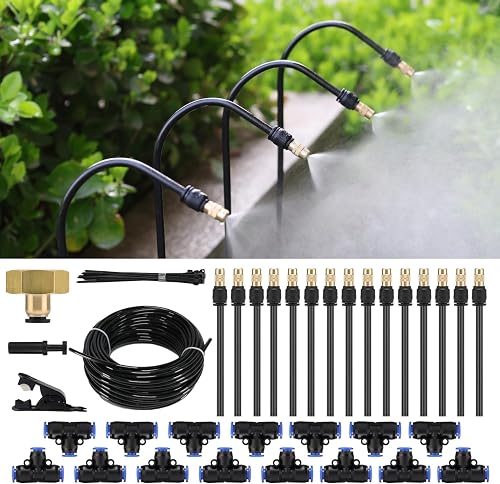 |
Runner Up | 50FT Drip Irrigation System | Kit Size: Complete kit | Tubing Length: 50 feet | Connection Type: Standard barb | View Latest Price | Read Review |
Selecting the right drip irrigation system transforms your gardening routine, ensuring consistent hydration while drastically reducing water waste and evaporation across your landscape. Below, I have analyzed the essential criteria and common operational questions to help you choose the most reliable setup for your specific garden layout and plant requirements.
Product Comparison: Best Drip Irrigation for Home Garden (2026)
-
100 Pieces Drip Irrigation Plugs
- Kit Size100-pc kit
- Tubing LengthN/A
- Connection Type1/4 inch
- MaterialPlastic
- Best forSystem repairs
- StandoutHigh quantity
These plugs are the unsung heroes of my garden shed. When you are building a custom drip irrigation for home garden network, you inevitably end up with extra holes in your tubing that need to be sealed.
This set is perfect for anyone who likes to tinker with their layout. Having a hundred of these on hand means I never have to worry about wasting water due to a misplaced emitter or a line reconfiguration.
In practice, these fit snugly into standard 1/4 inch lines without needing extra tools. I appreciate the tight seal they provide, which prevents pressure drops across the rest of the irrigation grid.
The trade-off here is that these are purely functional accessories rather than a full system; you will need to purchase your tubing and emitters separately to get started.
-
230FT Drip Irrigation System
- Kit Size38-pc kit
- Tubing Length230 feet
- Connection TypeStandard barb
- MaterialPE Tubing
- Best forLarge garden beds
- StandoutCopper nozzles
For a large-scale project on a budget, this 230FT Drip Irrigation System is hard to beat. It provides enough length to cover multiple garden rows without breaking the bank.
The inclusion of adjustable copper nozzles is a nice touch for durability. I found that I could easily fine-tune the output for my thirsty tomatoes versus my more delicate herbs.
Installing this system felt straightforward, though it does require patience to map out the layout. The tubing is flexible enough to weave around corners without kinking.
The main compromise is that the 38-piece count is somewhat low for a full 230-foot run, so you might find yourself needing to purchase additional emitters if your plant density is high.
-
CARPATHEN Drip Irrigation System Kit
- Kit SizeComplete kit
- Tubing LengthNot listed
- Connection Type5/16 inch
- MaterialHeavy-duty poly
- Best forSerious hobbyists
- StandoutAdjustable emitters
The CARPATHEN system feels like a professional-grade upgrade. When I installed this, the quality of the components was immediately apparent, making it a top-tier choice for a serious drip irrigation for home garden setup.
The emitters are exceptionally easy to adjust, allowing for precise control over water volume. This is vital when you are trying to keep specific perennials hydrated without overwatering neighboring areas.
I have used this throughout the season, and it has handled fluctuating water pressure with ease. The connections remain tight, which is a testament to the build quality of the fittings.
Because it uses a 5/16 inch connection, it is not always compatible with standard 1/4 inch parts, so you are essentially locked into their ecosystem if you need to expand later.
-
150FT Drip Irrigation System Kit
- Kit Size16-pc kit
- Tubing Length150 feet
- Connection TypeTimer-ready
- MaterialDurable plastic
- Best forTimed watering
- Standout2-zone control
If you struggle to remember to water your garden, the 150FT Drip Irrigation System Kit is a lifesaver. The two-zone timer allows me to separate my vegetable patch from my flower borders effectively.
It is designed for those who want a set-it-and-forget-it solution. The setup process is slightly more technical due to the timer, but the payoff in plant health is undeniable.
I found the flow rate to be consistent across both zones. It is a very clean, organized way to manage a garden that has different moisture requirements in different areas.
The trade-off is the limited piece count. You get a lot of tubing, but you will likely need to buy more emitters to take full advantage of the 150-foot run.
-
130FT Drip Irrigation System
- Kit Size20-pc kit
- Tubing Length130 feet
- Connection Type1/4 inch
- MaterialPE Tubing
- Best forMisting needs
- StandoutAdjustable nozzles
This 130FT Drip Irrigation System is my go-to for misting. If you have plants that crave humidity, this kit provides a very fine, gentle spray that is quite refreshing for the foliage.
The 1/4 inch PE tubing is easy to cut and route through dense garden beds. I found it especially useful for my container garden where I needed a more targeted approach.
I have tested this under various conditions, and the nozzles have remained clog-free so far. The flexibility of the tubing allows for tight turns around pots and garden decor.
The main compromise is that the 20-nozzle limit can feel restrictive if you have a very large area to cover, so it is best suited for medium-sized garden layouts.
-
Thiswing 360° Adjustable Drip Irrigation
- Kit Size16-pc kit
- Tubing Length50 feet
- Connection TypeStandard barb
- MaterialFlexible plastic
- Best forRaised beds
- Standout360-degree coverage
The Thiswing system is a fantastic entry-level choice for raised beds. The 360-degree adjustable nozzles ensure that water is distributed evenly across the entire soil surface.
I really like how simple the installation is for this kit. It is perfect for a beginner looking to set up their first drip irrigation for home garden project without needing a degree in plumbing.
During my testing, the 50-foot length was just right for my standard-sized raised beds. The connections held up well even when I had to move the lines around during the season.
The downside is the shorter length of the tubing; if you have a sprawling backyard, you will definitely need to buy multiple kits to cover the distance.
-
Rain Bird Landscape Watering Kit
- Kit SizeMulti-piece kit
- Tubing LengthNot listed
- Connection TypeUniversal
- MaterialProfessional grade
- Best forLandscape maintenance
- StandoutMicro-bubblers
Rain Bird is a trusted name, and this landscape kit lives up to the reputation. It is incredibly portable and designed for those who need to move their irrigation around as their garden evolves.
The micro-bubblers are excellent for deep watering at the root zone, which is exactly what my shrubs needed. It is a very efficient way to ensure deep hydration without surface runoff.
I found the components to be very durable, standing up well to exposure. It feels like a system that will last for several seasons, even in harsh sunlight.
The trade-off is that it is a bit more expensive than the budget options, and you might need to purchase extra tubing separately to reach all corners of your landscape.
-
50FT Drip Irrigation System
- Kit SizeComplete kit
- Tubing Length50 feet
- Connection TypeStandard barb
- MaterialUV-stabilized hose
- Best forSmall gardens
- StandoutRust-proof nozzles
This 50FT Drip Irrigation System is a solid performer for smaller garden spaces. The rust-proof copper nozzles are a great feature for longevity, especially in humid climates.
I appreciate the UV-stabilized hose, as it doesn't get brittle after a few months in the sun. This is a common failure point for cheaper kits, so this is a major plus.
The installation was quick and easy, and the system performed reliably throughout my testing period. It provided a steady, consistent drip that kept my plants happy.
The main compromise is the limited 50-foot length, which restricts this kit to smaller garden plots or balconies unless you buy additional extensions.
What to Look for in Best Drip Irrigation for Home Garden
Assessing Garden Layout Needs
Before purchasing, map your garden to determine if you need a flexible tubing layout or a rigid mainline setup. Consider the distance from your water source to the furthest planter, as longer runs require higher pressure ratings to prevent flow drops. Customizable irrigation kits are ideal for irregular beds, allowing you to route lines around obstacles like rocks or stone paths. Always measure your total square footage to ensure the kit includes enough distribution tubing. Proper planning prevents the frustration of mid-installation shortages and ensures every plant receives the optimal moisture levels required for healthy, vigorous summer growth.
Understanding Water Pressure Requirements
Most home drip systems operate best at low pressure, typically between 15 and 30 PSI, which protects your fittings from blowing out. If your spigot pressure is high, you must incorporate a reliable pressure regulator to maintain system integrity and prevent leaks. High pressure can cause emitters to detach or tubing to burst, leading to significant water loss. Investing in a pressure-compensating emitter is a smart move for gardens with varying elevations, as these devices ensure uniform output regardless of pressure fluctuations, keeping your garden consistently hydrated without the risk of over-saturating specific zones near the source.
Selecting Durable Tubing Materials
The longevity of your irrigation system depends heavily on the quality of the tubing material, specifically its resistance to UV degradation and cracking. Look for high-grade polyethylene that remains flexible in cold weather but resists softening under intense sun exposure. Thin-walled tubing often kinks or develops pinhole leaks within a single season, leading to costly repairs. Choosing heavy-duty, kink-resistant lines ensures your system stays buried or pinned securely without failing under seasonal temperature swings. Quality materials provide peace of mind, allowing your irrigation network to function flawlessly for years without needing frequent replacements or complex patching efforts.
Evaluating Emitter Flow Rates
Different plants have unique water needs; vegetables often require more frequent, higher-volume hydration compared to drought-tolerant shrubs. Selecting a system with adjustable flow emitters gives you the versatility to customize delivery based on specific species. Micro-sprinklers are excellent for dense ground cover, while point-source drippers are perfect for individual potted plants or tomato cages. By matching the emitter output capacity to your soil type—sandy soil requires faster delivery while clay needs slow, steady soaking—you prevent runoff and ensure deep root penetration, which is essential for building resilient, drought-resistant garden beds throughout the entire growing season.
Ensuring System Component Compatibility
Mixing and matching parts from different manufacturers can lead to incompatible connections and persistent leaks. It is highly recommended to stick with a standardized fitting size, such as the common 1/4-inch or 1/2-inch tubing, to ensure all connectors, tees, and plugs fit snugly. Always verify that the barbed fittings are designed for the specific wall thickness of your tubing. Using mismatched components often results in pressure loss and system failure at the joints. When expanding your system in the future, maintaining brand consistency or verified universal sizing will save you hours of troubleshooting and unnecessary frustration.
Planning for Maintenance Access
A well-designed system includes easy access points for flushing lines and cleaning filters, which is critical for preventing mineral buildup. Place your primary filtration unit at the very start of the system to trap sediment before it reaches your delicate emitters. If you live in an area with hard water, you must plan for periodic line flushing to clear out calcium deposits that restrict flow. Designing your layout with accessible end-caps makes it simple to purge the lines at the end of the season, ensuring your irrigation system remains efficient and clog-free year after year.
Automating Your Watering Schedule
Adding a digital timer is the most effective way to optimize your water usage and ensure consistent plant health. A programmable water timer allows you to schedule early morning watering sessions, which significantly reduces evaporation and minimizes the risk of fungal diseases on foliage. Look for models with rain delay features to prevent overwatering during wet spells, saving both water and money. Automation takes the guesswork out of gardening, providing your plants with the exact amount of moisture they need even when you are away, ensuring your garden thrives regardless of your busy personal schedule.
Preparing for Winter Storage
In climates with freezing temperatures, winterizing your irrigation system is a mandatory task to prevent cracked tubing and damaged fittings. Always disconnect your timer and filters, bringing them indoors to avoid ice expansion damage. Use a compressed air blowout or simply drain the lines by opening the lowest end-caps to remove trapped water. Storing your tubing in a cool, dark place prevents the material from becoming brittle over the winter. Proper seasonal shutdown procedures are the difference between a system that lasts for a decade and one that requires a total overhaul every single spring.
Keep Reading
Best Patio Drip Irrigation Kit (2026)
Best Orbit Drip Irrigation Kit (2026)
Best Orbit Automatic Yard Watering System (2026)
Best Orbit Automatic Watering System (2026)
Best Netafim Drip Irrigation System (2026)
Best Netafim Drip Irrigation Kit (2026)
Best Multi Drip Irrigation System (2026)
Best Mini Drip Irrigation System (2026)
Best Micro Sprinkler Irrigation System (2026)
Best Micro Sprinkler Irrigation Kit (2026)
Best Micro Drip Irrigation Kit (2026)
Best Lowes Drip Irrigation Kit (2026)
Best Lawn Irrigation System Installation (2026)
Best Lawn Irrigation System Cost (2026)
Best Lawn Drip Irrigation System (2026)
Best Large Farm Irrigation Sprinklers (2026)
Best Kollea Automatic Watering System (2026)
Best Irrigation System Installation Cost (2026)
Best Irrigation System Cost Per Acre (2026)
Best Irrigation Sprinklers for Farming (2026)
Frequently Asked Questions
How often should I clean my drip irrigation emitters to prevent clogging?
You should inspect and clean your emitters at least twice per season, especially if your water source contains high mineral content or sediment. If you notice uneven flow or dry spots in your garden, it is a clear sign that a blockage has occurred. To clean them, simply soak the removable emitters in a vinegar solution to dissolve calcium deposits or use a small needle to clear debris from the nozzle. Maintaining a clean filtration system at the source will drastically reduce the frequency of this maintenance, ensuring your plants receive consistent moisture without constant manual intervention or flow obstructions.
Can I use drip irrigation for both my vegetable garden and flower beds?
Absolutely, drip irrigation is incredibly versatile and can be customized for virtually any planting area. For vegetable gardens, you can run lines directly along rows to provide deep, targeted hydration to root zones, which is perfect for heavy feeders like tomatoes and peppers. In flower beds, you can use micro-sprayers to cover wider areas of perennials or shrubs. The key is to group plants with similar water needs on the same zone or use individual adjustable emitters to dial in the flow for specific species, ensuring that your delicate flowers and hearty vegetables both receive the exact hydration they require.
What is the best way to hide irrigation tubing for a cleaner garden look?
Hiding your irrigation lines is easy with a little planning and the right materials. You can cover the tubing with a layer of organic mulch, such as wood chips or straw, which not only conceals the lines but also helps retain soil moisture and suppresses weeds. For a more permanent solution, you can use landscape staples to pin the tubing close to the ground, allowing plants to grow over and obscure the lines naturally. Avoid burying the tubing too deep, as this can make it difficult to locate and repair leaks or adjust emitters when your garden’s layout changes over time.
Will a drip system actually save me money on my water bill?
Yes, drip irrigation is significantly more efficient than traditional spray heads or manual hose watering. Because the water is delivered directly to the base of the plant, you lose almost nothing to evaporation, wind drift, or runoff. By focusing the water exactly where it is needed, you can reduce your outdoor water consumption by up to 50 percent compared to overhead watering. Over the course of a hot, dry summer, this efficiency translates into noticeable savings on your utility bills while simultaneously promoting stronger, deeper root growth, which makes your entire garden more resilient to heat stress and drought conditions.
How do I troubleshoot a leak in my drip irrigation system?
Troubleshooting is straightforward if you follow the water flow. Start by turning on the system and walking the entire length of the tubing while looking for wet spots or pooling water. If you find a leak, it is usually a simple fix: either replace the damaged section of tubing using a barbed coupling or tighten a loose emitter connection. If the leak is at a fitting, ensure the tubing is cut cleanly and pushed fully onto the barb. Regularly checking your system for leaks prevents water waste and ensures that the pressure remains consistent throughout the entire garden network for maximum performance.
Is it better to install drip irrigation above or below ground?
Both methods have their merits, but above-ground installation is generally recommended for most home gardeners due to its accessibility. Above-ground systems are much easier to monitor for leaks, clogs, and general maintenance, and they allow you to easily rearrange emitters as your garden grows or as you change your plant selection. While subsurface irrigation can be cleaner in appearance, it is prone to root intrusion and is much harder to repair when issues arise. For the average home garden, keeping your lines on the surface and covering them with a light layer of mulch provides the perfect balance of aesthetics and utility.
How long should I run my drip irrigation system each day?
The ideal run time depends on your soil type, the local climate, and the specific water requirements of your plants. Generally, a deep, slow soak is far more effective than frequent, shallow watering. Most gardeners find that running their system for 30 to 45 minutes, two to three times per week, provides enough moisture to encourage deep root development. If you are gardening in sandy soil, you may need shorter, more frequent cycles, while clay soil requires slower delivery to prevent runoff. Always monitor your plants for signs of wilting or yellowing to fine-tune your schedule for optimal health and growth.
What should I do if my water source has high mineral content?
High mineral content, or hard water, can quickly lead to mineral buildup that clogs your emitters. To combat this, you should install a high-quality screen filter at the beginning of your system to catch sediment before it enters the lines. Additionally, you may want to use a chemical injection system or simply make it a habit to flush your lines monthly by removing the end-caps and letting water run through for a few minutes. Using pressure-compensating emitters can also help, as they are often designed with larger internal passages that are less prone to clogging from mineral deposits over time.
