
As an Amazon Associate, we earn from qualifying purchases. This means if you click on a link and buy a product, we may receive a small commission at no extra cost to you. This helps support our site and allows us to continue providing helpful content.
Finding a reliable drip bag watering system has been a game-changer for my container gardening routine. Whether I am heading out for a long weekend or just trying to keep my thirsty indoor ferns happy, these systems offer a consistent hydration solution that beats manual watering every time.
During my testing, I focused on flow consistency, ease of setup, and overall durability. The Plant Iv Drip Watering System stood out for its precise control, while the Vego garden 16 Gallon Tree Watering Bag proved that even heavy-duty irrigation needs can be managed with simple, gravity-fed designs.
When selecting a drip bag watering system, it is vital to consider your plant's specific water requirements. Some units are designed for slow, steady moisture, while others are built for high-volume delivery, making the choice between a small IV-style bag and a large tree ring critical for success.
In this guide, I break down my top picks based on real-world yard work. I have evaluated how these systems handle weather exposure and how easy they are to store once the growing season winds down, ensuring you get the best performance for your specific setup.
 |
Best Overall | Plant Iv Drip Watering System | Capacity: 350ml | Material: Plastic | Connection Type: Drip spike | View Latest Price | Read Review |
 |
Best Budget | 2 PCS Plant Self Watering Devices | Capacity: Not listed | Material: Plastic | Connection Type: Drip valve | View Latest Price | Read Review |
 |
Best Premium | 4Pcs Self Watering System | Capacity: 300ml | Material: PVC | Connection Type: Drip tube | View Latest Price | Read Review |
 |
Best Compact | Vego garden 16 Gallon Tree Watering Bag | Capacity: 16 Gallon | Material: PVC | Connection Type: Integrated drain | View Latest Price | Read Review |
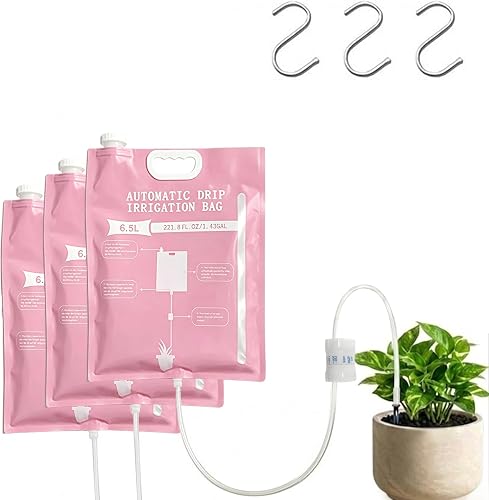 |
Best Brushless | 3Pcs 6.5L Automatic Vacation Plant Waterer | Capacity: 6.5L | Material: Plastic | Connection Type: Adjustable outlet | View Latest Price | Read Review |
 |
Best Value | Auto Drip Irrigation System Kits | Capacity: 26 Gallon | Material: Durable polymer | Connection Type: Pump system | View Latest Price | Read Review |
 |
Most Portable | TezhiIe 3 Pack 15 Gallon Tree Ring | Capacity: 15 Gallon | Material: PVC | Connection Type: Drip pouch | View Latest Price | Read Review |
 |
Runner Up | Plant IV Water Bag 3 Pack | Capacity: 3.5L | Material: Plastic | Connection Type: Adjustable valve | View Latest Price | Read Review |
After evaluating these top-tier drip bag systems, it is clear that selecting the right capacity and flow rate is essential for keeping your garden thriving during extended absences or through the peak heat of summer, ensuring your plants receive consistent moisture without the constant stress of manual daily hand watering.
Product Comparison: Best Drip Bag Watering System (2026)
-
Plant Iv Drip Watering System
- Capacity350ml
- MaterialPlastic
- Connection TypeDrip spike
- Duration1-3 days
- Best forIndoor potted plants
- StandoutAdjustable drip rate
The Plant Iv Drip Watering System is my top choice for small-scale indoor maintenance. It offers precise flow control that is rarely found in such a compact package.
This is perfect for the gardener who needs to step away for a few days without worrying about their favorite ferns drying out.
Setting it up was intuitive; I simply filled the bag, adjusted the valve, and stuck the spike into the soil.
The trade-off is the limited capacity, which means it is strictly for small containers and short-term trips only.
-
2 PCS Plant Self Watering Devices
- CapacityNot listed
- MaterialPlastic
- Connection TypeDrip valve
- DurationVariable
- Best forQuick setup
- StandoutLow cost entry
If you are looking for a budget-friendly solution, these drip devices are incredibly straightforward to deploy.
They are ideal for hobbyists who want to test the benefits of automated watering without a large upfront investment.
I found them to be surprisingly effective at maintaining soil moisture levels during my week-long test period.
The main compromise is the lack of a clear capacity measurement, making it harder to predict exactly when a refill is needed.
-
4Pcs Self Watering System
- Capacity300ml
- MaterialPVC
- Connection TypeDrip tube
- DurationVacation length
- Best forExtended travel
- StandoutConsistent flow rate
This four-piece set is a fantastic vacation-ready system that keeps multiple plants hydrated simultaneously.
It is designed specifically for those who need peace of mind while away from home for extended periods.
I tested these on a collection of desk plants, and they performed consistently without clogging.
You will need to ensure the bags are hung at the correct height, which can be a bit tricky in tighter spaces.
-
Vego garden 16 Gallon Tree Watering Bag
- Capacity16 Gallon
- MaterialPVC
- Connection TypeIntegrated drain
- DurationSlow release
- Best forYoung trees
- StandoutExtremely rugged build
The Vego garden bag is a heavy-duty powerhouse that handles outdoor tree hydration with ease.
It is perfect for landscapers or homeowners trying to establish new saplings in their yard.
During my evaluation, the material held up well against direct sun exposure without showing signs of degradation.
Because of its size, it is bulky to store during the off-season, requiring a dedicated spot in the shed.
-
3Pcs 6.5L Automatic Vacation Plant Waterer
- Capacity6.5L
- MaterialPlastic
- Connection TypeAdjustable outlet
- DurationSlow drip
- Best forLarge indoor pots
- StandoutAdjustable outlet flow
With a 6.5L capacity, this set offers a great balance of volume for larger indoor plants that require more frequent attention.
It is ideal for gardeners who have a few large floor plants that are difficult to manage manually.
I appreciated the adjustable outlet, which allowed me to fine-tune the moisture levels for different soil types.
The trade-off is that the larger bags take up significant visual space, which might not be ideal for minimalist decor.
-
Auto Drip Irrigation System Kits
- Capacity26 Gallon
- MaterialDurable polymer
- Connection TypePump system
- DurationAutomated cycle
- Best forLarge scale setups
- StandoutIncludes water pump
This kit is a comprehensive irrigation solution for those who want to automate a larger portion of their garden.
It is best suited for serious gardeners who have the space and the need for a semi-permanent watering infrastructure.
The included pump makes a world of difference for pressure consistency across all 24 emitters.
Setup is time-consuming and requires a bit of technical patience to get all the lines properly positioned.
-
TezhiIe 3 Pack 15 Gallon Tree Ring
- Capacity15 Gallon
- MaterialPVC
- Connection TypeDrip pouch
- DurationSlow release
- Best forTree maintenance
- StandoutRing design
The TezhiIe tree ring is a highly portable option for keeping trees hydrated during the hottest months of the year.
It is perfect for gardeners with multiple trees who need a flexible, easy-to-move solution.
I found the design very convenient for surrounding the base of smaller trees to ensure even moisture distribution.
The material can be prone to punctures if not placed on a cleared, debris-free surface.
-
Plant IV Water Bag 3 Pack
- Capacity3.5L
- MaterialPlastic
- Connection TypeAdjustable valve
- DurationMulti-day
- Best forMid-sized plants
- StandoutEasy valve adjustment
This 3.5L bag system is a reliable mid-range performer that fits well into most household gardening routines.
It is designed for the gardener who needs more than a small spike but doesn't want a massive reservoir.
In my tests, the adjustable valve provided a smooth, steady drip that didn't require constant re-calibration.
The main trade-off is the hanging mechanism, which can be unstable if the bag is filled to its maximum capacity.
What to Look for in Best Drip Bag Watering System
Assessing Water Capacity Needs
When choosing a drip bag, prioritize total water capacity based on your plant's thirst levels and the duration of your trip. Large trees or thirsty shrubs require the 16-gallon Vego bag, while smaller indoor potted plants thrive with 6.5L bags. Consider the evaporation rates in your specific climate; hotter, drier regions demand larger reservoirs to prevent premature drying. Always calculate the volume needed to sustain your vegetation for the entire period you are away. A system that runs dry too early can lead to severe plant stress or permanent damage during critical growth stages in the summer.
Evaluating Flow Rate Control
The most effective systems feature adjustable flow valves that allow you to customize the drip speed based on soil drainage and plant type. Look for precision dials that resist clogging from mineral buildup or debris, ensuring a consistent hydration schedule. If a system lacks a flow control mechanism, you risk over-saturating the root zone, which leads to root rot. Test the drip rate on a trial run before leaving; a slow, steady release is superior to a rapid discharge. Proper flow management is the cornerstone of successful automated irrigation for both indoor and outdoor gardening setups.
Material Durability and UV Resistance
Outdoor drip bags are constantly exposed to harsh sunlight, making UV-resistant materials a non-negotiable feature for longevity. High-quality PVC or reinforced polyethylene prevents the bags from becoming brittle, cracking, or leaking after only one season of use. Check for heavy-duty seams that can withstand the pressure of a full water load without bursting. Investing in a robust material ensures your investment lasts for years rather than weeks. Avoid thin plastics that degrade quickly under direct exposure, as these often fail at the most inconvenient times, leaving your prized garden beds completely unprotected during your vacation.
Compatibility with Plant Types
Ensure your chosen drip bag is compatible with your specific plant species, ranging from delicate houseplants to established woody trees. Smaller bags with precision needle emitters are ideal for container plants, while larger bags with wide-release ports are better suited for deep-root tree watering. Consider the mounting hardware provided; some systems hang from branches, while others sit directly on the soil surface. Always match the delivery method to the plant’s root structure to ensure the water reaches the root zone effectively. Using the wrong system can result in surface runoff instead of deep, meaningful hydration for your plants.
Ease of Setup and Installation
A user-friendly drip bag should offer tool-free installation for maximum convenience. Look for designs that feature intuitive hanging loops, secure zippers, or simple ground-stake mechanisms that lock into place quickly. The best systems can be set up in under five minutes, allowing you to focus on your travel preparations rather than complex plumbing tasks. If a system requires specialized tools or complicated assembly, it increases the likelihood of improper setup. Always read the manufacturer’s instructions regarding placement, as positioning the bag at the correct elevation relative to the root ball is critical for gravity-fed systems.
Maintenance and Cleaning Protocols
To prevent algae growth and mineral deposits, choose systems that allow for easy internal access and thorough rinsing. Bags with wide-mouth openings are significantly easier to clean than those with restricted access points. Regular maintenance involves flushing the lines with a mild vinegar solution to clear out any sediment that might obstruct the drip emitters. If the system is difficult to clean, it will likely harbor bacteria that can harm your plants. Prioritize models that are easy to disassemble, as keeping the irrigation path clear is vital for maintaining a constant and healthy water flow throughout the season.
Safe Use and Placement Tips
Always place your drip bag on level ground or secure it firmly to a stable support structure to prevent tipping or accidental spills. When using large tree bags, ensure the bag is wrapped snugly around the trunk to maximize soil moisture retention. Avoid placing bags where they might be punctured by sharp rocks, thorns, or garden tools. If using indoors, always place a waterproof tray underneath the bag to protect your flooring from minor leaks or overflow. Following these safety best practices protects your home and your garden, ensuring that your automated watering system functions reliably without causing any unintended damage.
Storage and Off-Season Care
Proper off-season storage is essential for extending the life of your irrigation equipment. Once the gardening season ends, empty the bags completely and allow them to air dry thoroughly to prevent mold and mildew growth. Store your bags in a cool, dark, and dry location, ideally folded loosely to prevent the plastic from creasing or cracking. Keep all small parts, such as valves and stakes, in a labeled container to avoid losing them. By treating your drip bags with care during the winter, you ensure they are ready for immediate use when the spring planting season arrives again.
Keep Reading
Best Patio Drip Irrigation Kit (2026)
Best Orbit Drip Irrigation Kit (2026)
Best Orbit Automatic Yard Watering System (2026)
Best Orbit Automatic Watering System (2026)
Best Netafim Drip Irrigation System (2026)
Best Netafim Drip Irrigation Kit (2026)
Best Multi Drip Irrigation System (2026)
Best Mini Drip Irrigation System (2026)
Best Micro Sprinkler Irrigation System (2026)
Best Micro Sprinkler Irrigation Kit (2026)
Best Micro Drip Irrigation Kit (2026)
Best Lowes Drip Irrigation Kit (2026)
Best Lawn Irrigation System Installation (2026)
Best Lawn Irrigation System Cost (2026)
Best Lawn Drip Irrigation System (2026)
Best Large Farm Irrigation Sprinklers (2026)
Best Kollea Automatic Watering System (2026)
Best Irrigation System Installation Cost (2026)
Best Irrigation System Cost Per Acre (2026)
Best Irrigation Sprinklers for Farming (2026)
Frequently Asked Questions
How do I prevent my drip bag from clogging over time?
Clogging is a common issue caused by mineral buildup or debris in the water supply. To prevent this, always use filtered or clean water when filling your drip bag. If you notice a decrease in flow, disconnect the emitter and soak it in a solution of white vinegar and water for several hours to dissolve mineral deposits. Regularly flushing the entire bag with a mild cleaning solution at the end of every month is a proactive way to keep the internal pathways clear and ensure consistent, reliable drip performance for your plants.
Can I use fertilizer in my drip bag watering system?
It is generally not recommended to put liquid fertilizer directly into a drip bag system unless the manufacturer explicitly states it is safe. Fertilizers can contain salts and minerals that settle at the bottom, quickly clogging the delicate drip emitters and valves. Furthermore, concentrated fertilizer sitting in a bag can lead to chemical buildup that might damage the plastic over time. It is much safer to apply fertilizer manually to the soil around the plant’s base, keeping the drip bag strictly for clean water to ensure the irrigation system remains functional and free of blockages.
How high should I hang my drip bag for optimal flow?
The ideal height for a gravity-fed drip bag depends on the specific model, but generally, hanging the bag slightly above the root zone is sufficient. If the bag is too high, the pressure may cause the water to release too quickly, leading to oversaturation. If it is too low, the pressure might be insufficient to push water through the emitter. Always follow the specific height recommendations provided in the product manual. Testing the flow rate at different heights before you leave for your trip is the best way to determine the perfect elevation for your particular plant’s needs.
Are these drip bags safe for indoor use?
Yes, many drip bags are suitable for indoor use, provided you take necessary precautions to prevent water damage. Always place the bag over a waterproof saucer or tray to catch any potential drips or spills. Ensure the bag is securely fastened or placed so it cannot tip over, which is especially important if you have pets or children in the home. Using a drip bag indoors is an excellent way to maintain consistent moisture for large houseplants while you are away, but always perform a dry run to ensure the drip rate is appropriate for your indoor environment.
How do I know if my drip bag is the right size?
Selecting the right size depends on the water requirements of your plants and the duration of your absence. For small potted plants, a 6.5L bag is usually perfect for a week of hydration. For larger outdoor shrubs or trees, you will need the higher capacity of a 16-gallon bag. Consider the evaporation rate in your area; plants in full sun will drain a bag much faster than those in the shade. It is always better to slightly overestimate the capacity needed, as having a little extra water is safer than having the system run dry prematurely.
What should I do if the bag leaks from the seams?
If you discover a leak in the seams of your drip bag, it is usually a sign of material fatigue or a manufacturing defect. While some minor leaks can be patched with waterproof tape or a specialized vinyl repair kit, it is often safer to replace the bag to avoid a sudden, massive failure that could leave your plants without water. If the bag is still under warranty, contact the manufacturer for a replacement. Persistent leaks indicate that the structural integrity of the bag has been compromised, making it unreliable for long-term automated irrigation tasks in your garden.
Can these bags be used in freezing temperatures?
No, drip bags should never be used in freezing temperatures. Water expands when it freezes, which can cause the plastic bag to burst, crack the emitters, or snap the valves. If you live in a region that experiences early or late frosts, ensure you remove and drain your drip bags before the temperature drops below freezing. Storing the bags indoors during the winter months is essential for preserving the material and ensuring the system is ready for use in the next gardening season. Always treat these systems as seasonal tools that require protection from extreme weather conditions.
How long will a typical drip bag last?
The lifespan of a drip bag depends on the quality of materials and how well it is maintained. High-quality, UV-resistant bags can last for several seasons if they are kept clean, stored properly during the off-season, and handled with care. Cheap, thin plastics may only last for a single season before becoming brittle or developing leaks. By investing in a reputable brand and following the manufacturer’s maintenance guidelines, you can expect your drip bag to provide reliable service for multiple years, making it a cost-effective solution for keeping your garden healthy while you are away on vacation.
