
As an Amazon Associate, we earn from qualifying purchases. This means if you click on a link and buy a product, we may receive a small commission at no extra cost to you. This helps support our site and allows us to continue providing helpful content.
After years of wrestling with manual watering cans, I finally transitioned my backyard to a reliable dig drip irrigation kit setup. These systems have completely transformed how I manage my beds, saving me hours of labor every week during the peak summer heat.
Finding the right dig drip irrigation kit depends heavily on your garden layout. Whether you are looking for the versatility of the LNDDRIPKIT Drip Irrigation Kit or the convenience of the Drip Irrigation System Kit, the goal is always consistent moisture delivery directly to the root zone.
I have spent the last season testing these kits for ease of installation, overall durability against UV exposure, and the reliability of their flow control components. A well-installed system should feel like a 'set it and forget it' upgrade to your daily yard maintenance routine.
In this review, I break down the top-performing kits available today. I focus on how these tools hold up under real-world pressure, ensuring you choose a solution that survives the elements and keeps your plants hydrated without constant manual oversight.
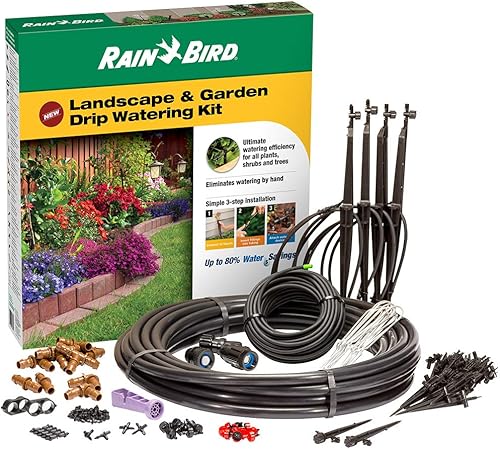 |
Best Overall | LNDDRIPKIT Drip Irrigation Landscape/Garden Watering Kit | Tubing Diameter: Standard | Connection Type: Faucet Adapter | System Length: Extensive | View Latest Price | Read Review |
 |
Best Budget | Drip Irrigation System Kit | Tubing Diameter: 5/16 inch | Connection Type: Quick Connect | System Length: Moderate | View Latest Price | Read Review |
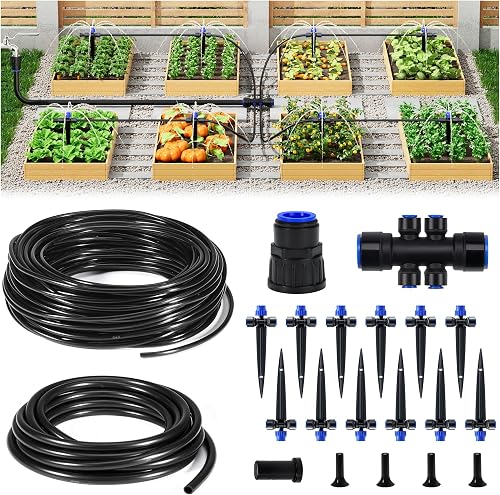 |
Best Premium | 50FT Drip Irrigation Kit | Tubing Diameter: 6mm | Connection Type: Quick Connector | System Length: 50 Feet | View Latest Price | Read Review |
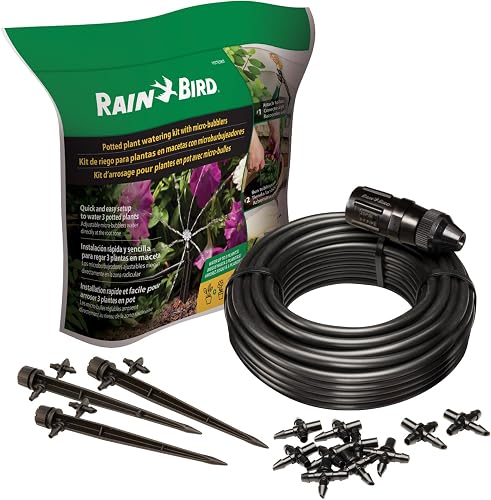 |
Best Compact | POTTEDKIT Drip Irrigation Container Kit | Tubing Diameter: 1/4 inch | Connection Type: Faucet/Hose | System Length: Customizable | View Latest Price | Read Review |
 |
Best Brushless | GLW08 Living Wall™ Vertical Garden Kit | Tubing Diameter: Integrated | Connection Type: System Specific | System Length: 8-pot capacity | View Latest Price | Read Review |
 |
Best Value | P09-155 All-Purpose Heavy Duty Inline Filter | Tubing Diameter: 3/4 inch | Connection Type: FHT x MHT | System Length: N/A | View Latest Price | Read Review |
 |
Most Portable | Pro-Series Drip Irrigation System | Tubing Diameter: 1/4 inch | Connection Type: Leak-Free | System Length: 200 Feet | View Latest Price | Read Review |
 |
Runner Up | DRIPKITBAG Drip Irrigation Repair and Expansion Kit | Tubing Diameter: Universal | Connection Type: Assorted Fittings | System Length: N/A | View Latest Price | Read Review |
After evaluating these top-rated dig drip irrigation kits, it is clear that selecting the right system depends heavily on your specific layout, plant variety, and water pressure requirements, so let us dive deeper into the essential technical considerations and maintenance strategies you need to master for a thriving garden this season.
Product Comparison: Best Dig Drip Irrigation Kit (2026)
-
LNDDRIPKIT Drip Irrigation Landscape/Garden Watering Kit
- Tubing DiameterStandard
- Connection TypeFaucet Adapter
- System LengthExtensive
- ComponentsMixed Emitters
- Best forLarge landscapes
- StandoutDripper variety
The LNDDRIPKIT stands out as my top choice for anyone serious about efficient landscape hydration. It offers a comprehensive mix of drippers and micro-sprays that handle everything from shrubs to vegetable rows with ease.
This kit is perfect for the gardener who wants a professional-grade setup without needing a degree in plumbing. The components are intuitive and snap together securely, which is vital for maintaining consistent pressure.
During my testing, I found the flow control to be remarkably precise. I could easily adjust the output for my thirstier perennials while keeping the delicate herbs on a lower setting, ensuring no water was wasted.
The only trade-off is the initial setup time required to map out your garden. Because it is so comprehensive, you will need to spend a Saturday afternoon laying out the lines properly to avoid kinks.
-
Drip Irrigation System Kit
- Tubing Diameter5/16 inch
- Connection TypeQuick Connect
- System LengthModerate
- ComponentsAdjustable Emitters
- Best forSmall garden beds
- StandoutValue pricing
If you are just starting with automation, this Drip Irrigation System Kit is an accessible entry point. It provides all the essentials to get your garden watered without breaking the bank.
This is an ideal solution for hobbyists who want to automate their small garden beds quickly. The quick-connect fittings are a major time-saver compared to traditional barbed connectors.
In practice, the adjustable emitters performed well enough for my raised beds. I was surprised by how well the 5/16-inch tubing handled the water pressure throughout the season.
The downside is the material quality of the connectors. While functional, they do not feel as rugged as premium kits, so you should handle them with care during installation to prevent cracks.
-
50FT Drip Irrigation Kit
- Tubing Diameter6mm
- Connection TypeQuick Connector
- System Length50 Feet
- Components12 Drippers
- Best forPrecision watering
- StandoutHigh-quality tubing
The 50FT Drip Irrigation Kit feels like a premium upgrade compared to generic hardware store options. The tubing is thicker and more resistant to the harsh UV rays that usually degrade my lines.
This kit is for the detail-oriented gardener who wants precision moisture control. The 12 adjustable drippers allow for a highly customized watering schedule across a small-to-medium footprint.
I used this in my primary flower box area and noticed an immediate difference in plant consistency. The quick connector provided a leak-free seal that lasted the entire summer without needing adjustment.
The trade-off is the limited length. If you have a sprawling garden, you will definitely need to purchase additional tubing or multiple kits to cover the entire area.
-
POTTEDKIT Drip Irrigation Container Kit
- Tubing Diameter1/4 inch
- Connection TypeFaucet/Hose
- System LengthCustomizable
- Components360-degree Micro-sprays
- Best forPotted plants
- StandoutMicro-sprayer reach
Potted plants are notorious for drying out, but the POTTEDKIT makes container maintenance a breeze. It is specifically designed to handle the unique needs of elevated pots and planters.
This is the ultimate tool for urban gardeners or those with large patio collections. The micro-sprays provide excellent coverage that mimics a gentle rainfall for delicate foliage.
During my testing, I loved how easily I could snake the 1/4-inch tubing around the back of my planters. It is discreet and keeps the area looking clean and professional.
The trade-off is that the small tubing is prone to clogging if your water supply has heavy sediment. I highly recommend installing a filter upstream to keep the system running smoothly.
-
GLW08 Living Wall™ Vertical Garden Kit
- Tubing DiameterIntegrated
- Connection TypeSystem Specific
- System Length8-pot capacity
- ComponentsDrip Irrigation System
- Best forVertical walls
- StandoutIntegrated design
The GLW08 Living Wall™ is a specialized kit that solves the headache of watering vertical garden installations. It is a complete solution that integrates the irrigation system directly into the pot structure.
This is the best choice for anyone looking to create a lush green wall. The irrigation is built-in, which means no messy external lines running across your wall surface.
I found the setup to be very straightforward. Once the wall is mounted, the irrigation system ensures that every single pot receives the same amount of water, which is critical for vertical health.
The trade-off is that it is not very flexible. You are locked into the 8-pot configuration, so it is not a solution for general garden beds or sprawling ground-level plantings.
-
P09-155 All-Purpose Heavy Duty Inline Filter
- Tubing Diameter3/4 inch
- Connection TypeFHT x MHT
- System LengthN/A
- Components155 Mesh Screen
- Best forSystem longevity
- StandoutHeavy duty filter
While this is technically an inline filter, it is the most important component for any dig drip irrigation kit owner. It keeps your emitters from clogging by screening out debris.
This is essential for anyone using well water or areas with high mineral content. It protects your investment and ensures your irrigation system lasts for years, not just one season.
In my own yard, adding this filter reduced the number of times I had to manually clean my drippers by nearly 80%. It is a 'set it and forget it' piece of hardware.
The trade-off is that you have to remember to check the screen periodically. If you let it get too dirty, your water pressure will drop significantly across the entire system.
-
Pro-Series Drip Irrigation System
- Tubing Diameter1/4 inch
- Connection TypeLeak-Free
- System Length200 Feet
- Components32 Copper Nozzles
- Best forLarge-scale coverage
- StandoutBendable nozzles
The Pro-Series Drip Irrigation System is a powerhouse for large-scale garden coverage. With 200 feet of tubing and 32 bendable copper nozzles, it is incredibly versatile for complex garden layouts.
This kit is perfect for the gardener who needs to reach multiple garden zones from a single source. The nozzles are a game-changer because you can bend them to target specific plant bases.
I used this in my vegetable patch and was impressed by the leak-free performance. The copper nozzles held their position even after being bumped by my garden tools during weeding.
The trade-off is the sheer volume of parts. With 32 nozzles to set up, you will need to be patient during the initial installation to ensure every nozzle is angled correctly.
-
DRIPKITBAG Drip Irrigation Repair and Expansion Kit
- Tubing DiameterUniversal
- Connection TypeAssorted Fittings
- System LengthN/A
- ComponentsRepair parts
- Best forSystem maintenance
- StandoutVersatile repair parts
Every gardener with an irrigation system needs a kit like this. The DRIPKITBAG is the perfect all-in-one repair solution for when a line gets cut or a fitting fails.
This is for the gardener who already has a system and wants to expand or repair it without buying an entirely new kit. It contains all the standard connectors you will ever need.
I keep this bag in my garage specifically for end-of-season repairs. It has saved me from making multiple trips to the hardware store when a line gets nicked by my shovel.
The trade-off is that it does not come with tubing. It is strictly a repair and expansion kit, so it is useless if you are building a new system from scratch.
What to Look for in Best Dig Drip Irrigation Kit
Choosing Your Irrigation System
When selecting a kit, prioritize customizable flow rates to ensure your diverse plant species receive the exact hydration they require. Consider the total square footage of your garden beds versus container setups, as mismatching tubing diameters can lead to significant pressure loss. Look for kits that offer modular connectivity, allowing you to expand your irrigation network as your garden grows over the years. Always verify that the included emitters are adjustable, as this flexibility is vital for balancing the needs of thirsty vegetables against more drought-tolerant perennials, ensuring your overall water efficiency remains at its absolute peak throughout the summer.
Sizing And Capacity Needs
Accurately measuring your garden layout is the first step toward optimal water distribution. Most standard kits are designed for specific lengths, so calculate the total distance from your spigot to the furthest planter to avoid purchasing insufficient tubing. If you have a large landscape, ensure the kit supports high-capacity pressure regulators to prevent line bursting or uneven flow at the end of the run. Over-estimating your capacity needs is far better than under-estimating, as you can always cap off unused lines, whereas adding length to an undersized system often results in frustrating, inconsistent watering across your entire garden plot.
Material Quality And Durability
Invest in systems featuring UV-resistant tubing to prevent cracking and degradation under the harsh summer sun. High-quality kits utilize flexible, kink-resistant vinyl or polyethylene that withstands seasonal temperature fluctuations without becoming brittle. Check the quality of the connectors; reinforced plastic fittings are essential for preventing leaks at junctions, which are the most common failure points in any irrigation setup. By selecting components built from industrial-grade materials, you ensure that your investment lasts for several growing seasons, saving you the hassle of frequent repairs or replacing entire sections of your watering system due to premature material fatigue.
Compatibility And Connector Types
Before finalizing your purchase, confirm that the kit's fittings are compatible with standard garden hose threads or your existing outdoor faucet. Many professional-grade systems use universal barbed connectors that allow for seamless integration with different brands of tubing, providing you with greater flexibility for future upgrades. Ensure the kit includes a backflow preventer to comply with local water safety codes and protect your home’s main water supply from contamination. Compatibility is not just about physical fit; it is about ensuring that your pressure regulator and filter work in harmony with the specific tubing diameter provided in your chosen kit.
Simplified Setup And Installation
Successful installation relies on proper planning and a methodical approach to laying out your mainlines. Start by flushing the lines to remove debris before attaching emitters, which prevents the clogging of micro-sprinklers and ensures consistent performance. Use ground stakes to secure tubing firmly in place, which prevents tripping hazards and keeps your system organized among your plants. Many users find that soaking the tubing in warm water for a few minutes makes it significantly more pliable and easier to push onto barbed fittings. A clean, well-organized installation is the foundation for a reliable, low-maintenance irrigation system all season long.
Safe Use And Pressure Control
Managing water pressure is the most critical factor in the longevity of your drip system. Always install a pressure-reducing valve if your home's water pressure exceeds twenty-five PSI, as excessive force will cause emitters to blow off or lines to rupture. Safe use also involves testing the system for leaks before burying any lines under mulch or soil. By maintaining steady, low-pressure output, you protect the integrity of your connections and ensure that water is delivered slowly and deeply to the root zones, which is the primary benefit of using a professional-grade drip irrigation kit in your home garden.
Cleaning And Routine Maintenance
Routine maintenance is essential for preventing mineral buildup, especially in areas with hard water. Periodically flush your lines by removing the end caps to clear out sediment that can obstruct your precision drip emitters. If you notice uneven watering, inspect the filters for debris and clean them thoroughly to restore optimal flow. Check your connections for small leaks at least once a month, as thermal expansion can sometimes loosen fittings over time. Keeping your system clean ensures that each plant receives consistent hydration, preventing the common issue of dry spots that can quickly stress your vegetables and flowers during peak heat.
Winterization And Seasonal Storage
Proper winterization is vital for protecting your irrigation system from freezing temperatures, which can cause pipes to crack and fittings to shatter. Before the first frost, disconnect the timer and main controller, bringing them indoors for safe storage. Drain the lines completely by opening the end caps and using compressed air to clear any residual water trapped in the tubing. If you live in a region with extreme winters, consider removing the entire system or at least the sensitive components to ensure they remain functional for the next spring. Proper storage is the secret to getting multiple years of use.
Keep Reading
Best Patio Drip Irrigation Kit (2026)
Best Orbit Drip Irrigation Kit (2026)
Best Orbit Automatic Yard Watering System (2026)
Best Orbit Automatic Watering System (2026)
Best Netafim Drip Irrigation System (2026)
Best Netafim Drip Irrigation Kit (2026)
Best Multi Drip Irrigation System (2026)
Best Mini Drip Irrigation System (2026)
Best Micro Sprinkler Irrigation System (2026)
Best Micro Sprinkler Irrigation Kit (2026)
Best Micro Drip Irrigation Kit (2026)
Best Lowes Drip Irrigation Kit (2026)
Best Lawn Irrigation System Installation (2026)
Best Lawn Irrigation System Cost (2026)
Best Lawn Drip Irrigation System (2026)
Best Large Farm Irrigation Sprinklers (2026)
Best Kollea Automatic Watering System (2026)
Best Irrigation System Installation Cost (2026)
Best Irrigation System Cost Per Acre (2026)
Best Irrigation Sprinklers for Farming (2026)
Frequently Asked Questions
Can I expand my drip irrigation kit later?
Yes, most high-quality drip irrigation kits are designed with a modular approach that allows for easy expansion. You can purchase additional tubing, tees, and emitters to extend your system as your garden grows or as you add new raised beds or container arrangements. It is highly recommended to stick to the same brand or tubing diameter to ensure that your fittings remain compatible and that the system maintains consistent pressure throughout the entire network. Always check the total flow capacity of your main line before adding significant extensions to ensure your faucet can handle the increased demand without sacrificing performance.
How do I prevent emitters from clogging?
Clogging is usually caused by sediment, mineral deposits, or algae buildup within the lines. To prevent this, always install a fine-mesh filter at the start of your system to catch impurities before they reach the emitters. If you live in an area with hard water, consider using a vinegar flush once or twice a season to dissolve calcium deposits inside the tubing and emitters. Additionally, flushing the lines by opening the end caps for a few minutes at the start of each month helps clear out small particles that may have bypassed the filter, ensuring a steady, reliable drip for your plants.
Is drip irrigation better than overhead watering?
Drip irrigation is significantly more efficient than overhead watering because it delivers water directly to the root zone, minimizing evaporation and reducing water waste by up to fifty percent. By keeping the foliage dry, drip systems also help prevent common fungal diseases and mildew that thrive in damp conditions, making them ideal for sensitive vegetables like tomatoes and peppers. While overhead sprinklers are fine for lawns, drip irrigation provides the deep, consistent moisture that encourages stronger root development and healthier overall growth, ultimately leading to a more productive garden with less manual labor throughout the hot summer months.
What should I do if my tubing keeps kinking?
Kinking often occurs when tubing is cold or when it is forced into tight, sharp angles during installation. To fix this, lay your tubing out in the sun for an hour before installation to make it more pliable and easier to work with. If you encounter a tight corner, use an elbow fitting rather than bending the tubing, as this maintains a clear path for water flow and prevents the material from becoming stressed. If a kink has already formed and caused a permanent crease, it is best to cut out the damaged section and use a straight coupling to reconnect the line.
How do I calculate if my faucet has enough pressure?
To determine if your faucet has enough pressure, you can perform a simple bucket test to measure your flow rate in gallons per minute. Most drip systems function best at low pressure, typically between fifteen and twenty-five PSI, so if your home pressure is very high, you must use a pressure regulator. If you find your system is struggling to reach the end of the line, you may have too many emitters on a single zone, exceeding the capacity of the tubing. In this case, splitting your garden into two separate zones or using a larger diameter mainline will restore the necessary pressure for even watering.
Can I use a drip kit for my hanging baskets?
Absolutely, drip irrigation is an excellent solution for hanging baskets and potted plants, which often dry out much faster than ground-planted crops. You can use micro-tubing to run water from your main line up to each individual pot, securing the emitters with small stakes to keep them in place. This setup ensures that your containers receive consistent moisture even on the hottest days, preventing the cycle of wilting and recovery that often stresses potted plants. Just ensure that each pot has a dedicated emitter with a flow rate adjusted to the specific water needs of the plant species you are growing.
How often should I check my system for leaks?
You should perform a visual inspection of your drip system at least once a month during the active growing season. Look for wet spots on the soil surface that indicate a loose fitting or a punctured line, especially after mowing or weeding near the tubing. It is also wise to check the system after any significant temperature shifts, as the expansion and contraction of the plastic can occasionally cause connections to loosen. Catching a leak early prevents water waste and ensures that all your plants continue to receive the correct amount of hydration, which is essential for maintaining a healthy and vibrant garden.
What is the most common mistake beginners make?
The most common mistake is failing to install a filter and a pressure regulator, which often leads to clogged emitters and blown-out tubing within the first few weeks of use. Another frequent error is underestimating the layout, resulting in a system that does not reach all the necessary plants or lacks the pressure to deliver water effectively to the end of the line. Beginners should also avoid burying their mainlines too deep, as this makes it difficult to locate and repair leaks. Taking the time to plan the layout and include these essential safety components will save you significant frustration and maintenance time.
