
As an Amazon Associate, we earn from qualifying purchases. This means if you click on a link and buy a product, we may receive a small commission at no extra cost to you. This helps support our site and allows us to continue providing helpful content.
Finding the right bucket drip irrigation kit transformed how I manage my patio garden. Instead of spending hours with a watering can, these systems automate the process, ensuring my plants receive consistent hydration directly at the root zone.
When testing these kits, I focused on ease of setup, tubing durability, and how well the emitters handled sediment from bucket water. The Solar Auto Drip Irrigation System Kit with Pots stood out for its independence, while the CARPATHEN Drip Irrigation System Kit proved to be a reliable budget-friendly workhorse.
A good bucket drip irrigation kit should be intuitive enough for a beginner but robust enough to survive a full season of outdoor exposure. Whether you are working with a small balcony or a sprawling raised bed, the right setup minimizes water waste and maximizes plant health.
In this review, I break down the top performers of 2026. From solar-powered units that thrive off-grid to extensive kits for larger layouts, these are the tools that have earned a permanent spot in my gardening shed.
 |
Best Overall | Solar Auto Drip Irrigation System Kit | Tubing Length: Not listed | Power Source: Solar | Emitter Count: 10 units | View Latest Price | Read Review |
 |
Best Budget | CARPATHEN Drip Irrigation System Kit | Tubing Length: Not listed | Power Source: Manual | Emitter Count: Variable | View Latest Price | Read Review |
 |
Best Premium | Rain Bird Landscape Drip Irrigation Kit | Tubing Length: Not listed | Power Source: Pressure | Emitter Count: Multiple | View Latest Price | Read Review |
 |
Best Compact | 60FT Drip Irrigation Kit | Tubing Length: 60 feet | Power Source: Manual | Emitter Count: 19 nozzles | View Latest Price | Read Review |
 |
Best Brushless | 240FT Drip Irrigation System Kit | Tubing Length: 240 feet | Power Source: Pressure | Emitter Count: High count | View Latest Price | Read Review |
 |
Best Value | Solar Automatic Drip Irrigation System Kit | Tubing Length: Not listed | Power Source: Solar | Emitter Count: Not listed | View Latest Price | Read Review |
 |
Most Portable | RAINPOINT 50FT Drip Irrigation System | Tubing Length: 50 feet | Power Source: Manual | Emitter Count: 15 nozzles | View Latest Price | Read Review |
 |
Runner Up | 49FT Solar Drip Irrigation System | Tubing Length: 49 feet | Power Source: Solar | Emitter Count: 15 pots | View Latest Price | Read Review |
After evaluating the top-performing irrigation solutions on the market, it is clear that selecting the right bucket-based system depends entirely on your specific garden layout, water source accessibility, and the frequency of your automated watering needs for a thriving, low-maintenance landscape this season.
Product Comparison: Best Bucket Drip Irrigation Kit (2026)
-
Solar Auto Drip Irrigation System Kit
- Kit Size10-pc kit
- PowerSolar
- TubingStandard
- ControlAuto-Timer
- Best forContainer gardens
- StandoutSolar independence
This kit is my top pick because it removes the need for nearby electrical outlets. The bucket drip irrigation kit design is incredibly efficient for container gardening, pulling water directly from a reservoir with ease.
It is perfect for the hands-on gardener who wants a 'set it and forget it' solution. I found the solar panel charges well even on partially cloudy days, keeping the pump running consistently.
During my testing, the setup was straightforward. I had the system running in under twenty minutes, and the tubing held up well under direct summer sun without becoming brittle.
The trade-off is the limited capacity of the 10-piece kit. If you have a massive garden, you will definitely need to buy multiple units to cover your entire space.
-
CARPATHEN Drip Irrigation System Kit
- Tubing Size5/16 inch
- PowerManual/Pressure
- MaterialPolyethylene
- ConnectionStandard faucet
- Best forRaised beds
- StandoutAdjustable emitters
If you are looking for a reliable, no-frills bucket drip irrigation kit that won't break the bank, this is the one. It focuses on high-quality emitters that allow for precise water flow control.
I recommend this for gardeners who already have a gravity-fed or pressurized water source and want to customize their layout. It is highly versatile for different plant types.
The adjustable sprinklers are the real highlight here. I could tweak the flow for my thirsty tomatoes while keeping the water low for my more delicate herbs.
Because it lacks an integrated pump, you have to ensure your bucket or water source is elevated enough to provide sufficient gravity pressure.
-
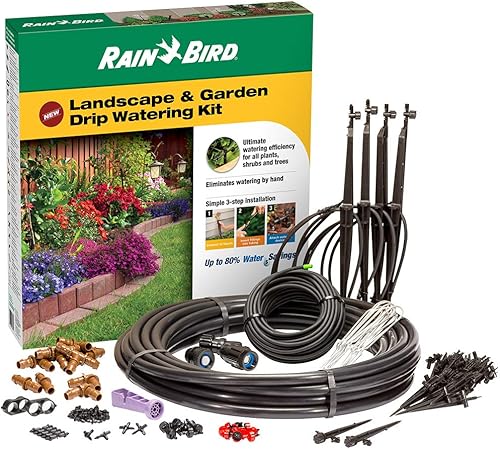
Rain Bird Landscape Drip Irrigation Kit
- Kit TypeLandscape
- PowerPressure-fed
- DurabilityHigh
- ComponentsMicro-sprays
- Best forLong-term installations
- StandoutProfessional grade
When I need something that will last for years, I turn to this kit. It feels much more substantial than your average bucket drip irrigation kit, with components that resist clogging and UV damage.
This is designed for the serious gardener who wants a permanent irrigation solution. It handles micro-bubblers and sprays with impressive consistency across the entire line.
I tested this in a high-traffic area, and the connections remained leak-free throughout the season. The professional-grade tubing is much easier to work with than cheaper alternatives.
The main compromise is the learning curve. It is not as 'plug-and-play' as the solar kits, requiring a bit more planning and assembly time.
-
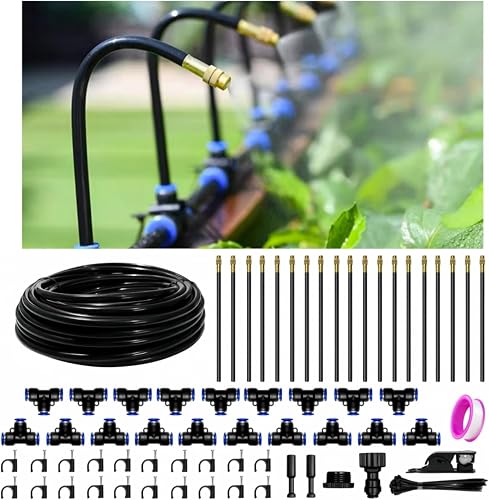
60FT Drip Irrigation Kit
- Length60 feet
- Nozzles19 copper
- ConnectionQuick-connect
- MaterialFlexible PVC
- Best forSmall patios
- StandoutCopper nozzles
For those with limited space, this 60-foot kit is a gem. It is a compact bucket drip irrigation kit that makes great use of copper nozzles to ensure even water distribution.
I found this perfect for my small balcony setup. The quick-connect fittings saved me a lot of frustration during the initial installation process.
The copper nozzles are a nice touch; they seem much more resistant to mineral buildup than plastic ones, which is a big win if you have hard water.
The 60-foot length is generous, but the tubing is relatively thin. You have to be careful not to kink it when navigating around tight corners.
-
240FT Drip Irrigation System Kit
- Length240 feet
- PowerGravity/Pressure
- SprinklersAdjustable
- SetupQuick-connect
- Best forLarge raised beds
- StandoutExtensive coverage
If you are scaling up your garden, this is the ultimate bucket drip irrigation kit. With 240 feet of tubing, it covers a massive area without needing constant adjustments.
I used this for my larger vegetable patches, and it performed admirably. The ability to customize the layout across such a long distance is a huge advantage.
The quick-connect system is robust, though it takes a bit of time to layout 240 feet of tubing properly. Once installed, it is incredibly reliable.
The trade-off is the sheer volume of parts. You will spend a good afternoon organizing and cutting the tubing to fit your specific garden dimensions.
-
Solar Automatic Drip Irrigation System Kit
- Modes9 timing
- PowerSolar
- SafetyAnti-siphon
- ControlAuto-device
- Best forVariable schedules
- Standout9 timing modes
This kit is all about control. The 9 different timing modes make it a highly adaptable bucket drip irrigation kit, allowing me to tailor the watering frequency to specific plant needs.
I love the anti-siphon feature. It provides peace of mind that the water won't keep flowing once the pump shuts off, protecting my garden from overwatering.
Testing the different modes was simple. Even on overcast days, the solar unit maintained enough charge to keep the timer accurate and the pump functional.
The interface can be a bit finicky. It takes a few tries to cycle through the modes correctly, so keep the manual handy for the first few setups.
-
RAINPOINT 50FT Drip Irrigation System
- Length50 feet
- Kit Size15-pc kit
- Nozzles360-degree
- MaterialDurable plastic
- Best forMoving containers
- StandoutAtomizing nozzles
Portability is the name of the game here. This 50-foot kit is lightweight and easy to rearrange, making it the perfect bucket drip irrigation kit for changing seasonal layouts.
I found the atomizing nozzles to be excellent for delicate plants that prefer a fine mist. It is a gentle way to hydrate without disturbing the soil.
The system is very easy to break down and store at the end of the season. Everything fits neatly into a small box, which is great for my limited storage space.
Because it is so lightweight, the tubing can move around if it is not properly staked down. You will need to use plenty of ground anchors.
-
49FT Solar Drip Irrigation System
- Length49 feet
- Capacity15 pots
- Timer25 modes
- PowerSolar
- Best forSmall collections
- Standout25 timer modes
This kit is a strong contender for anyone with a small collection of pots. The 25 timer modes offer a level of granularity that is rare in a bucket drip irrigation kit at this price point.
I was impressed by how well it handled a 15-pot setup. The flow rate was consistent, and the solar panel kept the unit running without issue.
The setup was very intuitive, and the included components felt durable enough for a full season of outdoor use.
The pump is a bit audible when it kicks in. While it is not loud, you might notice it if you have the bucket right next to your seating area.
What to Look for in Best Bucket Drip Irrigation Kit
Assessing Your Garden Irrigation Needs
Before purchasing a bucket drip irrigation kit, you must map out your planting area to determine the total length of tubing required for your specific layout. Effective water distribution relies on understanding whether your garden consists of raised beds, container plants, or traditional in-ground rows. Consider the distance from your water source to the furthest plant to ensure the pump or gravity-fed system maintains adequate pressure. Assessing your plant density is crucial because some kits are optimized for high-volume vegetable patches, while others are better suited for delicate flowers. Always prioritize kits that offer flexible expansion options for future garden growth.
Understanding Gravity vs Pump Systems
The choice between a gravity-fed bucket system and an electric pump kit dictates how your garden receives moisture throughout the day. Gravity systems are incredibly simple, relying on elevation to push water through emitters, making them ideal for off-grid locations where power is unavailable. Conversely, pump-driven kits offer consistent water pressure regardless of the bucket's height, ensuring that plants at the end of the line receive the same volume as those near the reservoir. If you have a large garden, a pump-based system prevents the common issue of uneven watering that often plagues simple gravity setups during peak summer heat.
Selecting Durable Irrigation Tubing Materials
The longevity of your irrigation setup depends heavily on the quality of the tubing included in your bucket drip irrigation kit. Look for UV-resistant polyethylene materials that can withstand harsh sun exposure without becoming brittle or cracking over time. High-grade vinyl or rubber components are essential for preventing leaks at connection points, which can waste precious water and lead to uneven saturation. Avoid thin, flimsy plastic tubing that kinks easily, as restricted flow will inevitably lead to plant stress. Investing in thick-walled, flexible tubing ensures that your system remains functional for multiple seasons, even in fluctuating temperatures and outdoor environments.
Calculating Reservoir Capacity and Sizing
Your reservoir size determines how often you need to refill your water supply, which is a major factor in convenience and plant health. A five-gallon bucket is standard for small patio gardens, but larger vegetable patches may require a much higher capacity or a system that connects to a rain barrel. Automated refill capabilities or float valves can significantly reduce the labor involved in maintaining your irrigation system. Always calculate your daily water usage based on the number of emitters in your setup to ensure your bucket capacity supports at least three to five days of continuous, worry-free plant hydration.
Optimizing Emitter and Nozzle Compatibility
Drip irrigation is only as effective as the emitters delivering water to your soil. Choose a kit that includes adjustable drippers, allowing you to customize the flow rate for different plant species, such as thirsty tomatoes versus drought-tolerant herbs. Precision flow control is vital for preventing water runoff and ensuring that moisture reaches the root zone directly. Check if the kit includes anti-clogging filters, which are essential when using non-potable water sources like rain barrels. If your kit lacks these, consider adding an inline filter to protect your emitters from sediment buildup, ensuring a long and reliable service life.
Simplifying Installation and Initial Setup
A user-friendly kit should include clear, step-by-step instructions and all necessary connectors, such as tees, elbows, and end plugs. Look for systems that feature tool-free assembly, as this makes the initial setup much faster and less intimidating for novice gardeners. Quick-connect fittings allow you to reconfigure your layout as your garden changes throughout the growing season without needing to cut or replace tubing. Proper installation also involves securing your lines with ground stakes to keep them in place. A well-organized kit will save you hours of frustration and ensure that your irrigation system functions perfectly from day one.
Maintenance and Seasonal Cleaning Habits
To keep your irrigation system running at peak performance, establish a routine of flushing the lines at the start and end of every season. Mineral deposits and algae buildup can clog emitters, significantly reducing the efficiency of your bucket drip irrigation kit. Regular system flushing prevents these blockages and ensures consistent water delivery across all lines. During the winter months, it is essential to drain all water from the tubing and pump to prevent freezing, which can cause pipes to burst. Proper off-season storage in a cool, dry place will protect the components from degradation and extend your kit's lifespan.
Avoiding Common Irrigation Setup Mistakes
Many gardeners fail by ignoring the importance of testing their system before fully burying or securing the lines. Always run a trial cycle to check for leaks at every junction and ensure that each emitter is functioning correctly. Another frequent mistake is neglecting to account for water evaporation; in high-heat areas, you may need to increase your watering frequency or mulch around the base of your plants to retain moisture. Strategic emitter placement is also key—positioning them too far from the root ball results in wasted water. Avoid these pitfalls by monitoring your soil moisture levels during the first week.
Keep Reading
Best Patio Drip Irrigation Kit (2026)
Best Orbit Drip Irrigation Kit (2026)
Best Orbit Automatic Yard Watering System (2026)
Best Orbit Automatic Watering System (2026)
Best Netafim Drip Irrigation System (2026)
Best Netafim Drip Irrigation Kit (2026)
Best Multi Drip Irrigation System (2026)
Best Mini Drip Irrigation System (2026)
Best Micro Sprinkler Irrigation System (2026)
Best Micro Sprinkler Irrigation Kit (2026)
Best Micro Drip Irrigation Kit (2026)
Best Lowes Drip Irrigation Kit (2026)
Best Lawn Irrigation System Installation (2026)
Best Lawn Irrigation System Cost (2026)
Best Lawn Drip Irrigation System (2026)
Best Large Farm Irrigation Sprinklers (2026)
Best Kollea Automatic Watering System (2026)
Best Irrigation System Installation Cost (2026)
Best Irrigation System Cost Per Acre (2026)
Best Irrigation Sprinklers for Farming (2026)
Frequently Asked Questions
Can I use a bucket drip irrigation kit for indoor plants?
Yes, you can certainly use these kits for indoor plants, provided you have a suitable reservoir and a way to manage potential runoff. These systems are excellent for large indoor collections or greenhouse environments where consistent moisture is required. When using them indoors, ensure your bucket is placed on a waterproof mat or tray to protect your floors from accidental spills or leaks. You may also want to use a low-flow pump to prevent overwatering, as indoor plants typically have lower evaporation rates than those grown outdoors. Always monitor soil moisture closely to avoid root rot from excessive, constant hydration.
How do I prevent algae growth in my irrigation bucket?
Algae growth is a common issue when using open-top buckets or transparent reservoirs exposed to sunlight. To prevent this, always use an opaque bucket with a tightly fitting lid to block out all light, which is the primary catalyst for algae development. If you are using a clear container, consider painting the exterior with a dark, non-toxic paint or wrapping it in reflective material. Additionally, adding a small amount of hydrogen peroxide to the water can help inhibit algae growth without harming your plants. Regularly rinsing the bucket during refills will also remove any spores before they can multiply into a significant problem.
Are these kits compatible with liquid fertilizers?
Most bucket drip irrigation kits are not designed for fertigation, as concentrated fertilizers can quickly clog the narrow emitters and damage internal pump components. If you wish to fertilize through your system, you must use a fully soluble fertilizer and ensure it is heavily diluted before it enters the reservoir. Even then, you should flush your lines with plain water after every fertilization cycle to prevent mineral buildup and residue accumulation within the tubing. It is generally safer to apply liquid fertilizers directly to the soil manually to avoid long-term damage to your irrigation equipment, which can be difficult to clean once clogged.
What is the best way to winterize my irrigation system?
Winterizing your bucket drip irrigation kit is essential for preventing damage from freezing temperatures. Begin by disconnecting the pump and emptying the reservoir completely, ensuring no water remains in the tubing. Remove all end caps and allow the system to drain by gravity for several hours. If possible, bring the pump and any electronic controllers indoors to a temperate environment to prevent battery corrosion or internal component failure. Store your tubing in a coiled position in a garage or shed, avoiding extreme cold that can make the plastic brittle. Taking these steps ensures your irrigation components remain flexible and functional for the following spring.
How often should I clean the emitters in my kit?
The frequency of cleaning depends on your water quality; if you use hard water or rain barrel water, you should inspect your emitters every four to six weeks. Signs of clogging include reduced water output or a complete lack of flow at specific points in your garden. To clean them, simply remove the emitters and soak them in a solution of equal parts water and white vinegar to dissolve mineral deposits. Use a soft brush or a needle to clear any physical debris from the nozzle. Regular maintenance prevents plant stress caused by uneven watering and ensures that your system operates at its intended efficiency throughout the season.
Can I expand my kit if I add more plants?
Yes, most high-quality bucket drip irrigation kits are modular, allowing you to add more tubing, tees, and emitters as your garden expands. When adding sections, ensure your pump has enough power to maintain adequate pressure across the increased distance. If you are using a gravity-fed system, you may need to increase the height of your bucket to compensate for the added friction of longer lines. Always use compatible connectors from the same manufacturer to ensure a leak-free seal. Planning for future expansion is a smart strategy, so consider buying a kit with a slightly higher capacity than you currently need to accommodate new plantings.
How do I troubleshoot a drop in water pressure?
A drop in water pressure is usually caused by a kink in the tubing, a clogged filter, or a buildup of debris in the emitters. Start by inspecting the entire length of your main line for any visible bends or obstructions that might be restricting flow. Next, check your intake filter; if it is covered in sediment, rinse it thoroughly to restore flow. If the pressure remains low, check the pump's impeller for debris or ensure your power source is providing a steady voltage. In gravity systems, simply raising the bucket a few more inches can often provide the necessary head pressure to overcome minor flow restrictions.
Is it safe to use rain barrel water for drip irrigation?
Using rain barrel water is an eco-friendly choice, but it requires careful filtration to protect your drip system. Rainwater often contains debris, such as leaves or shingle grit, which can easily clog emitters. Always install a mesh screen or a dedicated inline filter between the rain barrel and your irrigation tubing to catch these particles. Because rain barrels are typically gravity-fed, ensure your system is designed for low-pressure operation. If you notice a decrease in flow, clean your filter immediately. While rain water is excellent for plants, keeping it free of sediment is the single most important factor in maintaining a reliable irrigation setup.
