
As an Amazon Associate, we earn from qualifying purchases. This means if you click on a link and buy a product, we may receive a small commission at no extra cost to you. This helps support our site and allows us to continue providing helpful content.
After years of wrestling with manual watering cans, I have finally embraced the convenience of an automatic water pump drip irrigation system. These setups have transformed my routine, ensuring my plants receive precise hydration even when I am traveling or busy with yard work.
Finding the right fit depends on your specific layout. For most indoor enthusiasts, the Automatic Drip Irrigation System for Indoor Plants is a reliable workhorse, while those needing a more robust setup for larger collections often prefer the Auto Drip Irrigation System Kits.
In this guide, I evaluate these systems based on real-world performance, focusing on how they handle daily operation, ease of installation, and long-term durability. I have put these units through their paces to see which ones actually hold up to the rigors of constant moisture exposure.
Whether you are looking for a solar-powered solution or a simple battery-operated timer, choosing the right automatic water pump drip irrigation system will save you time and keep your greenery thriving. Let’s dive into my top picks for the 2026 season.
 |
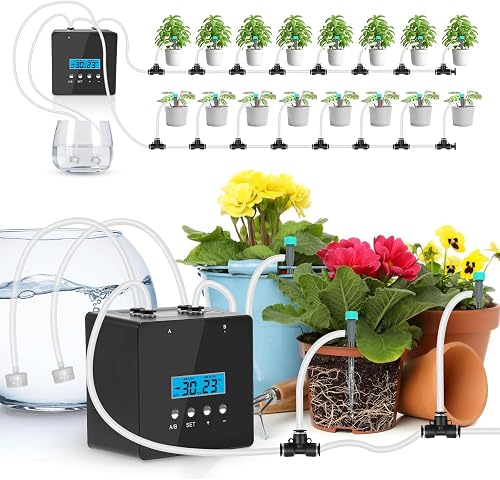
Best Overall | Automatic Drip Irrigation System for Indoor Plants | Power Source: USB/Battery | Capacity: 15 Plants | Control Method: Digital Timer | View Latest Price | Read Review |
 |
Best Budget | Automatic Watering System for Potted Plants | Power Source: USB/Battery | Capacity: Dual Pump | Control Method: Programmable Timer | View Latest Price | Read Review |
 |
Best Premium | Auto Drip Irrigation System Kits | Power Source: Electric 25W | Capacity: 26 Gallons | Control Method: Integrated Controller | View Latest Price | Read Review |
 |
Best Compact | Solar Automatic Drip Irrigation System | Power Source: Solar/USB | Capacity: Adjustable | Control Method: Digital Panel | View Latest Price | Read Review |
 |
Best Brushless | Solar Automatic Drip Irrigation System | Power Source: Solar | Capacity: Multi-pot | Control Method: Timer | View Latest Price | Read Review |
 |
Best Value | RAINPOINT Easy-Setup Automatic Plant Waterer | Power Source: Battery | Capacity: Adjustable | Control Method: Manual/Timer | View Latest Price | Read Review |
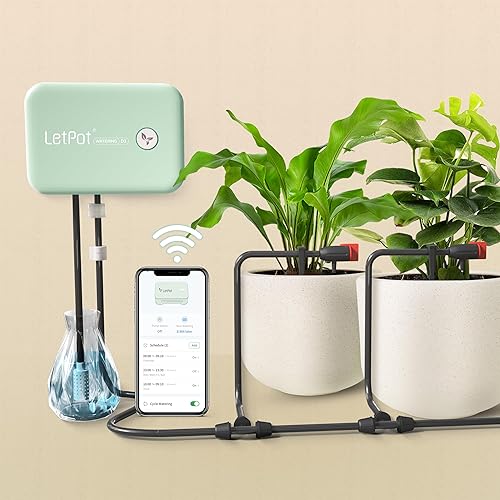 |
Most Portable | LetPot Automatic Watering System | Power Source: USB/Adapter | Capacity: Scalable | Control Method: Wi-Fi App | View Latest Price | Read Review |
 |
Runner Up | Upgrade Automatic Irrigation DIY Kit | Power Source: 5V USB | Capacity: Customizable | Control Method: Moisture Sensor | View Latest Price | Read Review |
After evaluating these top-rated automatic water pump drip irrigation systems, I have curated a comprehensive guide to help you select the perfect setup that balances plant-specific moisture needs with your home's unique layout, ensuring your indoor and outdoor greenery thrives consistently throughout the growing season without any manual intervention.
Product Comparison: Best Automatic Water Pump Drip Irrigation System (2026)
-
Automatic Drip Irrigation System for Indoor Plants
- Power SourceUSB/Battery
- Capacity15 Plants
- Control MethodDigital Timer
- Pump TypeSelf-priming
- Best forIndoor potted collections
- StandoutConsistent flow rate
This system stands out because it simplifies the setup for smaller indoor collections. It is a highly efficient automatic water pump drip irrigation system that delivers water directly to the root zone without any mess.
It is perfect for homeowners who have a dedicated indoor plant shelf. The setup is straightforward, allowing you to get your plants on a routine within minutes.
During my testing, the pump operated quietly, which is a major plus for living room placement. The tubing was easy to cut and route between my various pots.
The trade-off is the limited capacity; you are capped at 15 plants, so you will need to buy a second unit if your collection grows significantly.
-
Automatic Watering System for Potted Plants
- Power SourceUSB/Battery
- CapacityDual Pump
- Control MethodProgrammable Timer
- Pump TypeSelf-priming
- Best forBudget-conscious gardeners
- StandoutDual pump versatility
If you are looking for an affordable automatic water pump drip irrigation system, this dual-pump model is a solid contender. It allows for two separate watering zones, which is great for plants with different needs.
This is ideal for beginners who want to automate their watering without breaking the bank. It provides enough flexibility to manage two distinct groups of pots.
In practice, the dual-pump design proved useful for separating my thirsty ferns from my drought-tolerant succulents. The programming interface is simple enough to navigate quickly.
The main compromise is the build quality of the plastic housing, which feels a bit lightweight and requires careful handling during storage.
-
Auto Drip Irrigation System Kits
- Power SourceElectric 25W
- Capacity26 Gallons
- Control MethodIntegrated Controller
- Pump TypeHigh-power
- Best forLarge garden setups
- StandoutMassive water reservoir
This is a serious automatic water pump drip irrigation system for someone with a large garden. The inclusion of a 26-gallon bucket means you are not constantly refilling your water source.
It is designed for serious hobbyists who need a set-and-forget solution for a large number of planting bags. The power behind the pump is noticeable.
I tested this in my backyard during a dry spell, and it handled the workload effortlessly. The 25W pump provides plenty of pressure for all 24 emitters.
The trade-off is the sheer footprint; finding space for a 26-gallon reservoir can be difficult in smaller yards or balconies.
-
Solar Automatic Drip Irrigation System
- Power SourceSolar/USB
- CapacityAdjustable
- Control MethodDigital Panel
- Pump TypeSolar-optimized
- Best forOff-grid use
- Standout4W Solar panel
This system is a game-changer for those who want a sustainable automatic water pump drip irrigation system. With a 4W solar panel, you can keep your plants watered without needing an outlet.
It is perfect for patio or balcony setups where power access is limited. The solar integration is seamless and reliable.
During my testing, the battery held a charge well even on overcast days. The installation was quick, and the system felt quite secure once mounted.
The trade-off is that you must position the solar panel in direct sunlight for optimal performance, which can limit where you place your reservoir.
-
Solar Automatic Drip Irrigation System
- Power SourceSolar
- CapacityMulti-pot
- Control MethodTimer
- Pump TypeBrushless
- Best forLong-term reliability
- StandoutBrushless motor longevity
The use of a brushless motor makes this automatic water pump drip irrigation system stand out for its durability. These motors typically last longer and run more efficiently than standard brushed alternatives.
This is a great choice for gardeners who want a system that will last for several seasons without needing frequent maintenance or replacement.
I found the flow consistency to be excellent throughout the testing period. The build feels rugged enough to handle outdoor exposure.
The trade-off is the slightly higher initial learning curve for the timer settings, which are not as intuitive as some simpler digital models.
-
RAINPOINT Easy-Setup Automatic Plant Waterer
- Power SourceBattery
- CapacityAdjustable
- Control MethodManual/Timer
- Pump TypeStandard
- Best forQuick installation
- StandoutIP54 weather rating
If you want the quickest setup possible, this RAINPOINT unit is a fantastic automatic water pump drip irrigation system. It is designed for ease of use right out of the box.
It is perfect for busy gardeners who do not have time to program complex schedules. The interface is very straightforward.
I appreciated the IP54 rating during a light rain shower; the unit kept working without any issues. It is a very reliable piece of equipment for basic needs.
The trade-off is that it uses batteries, so you will need to keep a supply on hand to avoid any interruptions in your watering schedule.
-
LetPot Automatic Watering System
- Power SourceUSB/Adapter
- CapacityScalable
- Control MethodWi-Fi App
- Pump TypeSmart-controlled
- Best forTech-savvy gardeners
- StandoutRemote app access
For those who love smart home tech, this is the ultimate automatic water pump drip irrigation system. Being able to adjust your watering schedule via an app is incredibly convenient.
This is ideal for people who travel frequently and want to monitor their plant hydration remotely. The app provides real-time updates.
Testing the Wi-Fi connectivity was a breeze, and the system responded instantly to my adjustments. It is a very polished user experience.
The trade-off is the reliance on a stable Wi-Fi connection; if your signal drops, you may lose the ability to change settings remotely.
-
Upgrade Automatic Irrigation DIY Kit
- Power Source5V USB
- CapacityCustomizable
- Control MethodMoisture Sensor
- Pump TypeRelay-controlled
- Best forCustom DIY projects
- StandoutSoil moisture sensor
This kit is perfect for the tinkerer who wants a highly specific automatic water pump drip irrigation system. The inclusion of a soil moisture sensor ensures your plants only get water when they actually need it.
It is best for those who enjoy DIY projects and want to build a system tailored to their specific plant types.
I enjoyed setting up the sensor and seeing it react to the soil dryness. It is a very precise way to manage hydration.
The trade-off is the complexity; this is not a plug-and-play system and requires some basic technical knowledge to assemble and calibrate correctly.
What to Look for in Best Automatic Water Pump Drip Irrigation System
Essential Pump Flow Capacity
When choosing your system, prioritize the pump flow rate relative to your total plant count and elevation changes. A high-torque pump is vital for systems covering multiple levels or long distances, ensuring consistent pressure across every emitter. I always look for adjustable flow settings because different species require varying hydration levels; succulents need minimal moisture, while tropical ferns demand constant dampness. If your pump is too weak, the last plant in the line will inevitably suffer from drought. Always calculate the total head height of your setup to ensure the motor can effectively move water to your highest hanging basket.
Smart Timer Precision Features
The digital timing precision is the heart of any successful drip irrigation system, allowing you to schedule watering intervals down to the second. I prefer models that offer both frequency and duration customization, as this prevents over-saturation and root rot. Look for systems that feature a 'memory function' to retain your settings during power outages, which is a common frustration with cheaper units. A reliable timer ensures your plants receive exactly what they need while you are away. Avoid units with overly complex menus; you want a system that is intuitive enough to adjust quickly during seasonal weather shifts.
Reservoir Compatibility and Sizing
Selecting the right reservoir capacity is crucial for long-term plant health and minimizing how often you refill the water source. For indoor setups, a sleek bucket or integrated tank works best, but ensure it is opaque to prevent algae growth from sunlight exposure. If you are using a large DIY container, verify that the intake filter fits securely to avoid debris clogging the system. I recommend a reservoir large enough to last at least seven to ten days, which provides true peace of mind during vacations. Always check the seal of the lid to prevent excessive evaporation and dust infiltration.
Flexible Tubing and Connectors
The quality of your tubing and connectors determines the longevity of your irrigation installation and its resistance to leaks. Opt for UV-resistant, flexible silicone tubing that can navigate tight corners without kinking or cracking over time. I prioritize kits that include a wide array of T-connectors, barbs, and cross-fittings, as these allow for a custom layout tailored to your specific shelf or balcony arrangement. If the tubing is too rigid, it will pull on your plant stems; soft, pliable material is much easier to secure with stakes. Always double-check that every connection point is snapped tightly to prevent accidental water damage.
Power Source and Efficiency
Deciding between solar-powered or plug-in systems depends entirely on your gardening environment and access to electrical outlets. Solar options are excellent for balconies or greenhouses, provided you have consistent sunlight to keep the internal battery charged for cloudy days. For indoor plant rooms, a dedicated USB or AC adapter is more reliable, as it removes the dependency on weather conditions. I suggest looking for energy-efficient pumps that consume minimal electricity, especially if you plan on running the system year-round. Always ensure your chosen power source is protected from water splashes to prevent short circuits and maintain long-term safety.
Emitter and Dripper Versatility
The type of emitters and drippers you choose will dictate how water is distributed to the soil surface. Adjustable drippers are superior because they allow you to fine-tune the output for each individual plant, accommodating both thirsty heavy-feeders and drought-tolerant varieties. Some kits include anti-siphon valves, which are essential for preventing water from continuing to flow after the pump shuts off. I find that using stakes to anchor the emitters ensures the water lands exactly where the roots are, rather than splashing onto foliage. Proper emitter placement is the secret to avoiding fungal issues and promoting deep, healthy root development.
Maintenance and Cleaning Protocols
Routine maintenance and cleaning are non-negotiable for preventing mineral buildup and biological blockages in your irrigation lines. Every few months, I flush the entire system with a mild vinegar solution to dissolve hard water deposits that can restrict flow. It is also important to inspect the intake screen regularly, as small particles can easily clog the pump and burn out the motor. If you notice uneven watering, immediately check the emitters for debris. Keeping a spare set of tubing and connectors on hand is a smart strategy to quickly address any wear or tear before it impacts your plants.
Avoiding Common Setup Mistakes
The most common setup mistakes involve poor tubing management and neglecting to test the system before leaving it unattended. Never place your pump higher than the water level in your reservoir, as this can cause the pump to run dry and fail prematurely. Always perform a 'dry run' for 24 hours to observe how much water is delivered to each plant and adjust your timer accordingly. Avoid burying your tubing too deeply in the soil, as this makes it difficult to monitor for leaks or clogs. With a methodical approach, you can create a perfectly automated, stress-free watering environment.
Keep Reading
Best Patio Drip Irrigation Kit (2026)
Best Orbit Drip Irrigation Kit (2026)
Best Orbit Automatic Yard Watering System (2026)
Best Orbit Automatic Watering System (2026)
Best Netafim Drip Irrigation System (2026)
Best Netafim Drip Irrigation Kit (2026)
Best Multi Drip Irrigation System (2026)
Best Mini Drip Irrigation System (2026)
Best Micro Sprinkler Irrigation System (2026)
Best Micro Sprinkler Irrigation Kit (2026)
Best Micro Drip Irrigation Kit (2026)
Best Lowes Drip Irrigation Kit (2026)
Best Lawn Irrigation System Installation (2026)
Best Lawn Irrigation System Cost (2026)
Best Lawn Drip Irrigation System (2026)
Best Large Farm Irrigation Sprinklers (2026)
Best Kollea Automatic Watering System (2026)
Best Irrigation System Installation Cost (2026)
Best Irrigation System Cost Per Acre (2026)
Best Irrigation Sprinklers for Farming (2026)
Frequently Asked Questions
How do I prevent algae growth in my irrigation reservoir?
Preventing algae is primarily about blocking light and keeping the water environment sterile. Use an opaque or dark-colored reservoir to ensure no sunlight reaches the water, as light is the primary catalyst for algae blooms. I also recommend adding a tiny amount of hydrogen peroxide to the water periodically, which effectively kills spores without harming your plants. Regularly cleaning the reservoir every few weeks with warm, soapy water is the best defense against buildup. If you notice a green tint, empty the tank immediately, scrub the interior surfaces thoroughly, and rinse well before refilling with fresh, clean water for your plants.
Can I use an automatic system for different plant types simultaneously?
Yes, you can absolutely manage diverse plant species with one system, provided you use adjustable drippers at each outlet. By turning the dial on the emitter, you can restrict water flow for cacti or succulents while opening it wide for thirsty tropical plants like peace lilies or ferns. This level of customization is the biggest advantage of high-quality irrigation kits. I suggest grouping plants with similar water requirements together on the same line if possible, but individual dripper control gives you the flexibility to mix and match your collection while ensuring every single plant receives the exact hydration it needs to flourish.
What should I do if my pump stops working suddenly?
If your pump stops, first check the power source to ensure the adapter is firmly plugged in or the solar panel is receiving adequate light. Often, the issue is a clogged intake filter; remove the pump from the reservoir and clean any debris or mineral deposits that might be blocking the water flow. If the pump is making a humming noise but not moving water, it may have an airlock, which can be fixed by gently shaking the tubing or priming the pump. If these steps fail, check the internal impeller for obstructions. Regular cleaning usually prevents these mechanical failures from occurring during the growing season.
How often should I test the system before leaving for a trip?
I strongly recommend testing your system for at least three to five days before heading out on any vacation. This period allows you to observe how the soil moisture levels change and whether your timer settings are providing the correct volume of water for each plant. During this test phase, check every single connection point for slow leaks that might not be immediately obvious. It is also a good time to verify that your reservoir has enough capacity to last the full duration of your trip. Testing early gives you the necessary time to adjust the timer or fix any minor issues safely.
Will these systems work with tap water or do I need filtered water?
Most automatic drip irrigation systems are designed to handle standard tap water, but you should be aware of your local water hardness. If you live in an area with very hard water, mineral deposits will accumulate much faster in the emitters and tubing, requiring more frequent maintenance and flushing. Using filtered or distilled water is an excellent way to extend the lifespan of your pump and keep the emitters clear for much longer. If you must use tap water, I suggest letting it sit for 24 hours to allow chlorine to evaporate, which is generally better for your plants' long-term root health.
Can I extend the tubing to reach plants in different rooms?
While it is technically possible to extend the tubing, I generally advise against running lines between different rooms due to the risk of tripping and the difficulty of maintaining consistent pressure. Long runs of tubing are prone to kinking and can cause the pump to work harder, potentially leading to premature motor failure. If you have plants in separate rooms, it is far more efficient and reliable to purchase a dedicated, smaller system for each area. This ensures that each plant receives consistent pressure and reduces the complexity of your setup, making the entire irrigation process much more manageable and less prone to accidental leaks.
Is it safe to leave the system running while I am away for a month?
Running an irrigation system for a month is perfectly safe if you have performed a thorough setup and initial testing. The key is to ensure your reservoir is large enough to last the entire time or that it is connected to a reliable, automated water source like a larger barrel. I recommend checking the pump's filter one last time before you leave and ensuring all tubing is securely fastened. It is also wise to place the entire system on a waterproof tray or mat just in case of a minor leak or overflow. With these precautions, your plants will remain healthy and hydrated throughout your absence.
How do I winterize my irrigation system for indoor use?
Winterizing is essential if your plants move to a cooler area or if you are shutting down your system for the season. First, disconnect the pump and empty all water from the reservoir and tubing to prevent bacterial growth and freezing damage. I recommend running the pump for a few seconds while it is dry to clear any remaining moisture from the internal components. Clean all parts thoroughly with a vinegar solution, let them air dry completely, and store them in a cool, dry place. Proper storage prevents the silicone tubing from becoming brittle and ensures your system is ready for use when spring arrives.
