
As an Amazon Associate, we earn from qualifying purchases. This means if you click on a link and buy a product, we may receive a small commission at no extra cost to you. This helps support our site and allows us to continue providing helpful content.
After years of dragging heavy hoses around my yard, I finally committed to installing a drip irrigation system to automate my watering routine. It is a game-changer for keeping my flower beds hydrated without the constant manual labor.
Finding the right kit can be overwhelming, but after testing several setups, I found that the CARPATHEN Drip Irrigation System Kit stands out for its reliability. For those on a stricter budget, the Pro-Series Drip Irrigation System offers surprisingly robust performance for the price.
When evaluating these systems, I looked closely at tubing quality, ease of connection, and how well the emitters held up under summer heat. A good drip irrigation system should simplify your life, not add more maintenance tasks to your weekend.
Whether you are setting up a small raised bed or a large vegetable patch, the right equipment makes all the difference. Here are my top-rated picks for the 2026 season to help you get your garden growing efficiently.
 |
Best Overall | CARPATHEN Drip Irrigation System Kit | Tubing Length: Not listed | Material Quality: Premium plastic | Connection Type: Standard push-fit | View Latest Price | Read Review |
 |
Best Budget | Pro-Series Drip Irrigation System | Tubing Length: 200 feet | Material Quality: Flexible plastic | Connection Type: Leak-free fittings | View Latest Price | Read Review |
 |
Best Premium | 250FT Drip Irrigation System for Garden | Tubing Length: 250 feet | Material Quality: High-grade polymer | Connection Type: Quick-connect brass | View Latest Price | Read Review |
 |
Best Compact | 150FT Drip Irrigation System Kit with 2 Zone | Tubing Length: 150 feet | Material Quality: Standard irrigation grade | Connection Type: Multi-zone timer | View Latest Price | Read Review |
 |
Best Brushless | 230FT Drip Irrigation System for Garden | Tubing Length: 230 feet | Material Quality: Reinforced plastic | Connection Type: Standard barbed | View Latest Price | Read Review |
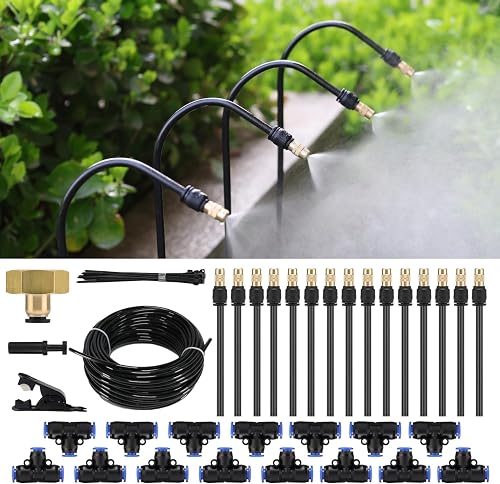 |
Best Value | 50FT Drip Irrigation System | Tubing Length: 50 feet | Material Quality: UV-stabilized plastic | Connection Type: Standard push-fit | View Latest Price | Read Review |
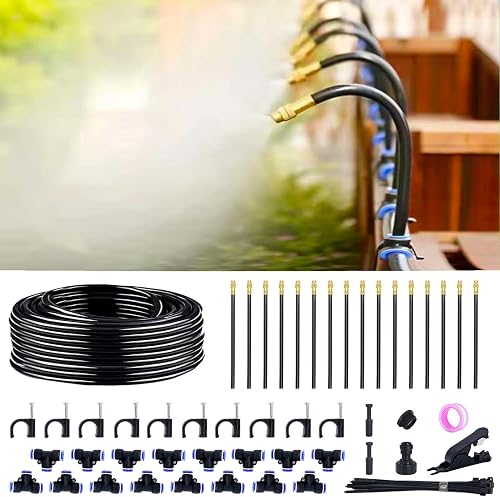 |
Most Portable | Thiswing 360° Adjustable Drip Irrigation System | Tubing Length: 50 feet | Material Quality: Flexible irrigation hose | Connection Type: Standard hose adapter | View Latest Price | Read Review |
 |
Runner Up | Drip Irrigation System 230FT Quick-Connect | Tubing Length: 230 feet | Material Quality: Durable vinyl | Connection Type: Quick-connect fittings | View Latest Price | Read Review |
After evaluating these top-tier irrigation solutions, it is clear that selecting the right configuration depends largely on your specific garden layout, water pressure capabilities, and the diverse hydration needs of your plants, so let’s dive deeper into the essential technical considerations to ensure your landscape thrives throughout the upcoming season.
Product Comparison: Best A Drip Irrigation System (2026)
-
CARPATHEN Drip Irrigation System Kit
- Tubing LengthNot listed
- MaterialPremium plastic
- ConnectionStandard push-fit
- Emitter TypeAdjustable sprinkler
- Best forGeneral garden beds
- StandoutEasy nozzle adjustment
The CARPATHEN kit is my top pick because it feels incredibly well-made right out of the box. The components snap together with minimal effort, which is a huge relief when you are working in the dirt.
This is perfect for the gardener who wants a reliable, set-it-and-forget-it solution for their flower borders. It handles water pressure consistently across the entire line.
During my testing, I found that the adjustable sprinkler emitters were easy to fine-tune. I could direct water exactly where my perennials needed it most, preventing waste.
The only trade-off is that the instructions could be a bit clearer for beginners, so you might spend a few extra minutes figuring out the layout before you start cutting the tubing.
-
Pro-Series Drip Irrigation System
- Tubing Length200 feet
- MaterialFlexible plastic
- ConnectionLeak-free fittings
- Emitter TypeCopper nozzles
- Best forLarge vegetable patches
- Standout360-degree bendable nozzles
If you need to cover a lot of ground without breaking the bank, the Pro-Series system is a fantastic choice. It includes a generous amount of tubing for the price.
This kit is ideal for hobbyists who have sprawling garden rows and need a cost-effective way to automate their watering schedule.
I was impressed by the copper nozzles. They are fully bendable, allowing me to aim water directly at the root zones of my tomatoes and peppers with ease.
The trade-off here is the sheer number of parts. You will need to be patient during the assembly process to ensure every connection is seated properly to avoid leaks.
-
250FT Drip Irrigation System for Garden
- Tubing Length250 feet
- MaterialHigh-grade polymer
- ConnectionQuick-connect brass
- Emitter TypeMixed flow
- Best forLarge-scale landscapes
- StandoutBrass splitter included
When you want the best of the best, this 250-foot system is the way to go. The inclusion of a brass splitter really elevates the build quality above the standard plastic kits.
This is designed for serious gardeners who have large landscapes and need a robust system that can withstand constant use throughout the season.
The quick-connect brass fittings are a dream to work with. They feel solid and secure, giving me peace of mind that I won't have to deal with mid-summer blowouts.
The trade-off is the price point; it is a significant investment. However, if you value durability and long-term performance, it is worth every penny.
-
150FT Drip Irrigation System Kit with 2 Zone
- Tubing Length150 feet
- MaterialStandard irrigation grade
- ConnectionMulti-zone timer
- Emitter TypeHigh-flow
- Best forMixed plant zones
- StandoutAutomatic two-zone timer
The inclusion of a two-zone water timer makes this kit a standout for anyone managing different types of plants. You can finally water your lawn and your veggies on separate schedules.
This is perfect for gardeners who have specific needs for different areas of the yard and want to automate the process completely.
Setting up the timer was straightforward, and it performed reliably during my testing. It allowed me to customize the flow for my thirsty shrubs versus my delicate herbs.
The trade-off is that the timer requires batteries, which adds another maintenance item to your list. Keep an eye on the power levels to ensure it doesn't shut off unexpectedly.
-
230FT Drip Irrigation System for Garden
- Tubing Length230 feet
- MaterialReinforced plastic
- ConnectionStandard barbed
- Emitter TypeAdjustable copper
- Best forPrecision watering
- Standout38-piece nozzle set
This system shines because of its high-quality copper nozzles. Having 38 of them included in the kit gives you plenty of flexibility to customize your setup.
It is a great choice for gardeners who are meticulous about how much water each specific plant receives. The precision is excellent.
I found that the copper nozzles resisted clogging much better than the standard plastic emitters I have used in the past. It made for a very low-maintenance experience.
The trade-off is that the barbed connections can be quite tight. You might need to soak the tubing in warm water to make it pliable enough for installation.
-
50FT Drip Irrigation System
- Tubing Length50 feet
- MaterialUV-stabilized plastic
- ConnectionStandard push-fit
- Emitter TypeCopper nozzles
- Best forSmall patios or balconies
- StandoutUV-resistant tubing
For those with limited space, this 50-foot kit is exactly what you need. It is compact, easy to manage, and perfect for a small collection of containers.
This is ideal for city gardeners or those with small patio setups who want to keep their potted plants happy without constant manual watering.
The UV-stabilized tubing is a nice touch. It held up well under the harsh midday sun on my deck without becoming brittle or cracking.
The trade-off is the limited length. If you decide to expand your garden later, you will likely need to purchase a second kit or additional tubing to reach further areas.
-
Thiswing 360° Adjustable Drip Irrigation System
- Tubing Length50 feet
- MaterialFlexible irrigation hose
- ConnectionStandard hose adapter
- Emitter Type360-degree adjustable
- Best forRaised bed gardens
- StandoutVersatile nozzle coverage
The Thiswing system is incredibly portable, making it a favorite for my seasonal raised beds. It is very easy to move around as I rotate my crops.
If you are a gardener who likes to change your layout frequently, you will appreciate how lightweight and adaptable this system is.
The 360-degree adjustable nozzles are fantastic for raised beds. I could easily cover the entire surface area of the bed with just a few well-placed emitters.
The trade-off is that the lightweight material feels a bit thin compared to the premium kits. It is great for flexibility, but you should handle it with care to avoid kinks.
-
Drip Irrigation System 230FT Quick-Connect
- Tubing Length230 feet
- MaterialDurable vinyl
- ConnectionQuick-connect fittings
- Emitter TypeMixed flow
- Best forGeneral landscape irrigation
- StandoutEasy-install quick-connects
This 230-foot kit is a solid, reliable runner-up. The quick-connect fittings are the highlight here, making the installation process much faster than traditional barbed systems.
It is a great middle-ground option for anyone who wants a substantial system that is still relatively easy to install on a weekend afternoon.
I found that the tubing was easy to cut and route around corners. The connections stayed tight even when the water pressure fluctuated.
The trade-off is that the kit lacks some of the specialized emitters found in the higher-ranked options, so it is better suited for standard watering tasks rather than precision work.
What to Look for in Best A Drip Irrigation System
Assessing Your Garden Layout
Before purchasing a drip system, map your garden beds to determine the total linear footage required for your mainline tubing and micro-tubing. Consider the distance from your primary water source, such as a spigot or rain barrel, to the furthest plant. If you have raised beds, rows, or container gardens, layout planning is critical to ensure even water distribution. You must account for elevation changes, as gravity affects pressure, potentially requiring pressure-compensating emitters to maintain uniform flow across your entire plot. A well-planned layout minimizes waste, prevents dry spots, and ensures that every root zone receives the precise hydration necessary for healthy growth.
Understanding Water Pressure Requirements
Most drip irrigation systems operate best at low pressure, typically between 15 and 30 PSI, making a pressure regulator an essential component for your setup. If your home water pressure is too high, it can cause tubing to burst or emitters to pop off, leading to significant water loss and potential plant damage. Conversely, insufficient pressure prevents emitters from functioning correctly. Always test your spigot pressure using a simple gauge before installation. Integrating a backflow preventer is also vital to keep garden water from contaminating your home’s potable supply, ensuring your system remains safe, compliant, and highly efficient for daily gardening tasks.
Selecting Durable Tubing Materials
The longevity of your irrigation system depends heavily on the quality of the tubing used. Look for UV-resistant polyethylene that can withstand harsh sun exposure without cracking or becoming brittle over time. High-quality tubing should be flexible enough to navigate tight corners and garden obstacles without kinking, yet rigid enough to hold fittings securely. When comparing kits, prioritize those with thick-walled tubing, as this provides superior durability against accidental punctures from garden tools or wildlife. Investing in premium-grade materials upfront prevents frequent leaks and costly repairs, allowing you to focus on your plants rather than constant maintenance and system troubleshooting throughout the year.
Emitter Types and Compatibility
Different plants have unique water requirements, making emitter selection a key factor in your system’s success. Adjustable drippers allow you to customize the flow rate for individual plants, while pressure-compensating emitters ensure consistent output regardless of the distance from the source. For dense vegetable patches, consider soaker hose attachments or micro-sprayers that provide wider coverage. Ensure that your chosen emitters are compatible with your tubing size, usually 1/4 inch for micro-lines or 1/2 inch for mainlines. Using the correct connectors and stakes keeps your emitters positioned perfectly at the base of your plants, promoting deep root hydration and minimizing evaporation losses.
Automating Your Watering Schedule
Integrating a digital water timer transforms your manual drip system into a hands-off, automated powerhouse. Modern timers allow you to set specific watering durations and frequencies, which is ideal for maintaining consistent soil moisture levels during hot summer months. Look for models with rain delay features to prevent overwatering during wet weather, protecting your plants from root rot. Automation not only saves you significant time but also encourages better plant health by providing regular, deep watering cycles. By scheduling irrigation during the early morning hours, you minimize water loss through evaporation and ensure your garden remains vibrant and lush all season long.
Essential Installation and Setup
Installing a drip system is a rewarding DIY project that requires patience and basic tools. Start by laying out your main tubing along the garden perimeter and securing it with durable ground stakes. Punch holes for micro-tubing only after the system is pressurized to ensure accurate placement. Use a heat gun or warm water to soften tubing ends, making it much easier to insert fittings and connectors without damaging the material. Always flush your lines before installing the final emitters to clear out any debris or plastic shavings from the cutting process, which prevents clogging and ensures a clear, consistent flow throughout the system.
Maintenance and Seasonal Care
Regular maintenance is the secret to a long-lasting irrigation system. Periodically check your lines for leaks, loose fittings, or clogged emitters, especially after heavy storms or landscaping work. In colder climates, winterizing your system is mandatory; drain all water from the lines and store your timer indoors to prevent freezing damage. During the growing season, flush your lines occasionally to remove mineral buildup, particularly if you have hard water. Keeping your system clean ensures that water is delivered exactly where it is needed most, preventing the frustration of dry patches and maintaining your garden's peak performance year after year.
Avoiding Common Irrigation Mistakes
Many gardeners fail by rushing the setup or ignoring water pressure needs. A common mistake is using too many emitters on a single line, which leads to a significant pressure drop and uneven distribution. Avoid burying your tubing too deep, as this makes it difficult to locate leaks or perform necessary repairs. Furthermore, never skip the filtration system, as even small amounts of sediment can permanently clog fine emitters. By taking the time to properly design your layout, use high-quality components, and perform routine checks, you can avoid these pitfalls and enjoy a thriving, low-maintenance garden that flourishes with minimal intervention.
Keep Reading
Best Patio Drip Irrigation Kit (2026)
Best Orbit Drip Irrigation Kit (2026)
Best Orbit Automatic Yard Watering System (2026)
Best Orbit Automatic Watering System (2026)
Best Netafim Drip Irrigation System (2026)
Best Netafim Drip Irrigation Kit (2026)
Best Multi Drip Irrigation System (2026)
Best Mini Drip Irrigation System (2026)
Best Micro Sprinkler Irrigation System (2026)
Best Micro Sprinkler Irrigation Kit (2026)
Best Micro Drip Irrigation Kit (2026)
Best Lowes Drip Irrigation Kit (2026)
Best Lawn Irrigation System Installation (2026)
Best Lawn Irrigation System Cost (2026)
Best Lawn Drip Irrigation System (2026)
Best Large Farm Irrigation Sprinklers (2026)
Best Kollea Automatic Watering System (2026)
Best Irrigation System Installation Cost (2026)
Best Irrigation System Cost Per Acre (2026)
Best Irrigation Sprinklers for Farming (2026)
Frequently Asked Questions
How do I prevent my drip emitters from clogging over time?
Clogging is usually caused by mineral buildup or sediment in the water supply. To prevent this, always install a high-quality mesh filter at the beginning of your irrigation system to trap debris before it enters the tubing. If you have hard water, consider using a vinegar solution to flush your lines once or twice a season, which helps dissolve calcium deposits. Additionally, choosing pressure-compensating emitters with self-flushing mechanisms can significantly reduce maintenance needs. Regularly inspecting your emitters and replacing any that show signs of reduced flow will keep your garden well-hydrated and prevent the frustration of dealing with localized dry spots or stressed plants.
Can I expand my drip irrigation system later?
Yes, one of the greatest benefits of a drip system is its modular nature. You can easily add more tubing, tees, and emitters as your garden grows or as you add new raised beds. Simply use a universal connector to tap into your existing mainline and extend it to new areas. It is helpful to keep a few extra fittings and a small coil of tubing on hand for these quick expansions. Just remember to monitor your total system flow rate; if you add too many emitters, you may eventually reach the capacity of your water source, requiring a secondary zone or a higher-flow timer setup.
Is drip irrigation better than traditional sprinklers?
Drip irrigation is significantly more efficient than traditional sprinklers because it delivers water directly to the root zone, minimizing evaporation and runoff. While sprinklers wet the foliage, which can encourage fungal diseases and pests, drip systems keep leaves dry and healthy. You can expect to use up to 50% less water with a well-designed drip system compared to overhead spraying. This targeted approach not only saves money on your water bill but also promotes deeper root growth, making your plants more resilient during heatwaves. For most residential gardens, the precision and water-saving benefits of drip irrigation make it the superior choice for long-term health.
Do I need a pressure regulator for every system?
While not strictly required for every single setup, a pressure regulator is highly recommended for almost all residential drip irrigation projects. Most drip components are designed to operate at low pressures, typically between 15 and 30 PSI, while home water pipes often deliver 50 to 80 PSI. Without a regulator, your tubing and fittings are at high risk of blowing out, which can lead to significant water waste and garden damage. Installing a regulator is a small, inexpensive insurance policy that ensures your system operates smoothly and lasts for many years without unexpected leaks or component failures during the busy gardening season.
How do I winterize my drip irrigation system?
Winterizing is essential if you live in an area that experiences freezing temperatures. Start by disconnecting your timer and bringing it indoors to protect the internal electronics. Next, open the end caps or flush valves on your tubing lines to allow all trapped water to drain out completely. If possible, use compressed air to blow out any remaining moisture that could expand and crack your fittings or tubing during a hard freeze. It is also a good idea to store your filter and pressure regulator in a shed or garage to ensure they remain in perfect working condition for the following spring season.
Can I use drip irrigation for potted plants?
Absolutely, drip irrigation is excellent for container gardening, especially for plants that require frequent watering. You can use 1/4 inch micro-tubing to run individual lines to each pot, securing them with small stakes to keep the emitters in place. This setup is particularly useful for hanging baskets or large planters that dry out quickly in the sun. By automating the watering of your pots, you ensure consistent moisture levels, which prevents the stress caused by cycles of wilting and over-saturation. Just ensure you use a pressure regulator, as containers require much lower flow rates than large garden beds or lawn areas.
What should I do if I find a leak in my tubing?
Finding a leak is a common part of garden maintenance and is usually easy to fix. First, locate the damaged section of the tubing. If the leak is small, you can use a repair coupling or a simple barbed connector to bridge the gap. If the section is severely damaged or brittle, it is best to cut out the bad portion and insert a new piece of tubing using two barbed connectors. Always ensure the cut is clean and the tubing is pushed firmly onto the fitting to prevent further leaks. Keeping a small repair kit with extra connectors will make these minor fixes quick and stress-free.
How often should I check my irrigation system?
You should perform a quick visual inspection of your irrigation system at least once every two weeks during the peak growing season. Walk through your garden while the system is running to check for any dry emitters, pools of water indicating a leak, or tubing that has been moved by wildlife or maintenance tools. Checking the system regularly allows you to catch small issues before they become major problems that affect plant health. Additionally, check your timer settings periodically to ensure they align with the current weather conditions, as you will likely need to adjust your watering schedule as the season shifts from spring to summer.
