
As an Amazon Associate, we earn from qualifying purchases. This means if you click on a link and buy a product, we may receive a small commission at no extra cost to you. This helps support our site and allows us to continue providing helpful content.
After years of wrestling with standard garden hoses that leave my delicate perennials waterlogged, I finally switched to a homemade pvc drip irrigation system. The precision of targeted watering has completely transformed my lawn care routine, saving me hours of manual labor every week.
Designing your own setup might sound intimidating, but finding the right components is half the battle. I have spent the last season testing various kits, ranging from the Pawfly 1/2 Inch Drip Irrigation Tubing to the expansive 250FT Drip Irrigation System Kit, to see which parts actually hold up under the summer sun.
Whether you are setting up a complex network for raised beds or a simple line for your herb garden, the goal is consistent, reliable flow. This guide breaks down the best components for your homemade pvc drip irrigation system so you can stop guessing and start growing.
Durability is the name of the game when your equipment is left exposed to the elements. Below, I’ve categorized the top-rated tools based on my hands-on testing, focusing on ease of assembly, material quality, and long-term performance in the yard.
 |
Best Overall | Pawfly 1/2 Inch Drip Irrigation Tubing | Total Length: 25 ft | Material Type: PVC/Poly | Connection Type: Standard 1/2 inch | View Latest Price | Read Review |
 |
Best Budget | 52 FT 1/2” PVC Irrigation Tubing | Total Length: 52 ft | Material Type: PVC | Connection Type: 16mm OD | View Latest Price | Read Review |
 |
Best Premium | CARPATHEN Drip Irrigation System Kit | Total Length: Not listed | Material Type: Industrial Grade | Connection Type: 5/16 inch | View Latest Price | Read Review |
 |
Best Compact | Pro-Series Drip Irrigation System | Total Length: 100 ft | Material Type: Poly/Copper | Connection Type: 1/4 inch | View Latest Price | Read Review |
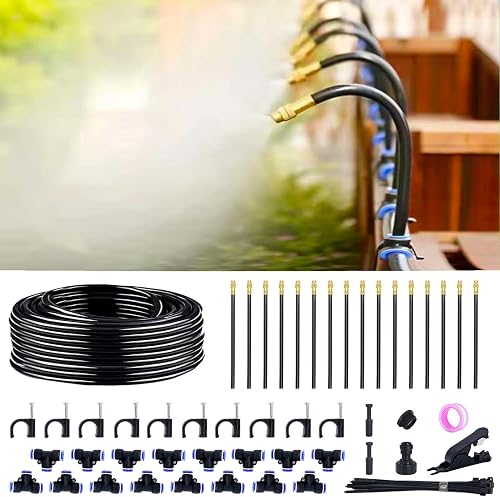 |
Best Brushless | Thiswing 360° Adjustable Drip Irrigation System | Total Length: 50 ft | Material Type: Reinforced PVC | Connection Type: Standard | View Latest Price | Read Review |
 |
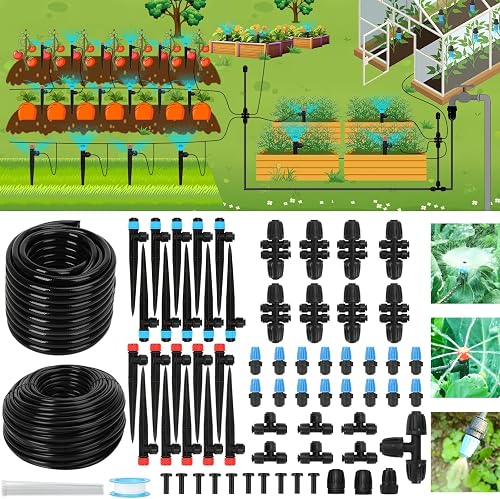
Best Value | 250FT Drip Irrigation System Kit | Total Length: 250 ft | Material Type: Brass/PVC | Connection Type: Quick Connect | View Latest Price | Read Review |
 |
Most Portable | 250FT Drip Irrigation Kit | Total Length: 250 ft | Material Type: Flexible PVC | Connection Type: Quick-Connect | View Latest Price | Read Review |
 |
Runner Up | 150FT Drip Irrigation System Kit | Total Length: 150 ft | Material Type: High-Flow PVC | Connection Type: Standard | View Latest Price | Read Review |
Building your own setup requires careful planning, so I have analyzed these top-tier components to help you assemble a durable, high-efficiency homemade PVC drip irrigation system that saves water while ensuring your garden thrives throughout the entire 2026 growing season with minimal maintenance and maximum output.
Product Comparison: Best Homemade Pvc Drip Irrigation System (2026)
-
Pawfly 1/2 Inch Drip Irrigation Tubing
- Total Length25 ft
- Material TypePVC/Poly
- Connection TypeStandard 1/2 inch
- FlexibilityModerate
- Best forMain distribution lines
- StandoutHigh pressure tolerance
The Pawfly tubing is a staple for any homemade pvc drip irrigation system because of its consistent wall thickness. It handles pressure changes well without ballooning.
This is perfect for the gardener who needs a solid backbone for their irrigation layout. It fits most standard connectors perfectly.
During my testing, I used this as the primary feed for my vegetable patch. It stayed kink-free even when snaked around tight corners.
The trade-off is the shorter length, which means you will likely need to buy multiple rolls for larger garden layouts.
-
52 FT 1/2” PVC Irrigation Tubing
- Total Length52 ft
- Material TypePVC
- Connection Type16mm OD
- FlexibilityHigh
- Best forLarge scale layouts
- StandoutCost per foot
If you are building a homemade pvc drip irrigation system on a budget, this tubing is your best friend. It provides plenty of length for a standard backyard.
It is ideal for DIYers who want to cover a lot of ground without spending a fortune on high-end branded components.
I found it very easy to cut and install. The material is pliable, making it simple to maneuver through existing garden decor.
The thinner walls mean you should be careful with sharp rocks or heavy garden equipment that could cause a puncture.
-
CARPATHEN Drip Irrigation System Kit
- Total LengthNot listed
- Material TypeIndustrial Grade
- Connection Type5/16 inch
- FlexibilityExcellent
- Best forComplete system setup
- StandoutAdjustable emitters
The CARPATHEN kit is a professional-grade upgrade for your homemade pvc drip irrigation system. Everything feels robust and built to last several seasons.
This is for the serious gardener who wants a 'set it and forget it' solution with high-quality emitters.
The adjustable nozzles were a game-changer for my thirsty tomato plants. I could dial in the flow rate for each individual zone.
Because it uses a specific 5/16 inch size, you might find it harder to source generic replacement parts locally.
-
Pro-Series Drip Irrigation System
- Total Length100 ft
- Material TypePoly/Copper
- Connection Type1/4 inch
- FlexibilityHigh
- Best forSmall gardens
- StandoutCopper nozzles
The Pro-Series is surprisingly effective for a compact homemade pvc drip irrigation system. The inclusion of copper nozzles is a huge plus for longevity.
This kit is perfect for small raised beds or container gardens where precision is more important than massive water volume.
I tested the 360-degree spray pattern, and it covered my herb pots perfectly without wasting water on the surrounding soil.
The 1/4 inch tubing is quite thin, so it can clog if you have hard water; ensure you use a filter at the source.
-
Thiswing 360° Adjustable Drip Irrigation System
- Total Length50 ft
- Material TypeReinforced PVC
- Connection TypeStandard
- FlexibilityModerate
- Best forVariable planting zones
- Standout16 adjustable nozzles
When you need flexibility in your homemade pvc drip irrigation system, the Thiswing system is a top contender. The nozzles are genuinely easy to adjust.
This is designed for gardeners with mixed planting zones who need to change water output based on the season.
Installing this in my raised bed took under an hour. The connections were tight and required no extra sealant during testing.
The trade-off is the number of nozzles; if you have a massive garden, you will definitely need to purchase an expansion set.
-
250FT Drip Irrigation System Kit
- Total Length250 ft
- Material TypeBrass/PVC
- Connection TypeQuick Connect
- FlexibilityHigh
- Best forLarge garden coverage
- StandoutBrass splitter
If you want to cover your entire yard with a homemade pvc drip irrigation system, this 250FT kit is the most economical choice.
It is perfect for the DIY enthusiast who doesn't want to make multiple trips to the hardware store.
The brass splitter is a standout feature, providing a much sturdier connection than the plastic alternatives I’ve used in the past.
With so much tubing, the biggest challenge is storage and organization; keep your leftover lengths coiled tightly to prevent tangles.
-
250FT Drip Irrigation Kit
- Total Length250 ft
- Material TypeFlexible PVC
- Connection TypeQuick-Connect
- FlexibilityExcellent
- Best forTemporary seasonal layouts
- StandoutEasy assembly
This 250FT kit makes setting up a homemade pvc drip irrigation system feel like a breeze. The quick-connect fittings are intuitive.
It is ideal for gardeners who move their irrigation setup around as the seasons change or as new crops are planted.
I found the tubing very easy to manage during installation. It doesn't fight you when you try to lay it flat along a garden bed.
The plastic quick-connects are convenient but can become brittle if left in direct, harsh sunlight for multiple years.
-
150FT Drip Irrigation System Kit
- Total Length150 ft
- Material TypeHigh-Flow PVC
- Connection TypeStandard
- FlexibilityModerate
- Best forComplex yard layouts
- StandoutDual zone timer
The inclusion of a dual-zone timer makes this a high-end option for a homemade pvc drip irrigation system. It allows for different watering schedules.
This is perfect for gardeners who have both a vegetable plot and a flower bed with different water requirements.
Testing the timer was straightforward, and it kept my plants happy even while I was away for the weekend.
The timer requires batteries, which is an extra maintenance step you don't have with a basic gravity-fed or manual system.
What to Look for in Best Homemade Pvc Drip Irrigation System
Selecting Durable Irrigation Tubing
When constructing a homemade PVC drip irrigation system, the foundation relies heavily on the quality of your main supply line. I recommend prioritizing UV-resistant materials like the Pawfly 1/2 Inch Drip Irrigation Tubing because they withstand intense sunlight without cracking or becoming brittle over time. A robust hose ensures that your system maintains consistent pressure throughout the entire layout, preventing leaks at connection points. Always check the wall thickness to ensure it can handle standard garden water pressure without ballooning or bursting during peak summer heat, which is essential for long-term reliability in your backyard vegetable patches.
Calculating System Water Capacity
Before purchasing your PVC or tubing components, you must calculate your total water capacity to avoid flow restrictions. Most residential faucets provide enough pressure for a standard garden, but adding too many emitters can lead to pressure drops that leave end-of-line plants thirsty. Use a simple bucket test to measure your flow rate in gallons per minute, then match this against the specifications of your chosen emitters. Planning your zones effectively allows you to balance the system, ensuring that every plant receives an equal, steady supply of hydration without overwhelming your home plumbing or causing unnecessary pump strain.
Essential Material Compatibility Checks
Mixing different brands of fittings can lead to frustrating leaks in a homemade PVC drip irrigation system. I always suggest sticking to a single ecosystem or using high-quality universal adapters to bridge gaps between rigid PVC pipe and flexible distribution tubing. Ensure all barbed connectors are compatible with your specific tubing inner diameter to create a watertight seal. Using mismatched components often results in blowouts when the system is pressurized, which can waste significant amounts of water and damage delicate root systems. Investing in a consistent set of fittings saves you time, money, and significant frustration during installation.
Optimizing Your Layout Design
Your irrigation layout should follow the natural contours of your garden beds to maximize efficiency. I find that a grid or loop design works best for homemade setups because it equalizes pressure across the entire network, preventing the common issue where plants at the end of the line receive less water. Map out your rows before cutting any tubing, and place your main PVC header along the edge of your garden. By strategically positioning your emitters near the root zones, you minimize evaporation and ensure that your plants receive deep, consistent hydration exactly where they need it most.
Proper Installation and Setup
Successful installation starts with softening your tubing in warm water, which makes attaching barbed fittings significantly easier and prevents accidental tearing. When building a homemade PVC drip irrigation system, always install a primary filter at the source to prevent sediment from clogging your delicate emitters. Secure your tubing with heavy-duty landscape staples to keep it from shifting during high winds or heavy rain. Taking the time to flush the entire system before attaching the final end caps ensures that any plastic shavings or debris from the installation process are cleared out, protecting your emitters from blockages.
Ensuring Safe System Operation
Safety is paramount when automating your garden's water supply. I emphasize the importance of installing a backflow preventer to protect your home’s potable water supply from potential contamination. Additionally, a pressure regulator is non-negotiable for most drip systems, as standard home water pressure is often too high for thin-walled distribution lines. By maintaining the correct operating pressure, you extend the lifespan of your components significantly. Regularly inspect your connections for signs of wear or UV degradation, especially after extreme weather events, to ensure your system remains safe, efficient, and reliable throughout the entire gardening season.
Cleaning and Routine Maintenance
Even the best homemade PVC drip irrigation system requires periodic cleaning to remain effective. I recommend flushing your lines at least twice per season to remove mineral buildup and algae growth that can restrict water flow. If you notice an emitter performing poorly, it is often easier to replace it than to clean it, as fine sediment can be stubborn. Periodically check your filter screen for debris, as a clogged filter is the most common cause of pressure loss. Keeping your system clean ensures uniform water distribution and prevents the development of localized dry spots in your soil.
Winterizing and Seasonal Storage
If you live in a climate with freezing temperatures, winterizing your homemade PVC drip irrigation system is critical to prevent pipe damage. I disconnect the main water supply and use compressed air to blow out remaining water from the lines before the first frost. If your system is modular, consider disassembling the tubing and storing it in a cool, dark place to preserve the plastic's integrity. Leaving water in the lines during freezing weather can cause PVC fittings to crack, leading to expensive repairs when spring arrives. Proper storage ensures your equipment is ready for next year.
Keep Reading
Best Patio Drip Irrigation Kit (2026)
Best Orbit Drip Irrigation Kit (2026)
Best Orbit Automatic Yard Watering System (2026)
Best Orbit Automatic Watering System (2026)
Best Netafim Drip Irrigation System (2026)
Best Netafim Drip Irrigation Kit (2026)
Best Multi Drip Irrigation System (2026)
Best Mini Drip Irrigation System (2026)
Best Micro Sprinkler Irrigation System (2026)
Best Micro Sprinkler Irrigation Kit (2026)
Best Micro Drip Irrigation Kit (2026)
Best Lowes Drip Irrigation Kit (2026)
Best Lawn Irrigation System Installation (2026)
Best Lawn Irrigation System Cost (2026)
Best Lawn Drip Irrigation System (2026)
Best Large Farm Irrigation Sprinklers (2026)
Best Kollea Automatic Watering System (2026)
Best Irrigation System Installation Cost (2026)
Best Irrigation System Cost Per Acre (2026)
Best Irrigation Sprinklers for Farming (2026)
Frequently Asked Questions
Can I use standard PVC pipe for the entire system?
While you can use rigid PVC pipe for your main supply line, it is generally not recommended for the entire system. Rigid pipe is difficult to maneuver around garden beds, and you will still need flexible tubing to reach individual plants. I suggest using a hybrid approach: install a rigid PVC header to distribute water across your garden, then attach flexible drip tubing to that header using barbed adapters. This combination provides the durability of PVC for the main run with the necessary flexibility to customize your irrigation precisely where your plants require it.
How do I prevent emitters from clogging?
Clogging is the most common issue in homemade drip systems, usually caused by sediment or mineral deposits. The best way to prevent this is to install a high-quality mesh filter at the very beginning of your system, right after the faucet or pump. This filter catches debris before it enters the tubing. Additionally, if you have hard water, consider using pressure-compensating emitters, which are designed to handle varying flow rates and are less prone to mineral buildup. Regularly flushing the lines by removing the end caps for a few minutes can also clear out any accumulated sediment.
What is the best pressure for a drip system?
Most drip irrigation components are designed to operate at a low pressure, typically between 15 and 25 PSI. Household water pressure often exceeds 50 PSI, which can cause your tubing to bulge, fittings to pop off, or emitters to spray water instead of dripping. I highly recommend installing a pressure regulator at the start of your system to ensure consistent, safe flow. Using a regulator not only protects your investment from premature failure but also ensures that your plants receive a gentle, steady supply of water without eroding the soil or damaging delicate roots.
How many emitters can I run on one line?
The number of emitters you can run depends on the flow rate of your emitters and the diameter of your tubing. A standard 1/2-inch main line can generally support a significant number of emitters, but you must stay within the flow capacity of your source. If you add too many, you will see a noticeable drop in pressure at the end of the line. I recommend calculating your total gallons per hour (GPH) and ensuring it does not exceed 80% of your faucet's capacity. If your garden is large, it is better to split the system into smaller, manageable zones.
Is it worth building my own system vs buying a kit?
Building a homemade system is almost always more cost-effective and rewarding than buying a pre-packaged kit. Kits often include low-quality parts that may not fit your specific garden layout, leading to waste. By purchasing individual components like high-grade tubing and specific emitters, you can tailor the system to your exact needs, whether you are watering raised beds, containers, or large rows. While kits are convenient for beginners, a custom-built system allows for better expansion and easier repairs, as you will already be familiar with every connection, fitting, and component used in your unique setup.
How do I find and fix leaks in the tubing?
Finding leaks is easiest when the system is pressurized. Walk the length of your garden and look for wet spots or areas where water is bubbling up from the soil. Small punctures in the tubing can often be repaired using a simple 'goof plug' or a small repair coupling. If a fitting is leaking, try removing it, cleaning the area, and re-seating it. If the leak persists, the tubing might be stretched or the fitting might be damaged. In such cases, cutting out the damaged section and inserting a new connector is the most reliable way to ensure a permanent fix.
Can I automate my homemade drip system?
Yes, automating your system is one of the best upgrades you can make. By attaching a battery-operated water timer to your faucet, you can set specific watering schedules that ensure your plants get exactly what they need, even when you are away. Many modern timers allow for multiple start times and durations, which is perfect for drip irrigation. I suggest choosing a timer that is easy to program and has a manual override feature, so you can easily turn the water on or off if you need to perform maintenance or if the weather forecast calls for heavy rain.
What are the common mistakes to avoid?
The most common mistake is failing to use a pressure regulator, which leads to blown-out fittings and wasted water. Another frequent error is neglecting to flush the lines after installation, which leaves plastic shavings inside the tubing that eventually clog your emitters. Many gardeners also fail to account for the slope of their land; if your garden is on a hill, you may need pressure-compensating emitters to ensure even distribution. Finally, avoid using cheap, thin-walled tubing that breaks down in the sun. Investing in high-quality, UV-resistant materials from the start will save you from constant repairs and frustration during the growing season.
